Walk into any room that feels expensive and ask what cost the money. Nine times out of ten, the answer is: nothing. What you’re responding to is a set of details — the right light temperature, curtains that touch the floor, hardware with some weight to it. Details are cheap. Ignorance of them is expensive.
These 23 ideas are the details. Not renovations, not big purchases — the small, specific moves that separate rooms that look considered from rooms that look accidental. Each one costs little or nothing; together, they’re the difference between “nice flat” and “who designed this?”
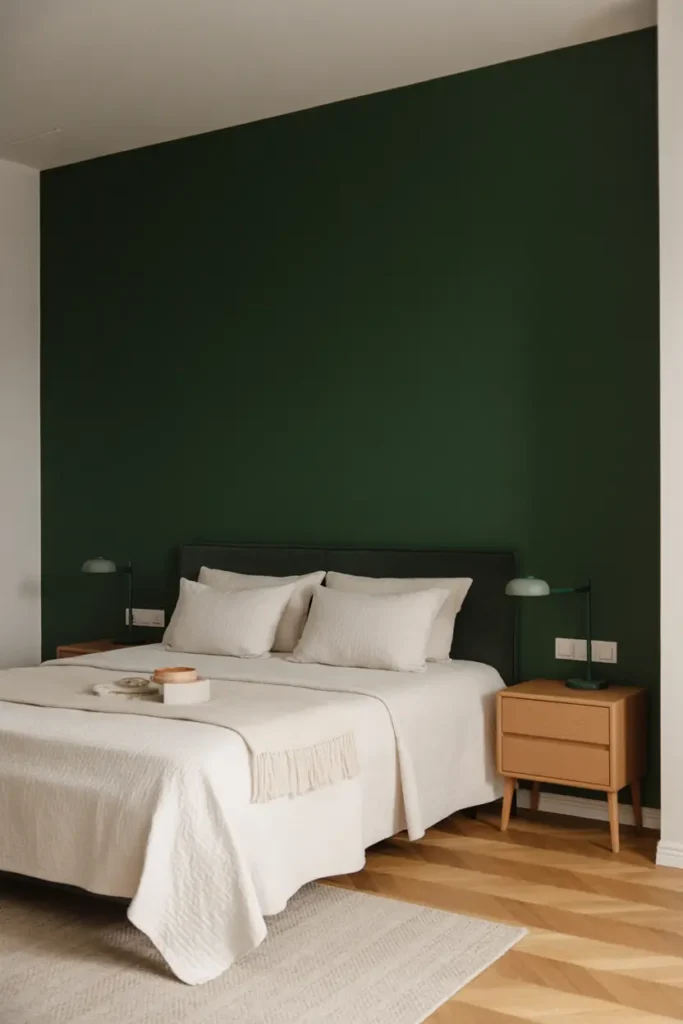
1. Paint One Wall an Accent Color
A single wall in a deep, confident colour — ink navy, forest green, warm charcoal — gives a room instant architecture. It’s the cheapest structural change in interiors: one tin, one afternoon, and the room has a focal point everything else can organize around. Choose the wall the eye lands on first; that’s where the money goes.
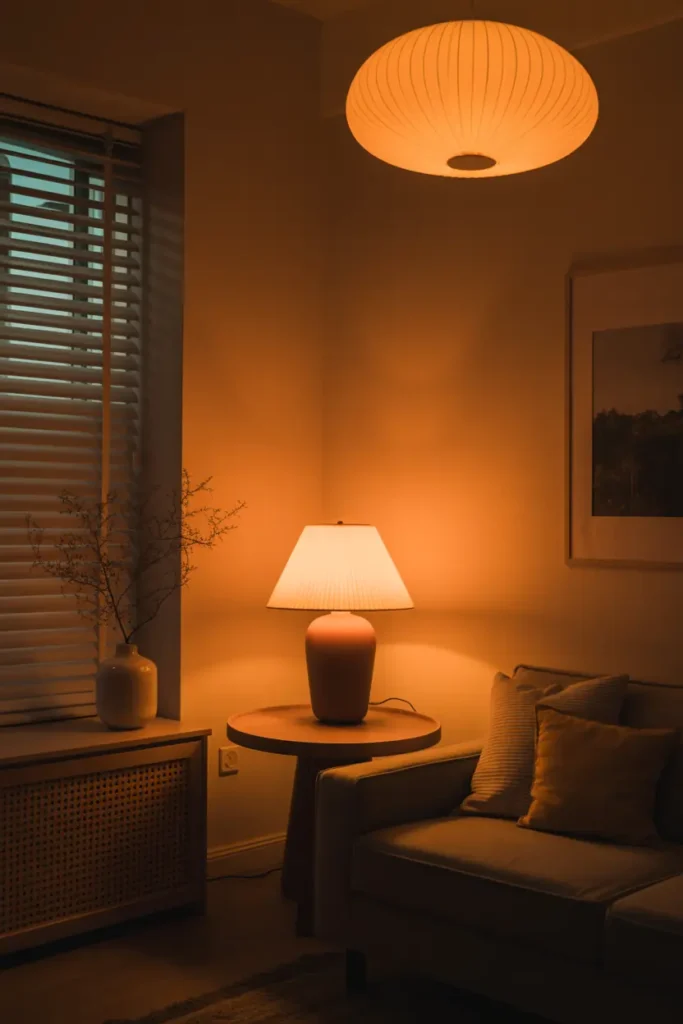
2. Switch to Warm Bulbs Everywhere
Cold white lighting is one of the fastest ways to make a room feel cheap and uncomfortable. Swapping every bulb in your home to warm white LEDs costs very little but changes everything. Warm light makes colors look richer, textures feel cozier, and the entire atmosphere softer. It’s the kind of change that guests notice immediately without being able to explain why the room just feels better.
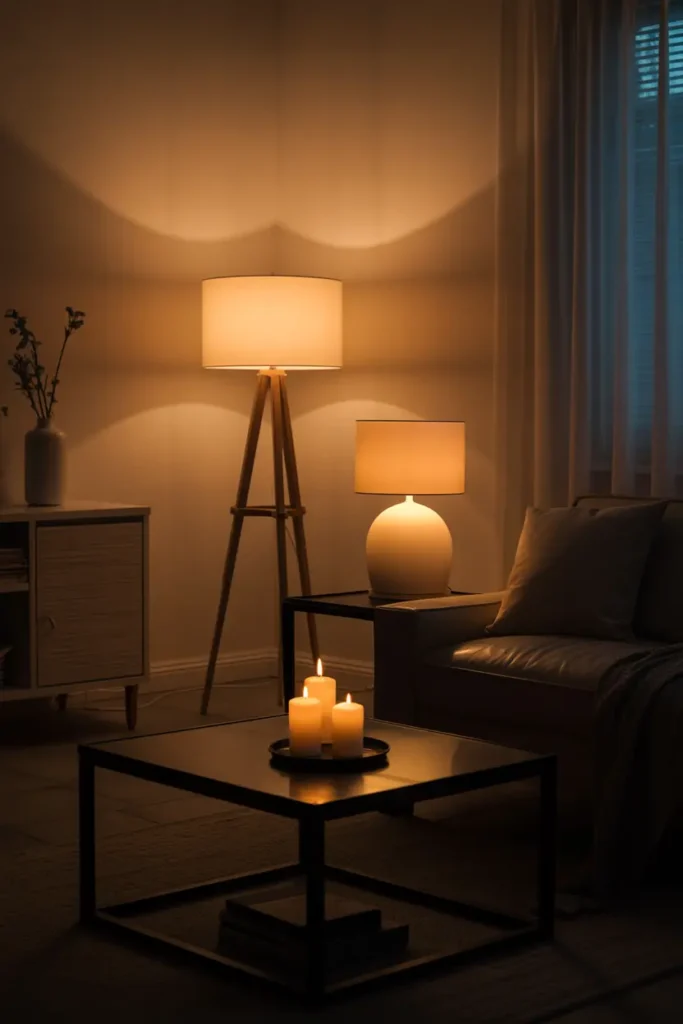
3. Layer Your Lighting
One overhead light is an interrogation; four light sources is an atmosphere. Aim for three layers: ambient (ceiling), task (reading lamp, desk light), accent (candles, picture lights, fairy lights). Put them on separate controls so you can dim the room in stages as the evening progresses — that’s what restaurants do, and it’s why they feel good.
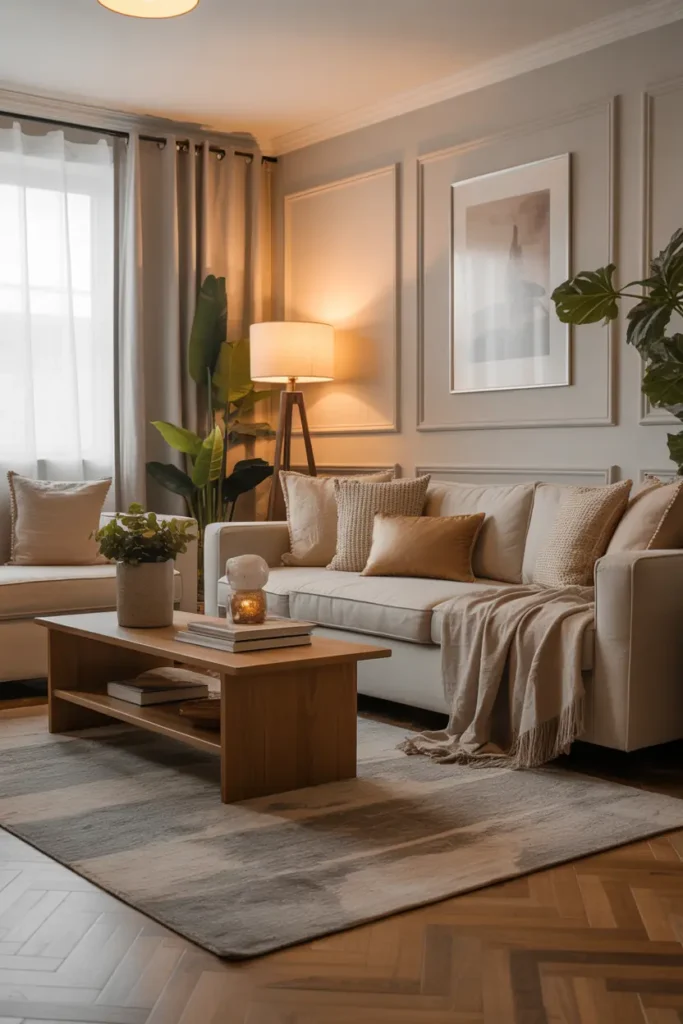
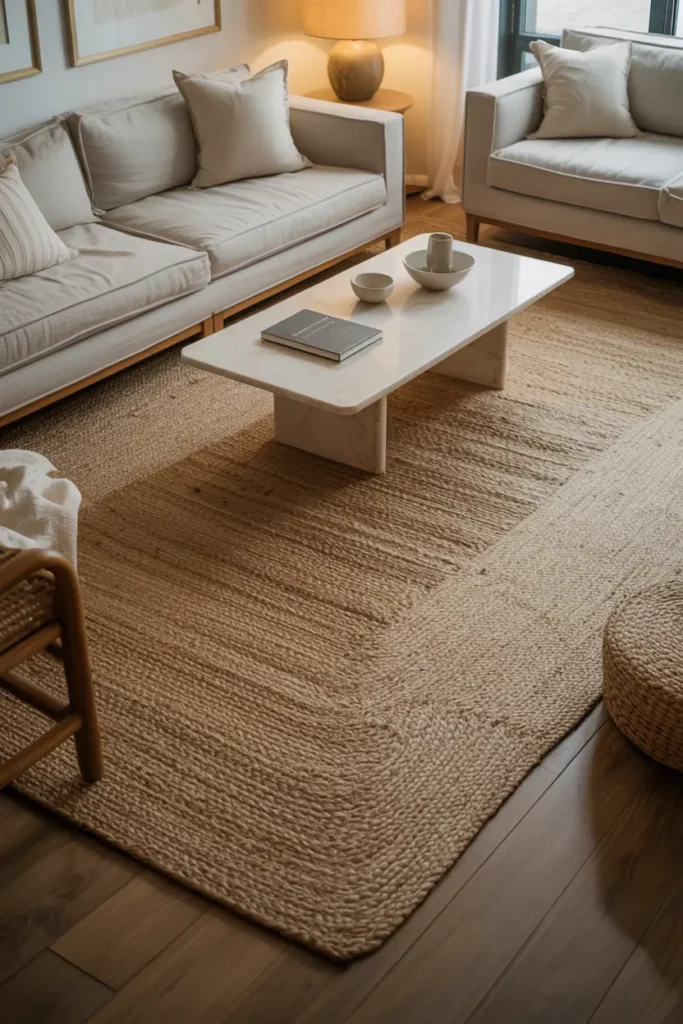
4. Use a Large Area Rug
The most common rug mistake is buying too small. A rug should anchor the furniture — front legs of sofas and chairs on it, not floating beside it. When in doubt, size up: a large rug makes a room feel bigger and more intentional; a small rug makes it feel cramped and indecisive. Jute and flat-weave give you size for the least money.
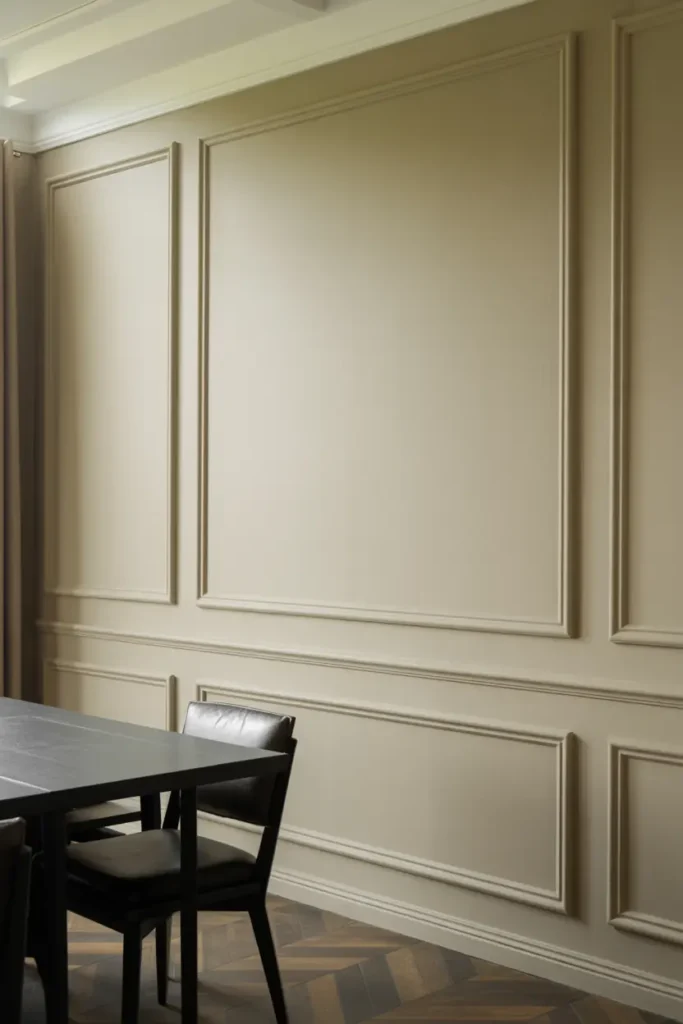
5. Add Crown Molding or Peel-and-Stick Trim
Architectural detail is the original luxury signal — it used to require craftsmen, and our eyes still read it as expensive. Modern peel-and-stick molding gives flat rooms instant bones for very little money. Paint it the same colour as the wall for the seamless high-end look; white trim on coloured walls is what dates it.
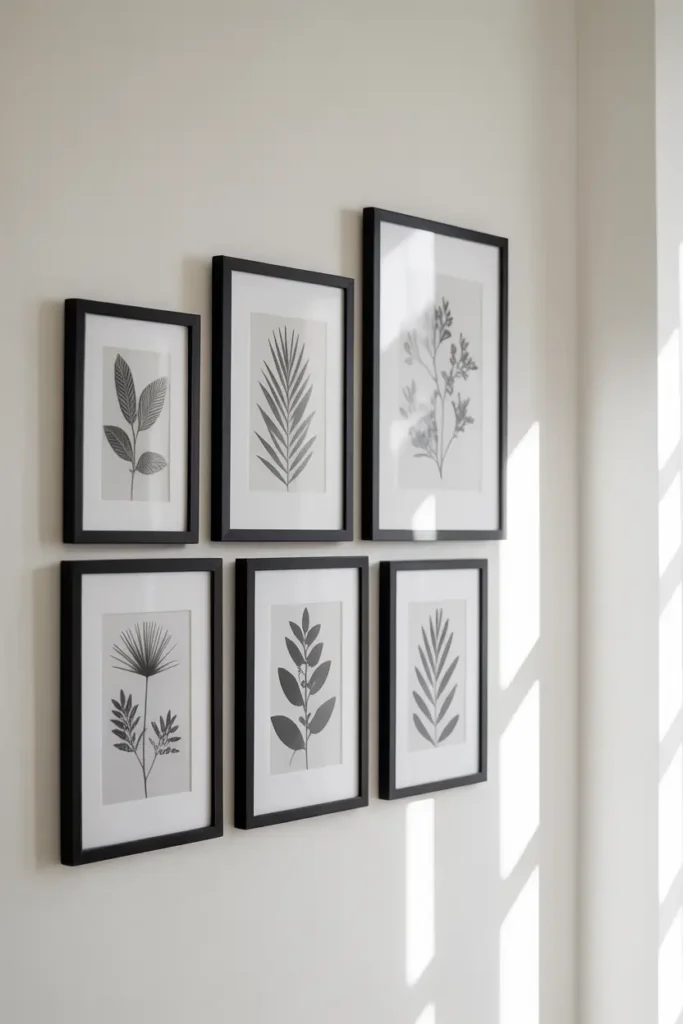
6. Frame Everything
Unframed prints pinned to walls read as student; the same prints in simple frames read as grown-up. You don’t need expensive framing — uniform IKEA or charity-shop frames, same colour, hung in a considered arrangement. The frame is the suit the art wears; dress it properly.
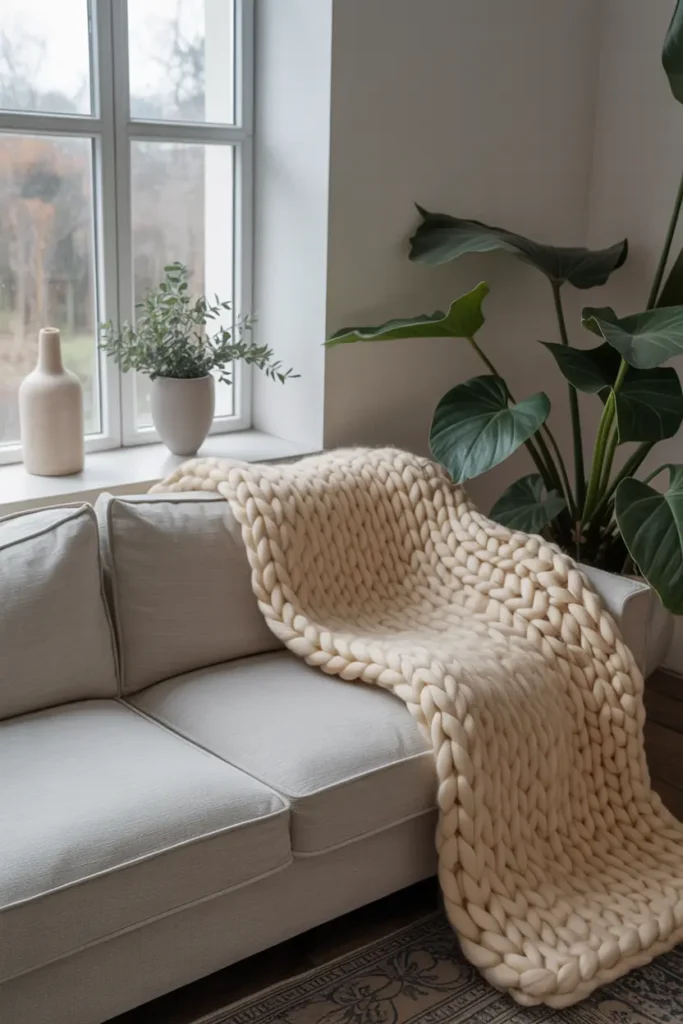
7. Invest in One Good Throw Blanket
One genuinely beautiful throw — heavy, textured, in a colour you love — does more than three mediocre ones. Drape it where it’s seen daily: the sofa arm, the bed’s foot. It should look touchable, not precious. Wool or a good wool blend ages beautifully; cheap acrylic pills within months and advertises its price.
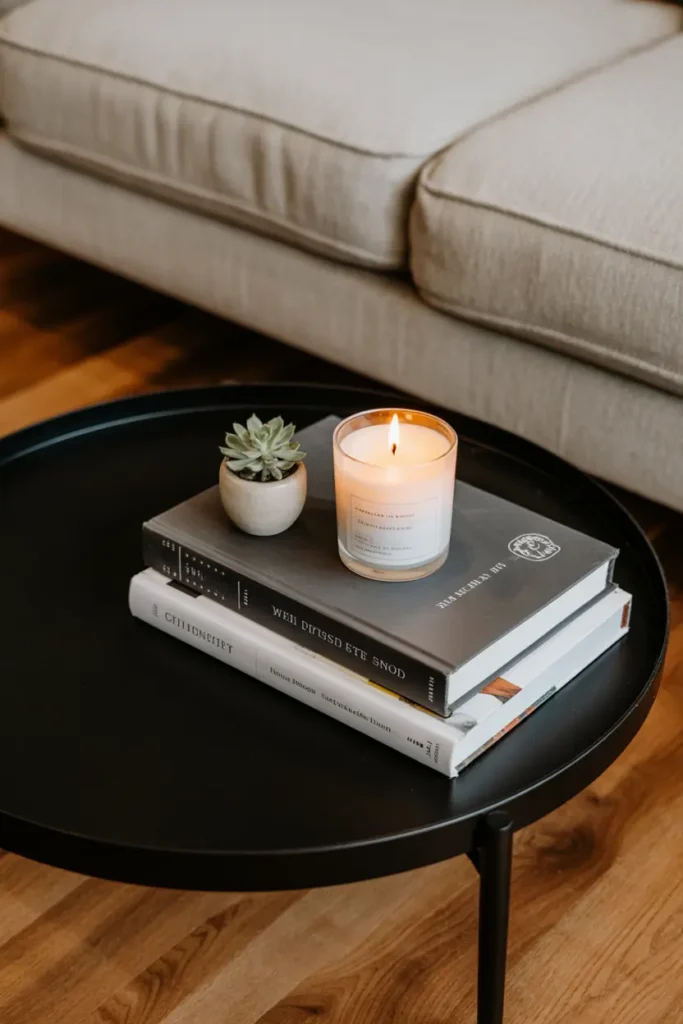
8. Style With Books
Books are instant intellectual texture — and I mean that as a compliment. A shelf of real books, a stack as a side-table riser, one beautiful volume open on a stand: they add depth, colour, and the suggestion of a curious mind. Arrange by size or tone for visual calm; the content is for you, the spines are for the room.
9. Bring in Natural Textures
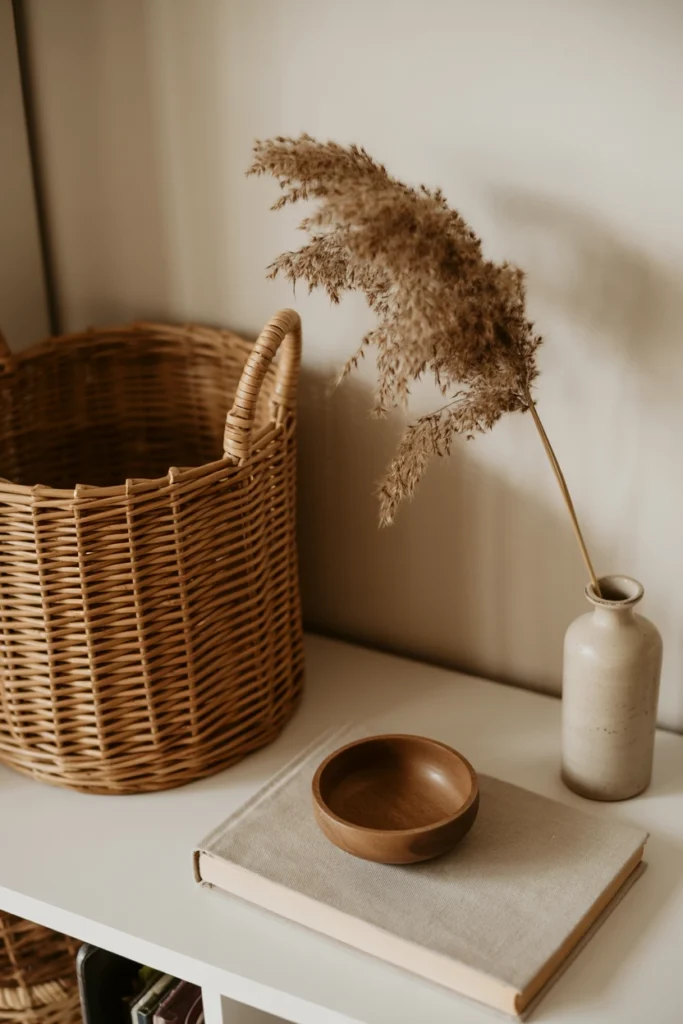
Jute, rattan, linen, raw wood, stone — natural textures are the difference between a room that looks decorated and one that feels alive. They add the tactile variation that flat, manufactured surfaces lack. One rule: mix them. A room of all-linen looks like a spa brochure; linen plus rattan plus wood looks like a home.
10. Use Curtains That Touch the Floor
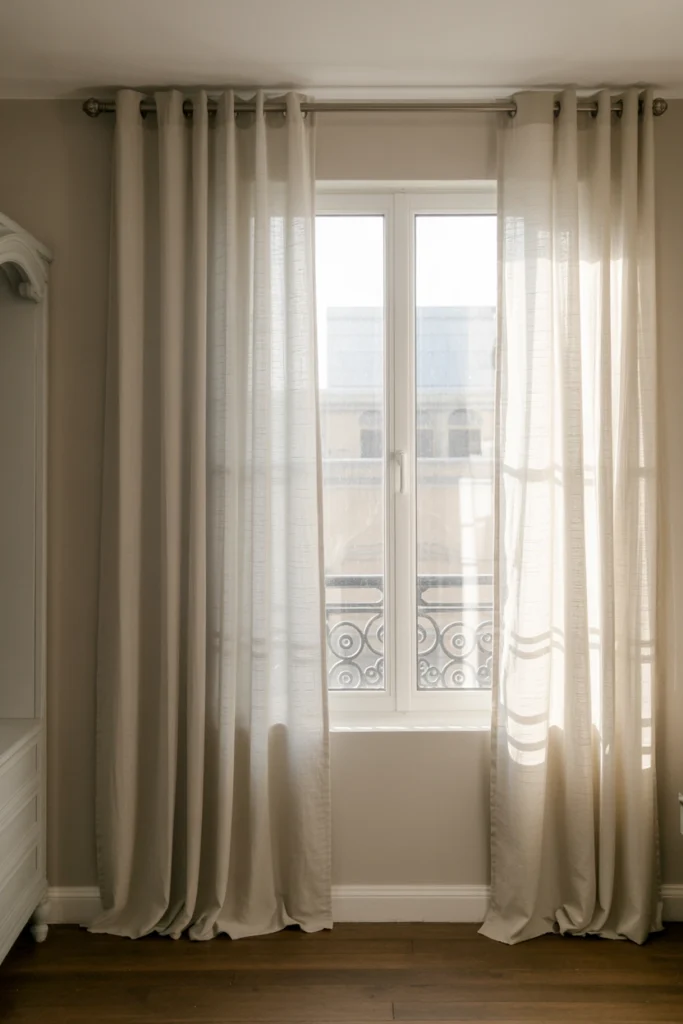
Curtains that stop 10cm above the floor look like a mistake; curtains that kiss the floor look like tailoring. It’s the cheapest luxury alteration in the home — often just letting down a hem. Hang them high (15cm above the frame) and wide (20cm beyond each side) and the window doubles in presence.
11. Declutter and Edit Ruthlessly
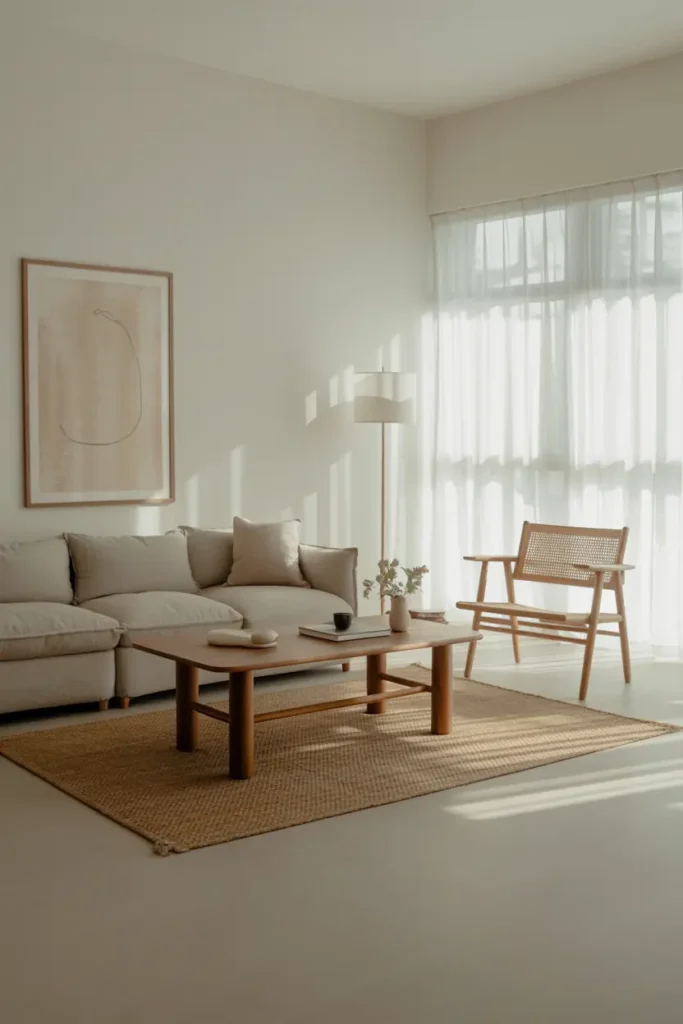
Expensive rooms are edited rooms. Every object visible has passed a test: is it beautiful, useful, or meaningful? Anything failing all three goes — to another room, to storage, to charity. The remaining pieces instantly look more valuable with space around them. Editing is free and it’s the highest-ROI activity in interiors.
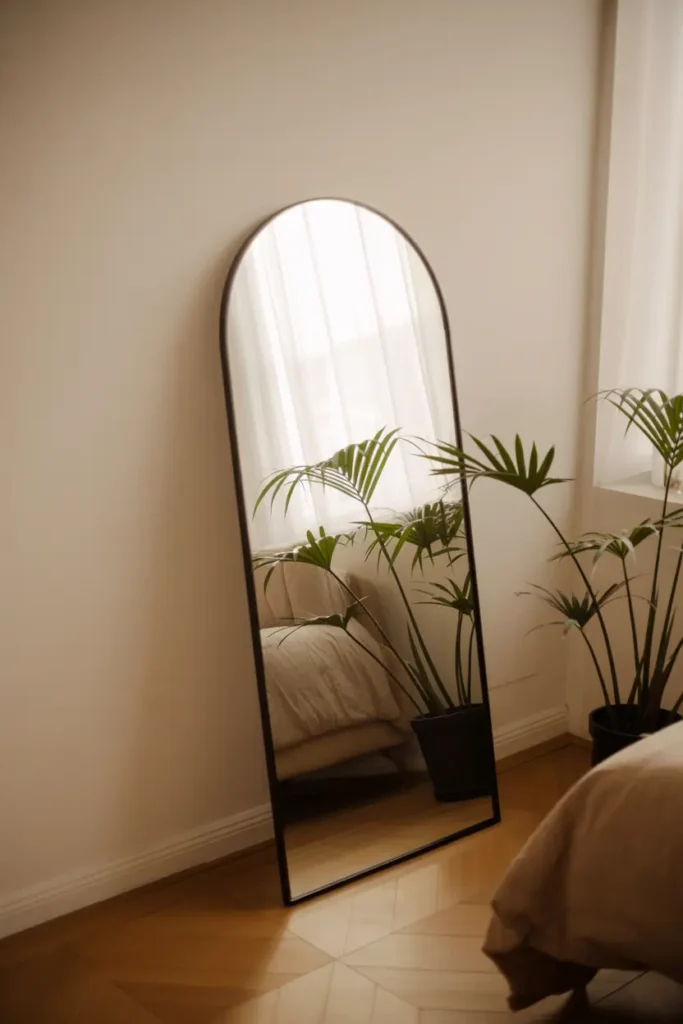
12. Add a Full-Length Mirror
A full-length mirror is practical (getting dressed), spatial (doubling light and views), and decorative (a tall, elegant object). Lean it against the wall for a relaxed, contemporary feel, or hang it where it reflects the room’s best feature. In small rooms it’s transformative — the doubled space is real to the eye even though the brain knows better.
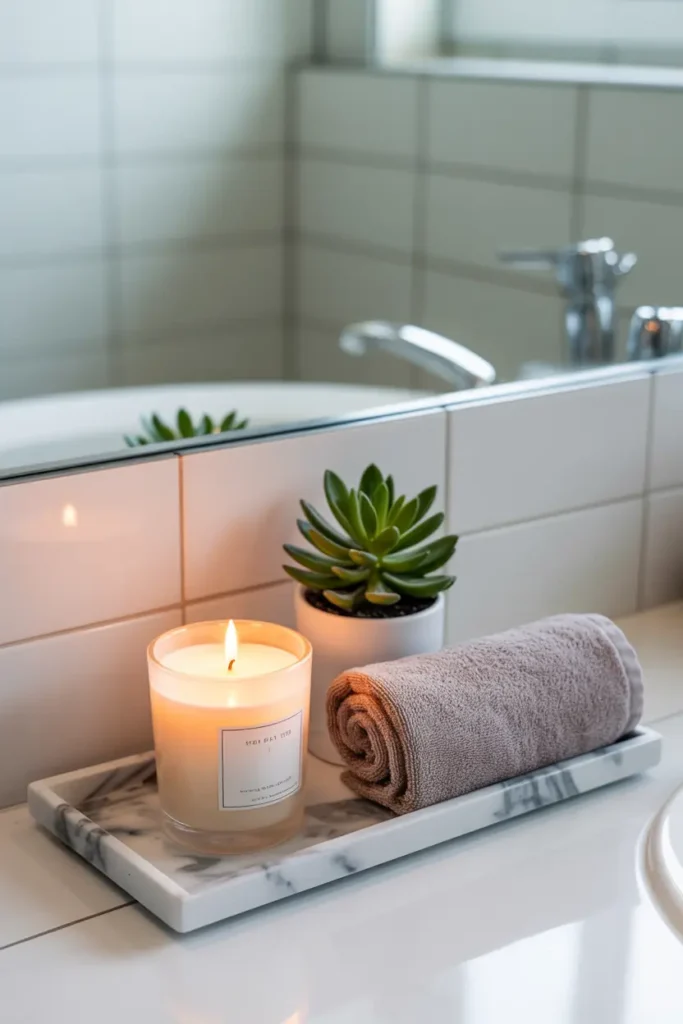
13. Use Trays to Organize and Style Surfaces
A tray is the stylist’s punctuation mark: it says “these objects belong together.” Coffee tables, ottomans, bathroom counters, bedside tables — corral the small things onto a tray and scattered becomes curated.
Choose the tray to be quieter than its contents: simple wood, black, or natural rattan. An ornate tray competing with ornate objects is visual noise; the tray is the frame, not the painting.
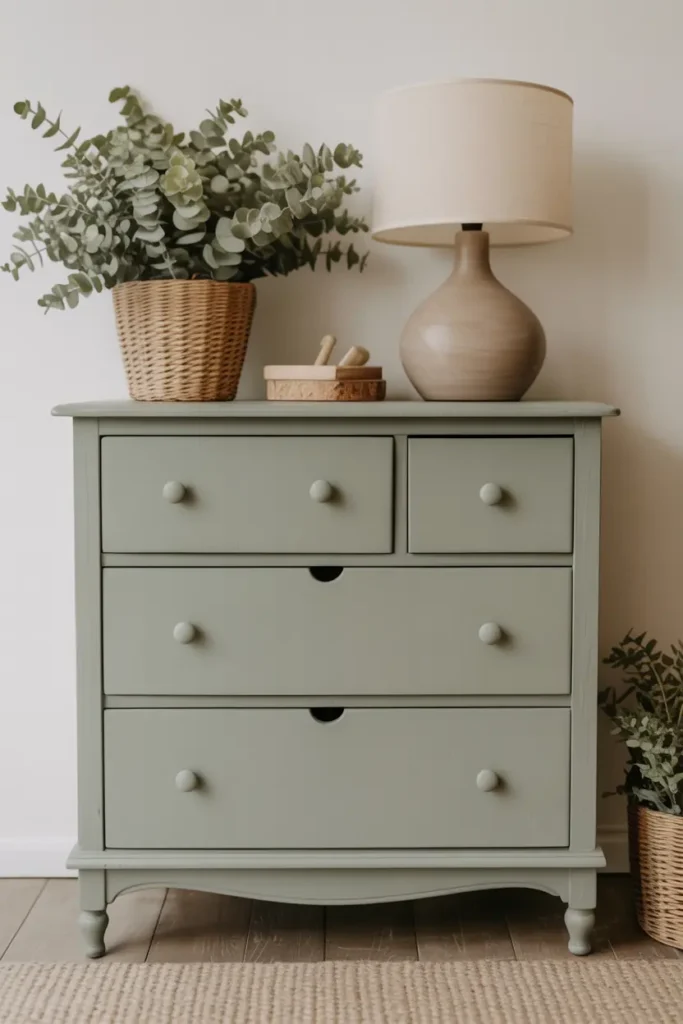
14. Paint Old Furniture
A £20 secondhand dresser in a confident colour — deep green, navy, warm black — looks like a £300 designer piece. Paint is the great equalizer: it hides a multitude of sins and unifies mismatched furniture into a deliberate scheme. Prep properly (clean, sand, prime) or the paint will tell on you within months.
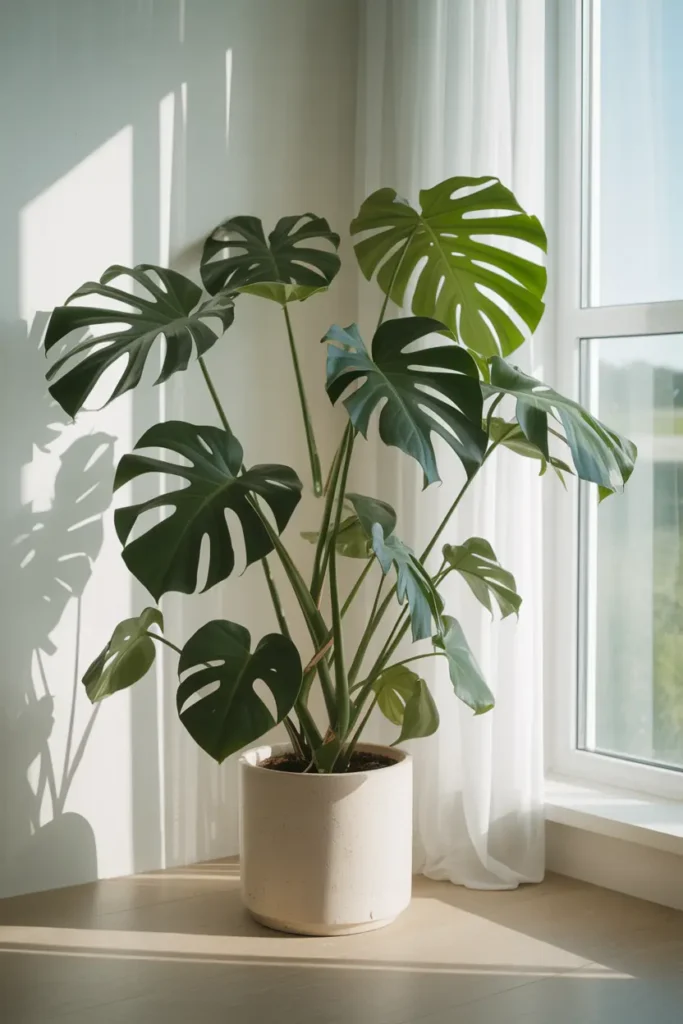
15. Use Plants as Decor Anchors
A large plant anchors a room the way furniture does — it gives an empty corner purpose and the eye a destination. One big plant beats five small ones for impact; scale is what reads as confident. Fiddle leaf figs and olive trees are the classics, but a £15 monstera in a good pot does 90% of the job.
16. Upgrade Your Hardware
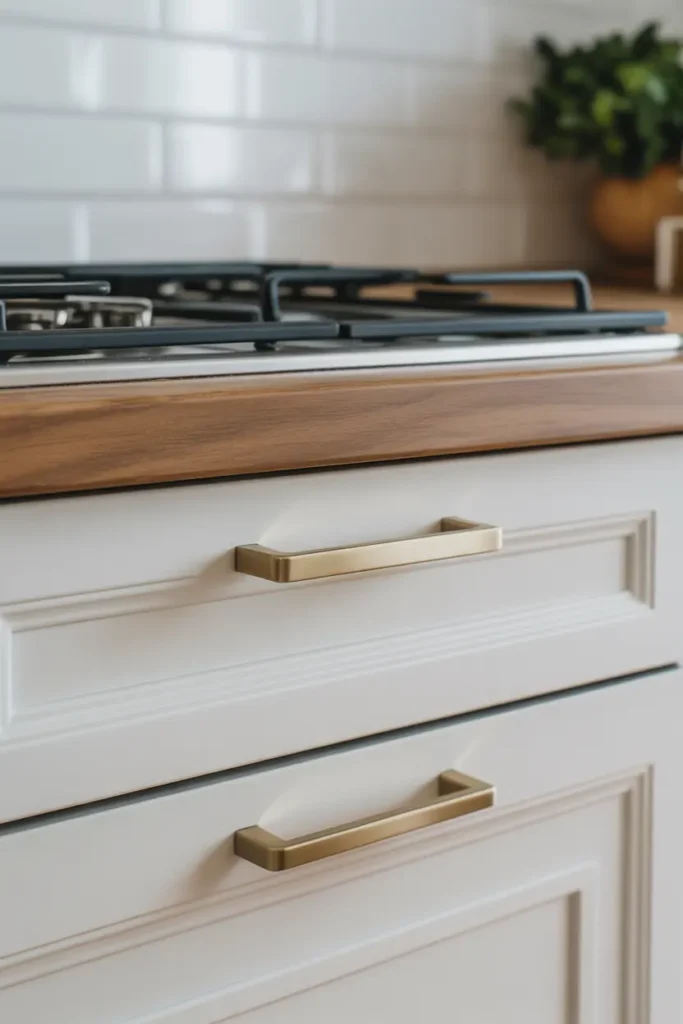
Handles, knobs, switch plates, taps — the small metal things you touch constantly. Swapping flimsy builder-grade chrome for solid-feeling matte black or brass costs little and registers as quality every time you touch it. Weight is the tell: good hardware feels heavy; cheap hardware feels like tin.
17. Create a Cozy Reading Nook
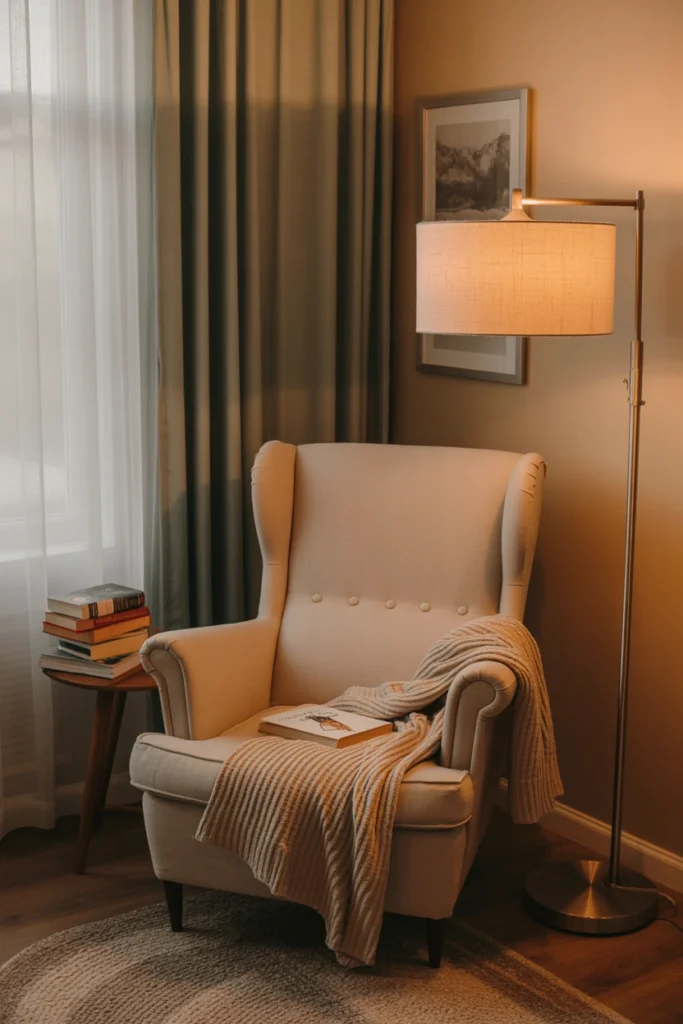
A reading nook needs exactly four things: a comfortable chair, good light, a surface for tea, and something soft. Tuck it by a window or in an underused corner — the slight separateness is what makes it a nook rather than a chair. It’s the spot guests will fight over and you’ll use daily.
18. Use Scent as Part of Your Decor
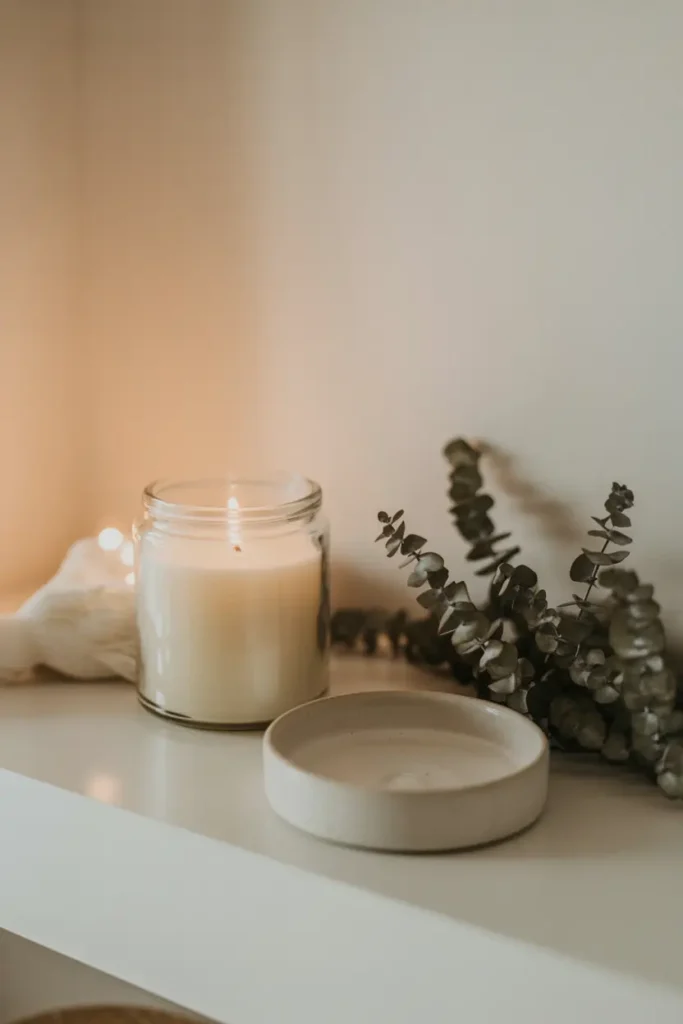
Luxury has a smell, and it’s consistent — one signature scent through the home, subtle and warm. A reed diffuser in the hall, the same candle in the living room: scent is atmosphere you can’t see but always feel. Keep it to one fragrance per floor; competing scents smell like a shop, not a home.
19. Hang Art at the Right Height
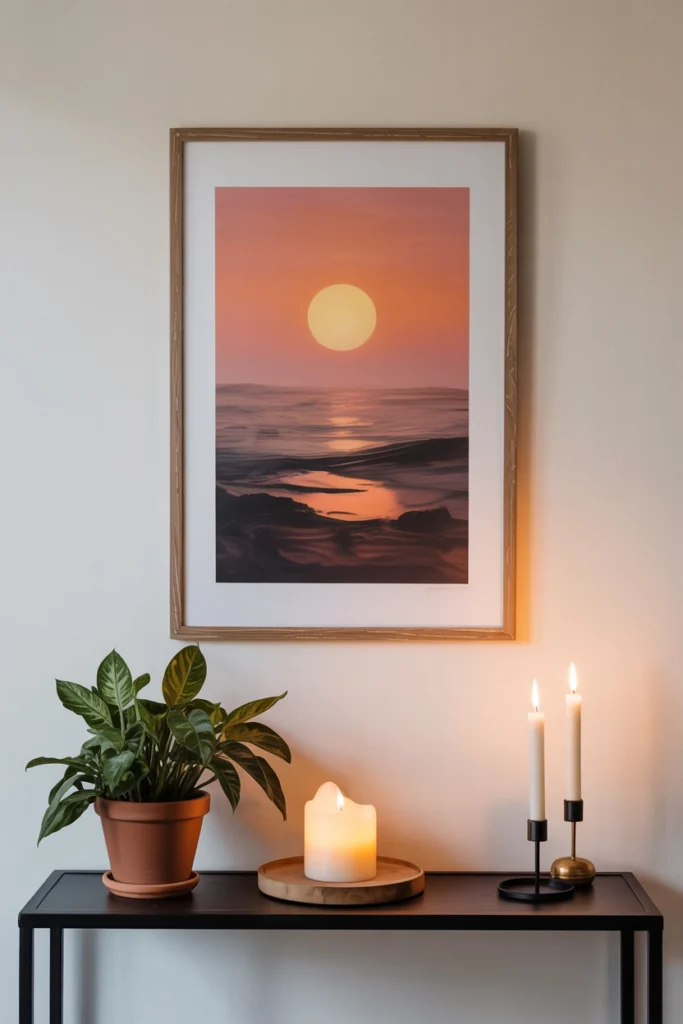
The centre of any artwork should sit at 145cm — average eye level. Almost everyone hangs art too high, which makes rooms feel off-balance in a way nobody can name. In dining rooms, hang for seated eye level (120cm). One correctly hung £20 print beats three crooked £100 ones.
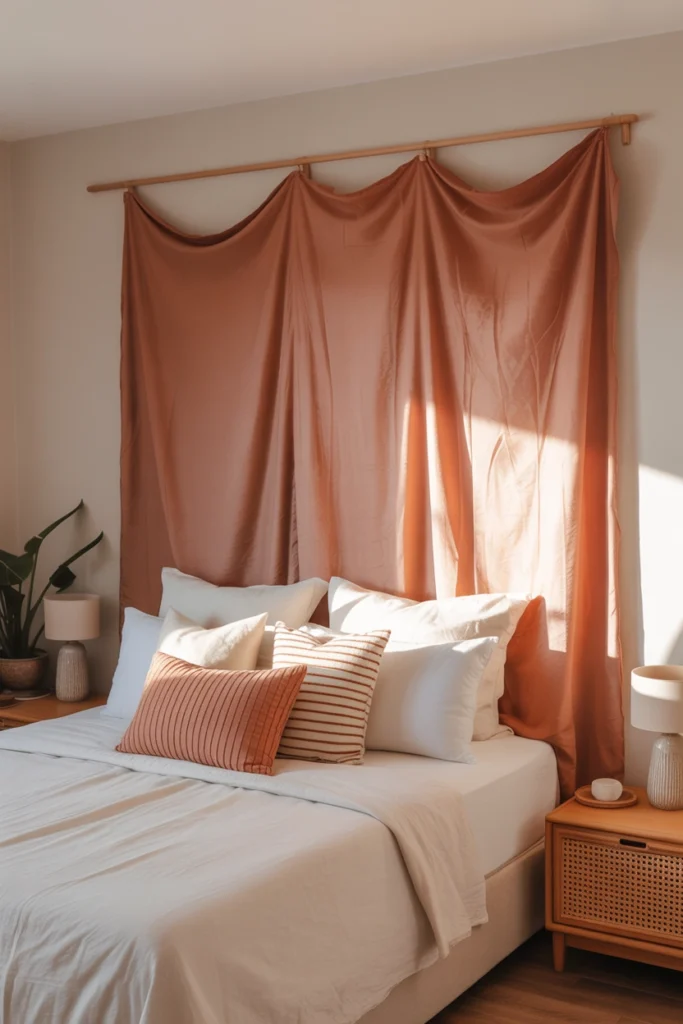
20. Add a Headboard or Fake One
A bed without a headboard looks unfinished; with one, the bedroom gains architecture overnight. No budget for upholstery? Paint a headboard shape on the wall, hang a textile, or mount peel-and-stick panels. The eye reads the suggestion as the thing — bedrooms are about impression, not joinery.
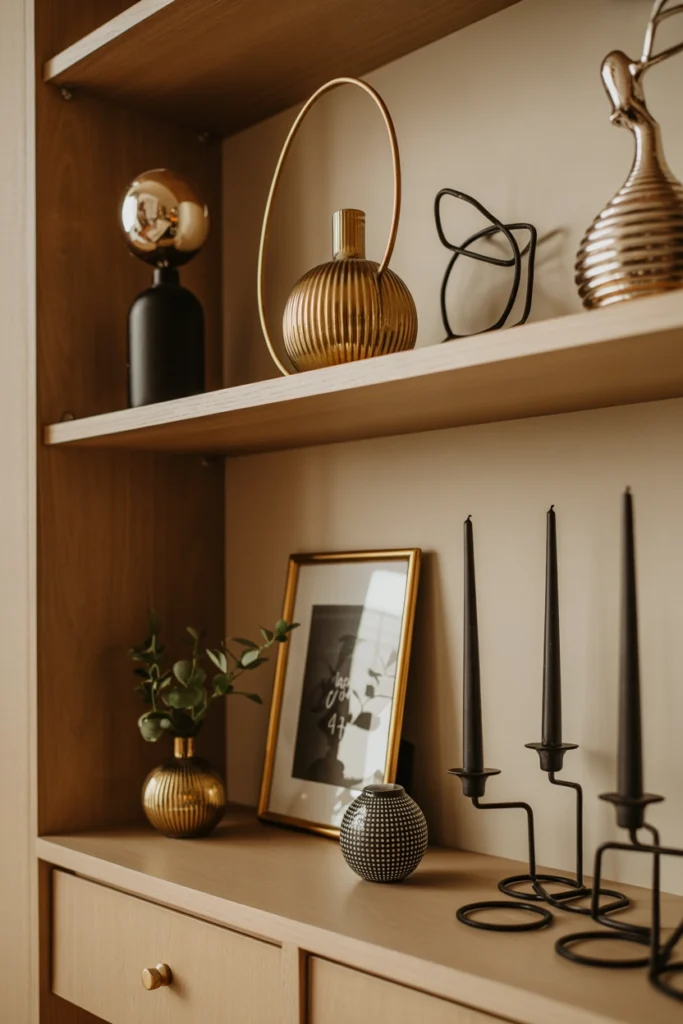
21. Mix Metals Intentionally
Mixed metals look expensive when they’re deliberate and cheap when they’re accidental. The rule: pick a dominant metal (say, brass) and one accent (matte black), then repeat both at least three times around the room. Two metals, repeated, reads as design; five metals, scattered, reads as leftovers.
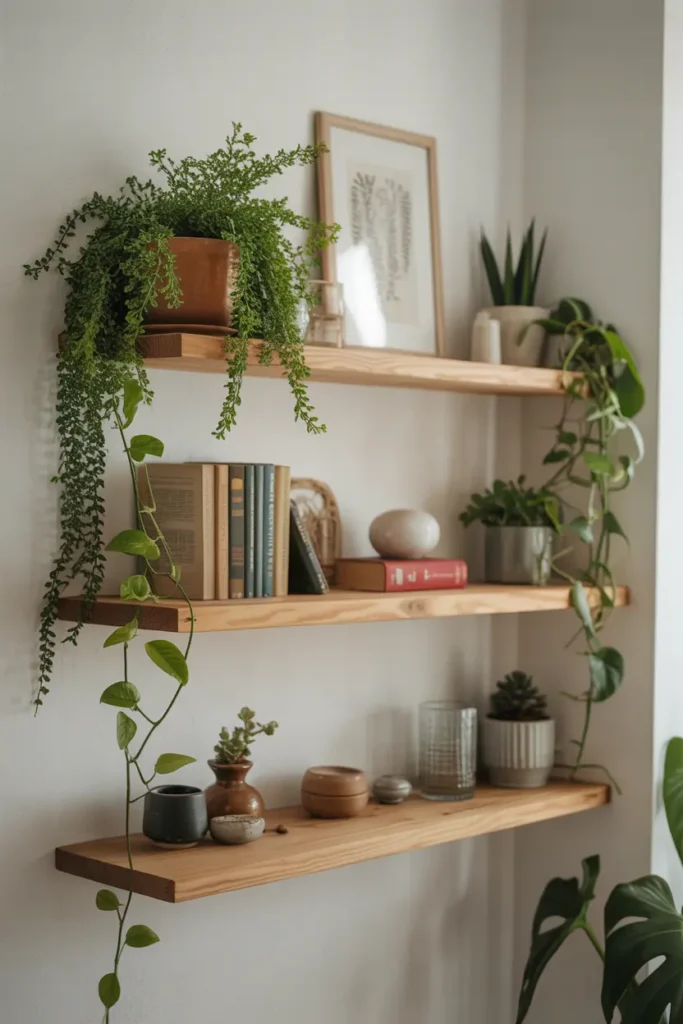
22. Use Floating Shelves Creatively
Floating shelves are blank canvases at eye level — style them with the discipline of a gallery: odd numbers, varying heights, breathing room, one beautiful object per shelf earning its place. Thick shelves (4cm+) read as crafted; thin ones read as flat-pack. Mount into studs; a loaded shelf on plasterboard fixings is a disaster in slow motion.
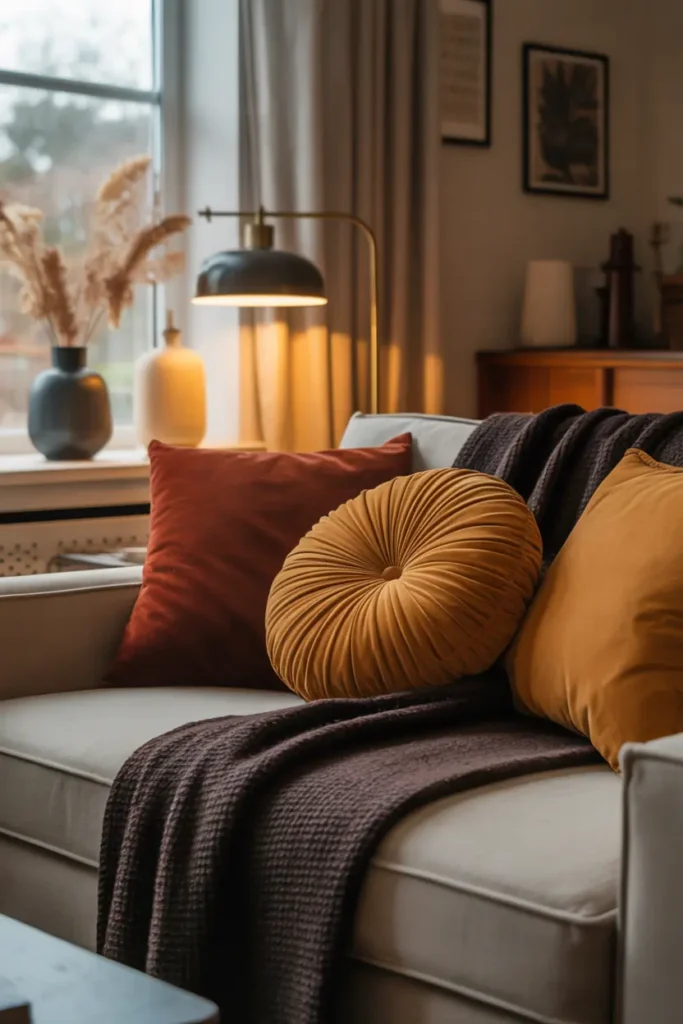
23. Refresh Soft Furnishings With Seasonal Swaps
The homes that always feel fresh aren’t redecorated — they’re rotated. Heavier textures and deeper tones in winter, lighter linens and brighter accents in summer. Store the off-season set out of sight so its return feels like shopping. Two sets of cushion covers and throws, swapped twice a year, keep a room feeling new indefinitely.
Conclusion
High-end isn’t a price point — it’s a set of decisions. The right light, the right scale, the right details, repeated consistently. None of these ideas costs much; all of them cost attention.
Pick the five that apply to your home and do them this month. Then notice how guests start asking who designed your place. That’s when you’ll know.
Pro Tips
- Sweat the details nobody names. Bulb temperature, curtain length, art height, hardware weight — these micro-decisions are what people feel but can’t articulate. Get them right and the room feels expensive; get them wrong and no amount of furniture fixes it.
- Repeat to look rich. One brass touch is an accident; three is a scheme. Repetition of any material, colour, or finish is the fastest way to make a room look designed rather than assembled.
- Light warm, always. 2700K everywhere, layered sources, dimmers where it matters. Warm light is the universal flatterer — of rooms, of furniture, of people.
- Edit like it costs money. Every object you remove raises the perceived value of what remains. Clutter is the tax cheap rooms pay; editing is how expensive rooms avoid it.
FAQs
What makes a home look expensive vs cheap?
Details and cohesion: correct lighting temperature, curtains at the right length and height, art hung at eye level, hardware with weight, a tight palette, and ruthless editing. Expensive-looking rooms are consistent; cheap-looking rooms are cluttered and mismatched — regardless of what was spent.
How can I make my bedroom look luxurious on a budget?
Add or fake a headboard, layer the bedding (sheets, duvet, throw, cushions in graduated sizes), switch to warm bedside lighting, and clear every surface except one styled vignette. These four moves transform most bedrooms for under £100.
What’s the one change with the biggest impact?
Lighting — specifically, switching every bulb to warm white (2700K) and adding layered sources. It’s the cheapest whole-house change and it flatters everything: colours look richer, textures deeper, and people better. Nothing else comes close per pound spent.
How do I mix high and low pieces without it looking random?
Unify with palette and finish: paint the cheap piece in a confident colour, repeat materials, and keep the overall scheme tight. One expensive-looking anchor (a good rug, a real art piece, quality lighting) elevates everything around it. Cohesion is what blends price points invisibly.

HowDecor is a home decor blog sharing simple, practical decorating ideas for everyday spaces. We believe a beautiful home should feel comfortable, personal, and full of warmth — and that great style does not require a huge budget. Our goal is to inspire readers to create spaces that feel peaceful, welcoming, and truly their own — one room at a time.