You don’t need a big budget to love your home — you need a weekend and a plan. I’ve helped friends transform rentals and first homes with almost no money, and the formula is always the same: the biggest visual changes come from the cheapest moves, done in the right order.
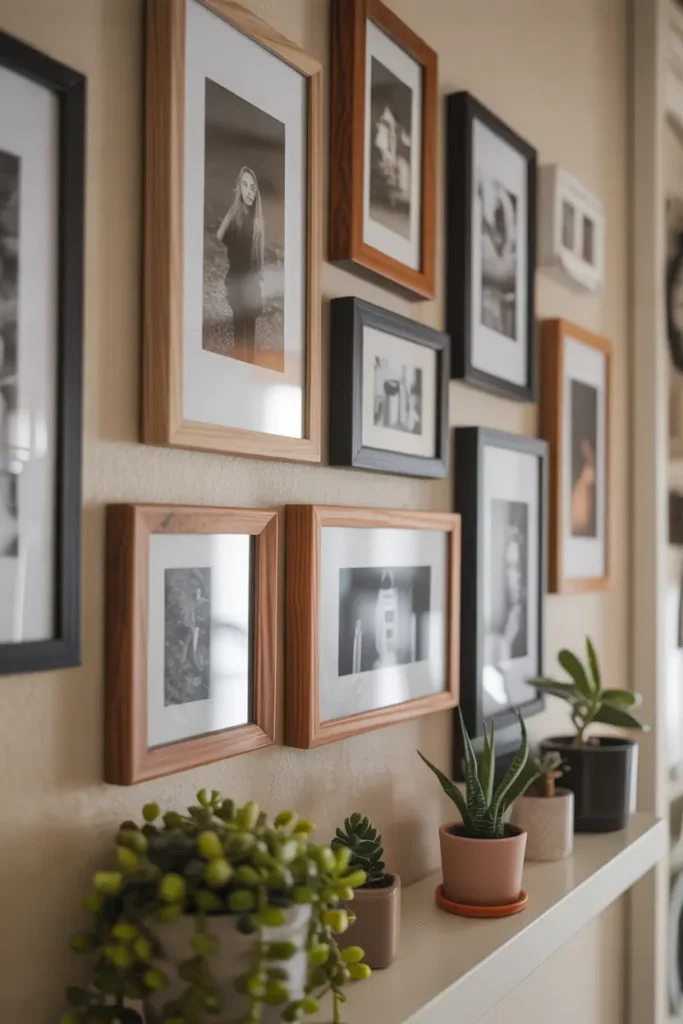
1. Add a Statement Wall Without Spending Much
One wall with intention changes a whole room. Peel-and-stick wallpaper, a bold paint colour, or even a creative arrangement of framed prints — the statement wall gives the eye a destination, and everything else in the room organizes itself around it.
It’s affordable, renter-friendly, and comes in hundreds of patterns. Even a gallery wall made with printed photos, thrifted frames, or hand-drawn art can turn a blank wall into a real focal point. Choose the wall you see first when you enter the room; that’s where the impact lives.
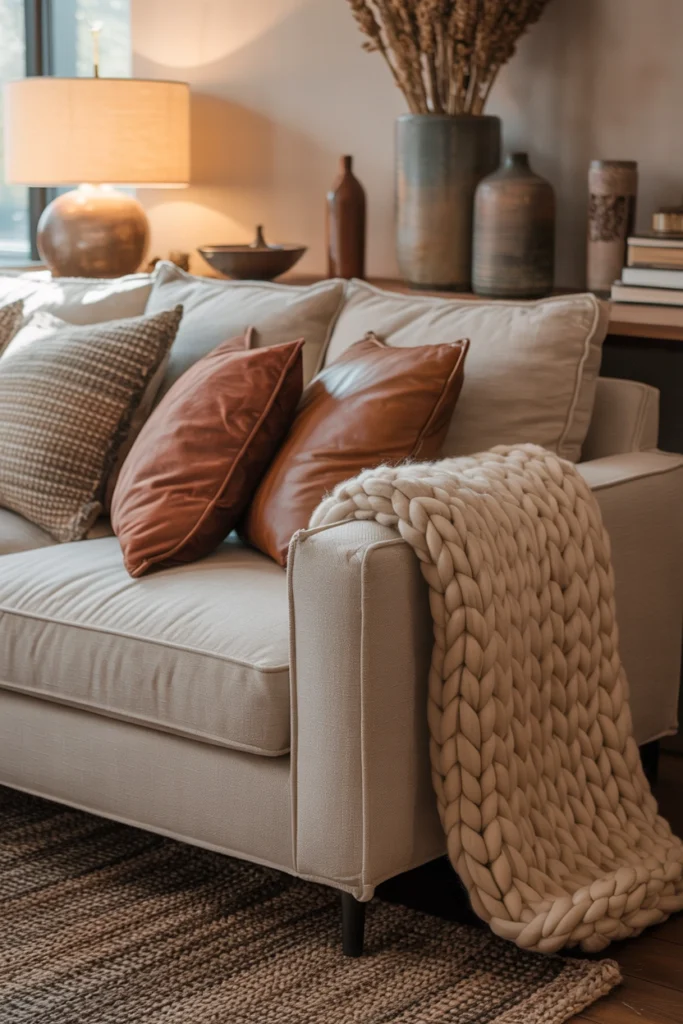
2. Use Throw Pillows and Blankets to Refresh Any Seating Area
Textiles are the fastest, cheapest room refresh in existence. New cushion covers and a throw in this season’s colours can make a five-year-old sofa look deliberate rather than tired. Mix textures — linen, knit, velvet — in three related tones, and avoid the matching-set look that screams “display suite.”
Buy covers, not cushions: the inserts last years, only the covers need updating. And go one size up on the insert (a 50cm insert in a 45cm cover) for the plump, expensive look.
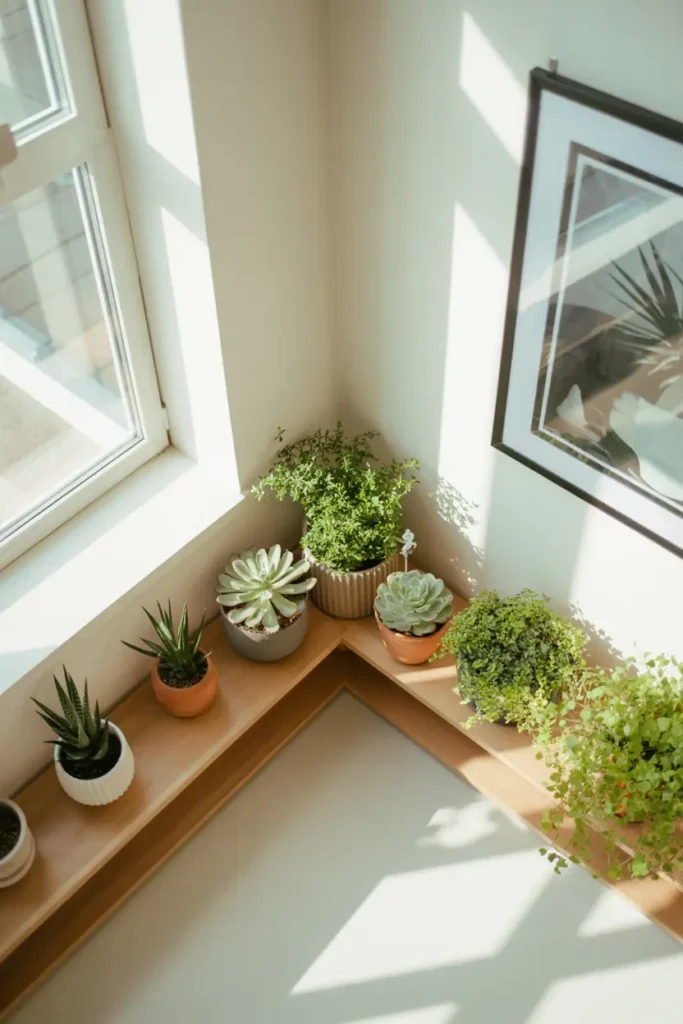
3. Bring in Some Greenery
A plant is the cheapest life you can add to a room. One large plant in an empty corner, or three small ones grouped on a shelf, adds colour, texture, and literal life. Snake plants and pothos survive almost anything; if you’ve killed plants before, start there and rebuild your confidence.
The pot matters as much as the plant — a £3 plant in a beautiful £12 pot looks like a £30 plant. Terracotta, textured ceramic, or woven baskets all beat plastic nursery pots instantly.
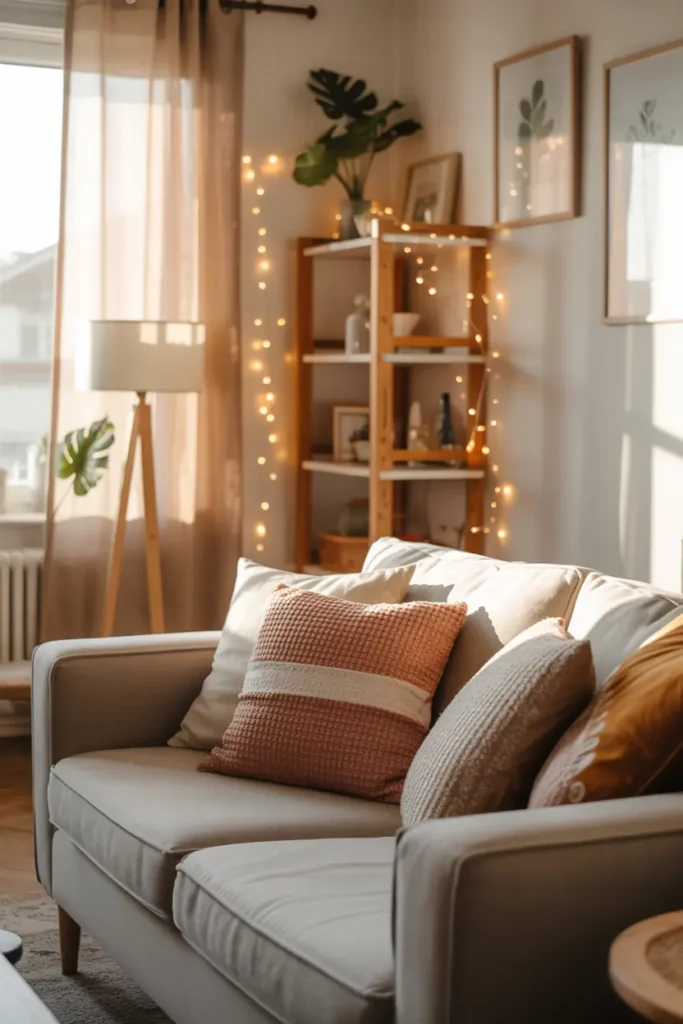
4. Upgrade Your Lighting on a Budget
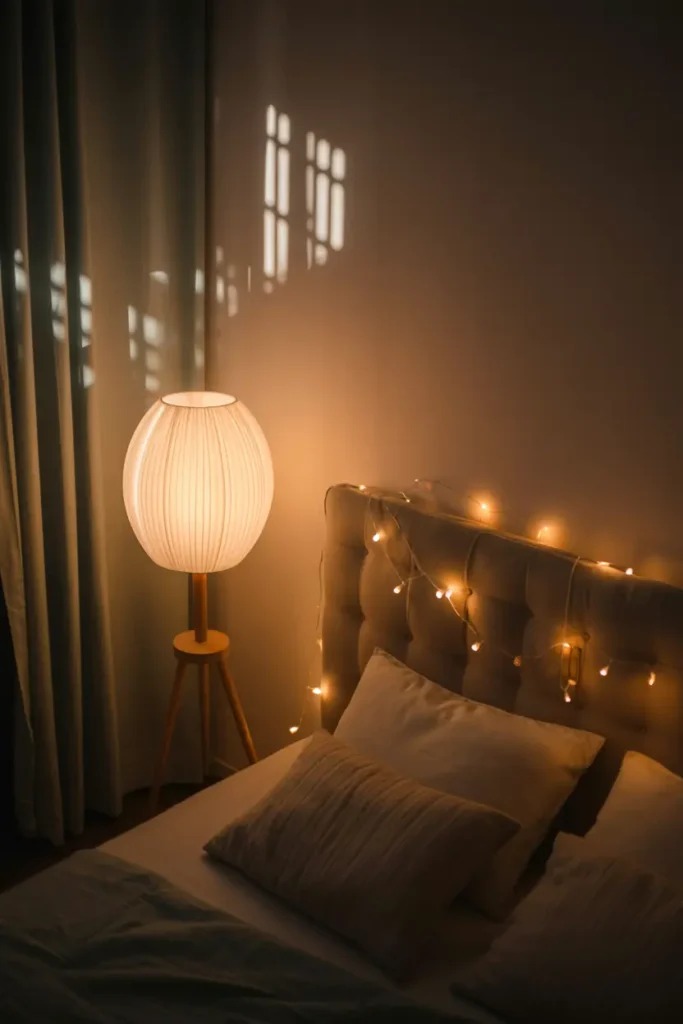
Swap every cool-white bulb for warm white (2700K) and the whole house softens overnight — it’s a £20 transformation. Then add one extra light source per room: a floor lamp in a dark corner, fairy lights on a shelf, candles on the table. Layered warm light is what makes rooms feel expensive; a single overhead bulb is what makes them feel cheap.
Thrift the lamps, buy the bulbs new. A £5 charity-shop lamp base with a new £12 shade and a warm LED looks like a £60 lamp — because at that point, it basically is one.
5. Rearrange Your Furniture for a New Feel
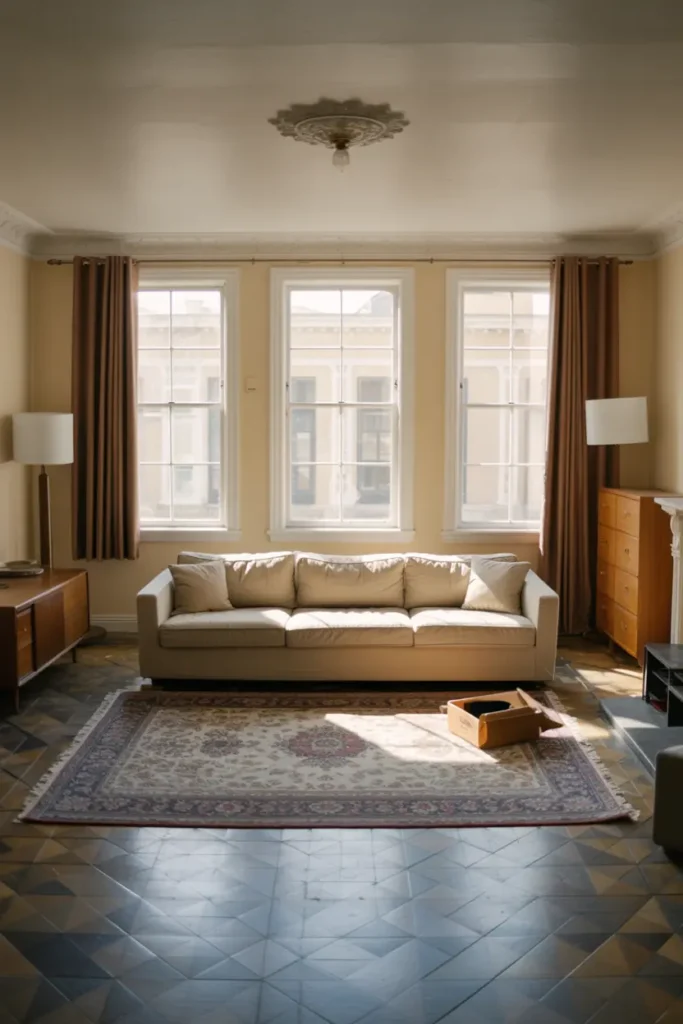
Move it all. Pull furniture off the walls, try the bed on a different wall, swap the living room and bedroom art. Your brain has stopped seeing the current layout, so any change reads as new. It’s free, it takes an afternoon, and it often reveals that the room’s problem was arrangement, not stuff.
6. Add Mirrors to Make Spaces Feel Larger
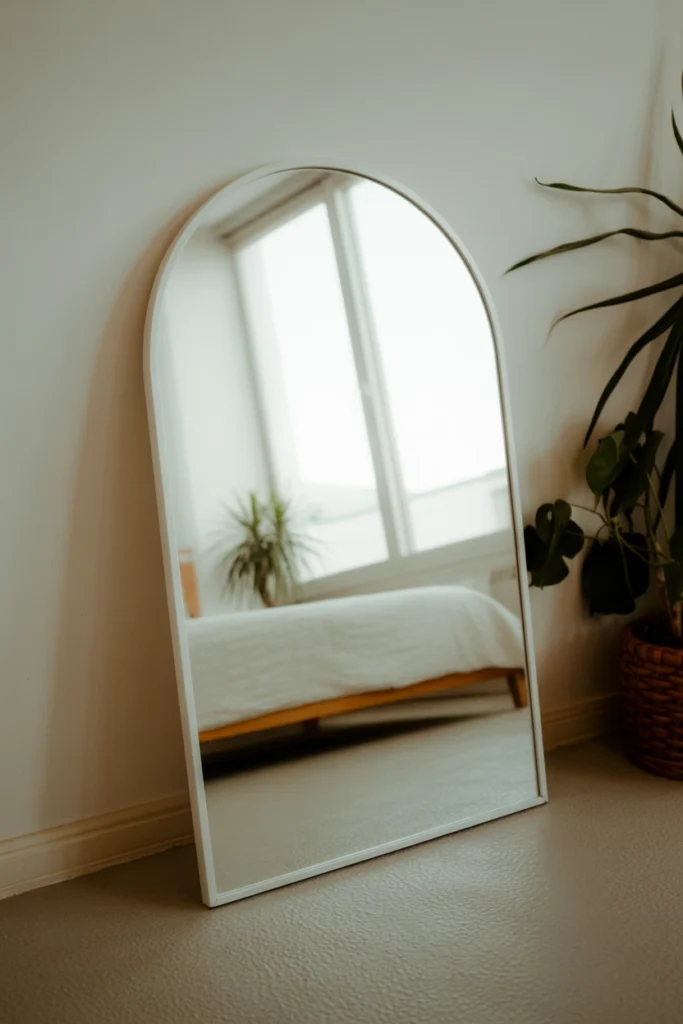
A mirror opposite or adjacent to a window doubles the light and the view — it’s the oldest space-expanding trick because it works. In dark rooms, a mirror reflecting a lamp doubles that too. Lean a large one against the wall for a relaxed look, or hang a round one to soften all the room’s rectangles.
Check what the mirror reflects before you hang it: a mirror showing a beautiful window doubles beauty; one showing a cluttered corner doubles clutter. Aim it deliberately.
7. Style Your Shelves Intentionally
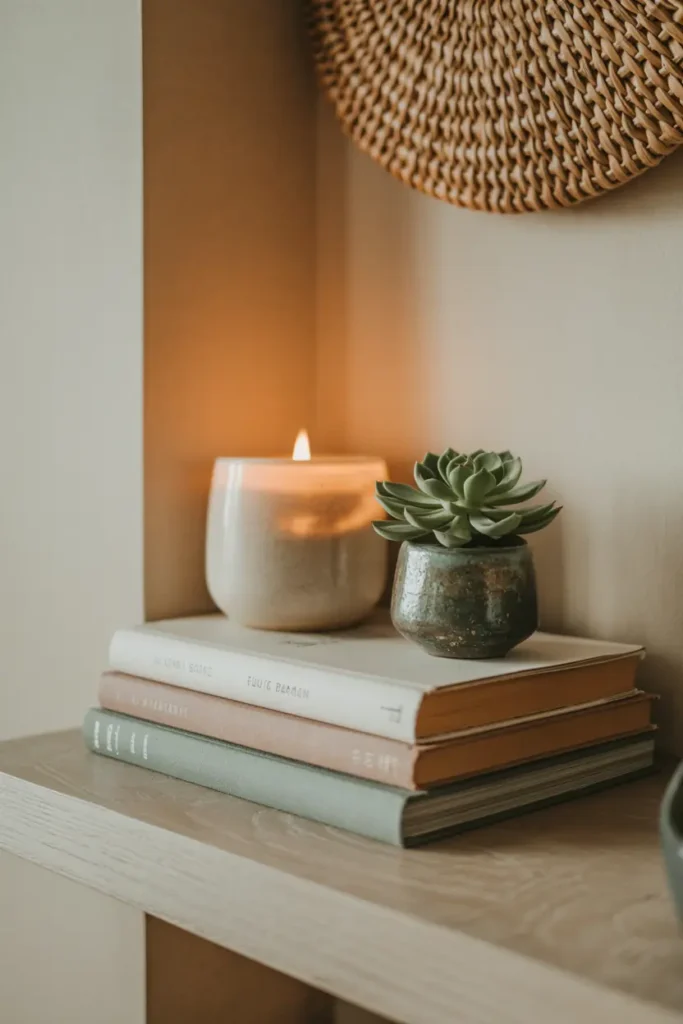
Empty the shelf completely, then put back half — grouped in odd numbers, varying heights, with a third of the shelf left empty. Books stacked horizontally make risers for small objects. The difference between “stuff on a shelf” and “styled shelf” is editing, and editing is free.
Give every shelf one job: books here, pretty things there, daily-use items near the kitchen. A shelf with a purpose stays tidy; a shelf without one becomes a junk drawer within a month.
8. Use Rugs to Define and Warm Up a Space
A rug anchors furniture, warms cold floors, and quiets echoey rooms — three jobs for one purchase. In open-plan spaces it also draws the invisible walls between zones. Size it so at least the front legs of seating sit on it; a floating rug that nothing touches looks lost.
Layer a small patterned rug over a large plain jute one for the designer look at half the price. And put a rug pad underneath — it stops slipping, adds cushioning, and makes even a thin rug feel substantial.
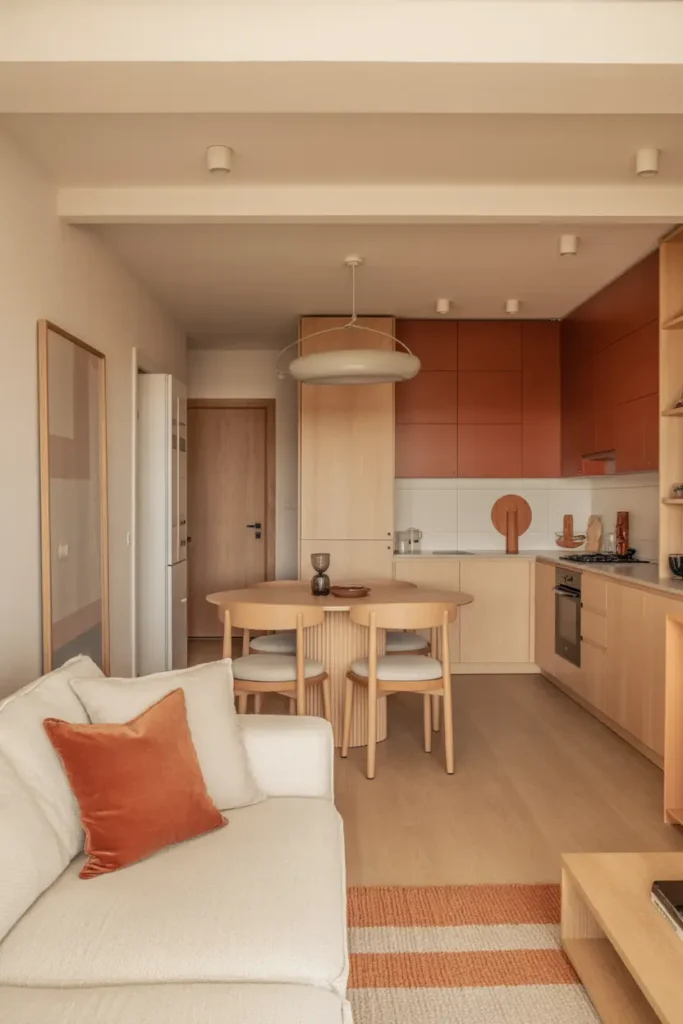
9. DIY Your Own Wall Art
Abstract brushstrokes in two colours, pressed flowers, a single bold line drawing — handmade art has a presence prints can’t match, because it’s one of one. You don’t need talent; you need fifteen brave minutes and the willingness to hang the result.
The frame does half the work: a simple black or natural wood frame makes almost anything inside it look intentional. Hang your piece at eye level (145cm to centre) and give it breathing room — small art lost on a big wall looks apologetic.
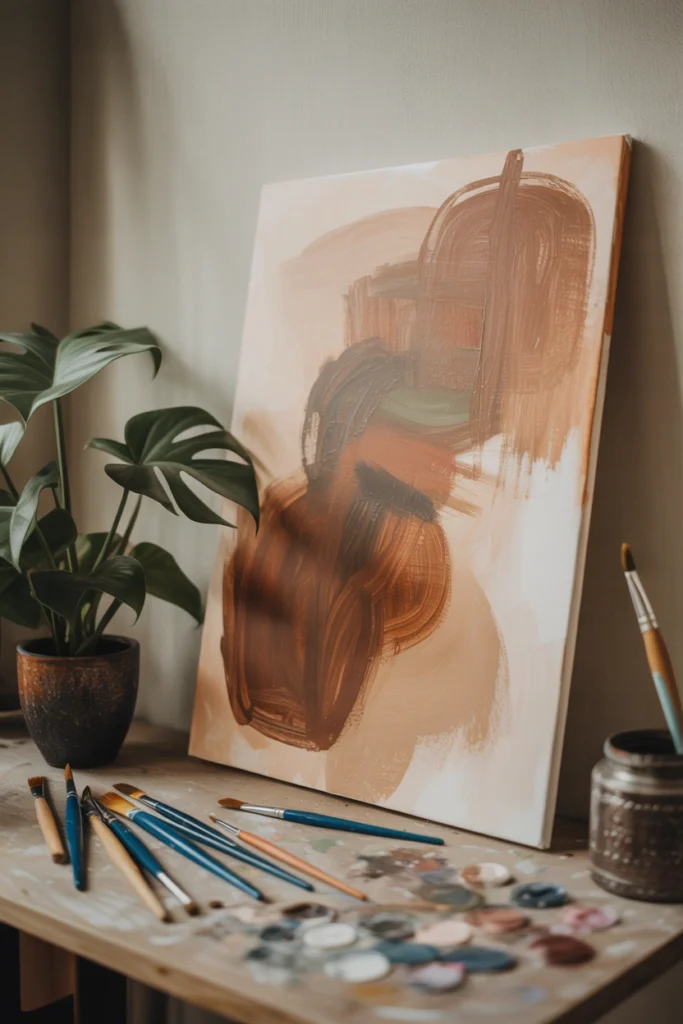
10. Declutter Before You Decorate
Decorating a cluttered room is like icing a burnt cake — fix the base first. Remove everything that doesn’t serve beauty or function, and be honest about the “maybe” pile. A decluttered room often needs no further decorating; the space and light you’ve uncovered were the design all along.
Do it room by room, completely, before buying a single new thing. Most people discover the room they wanted was hiding under the stuff — and the money they were about to spend stays in their pocket.
Conclusion
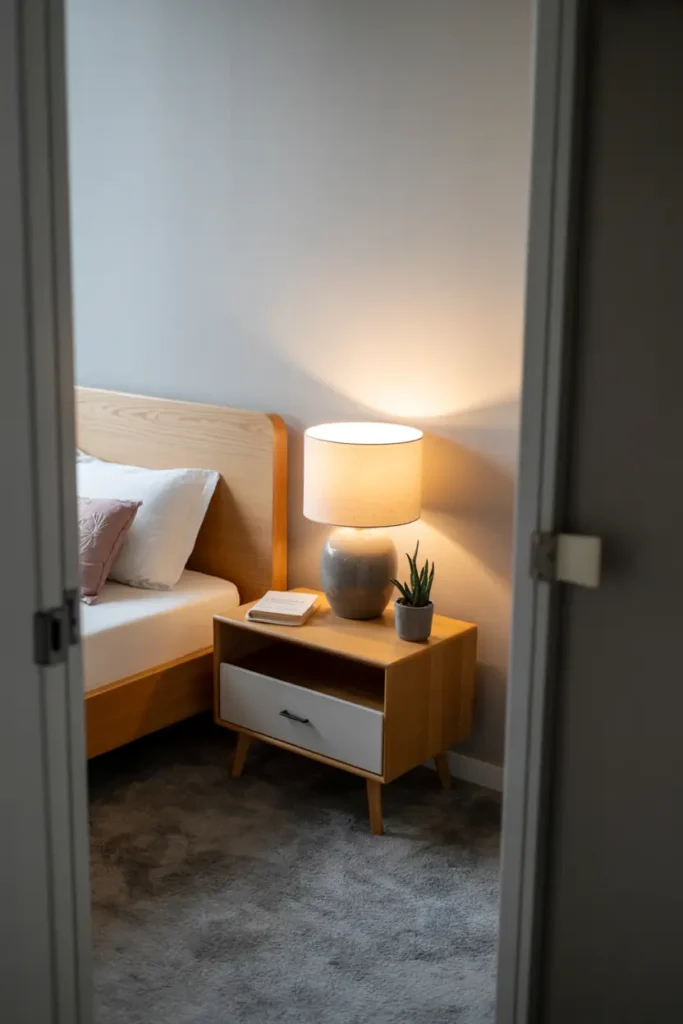
An upgraded room isn’t bought — it’s decided. Decide what each room is for, remove what fights that purpose, add light and life and a little intention, and the room transforms.
Start this weekend, with what you have. The best room makeovers begin with moving furniture, not buying it.
Pro Tips
- Follow the free-first rule. Rearrange, declutter, and restyle before spending anything. These three moves deliver most of the transformation for zero cost — spending first is the classic budget-decor mistake.
- Fix lighting before buying decor. Warm bulbs and one extra light source per room flatter everything, including the things you already own. Bad lighting makes good decor look bad.
- Thrift the bones, buy the consumables new. Solid wood, brass, ceramics, and frames are better secondhand; bulbs, paint, and textiles are better new. This split gets you maximum quality per pound.
- Finish one room completely. A single finished room proves the method works and motivates the rest. Three half-done rooms just feel like mess with aspirations.
FAQs
What’s the cheapest way to make a room look better?
Rearrange the furniture and declutter — both free, both transformative. Then swap all bulbs to warm white LEDs. These three moves cost under £20 total and change a room more than most shopping trips.
How can I decorate a rental without losing my deposit?
Stick to removable changes: peel-and-stick wallpaper, washi tape designs, freestanding furniture, rugs, textiles, plants, and art hung on existing hooks or adhesive strips. Avoid painting, drilling, and anything that marks walls — and photograph everything before you move in.
Where’s the best place to find cheap home decor?
Charity shops and flea markets for unique quality pieces (wood, brass, ceramics, frames); online marketplaces for furniture; discount stores for textiles and basics. Go often, buy when you see it — the good secondhand pieces don’t wait around.
How do I make cheap decor not look cheap?
Cohesion: one palette, repeated materials, ruthless editing. Cheap looks come from clutter and clashing, never from price tags. Good warm lighting and correct scale (curtains high, art at eye level, rugs big enough) read as expensive at any budget.

HowDecor is a home decor blog sharing simple, practical decorating ideas for everyday spaces. We believe a beautiful home should feel comfortable, personal, and full of warmth — and that great style does not require a huge budget. Our goal is to inspire readers to create spaces that feel peaceful, welcoming, and truly their own — one room at a time.