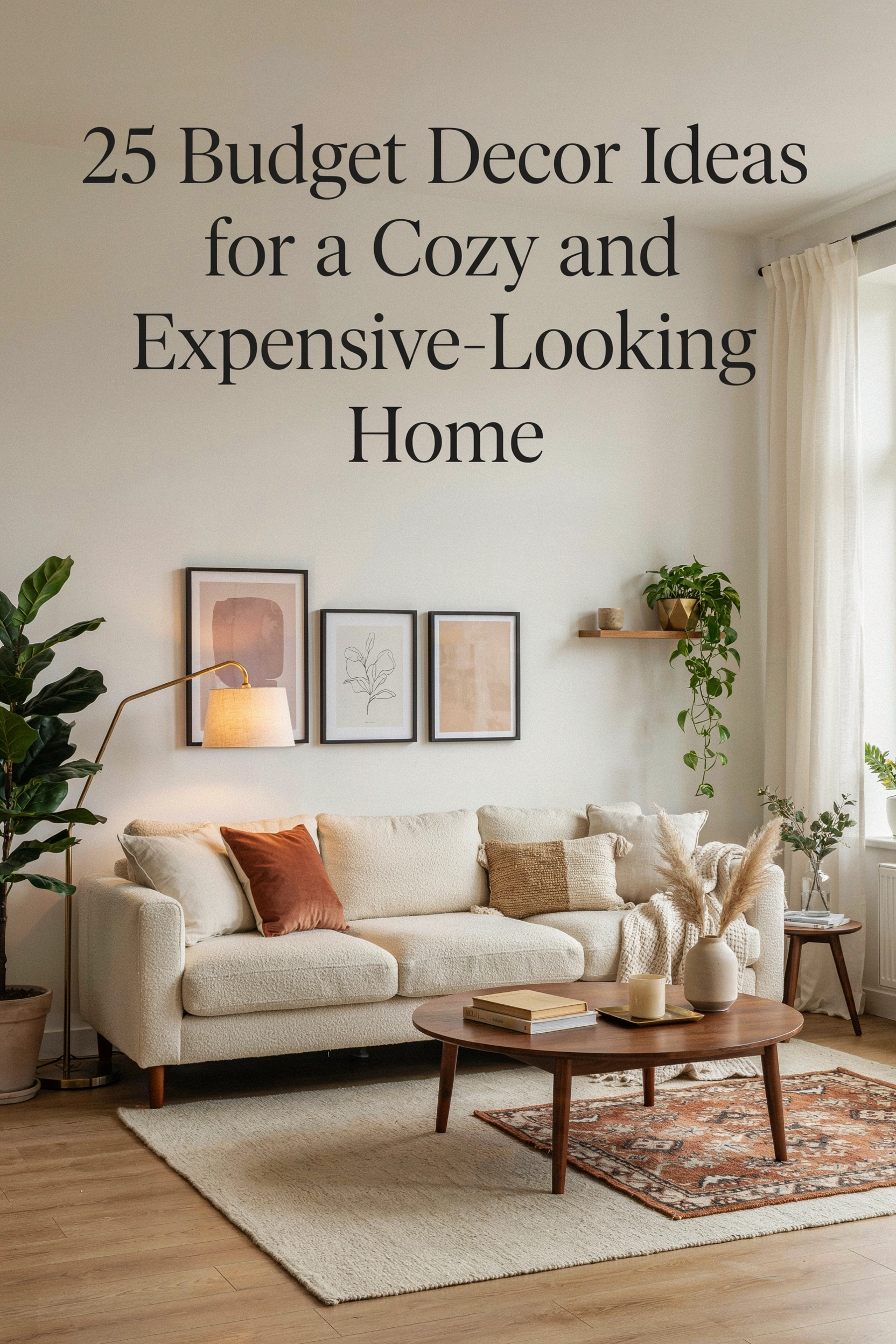
There’s a particular feeling to walking into a home that looks expensive — everything seems considered, layered, calm. Here’s the secret stylists know: that feeling has almost nothing to do with price tags. It comes from depth, texture, and restraint. A £20 room styled with those three things beats a £2,000 room without them.
I’ve styled homes for photoshoots on shoestring budgets for years, and the tricks are remarkably consistent. These 25 ideas are the ones that create the cozy-expensive feeling — warm, layered, considered — without the spending that usually comes with it. They’re practical, they’re specific, and they work together to make your home feel cozy and expensive at the same time.
Think of this list as a styling system, not a shopping list. The magic is in the combination — paint plus textiles plus light plus editing. Any one idea helps; five together transform.
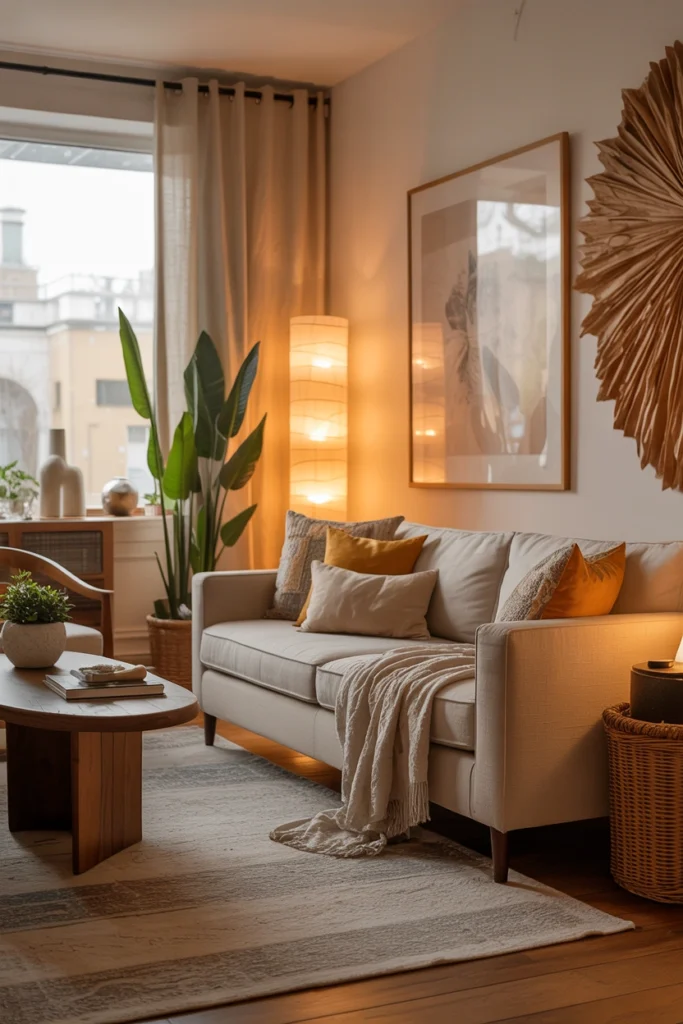
1. Paint Your Walls a Deeper, Richer Tone
Pale walls are safe; deep walls are luxurious. A rich, enveloping wall colour — deep green, warm charcoal, cocoa, inky navy — makes everything in front of it look more expensive, the way a dark frame flatters a painting. Start with one room, ideally the living room or bedroom, and commit fully: skirting, walls, and ceiling in the same depth for the cocoon effect.
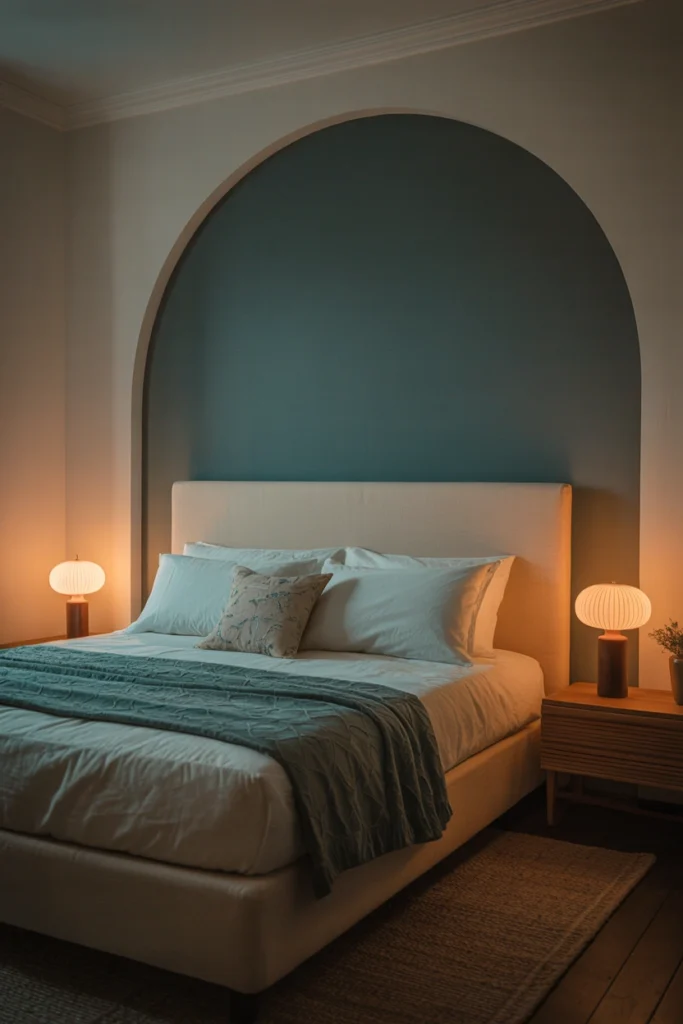
2. Layer Your Textiles for Depth and Warmth
A room with a single flat layer of fabric, one type of cushion, one plain blanket, tends to feel thin and underdeveloped. Layering different textures together is what creates that rich, considered look that expensive homes seem to have effortlessly. Try a linen sofa cover with velvet cushions, a cotton throw over a chunky knit blanket, or a jute rug layered under a smaller printed one. The individual pieces can be inexpensive. The combination is what does the work.
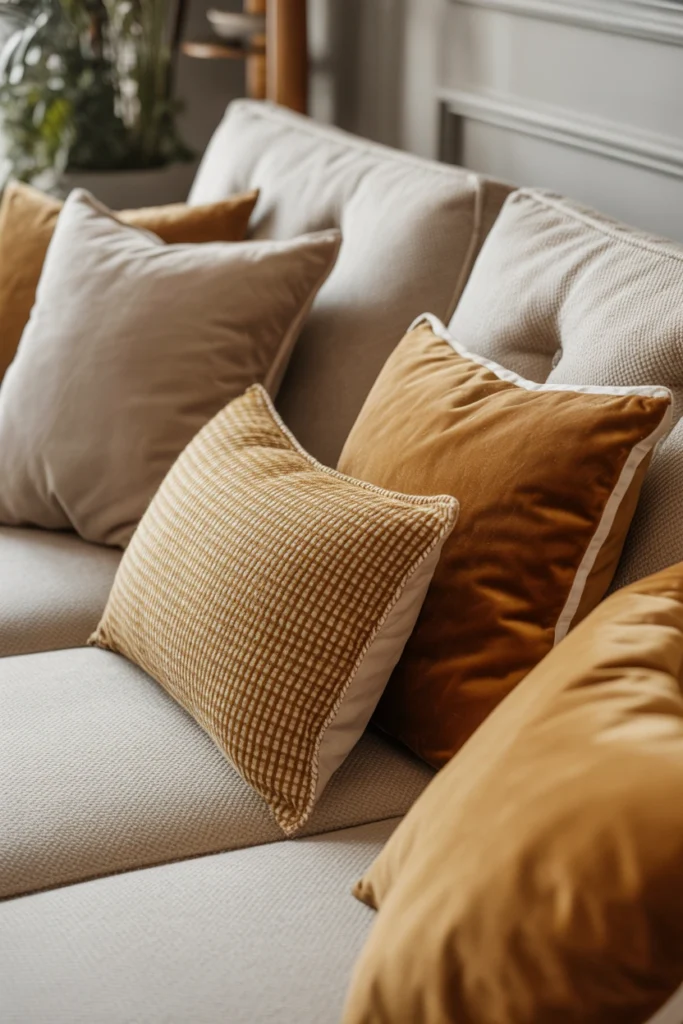
3. Invest in One Good Lamp
One beautiful lamp beats five mediocre ones. A sculptural table lamp or a proper arc floor lamp becomes the room’s jewelry — the thing the eye goes to, the thing that says “someone chose this.” Spend your lighting budget on one statement piece and keep the rest simple; the contrast makes the good one look even better.
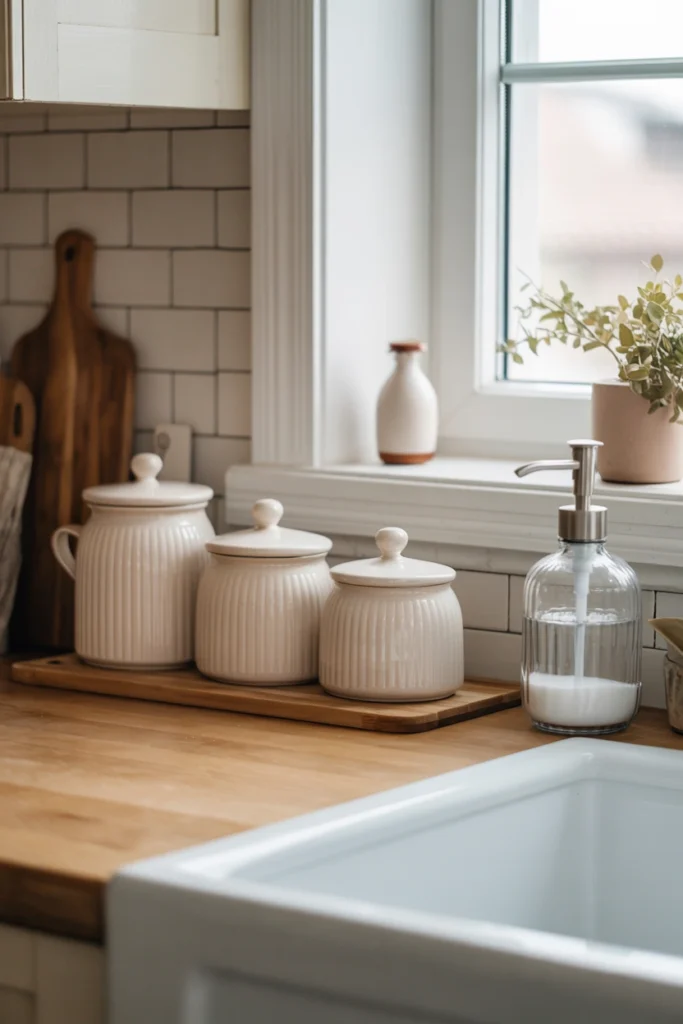
4. Decant Everything in the Kitchen and Bathroom
Nothing says “expensive hotel” like decanted toiletries and dry goods. Matching dispensers in the bathroom and uniform jars in the kitchen remove visual noise — all those clashing labels and plastic bottles — and replace it with calm. It’s a £30 transformation that affects rooms you use every single day.
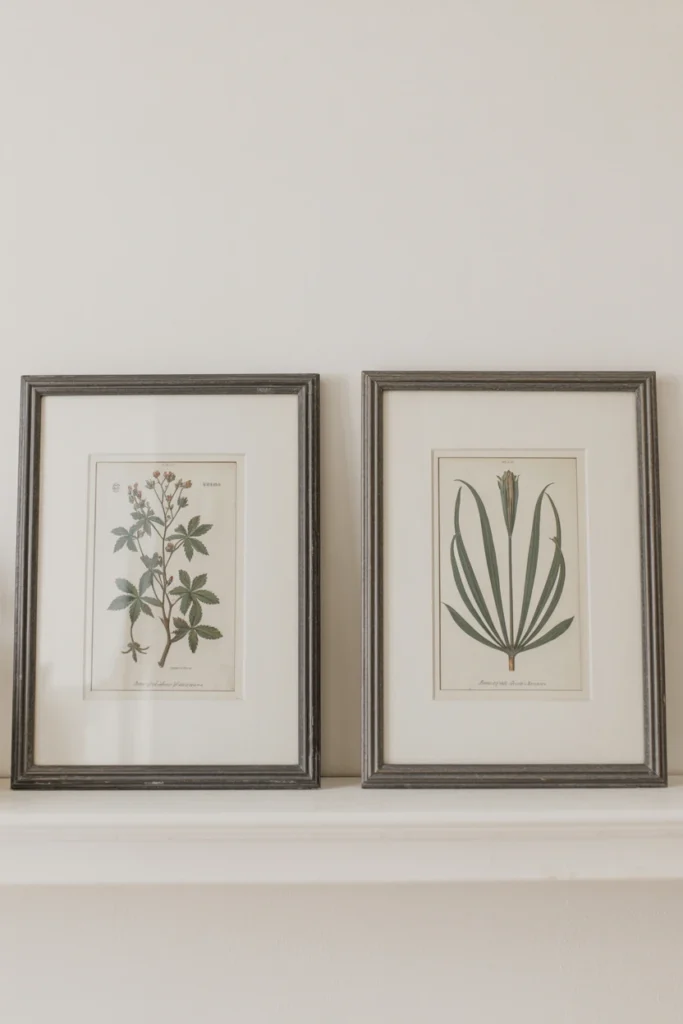
5. Use Botanical Prints as Affordable Art
Vintage botanical prints have the quiet authority of old money — they’ve decorated elegant homes for centuries, and good reproductions cost almost nothing. Buy a set of four or six in matching simple frames and hang them as a grid. The repetition is what makes them look curated rather than random.
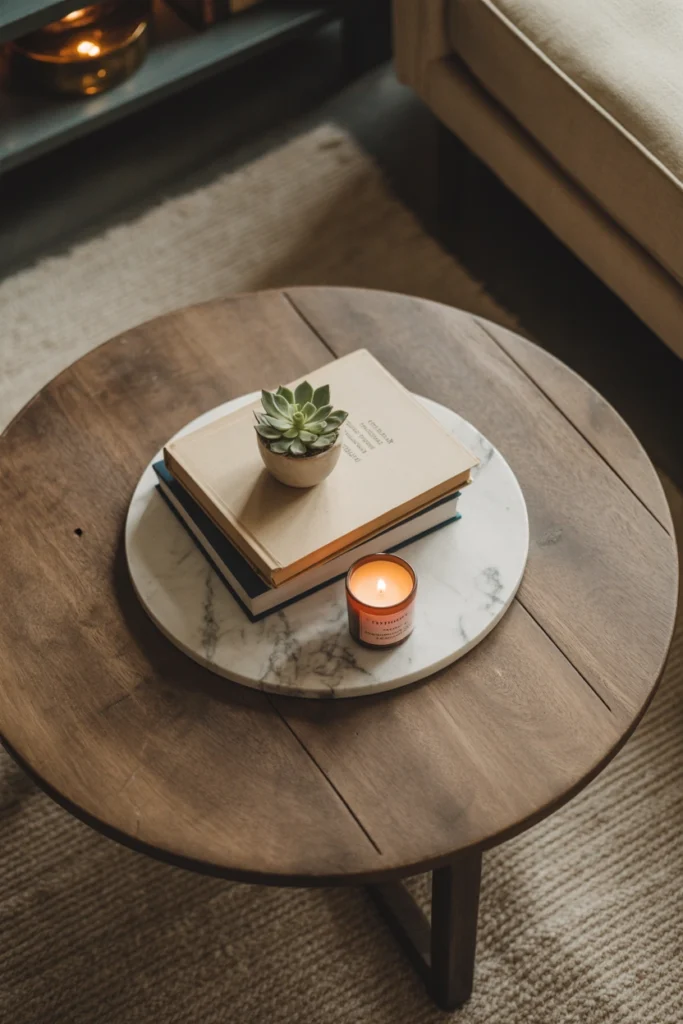
6. Style Your Coffee Table Like a Vignette
The coffee table is the room’s still life: a stack of two or three beautiful books, one sculptural object, one small plant or candle, and a tray to hold it together. Edit ruthlessly — the difference between styled and cluttered is three objects. Leave space around the vignette; the empty table surface is part of the composition.
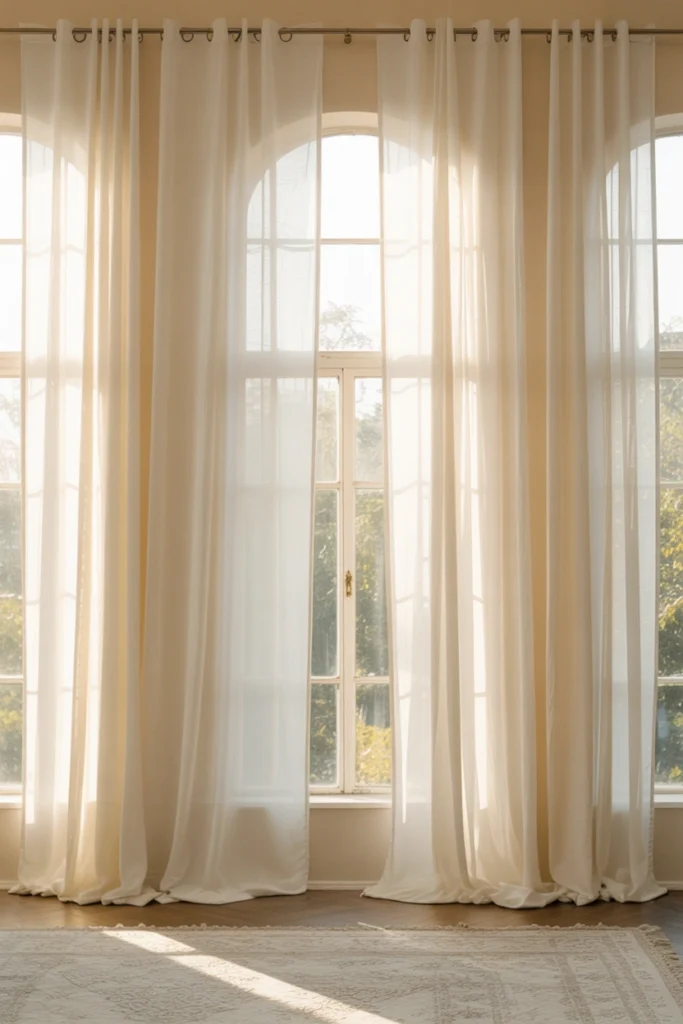
7. Hang Curtains High and Wide
This trick never stops working: mount the curtain rod 15–20cm above the frame and extend it 20–25cm beyond each side, then hang floor-length curtains. The window appears twice its size, the ceiling appears higher, and the whole room gains a tailored, expensive feel. It’s the single best £60 you’ll spend on any room.
8. Add a Large Mirror
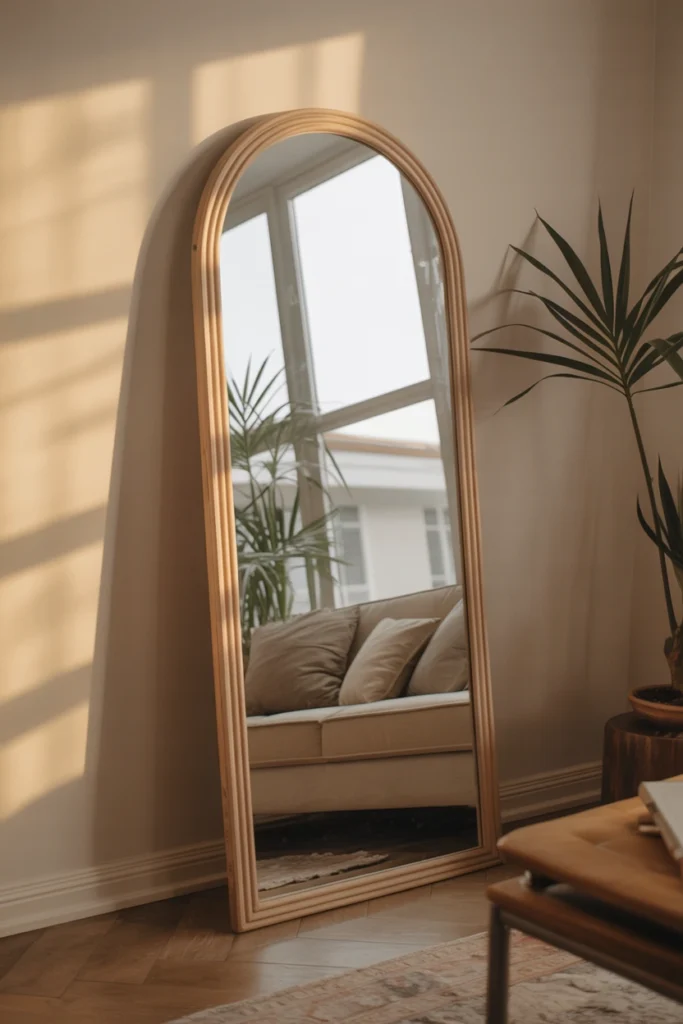
A large mirror does the work of a window in spaces that don’t have enough natural light, and it adds a decorative anchor that smaller objects simply can’t provide. Lean a tall mirror against a wall for a casual, contemporary feel. Hang a round statement mirror above a console or sideboard. The frame matters: look for interesting shapes, aged gold finishes, rattan edges, or clean minimal profiles depending on your style. Secondhand shops frequently have mirrors with genuinely beautiful frames at very low prices — the glass is almost always fine, it’s the frame you’re buying.
9. Create Zones With Rugs
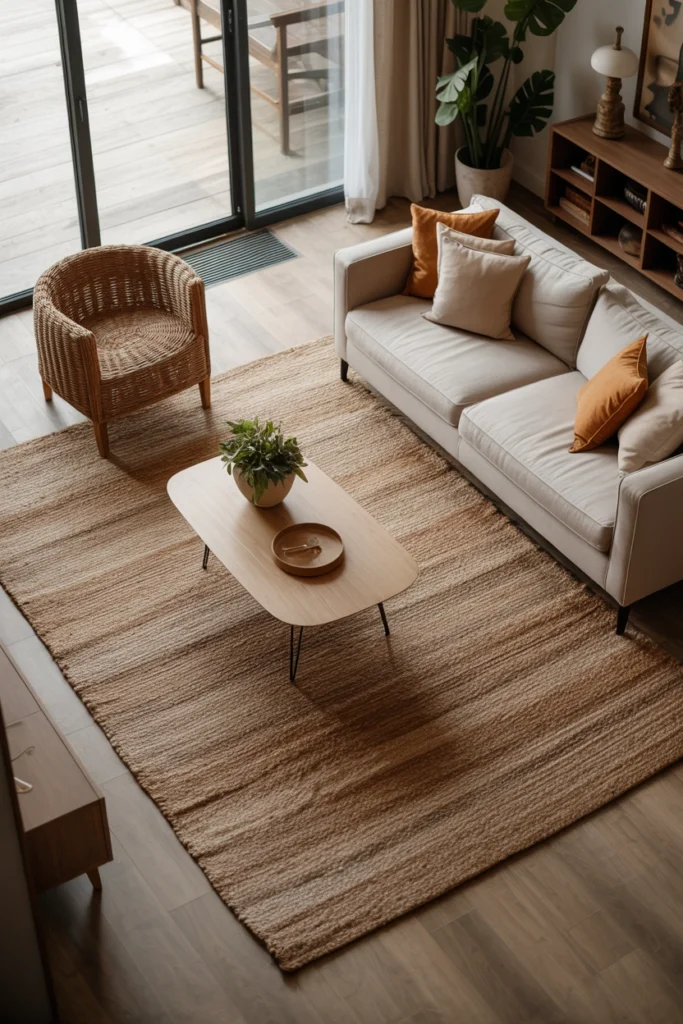
In open-plan living, rugs are the walls you don’t have to build. One rug defines the seating area, another the dining zone, and suddenly the big room has architecture. The rugs should relate — same palette, different patterns, or same pattern family — or the zones will feel like separate rooms that happen to share a floor.
10. Build a Gallery Wall With Meaning
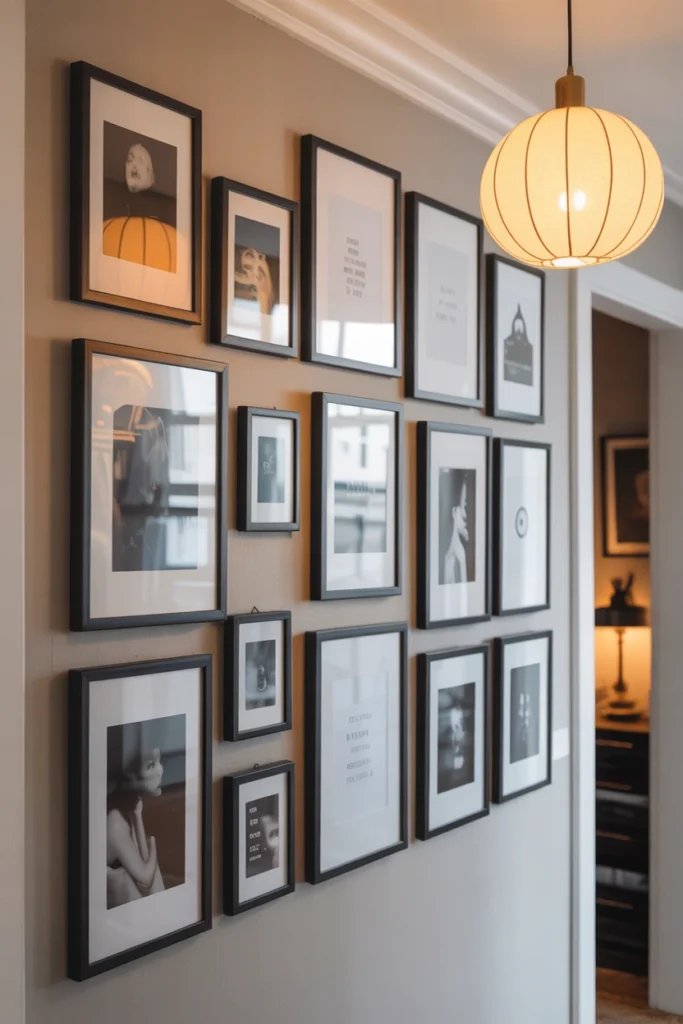
The gallery walls that look expensive aren’t random — they tell a story. Family photos in matching frames, a collection of prints from one trip, a series by one artist. The meaning is what separates them from a scatter of sale-bin art. Plan it on the floor first, photograph the arrangement, then hang. Start from the centre outward.
11. Introduce Warm Metallic Accents
Brass, aged gold, warm bronze — metallics are the jewelry of interiors, and a few warm metallic touches lift an entire room. Picture frames, lamp bases, cabinet handles, a mirror frame: pick two or three, keep them in the same metal family, and let them glint. Cool chrome reads as office; warm metals read as home.
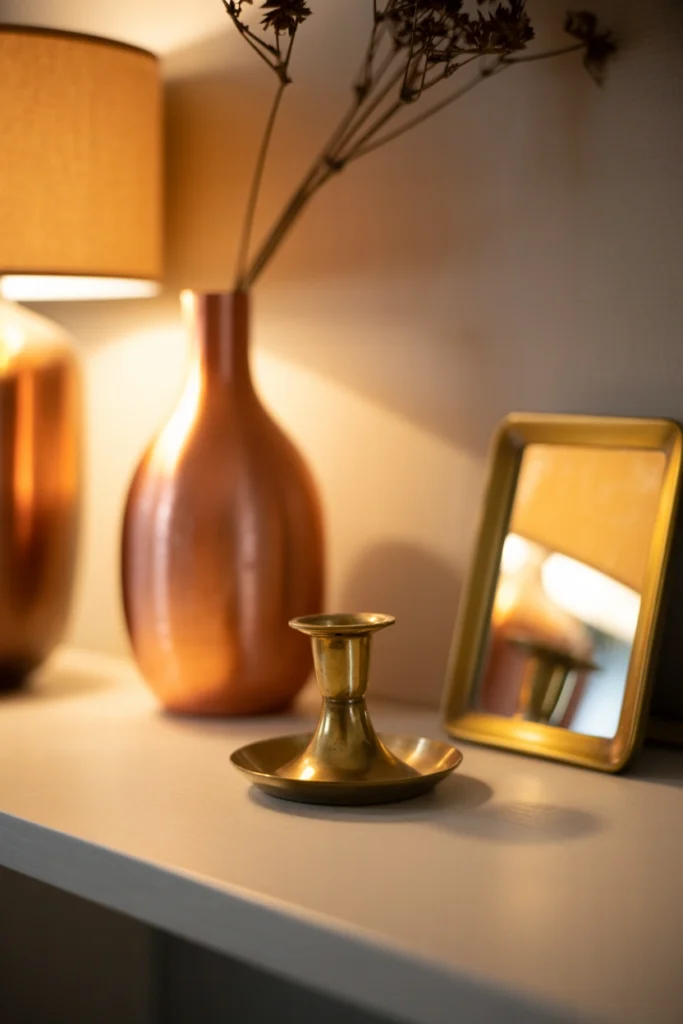
12. Use Dried Flowers and Stems
Dried flowers are the stylist’s secret weapon: they last for months, they cost a fraction of fresh, and they bring sculptural, organic shapes into a room. Pampas grass, dried eucalyptus, lunaria, wheat — arrange them tall and loose in a beautiful vase. One dramatic arrangement beats three small fussy ones.
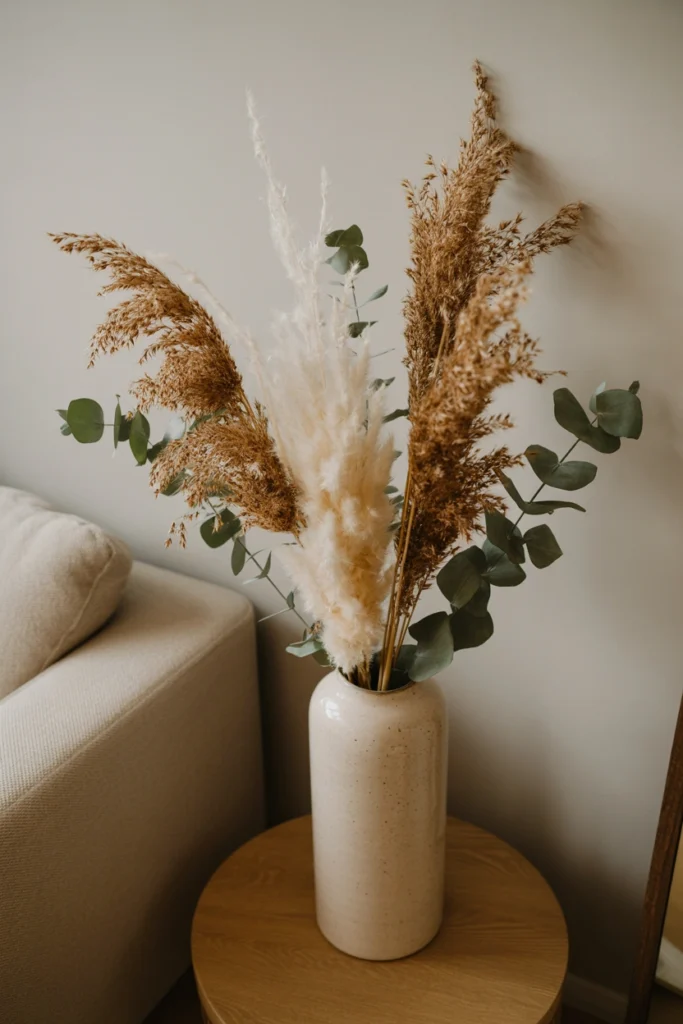
13. Declutter With Intention
Expensive-looking rooms aren’t empty — they’re edited. Every object has earned its place. Walk each room with a box and remove everything that doesn’t serve beauty or function; live without it for a week. What you don’t miss doesn’t come back. The remaining pieces instantly look more valuable with room to breathe.
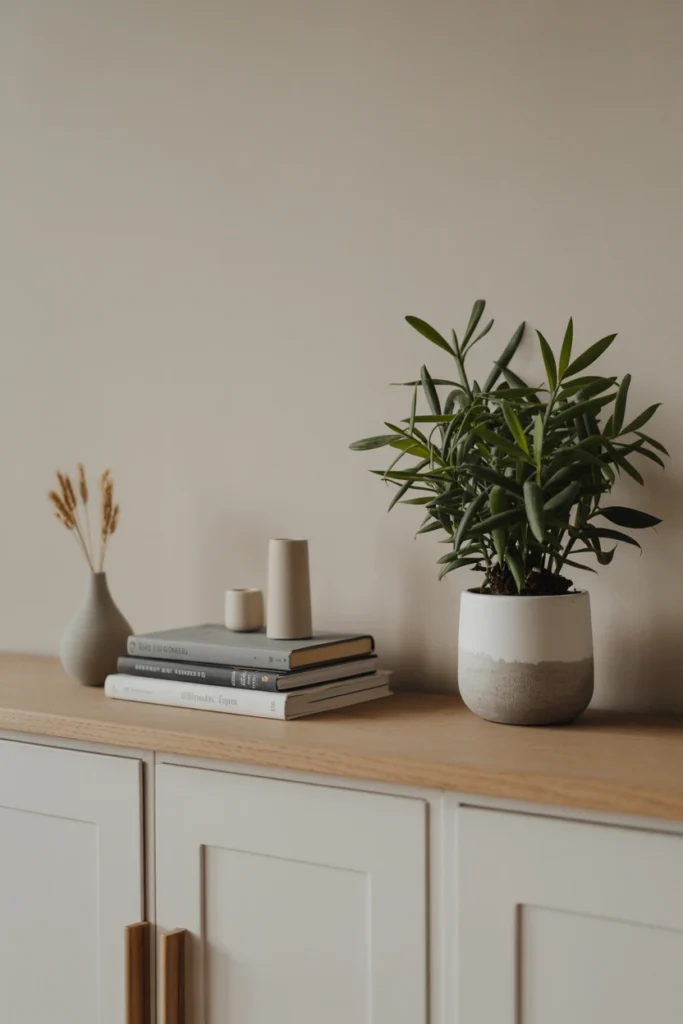
14. Make Your Bed Like a Hotel
The hotel bed formula: crisp white or natural bedding, sleeping pillows plus two Euro shams plus two accent cushions, a folded throw across the foot. It takes four minutes and it transforms the bedroom more than any furniture purchase. The secret is the layers — a flat bed looks unfinished no matter how expensive the sheets.
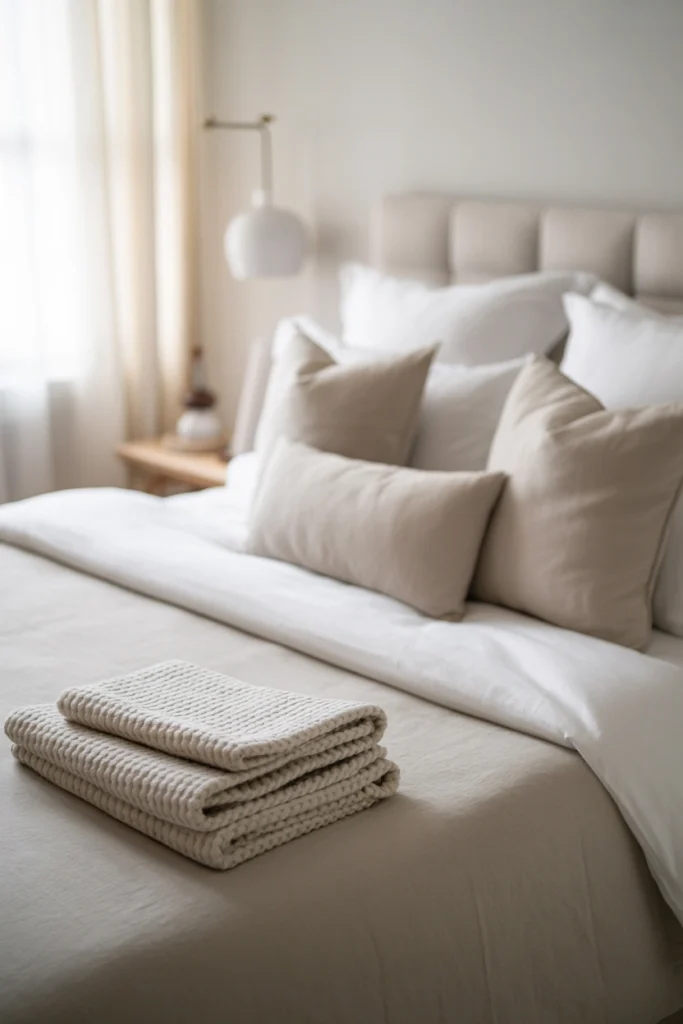
15. Add Indoor Plants in Interesting Vessels
It’s not just the plant — it’s what it’s in. A £5 pothos in a handmade ceramic pot looks like a £50 plant; a £50 plant in a plastic nursery pot looks like £5. Invest in the vessels: textured ceramics, woven baskets, aged terracotta. Group plants in odd numbers at varying heights for a collected, conservatory feel.
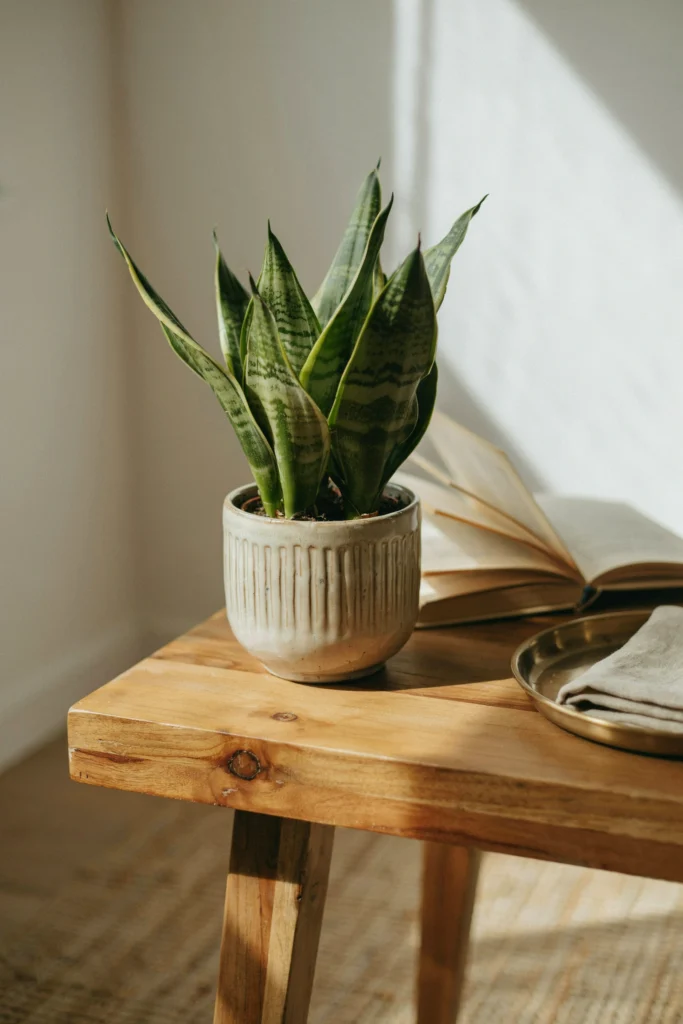
16. Create a Reading Corner
A proper reading corner — comfortable chair, good lamp, small side table, soft throw — signals a home that’s lived in with pleasure. It doesn’t need much space; a corner by a window will do. The lamp is the critical piece: warm, directional, at shoulder height when seated. A reading corner with bad light is just a chair.
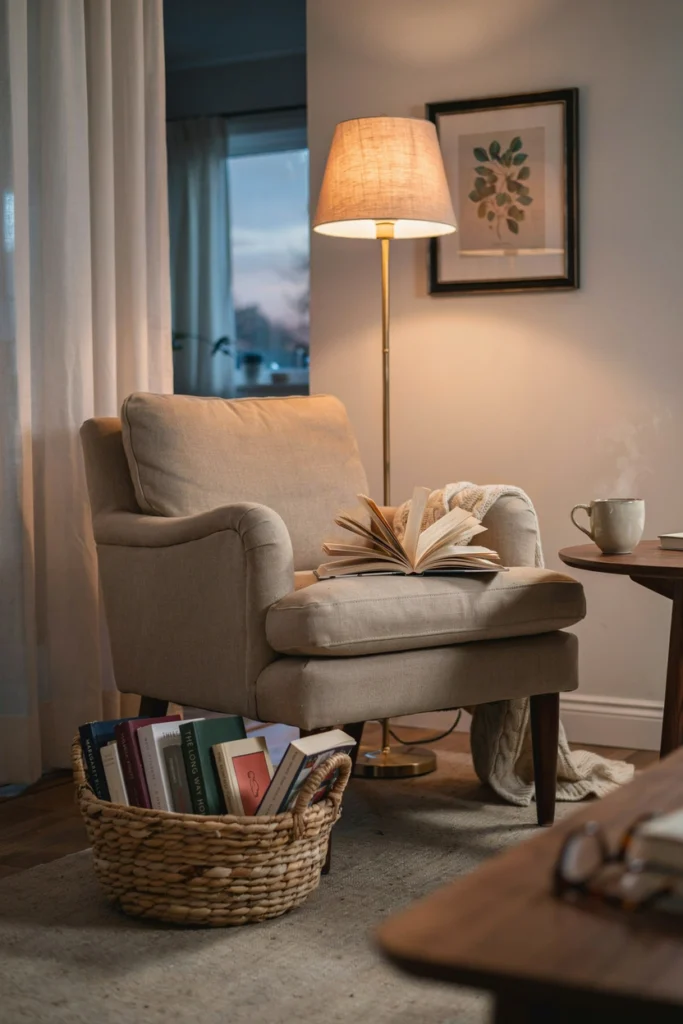
17. Style Your Windowsills
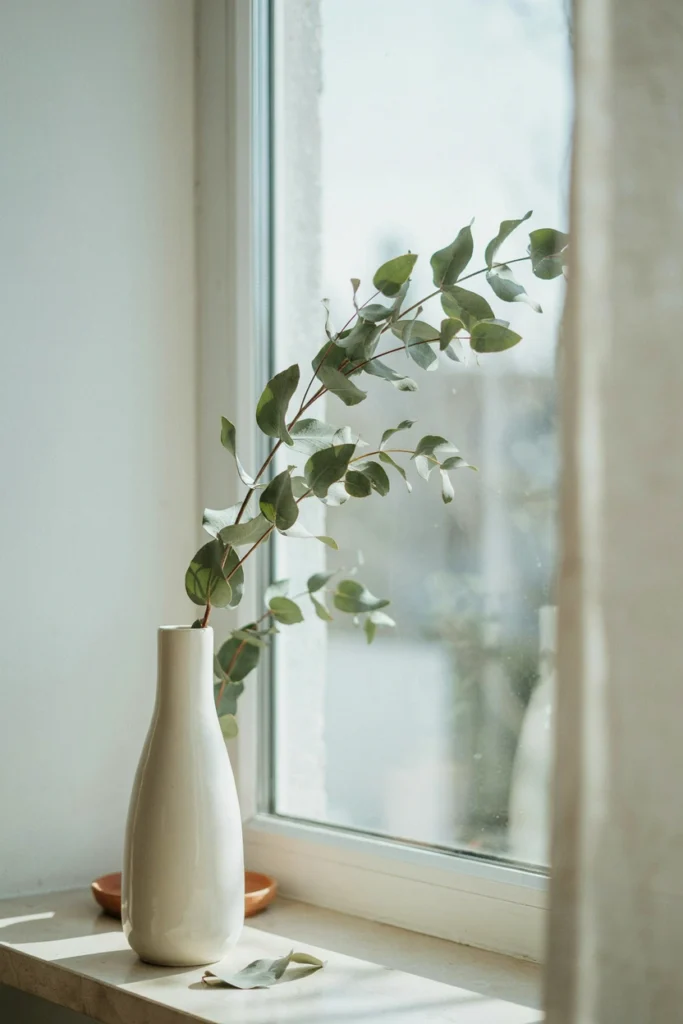
Windowsills are the most overlooked styling surface in the house. A row of small plants, a collection of glass bottles catching the light, a single sculptural object — the sill is a natural stage with the best lighting in the room. Keep it simple: the view outside is part of the composition, so don’t block it.
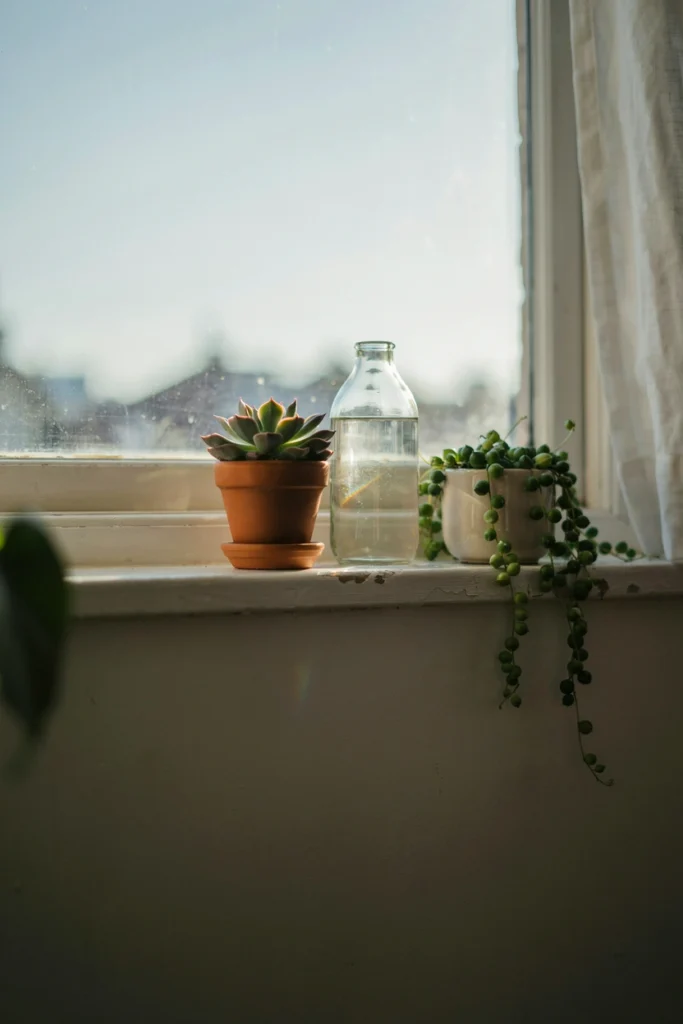
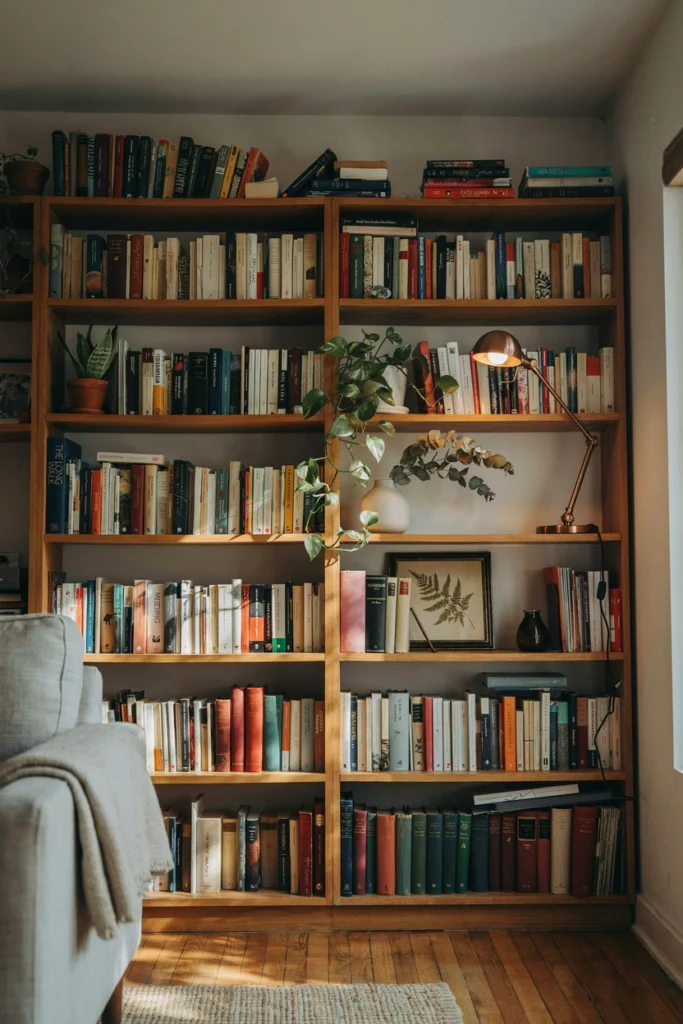
18. Use Books as Decor
Books are the original luxury decor — they’ve signaled a considered home for centuries. Stack them as risers, line them by colour for visual calm (or by size for intellectual credibility — choose your tribe), leave a beautiful one open on a stand. Even a small, well-chosen shelf of books adds depth no accessory can match.
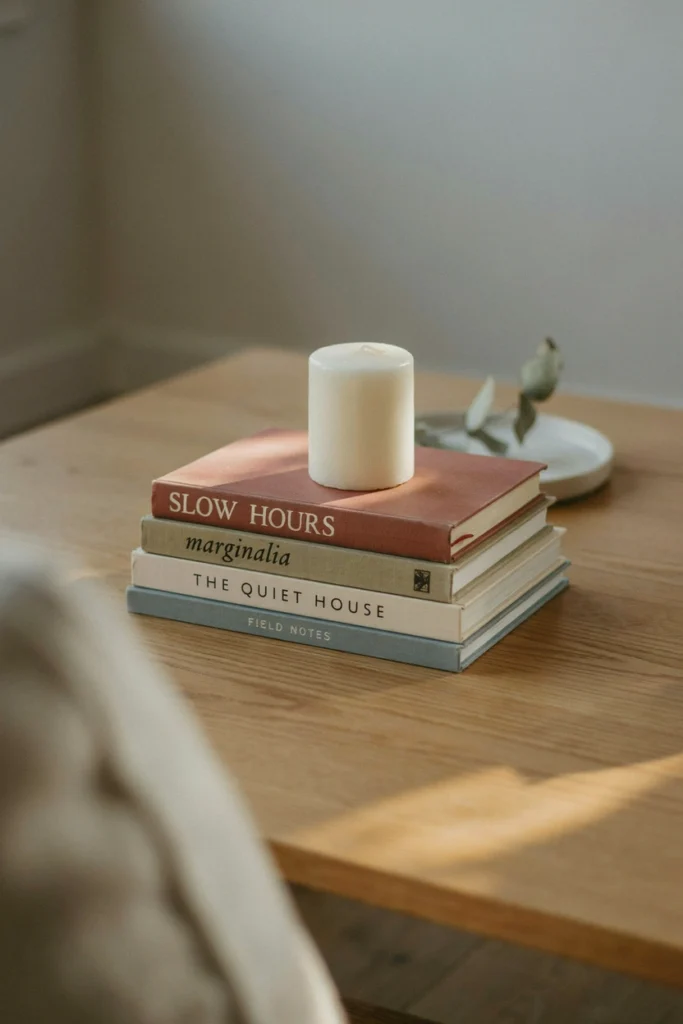
19. Add Crown Molding or Stick-On Architectural Details
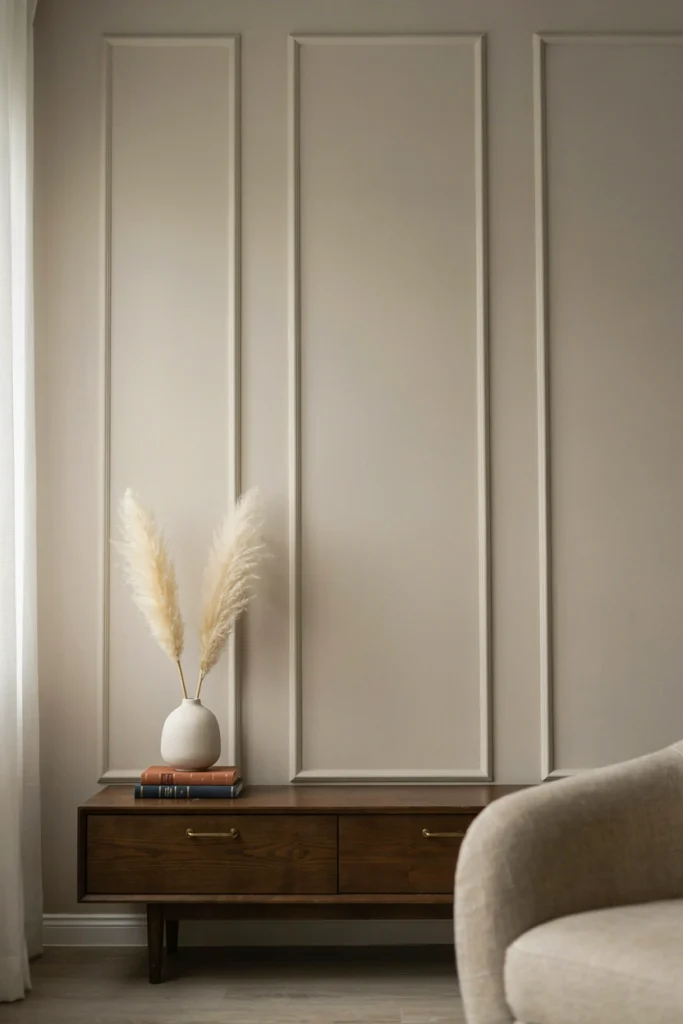
Architectural detail reads as expensive because it used to be expensive. Modern stick-on crown molding, panel moulding kits, and ceiling roses give flat modern rooms the bones of period homes for very little money. Paint everything — moulding, wall, ceiling — in one colour for the seamless, high-end look; contrasting white trim is what dates it.
20. Upgrade Your Door Handles and Switch Plates
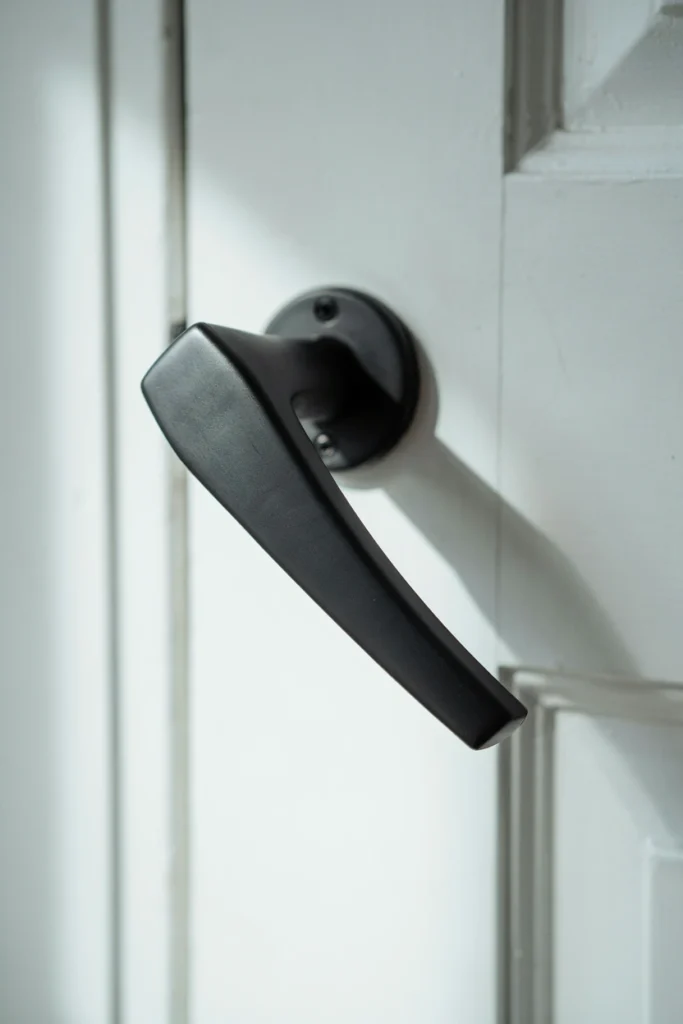
The things you touch a hundred times a day shape your feeling about your home more than the things you look at. Solid-feeling door handles, weighty switch plates in brass or matte black — these micro-upgrades register subconsciously as quality. Do the front door and the main living areas first; the bedrooms can wait.
21. Group Objects in Odd Numbers
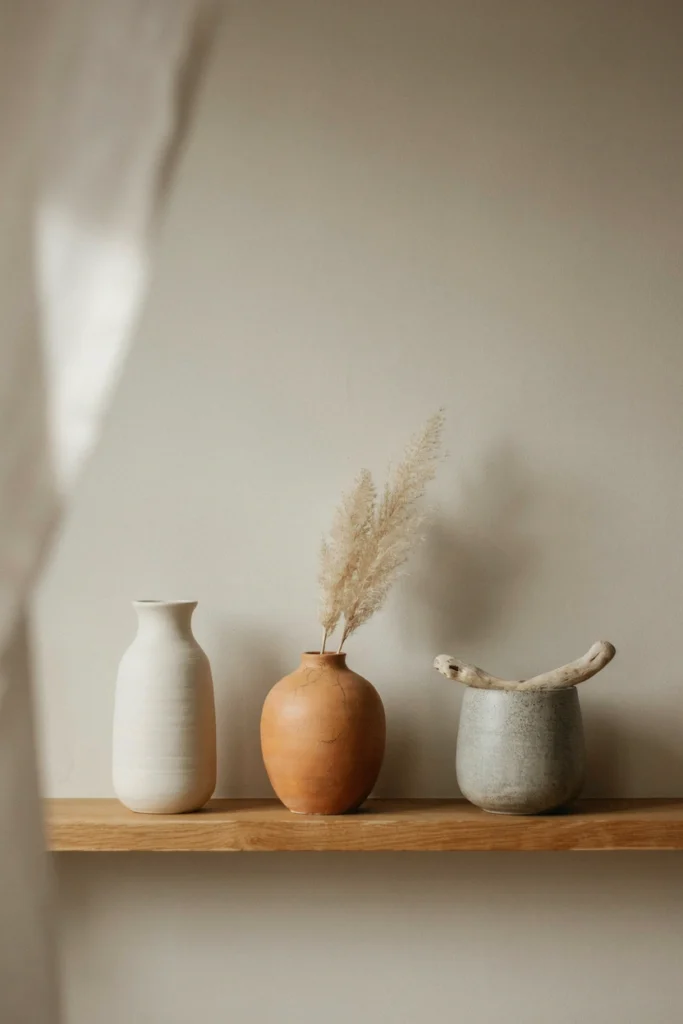
Three candlesticks, five vases, one bowl — odd groupings look natural and dynamic; even groupings look staged and static. It’s the oldest rule in styling because the human eye genuinely prefers it. When something looks “off” and you can’t say why, count the objects. It’s usually an even number.
22. Bring the Outside In
Branches, stones, driftwood, seed heads — the outside is free and it brings an organic authenticity no shop can sell. A tall branch in a floor vase is practically a sculpture; a bowl of interesting stones is a conversation piece. Change them with the seasons and the house always feels connected to something larger.
23. Make Use of Vertical Space
Expensive-looking rooms use the full height of their walls — art hung in a proper arrangement, shelves styled to the ceiling, curtains at full length. Bare upper walls make even nice rooms feel unfinished, like the decorating stopped halfway. Look up: whatever’s missing up there is probably what’s missing from the room.
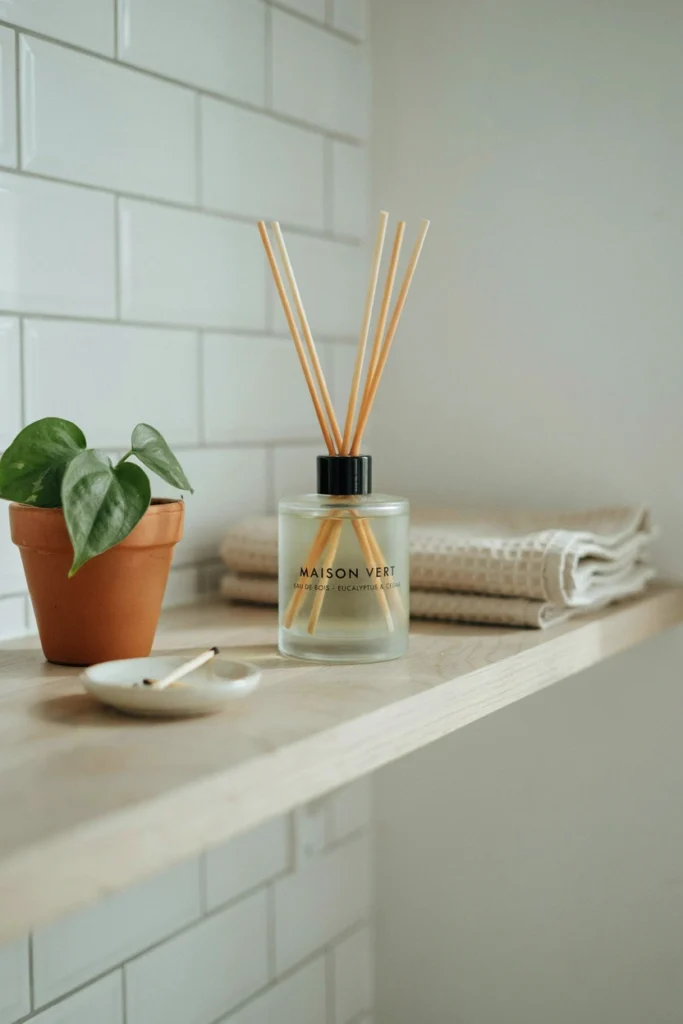
24. Use Scent to Complete the Atmosphere
Luxury has a smell — subtle, warm, clean. A signature scent for your home (one candle, one diffuser, used consistently) creates an atmosphere guests register without noticing. Keep it to one scent per floor; competing fragrances smell like a department store. Unscented in the kitchen and dining room — food provides the aroma there.
25. Edit Constantly and Rotate Seasonally
The homes that always look good aren’t finished — they’re maintained. A quarterly edit (remove what’s tired, move what’s stale, add one fresh thing) keeps rooms feeling intentional year-round. Seasonal rotation — heavier textiles in winter, lighter in summer — makes the same home feel new twice a year for free.
Conclusion
Cozy and expensive-looking aren’t opposites — they’re partners. The cozy comes from texture, warmth, and light; the expensive look comes from restraint, cohesion, and editing. Neither requires a big budget. Both require attention.
Start with five ideas from this list. Do them properly. Then stand in your room and notice what changed — because something always changes when you decorate with intention.
Pro Tips
- Repeat, don’t accumulate. Three brass touches beat ten mixed-metal accessories. Repetition of a material, colour, or shape is what makes a room feel designed rather than decorated — it’s the difference between a collection and clutter.
- Invest in light before objects. Warm bulbs, a good lamp, candles — lighting flatters everything in the room including the cheap things. Objects bought for a badly lit room will always disappoint.
- Buy the best textiles you can afford. You touch bedding, throws, and cushions daily — cheap ones feel cheap daily. One good throw outlasts and out-feels three mediocre ones.
- Edit in daylight. Rooms look different at night under lamps. Do your decluttering and styling decisions in natural daylight when you can see clearly — then check the result in the evening light too.
FAQs
How do I make my home look luxurious without spending a lot?
Layer textures, keep a tight cohesive palette, edit ruthlessly, and invest in lighting — warm, layered light flatters everything. Spend small amounts on high-impact details: cushion covers, curtains hung high and wide, hardware, and frames. Cohesion and editing read as luxury far more than price tags do.
What colours make a home feel cozy and expensive?
Deep, enveloping tones — forest green, warm charcoal, cocoa, navy — create the cocooning luxury feel, especially paired with warm whites and natural textures. Warm metallics (brass, aged gold) add the jewelry. Avoid stark white everywhere; cozy needs depth somewhere.
How can I make a small home feel luxurious?
Use the full height of walls, keep the palette tight so the space reads as one intentional room, and invest in the things you touch — bedding, towels, handles. Mirrors and good lighting do the heavy lifting for perceived space. Small rooms feel luxurious when every detail is considered, not when they’re filled.
What are the biggest mistakes that make a home look cheap?
Clutter and visual noise (too many small unrelated objects), cool harsh lighting, curtains hung too low and too short, and clashing undertones across the palette. All are free or cheap to fix — which is good news, because they’re also the most common issues.

HowDecor is a home decor blog sharing simple, practical decorating ideas for everyday spaces. We believe a beautiful home should feel comfortable, personal, and full of warmth — and that great style does not require a huge budget. Our goal is to inspire readers to create spaces that feel peaceful, welcoming, and truly their own — one room at a time.