Most people buy wall decor backwards: they fall for a piece in a store, bring it home, and then discover it’s the wrong scale for the wall, the wrong hardware for the plaster, or the wrong finish for the room’s light. A better way is to shop by category — understanding what each type of wall product actually does, what sizes it comes in, how it hangs, and what it costs — and then pick the piece. These are the ten categories worth knowing in 2026, with the practical details that determine whether a purchase works out.
Prices below are typical retail ranges for decent quality — not the cheapest option that warps in six months, and not gallery pricing. Where hanging hardware matters, it’s called out, because the number one reason wall decor ends up leaning in a closet is that nobody planned how it attaches to the wall.
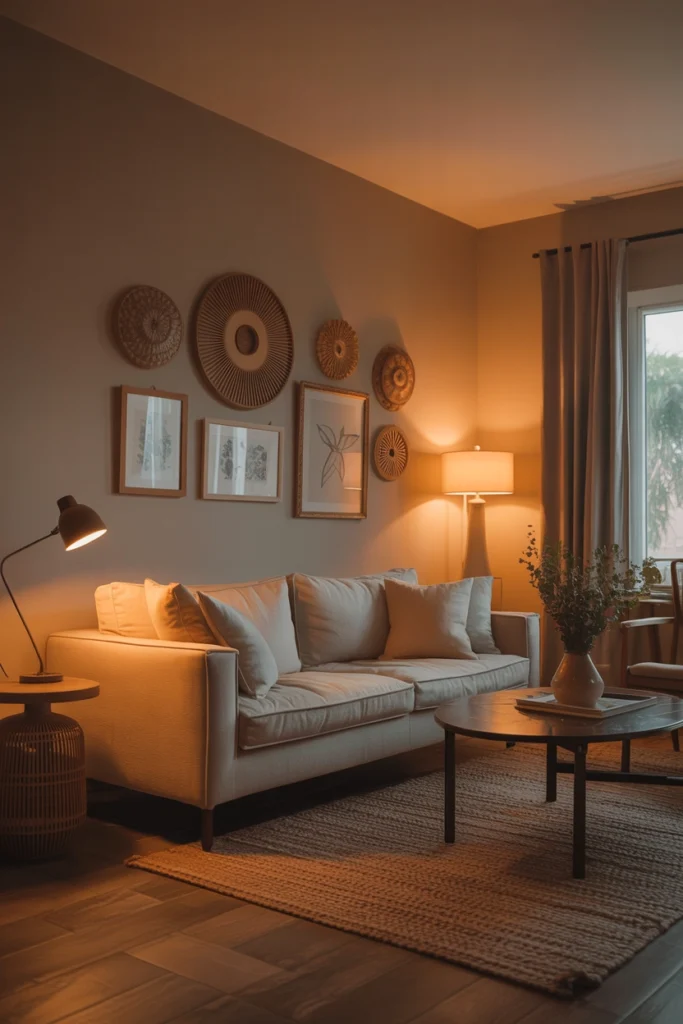
1. Framed Canvas Art Prints
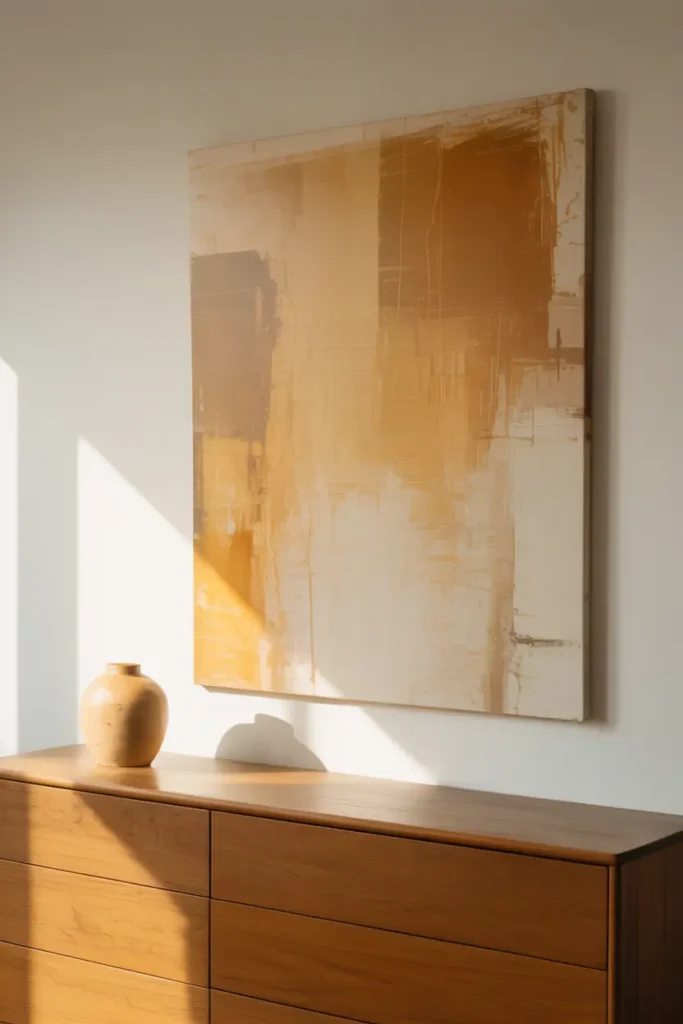
Canvas prints endure because they solve the core wall problem at a reasonable price: large-scale art without gallery framing costs. A gallery-wrapped canvas — image printed around 1.5-inch deep stretcher bars — needs no frame at all and hangs from a single sawtooth bracket or wire. Standard sizes run 12×16, 18×24, and 24×36 inches; the 24×36 size suits the wall above most sofas, while 18×24 works over consoles and desks. Expect $25–$60 for smaller sizes and $70–$140 for large, with price driven by canvas weight (look for 400 GSM or higher) and whether the print is genuinely fade-resistant.
The mistake is buying too small. Art should span roughly two-thirds the width of the furniture beneath it — a 16-inch canvas floating alone over a 72-inch sofa looks lost. Hang the center at 57–60 inches from the floor, eye level for most adults. In humid rooms like bathrooms, choose a canvas with a sealed backing or stick to framed prints behind glass instead.
2. Macrame Wall Hangings
Macrame has to be seen in person to be judged fairly — photographs flatten the texture that is the entire point. A good piece uses 3–5mm cotton cord knotted on a wooden dowel or driftwood branch, typically 24–40 inches wide; anything narrower disappears on a real wall. Prices run $30–$90 for handmade pieces, with cost tracking knot density and cord quality rather than size alone. Synthetic cord looks plasticky up close, so check the material before buying.
Hanging is simple — one sturdy nail or hook through the dowel’s hanging cord — but placement needs thought. Macrame softens hard, minimal rooms beautifully and adds warmth to bedrooms and reading corners. Keep it out of kitchens and bathrooms: cotton cord absorbs grease and humidity, yellows over time, and is miserable to clean. Dust it with a cool hairdryer every few months rather than washing it.

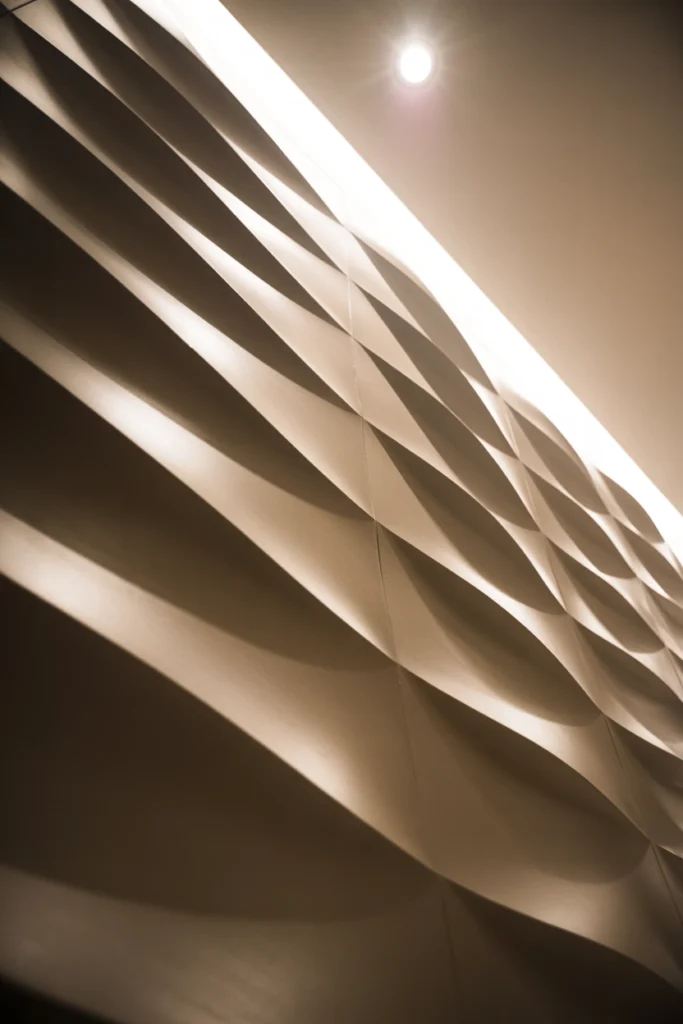
3. 3D Sculptural Wall Panels
That textured wall you noticed in a hotel lobby was probably 3D panels — interlocking tiles, usually 19.7×19.7 inches, in geometric or wave patterns that catch light and shadow. Materials range from lightweight PVC ($3–$6 per tile) to paintable MDF and gypsum ($5–$9 per tile); a 10-foot accent wall needs roughly 30 tiles, putting a full feature wall at $90–$270 before paint. PVC installs with construction adhesive alone, while heavier gypsum tiles want adhesive plus a few screws into studs.
These panels transform flat, boring walls, but they commit you — removal damages paint and sometimes drywall, so they’re a poor choice for renters. Paint them the same color as the surrounding wall for subtle texture, or a shade darker for drama. Prime MDF and gypsum tiles before painting or the finish absorbs unevenly. And buy 10% extra; cutting tiles around outlets and corners wastes pieces.
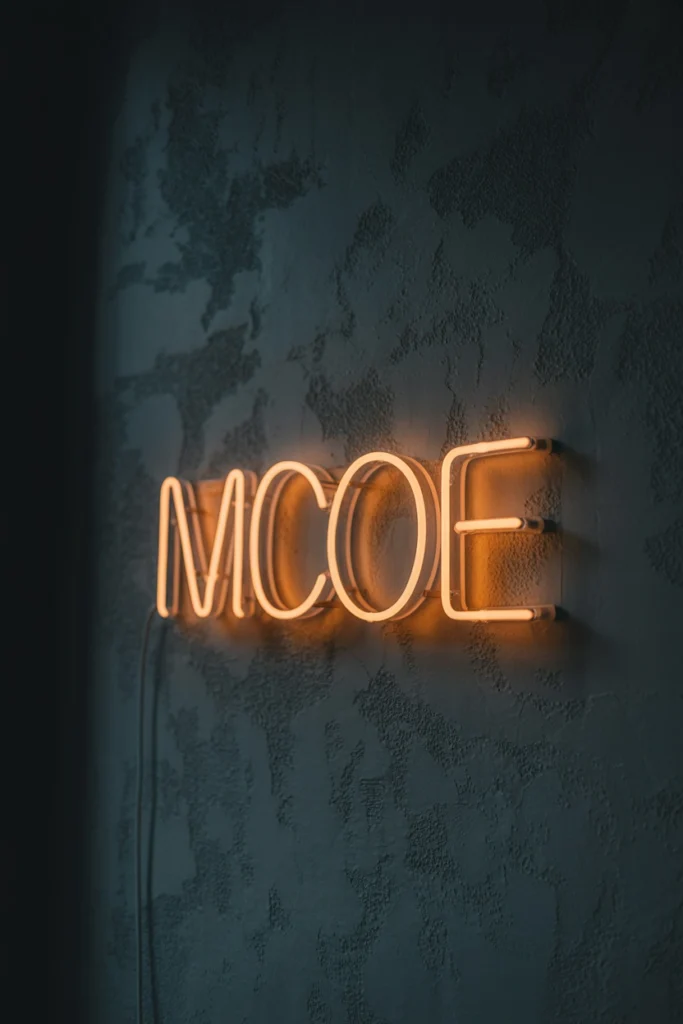
4. Custom Neon LED Signs
Neon signs went through a phase of generic script phrases, but the custom LED version has matured into a genuinely useful product: your family name, a meaningful word, or a simple shape in LED flex tubing mounted on a clear acrylic backing. Common sizes run 16–30 inches wide ($40–$150 depending on size and color count), powered by a low-voltage adapter with an inline dimmer — the dimmer matters, because full brightness in a bedroom is too much.
Mounting is usually keyhole slots on the acrylic back for one or two screws, or clear standoff mounts for a floating effect. These work best as accent pieces — above a bar cart, in a teen’s room, over a home office desk — rather than as a room’s main art. Check the color temperature of “warm white” options before ordering; cheap versions skew green. And plan the cord: the adapter needs an outlet within about 6 feet, or you’ll be running an extension cord across the wall.
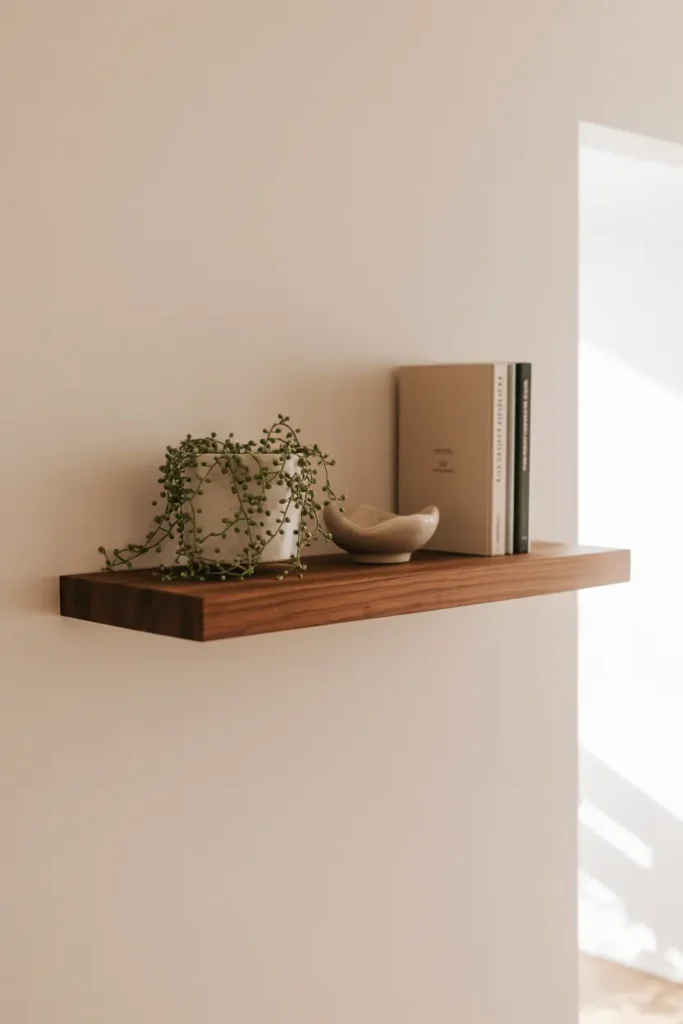
5. Floating Wooden Shelves
A well-styled floating shelf earns its place as decor, not just storage — the shelf itself, in solid wood with visible grain, is part of the look. Standard lengths are 24, 36, and 48 inches, 8–10 inches deep; solid pine or acacia runs $20–$45 per shelf, while walnut or live-edge slabs climb to $50–$90. The critical spec is the bracket: concealed rod brackets anchored into studs typically support 15–20 pounds per stud, so a 36-inch shelf hitting two studs safely holds books and ceramics.
Styling is where most shelves fail. Group objects in odd numbers, vary heights, and leave at least a third of the shelf empty — a crammed shelf reads as storage, not decor. Hang shelves at 18–24 inches above the furniture below (desk, console, sofa back) so there’s visual breathing room. Avoid the temptation to mount them where you’ll bump your head: above-desk shelves should clear your seated sightline.
6. Vintage and Antique Style Mirrors
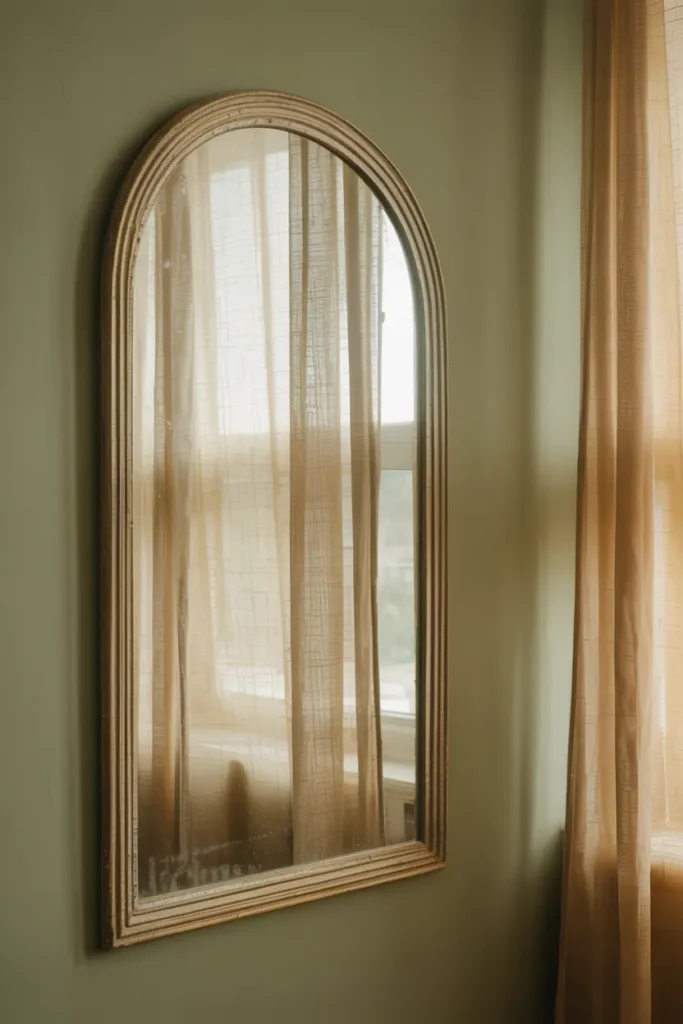
A standard mirror bounces light; a vintage-style mirror — brass frame, beveled edge, arched top — bounces light while acting as the room’s jewelry. These read as collected rather than purchased, which is why they suit traditional, eclectic, and transitional rooms that flat modern mirrors leave cold. Expect $60–$150 for good reproductions and $150–$300+ for genuine vintage, with price driven by frame material (solid brass and hardwood cost more than resin) and glass quality.
Check the silvering before buying vintage: dark spots or foxing around the edges are damage, not patina, unless you specifically want the aged look. Hang with D-rings and picture wire rated for the mirror’s weight — a 24×36-inch framed mirror can weigh 15–25 pounds, too much for a single nail in drywall. Place opposite a window for maximum light gain, and keep one in the entry: it’s the last thing you check before leaving.
7. Tapestry Wall Hangings
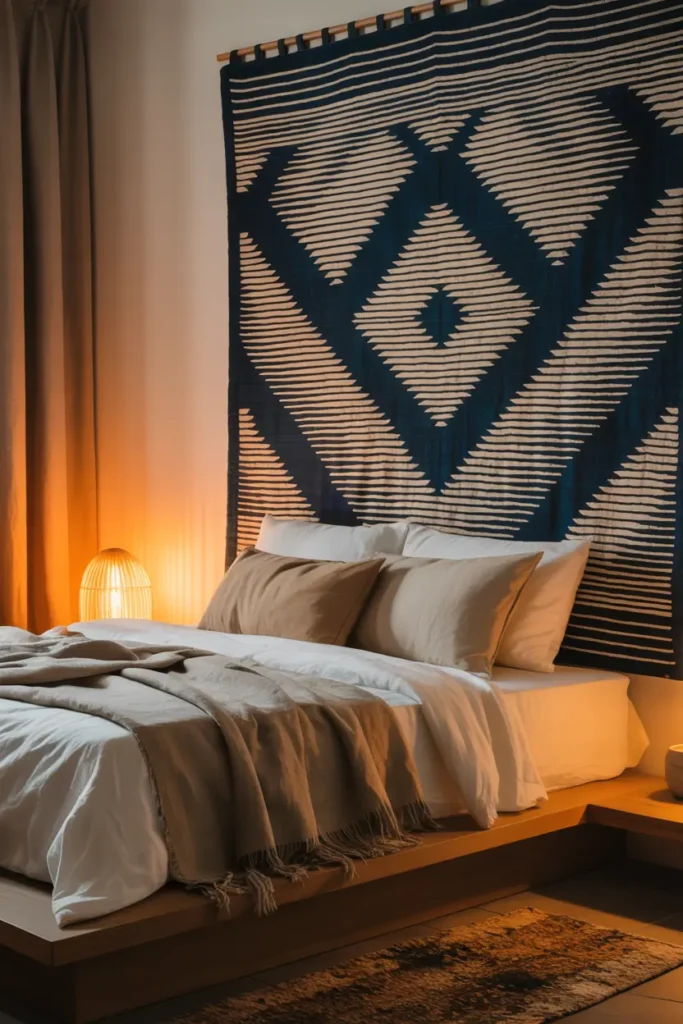
For renters, a tapestry is arguably the highest-impact wall product per dollar: a 60×80-inch textile covers more wall than any affordable framed art, installs without drilling, and rolls up when you move. Cotton and polyester-cotton blends ($20–$60) drape better than pure polyester, which can look shiny. Go large — a small tapestry reads as a poster; the 60×80 size properly anchors a wall behind a bed or sofa.
Hanging without damage is the whole game: adhesive hook strips rated for the tapestry’s weight, a tension rod inside a sewn sleeve, or decorative clips on a wall-mounted wire. Steam out packaging creases before hanging — they photograph worse than you’d expect. And keep tapestries out of direct sun; the dyes fade noticeably within a year on a south-facing wall. Rotate or back with a UV-filtering lining if the spot is sunny.
8. Botanical and Nature Inspired Wall Art
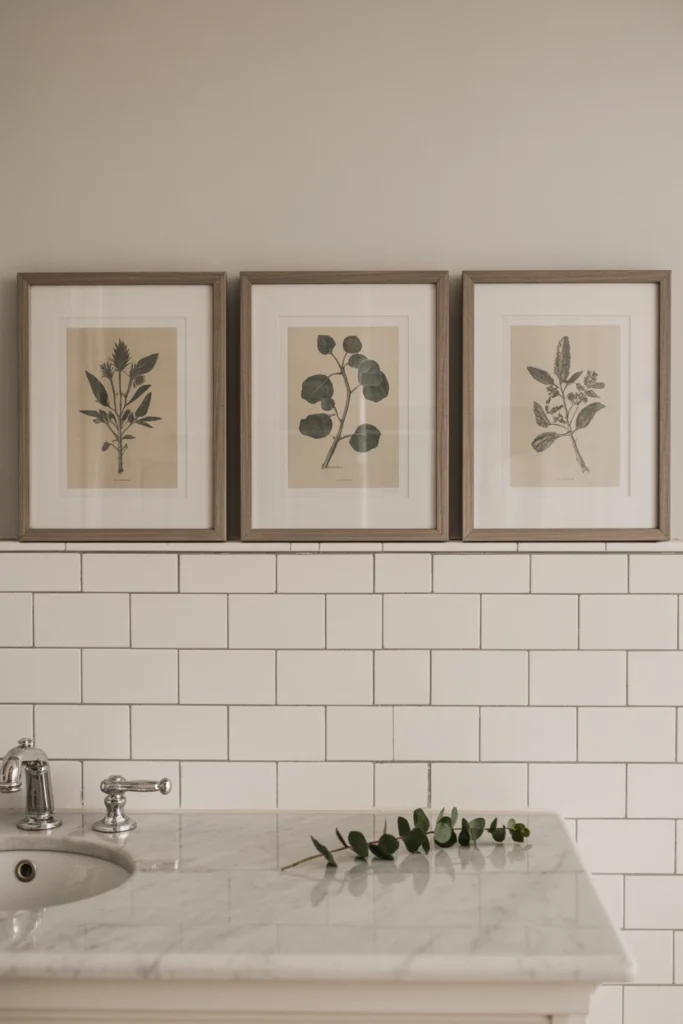
Botanical prints have decorated walls for centuries for a simple reason: they suit almost every room and never feel trendy or dated. The modern version is the curated set — three to six coordinating prints in matching frames, typically 11×14 or 16×20 inches each. Giclée prints on heavyweight matte paper ($15–$40 framed per piece, less unframed) hold color far better than cheap inkjet reproductions, and a set of six 11x14s fills a hallway or stairwell wall elegantly.
Arrangement matters more than the individual prints. Lay the set on the floor first, keep 2–3 inches between frames, and hang the group’s center at 57–60 inches. Matching frames — slim black, natural oak, or white — unify prints from different sources into one intentional composition. Botanical art also solves the bathroom problem: framed behind glass, it handles humidity that would ruin canvas or macrame.
9. Metal Wall Art and Sculptures
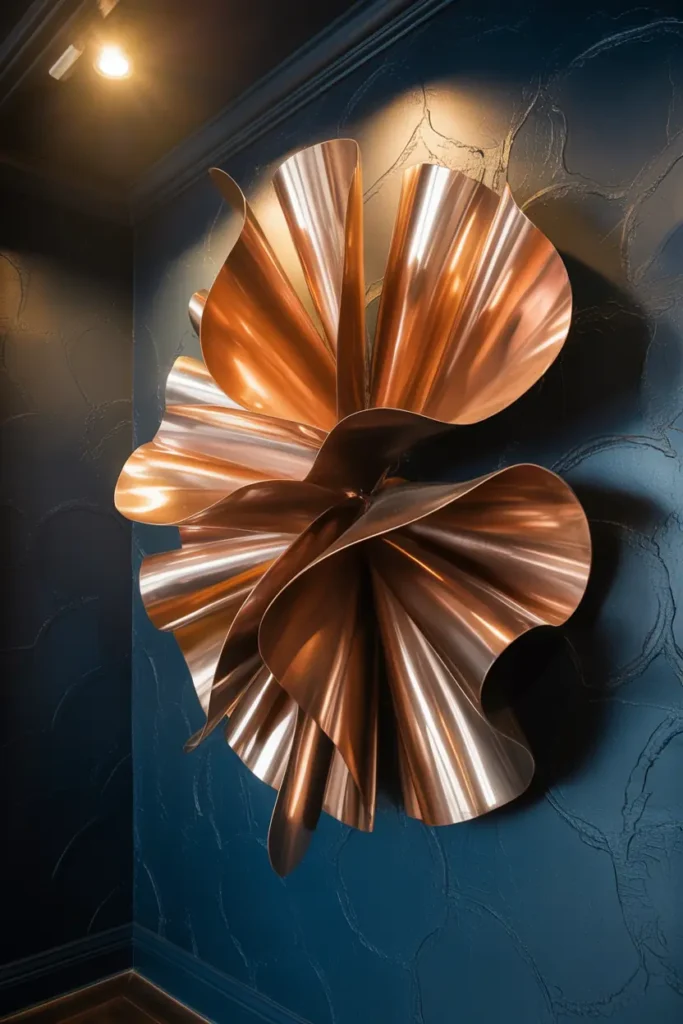
Metal wall art surprises first-time buyers — laser-cut steel or aluminum pieces have a precision and shadow play that flat prints can’t match, and they suit modern, industrial, and even rustic rooms depending on the finish. Powder-coated pieces ($40–$120 for 24–36 inch designs) resist rust and come in matte black, bronze, and copper tones; raw or patinated steel ($80–$200) offers more character but belongs indoors or under cover.
Weight and mounting deserve attention: a 36-inch steel piece can weigh 10–20 pounds and needs a French cleat or multiple anchored screws — not a single picture hook. Powder-coated aluminum is the practical pick for covered patios and humid climates since it won’t corrode. Keep metal art a few inches off walls in direct sun; dark finishes absorb heat and can mark paint over time.
10. Personalized Name and Quote Signs
The last category differs from the rest: it’s the only one made specifically for your household. Cut-wood or acrylic name signs, 3D letter installations, and meaningful quotes turn a generic wall into something that couldn’t belong to anyone else — which is why they anchor entryways, family galleries, and kids’ rooms so well. Prices run $30–$60 for flat cut-wood signs and $60–$120 for layered 3D or backlit acrylic versions, with cost driven by size (18–36 inches wide is typical) and material thickness.
Order carefully: double-check spelling, capitalization, and dates before confirming, because custom pieces are rarely returnable. For 3D letters, standoff mounts (small spacers that float the piece half an inch off the wall) look far better than flat gluing and make dusting easier. One sign per sightline is the rule — personalized pieces compete with each other, so give each one its own wall.
How to Choose the Right Wall Decor for Your Space
Start with measurement, not taste. Measure the wall, note the furniture below it, and apply the two-thirds rule: art should span about two-thirds the width of the furniture beneath it. A blank wall above a 60-inch console wants roughly 40 inches of art — one 36-inch piece or a set totaling that width. Then consider the room’s job: high-humidity bathrooms need glass-fronted prints or powder-coated metal; rentals need tapestries, adhesive-mounted pieces, or lean-to mirrors; kids’ rooms need shatterproof acrylic over glass.
Then — and only then — shop by feeling. Hang the center of any piece at 57–60 inches from the floor, live with painter’s-tape outlines on the wall for a day before committing to holes, and buy the larger size when torn between two: undersized art is the most common wall decor regret, and it’s entirely avoidable with a tape measure.
The right wall decor doesn’t just fill an empty wall — it changes how the whole room feels. A large canvas gives a small living room presence, a vintage mirror doubles a dark hallway’s light, a tapestry makes a rental feel like home. Measure first, hang at eye level, and choose the category that fits the wall’s job: get those three decisions right and the specific piece almost picks itself.
Pro Tips
- Before drilling, outline the piece with painter’s tape on the wall and live with it for 24 hours — scale mistakes are obvious in tape and expensive in drywall.
- Weigh the piece on a bathroom scale, then buy hanging hardware rated for at least double that weight; most wall failures come from undersized hooks, not bad walls.
- For gallery walls, cut paper templates of each frame, tape them up, and adjust the arrangement before a single nail goes in — it turns a stressful job into a ten-minute one.
- Photograph your wall in the store’s lighting conditions is impossible, so check the return policy before buying: colors shift dramatically between showroom spots and your living room’s daylight.
FAQs
What size wall art should I buy for above my sofa?
Aim for art spanning roughly two-thirds the sofa’s width — about 40–48 inches of art over a standard 72-inch sofa, either as one large piece or a grouped set. Hang the center at 57–60 inches from the floor, and leave 6–8 inches between the sofa back and the frame’s bottom edge.
How do I hang heavy wall decor on drywall?
Find the studs with a stud finder and anchor into them whenever possible — a stud-mounted screw holds 50+ pounds. Without a stud, use toggle bolts or heavy-duty wall anchors rated for at least double the piece’s weight, never a simple nail for anything over a few pounds.
What wall decor works best in a rental?
Tapestries, leaning floor mirrors, adhesive-strip-mounted lightweight frames, and pieces hung from existing picture rails all avoid drilling. If your lease allows small holes, keep the patch kit handy — properly filled nail holes are invisible and most landlords accept them as normal wear.
Canvas print vs framed print — which should I choose?
Gallery-wrapped canvas suits large, casual, modern spaces and needs no frame; framed prints behind glass suit traditional rooms, humid bathrooms, and detailed art like botanicals where glare-free glass protects the piece. For the same wall size, framed prints usually cost more once framing is included.

HowDecor is a home decor blog sharing simple, practical decorating ideas for everyday spaces. We believe a beautiful home should feel comfortable, personal, and full of warmth — and that great style does not require a huge budget. Our goal is to inspire readers to create spaces that feel peaceful, welcoming, and truly their own — one room at a time.