Your living room is the hardest-working room in the house. It’s where you land after a long day, where the kids sprawl, where guests form their entire impression of your home. And yet most living rooms get the least design attention — a sofa against the wall, a TV, whatever art came with the apartment. Sound familiar? There’s no shame in it. But a few deliberate changes can make this room feel like it was actually designed for the life you live in it.
None of what follows requires a renovation. These are the moves designers use when they need a room to feel finished fast: color, light, art, texture, layout. Each one is small on its own; together, they compound into a room that feels completely different. Pick the ones your room is missing.
1. Start With a Calm, Neutral Foundation
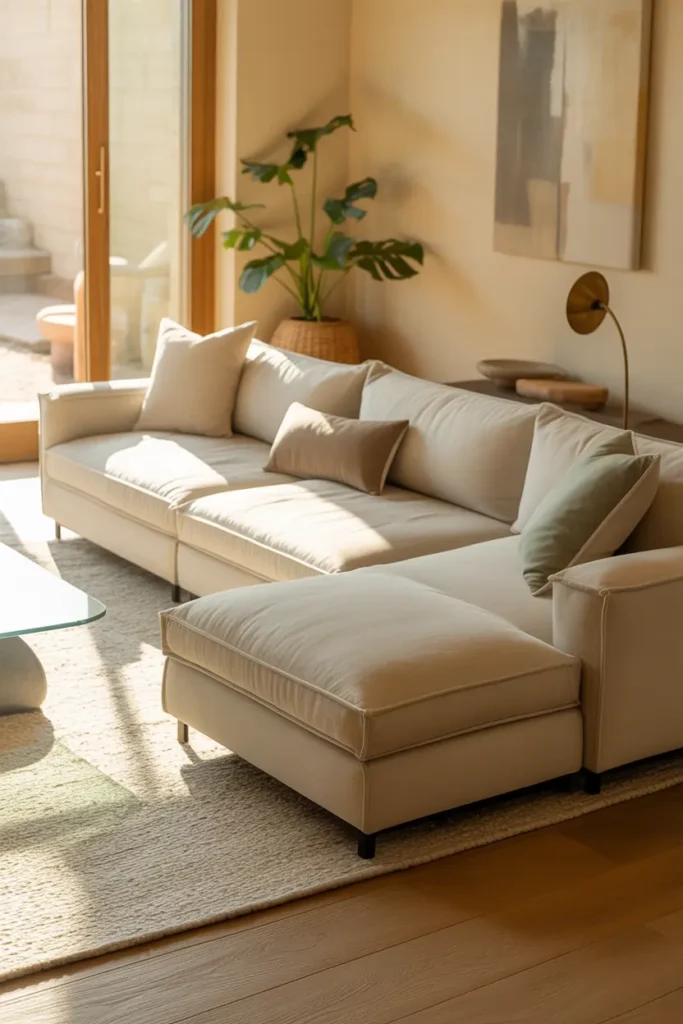
The easiest upgrade in decorating is also the most powerful: go neutral on the big surfaces. Walls in warm white, cream, or soft greige; a sofa in beige, oatmeal, or light gray. Neutrals reflect light beautifully, making the room appear larger and more inviting — and they give you a forgiving backdrop for everything else.
The versatility is the real payoff: with a neutral base, you can swap pillows, throws, and art seasonally without touching the expensive pieces. Layer multiple neutrals together — cream walls, beige curtains, a light gray sofa — for depth without color. The layered-neutral look reads as sophisticated and calm, and it never goes wrong.
2. Make Lighting the Main Event
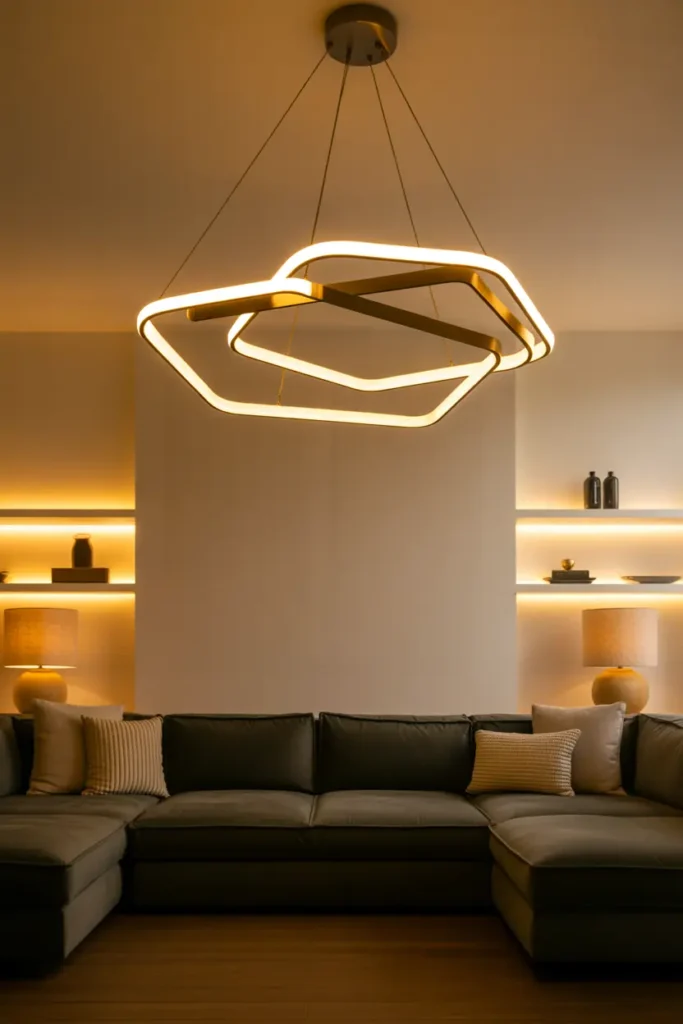
Most living rooms are lit like offices: one harsh ceiling light, done. The transformation comes from layers — a statement pendant or chandelier for presence, floor and table lamps for warmth, and every one of them warm-toned and dimmable. Evening light should feel like golden hour, not a waiting room.
The statement fixture is also decor: a sculptural pendant, an arc floor lamp, a pair of oversized table lamps. Spend your lighting budget on one beautiful piece rather than three mediocre ones. And get the bulb temperature right — 2700K everywhere. Cool white bulbs are the single fastest way to make a living room feel unwelcoming.
3. Go Big With One Piece of Art
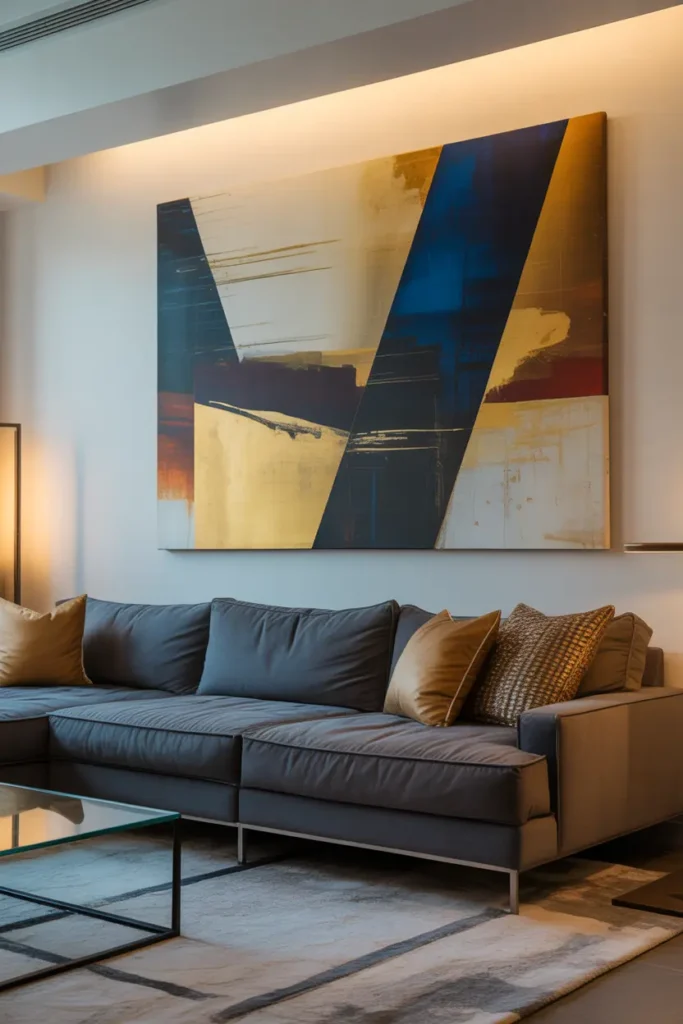
Small art on a big wall looks lost; one large piece looks intentional. A single oversized canvas or framed print above the sofa does more for a living room than a dozen small frames scattered around. It gives the eye a destination and the room a focal point.
Scale guide: the art should be roughly two-thirds the width of the sofa below it, hung so its center sits at eye level (57 inches from the floor — the gallery standard). Abstract, landscape, photography — whatever you love, but keep the palette connected to the room’s colors. One confident piece beats a timid gallery wall every time.
4. Bring in Living Green
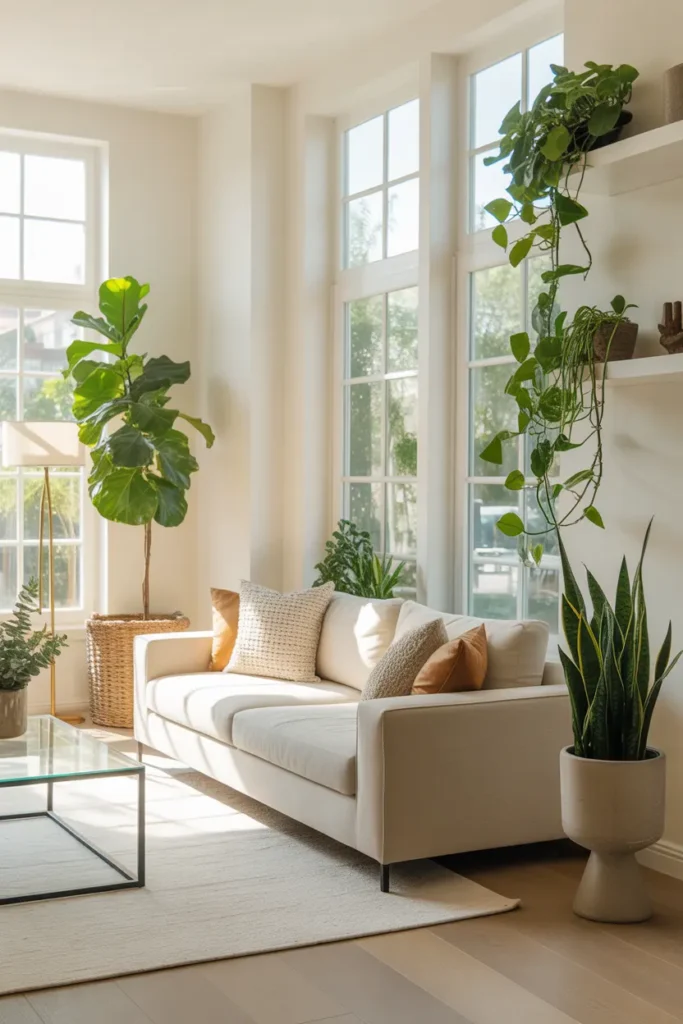
Plants are the cheapest way to make a room feel alive — literally. A fiddle-leaf fig in an empty corner, a rubber plant beside the sofa, trailing pothos on a shelf. Green against neutrals is a vivid, organic contrast that no decor object can replicate, and the soft irregular shapes balance all the rectangles of furniture.
Match the plant to your light and your honesty about watering: snake plants and ZZ plants survive neglect; fiddle-leafs demand attention. One large plant beats five small struggling ones. And put it in a beautiful pot — the pot is furniture, the plant is art, and together they’re the most cost-effective decor in the room.
5. Layer Textures Until It’s Cozy
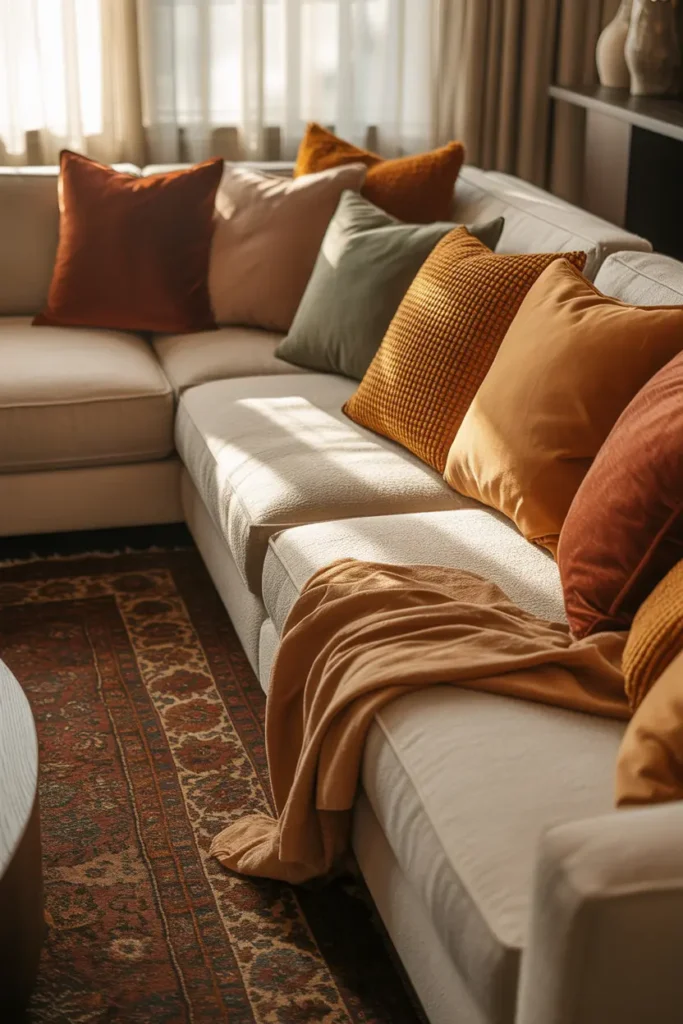
Texture is the difference between a room that looks good and a room that feels good. Velvet cushions, a chunky knit throw, a nubby rug, woven baskets, wood, a little leather — the more tactile variety, the more inviting the room. Without texture, even a beautiful room feels flat, like a furniture showroom.
The formula: mix at least four textures per seating area. Smooth leather or linen on the sofa, soft velvet or wool on the cushions, chunky knit on the throw, rough jute or sisal underfoot. The contrast between smooth and soft, rough and plush, is what your hands and eyes read as “cozy.” It’s the fastest way to warm up a room that feels cold despite being full of nice things.
6. Rearrange Before You Buy
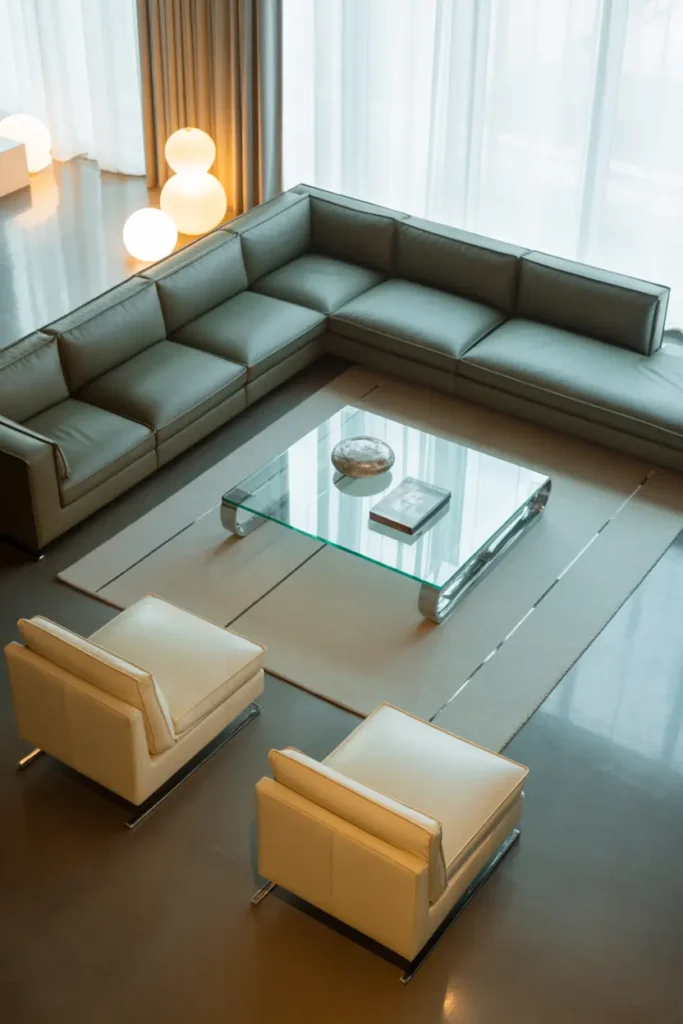
The best living room upgrade is free: move the furniture. Pull the sofa off the wall (even 6 inches changes the room), angle chairs toward each other for conversation, create clear walkways (30–36 inches), and make sure every seat has a surface within arm’s reach for a drink. Most living rooms are arranged for the TV, not for people — flip that priority.
The conversation test: can two people sit facing each other comfortably without shouting or craning? If not, the layout is wrong no matter how pretty the pieces are. Try the “floating” arrangement — seating grouped around a rug in the middle of the room — even in small spaces. It almost always feels better than everything pushed to the walls.
7. Anchor Everything With a Real Rug
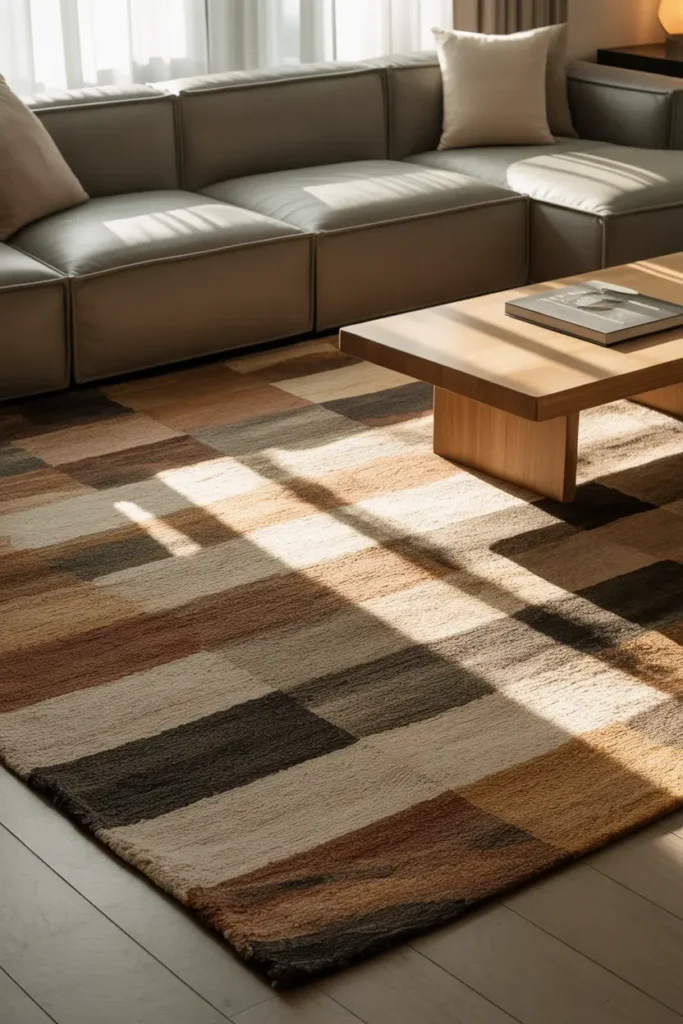
A rug that’s too small makes the whole room look disjointed — it’s the most common living room mistake. The rug should be large enough that at least the front legs of all the main seating sit on it; in an ideal world, all legs. This single sizing decision makes the furniture feel like a group instead of strangers.
For a standard sofa-and-two-chairs setup, that’s usually 8×10 feet minimum. Go for pattern or texture that can handle real life — vintage-style rugs hide everything and add character. And layer if you want: a large natural jute base with a smaller patterned rug on top is a designer trick that adds depth and forgives sizing mistakes.
8. Style Floating Shelves Like a Pro
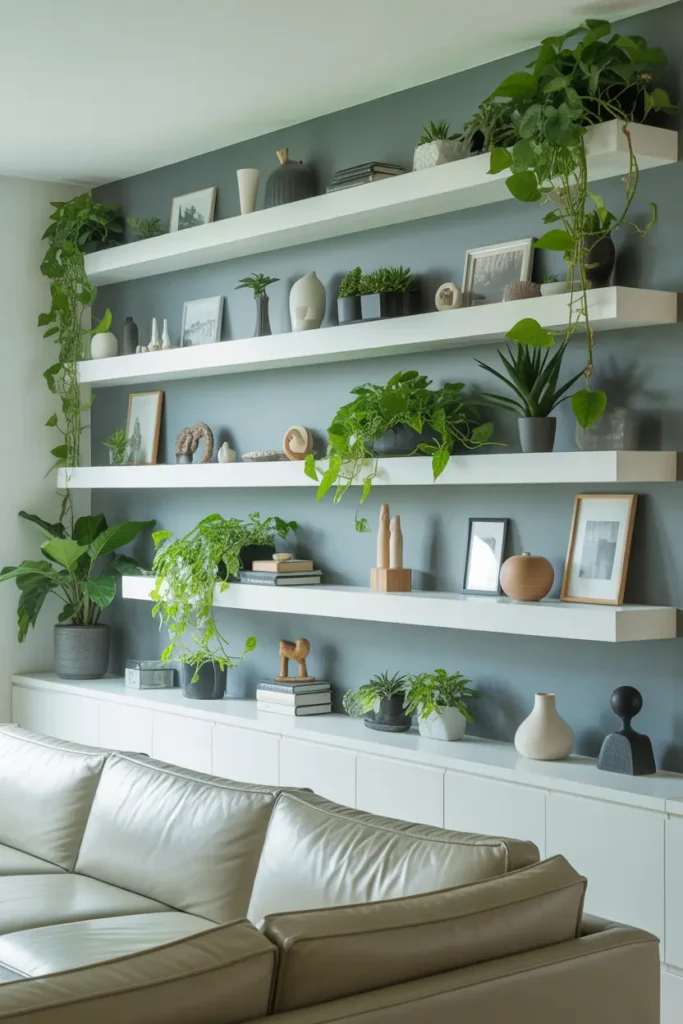
Floating shelves turn dead wall space into display space without eating floor area. The trick is styling them like a still life, not a storage unit: group items in odd numbers, vary heights, mix books (horizontal stacks, not just vertical rows) with plants, candles, and one or two art objects. Leave breathing room — a crowded shelf looks like clutter; a curated shelf looks like a gallery.
The 60-30-10 of shelf styling: 60% books or functional items, 30% greenery or organic shapes, 10% sculptural objects or art. Step back and squint — the shelf should read as a balanced composition, not a list of items. Restyle seasonally; it takes ten minutes and keeps the room feeling fresh.
9. Double Your Light With Mirrors
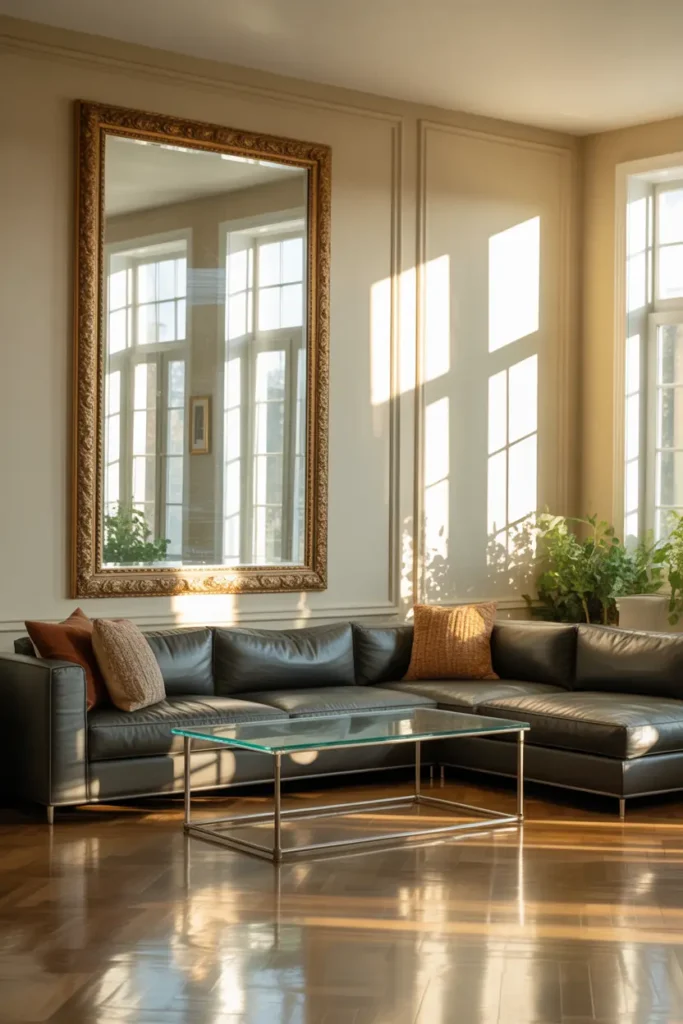
A well-placed mirror is the oldest trick in decorating because it works: it bounces natural light around the room, creates the illusion of depth, and makes the space feel larger and brighter. Opposite a window is the classic placement — it effectively doubles your daylight.
But placement matters more than size: a mirror should reflect something worth seeing — the window, the art, the chandelier — not a blank wall or the TV. Lean a large floor mirror against the wall for a relaxed, modern feel, or hang a round mirror over the console. Decorative frames make the mirror part of the design, not just a tool.
10. Let One Chair Be the Star
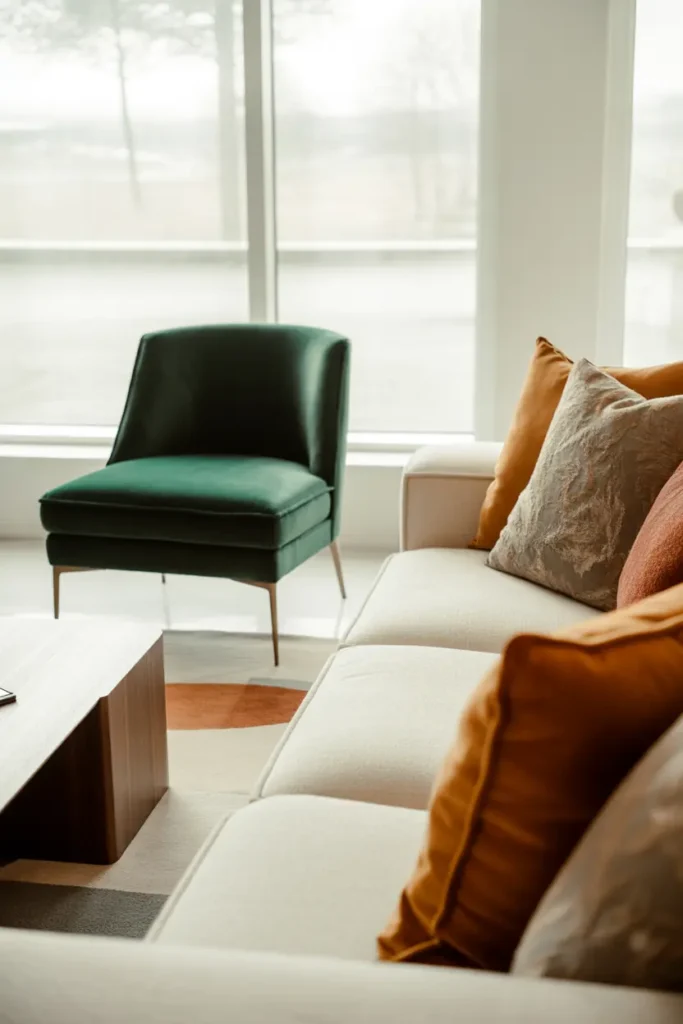
An accent chair is the living room’s exclamation point: a bold color, an interesting shape, a luxurious texture — one chair that’s allowed to be different from everything else. It fills the awkward empty corner, completes the seating arrangement, and gives you a low-commitment place to experiment with color or pattern.
Choose the statement deliberately: if the room is neutral, the chair can carry the color (emerald velvet, cognac leather, a bold print). If the room already has color, let the chair bring texture instead. One star per room — two competing accent chairs cancel each other out. And make it genuinely comfortable; the prettiest chair that nobody sits in is just an expensive sculpture.
11. Make It Personal, Not Perfect
The difference between a showroom and a home is the personal layer: family photos, travel finds, handmade pieces, books you actually read, art that means something. These are the things guests remember and the things that make you feel at home. A room without them can be beautiful and still feel like nobody lives there.
Curate, don’t accumulate: choose a few meaningful pieces and give them prominence rather than displaying everything. Rotate seasonally — the shelf gets fresh objects, the frames get new photos. The personal layer should evolve with your life; a static display of “decor” goes stale, but a living collection stays interesting.

12. Ruthlessly Declutter
None of the above works in a cluttered room. Clutter is visual noise, and it drowns out every design decision — the beautiful rug disappears under the mess, the art competes with the piles, the lighting can’t fix chaos. Before decorating, edit: remove everything that doesn’t serve the room, then decorate what’s left.
Make tidiness easy with closed storage: baskets for throws and toys, cabinets for the random, decorative boxes for the small stuff. The goal isn’t minimalism — it’s that every visible object is there on purpose. A tidy room with modest decor always beats a cluttered room with expensive pieces. Clean is the foundation everything else stands on.
Related Decor Ideas
If you enjoyed these living room decor tips, you might also like exploring other home styling ideas such as:
- Budget-friendly living room makeover ideas
- Modern minimalist home decor inspiration
- Small space decorating tips for compact homes
These related ideas can help you continue improving other areas of your home with simple yet stylish changes.
Final Thoughts
A stunning living room isn’t about spending more — it’s about deciding more. Deciding on a palette, deciding where the light goes, deciding what deserves wall space, deciding what stays and what goes. Each decision is small; the accumulation is a room that finally feels like yours.
Start with the free moves: rearrange, declutter, clean. Then add the high-impact pieces: the rug, the art, the lighting. Your living room is where your life happens — it’s worth an afternoon of attention to make it feel like the heart of the home it’s supposed to be.
Pro Tips
- Shop your own home first. Before buying anything, walk through every room and “borrow” pieces — art, lamps, plants, throws. Half of most living room transformations can be done with objects you already own, just relocated.
- Follow the 3-foot rule. Every seat should have a table or surface within 3 feet for drinks, books, and remotes. It’s the small comfort detail that separates a designed room from a furniture display.
- Buy the rug last (or first, but never middle). Rugs anchor everything, so either choose it first and build the palette around it, or choose it last to tie the finished room together. Buying it mid-process usually means it fights something.
- Dim everything. If your living room only has one brightness, you’re missing half its potential. Dimmers on every light source (or smart bulbs) let the same room serve bright mornings, working afternoons, and golden evenings.
FAQs
How can I update my living room without spending much money?
Rearrange the furniture (free), declutter ruthlessly (free), and shop your own home for pieces to relocate. Then spend small on high-impact items: new cushion covers ($30–$50), a plant ($20–$40), and warm LED bulbs ($15). Under $100 total can genuinely transform the room.
What colors work best for a living room?
Warm neutrals — cream, beige, warm white, soft greige — are the safest foundation because they suit every style and reflect light well. Add color through easily-changed items (pillows, throws, art) rather than expensive permanent pieces, so the room can evolve with your taste.
How do I make a small living room look bigger?
Light colors, a large mirror opposite the window, one big rug instead of several small ones, furniture with visible legs, and keeping window treatments light and high. The biggest factor is editing — fewer, better-chosen pieces always make small rooms feel larger.
Should the TV be the focal point of the living room?
Ideally, no — design the room for conversation first, with the TV as a secondary element. Mount it on the wall to free floor space, frame it with art or shelving so it blends in, and arrange seating so people face each other, not just the screen. The room will feel more welcoming and work better for guests.

HowDecor is a home decor blog sharing simple, practical decorating ideas for everyday spaces. We believe a beautiful home should feel comfortable, personal, and full of warmth — and that great style does not require a huge budget. Our goal is to inspire readers to create spaces that feel peaceful, welcoming, and truly their own — one room at a time.