
There is a specific feeling that well-decorated rooms have that is difficult to name but immediately recognizable. You walk in and nothing feels out of place. Everything seems to belong exactly where it is. The room has a coherence and a quiet confidence that makes it feel finished rather than works in progress. Most people assume this feeling comes from expensive furniture or a professional designer’s touch.
It doesn’t. It comes from a series of small, intentional decisions that collectively create the impression of a thoughtfully designed space. The good news is that almost all of these decisions are either free or very affordable. These budget decor ideas are specifically focused on that feeling, helping every room in your home feel genuinely put together without a renovation, without a big budget, and without starting from scratch.
1. Commit to a Color Story for Each Room
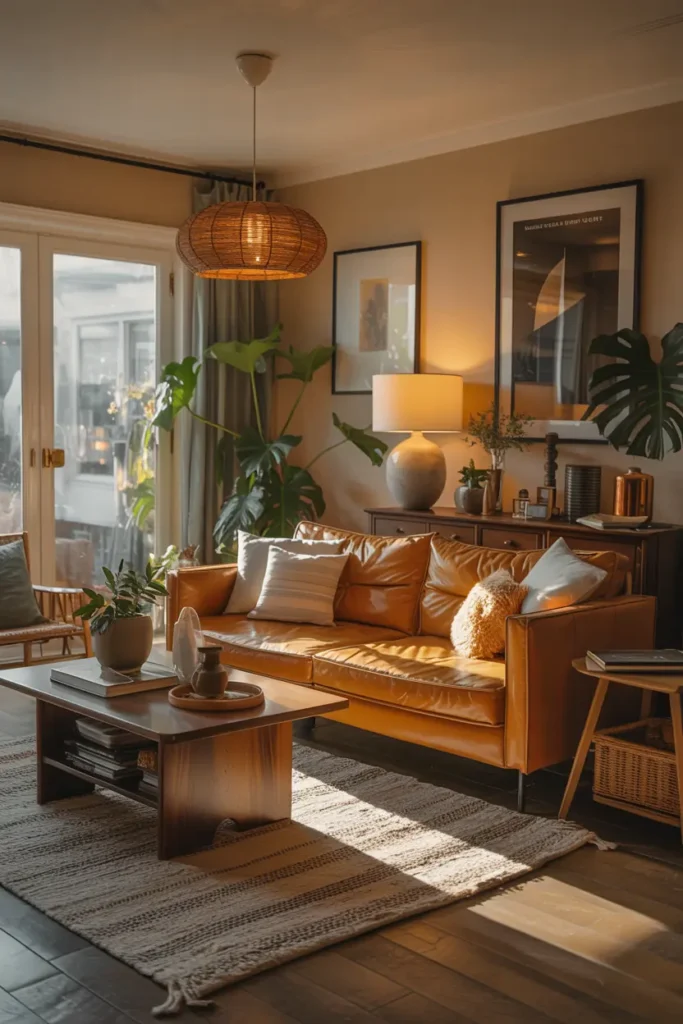
The single most common reason a room feels unfinished or slightly off is the absence of a coherent color story. When colors are chosen randomly over time without reference to each other, the room ends up feeling like a collection of unrelated objects rather than a designed space. Choosing two or three colors that work together and repeating them deliberately throughout a room creates an immediate sense of cohesion that nothing else can replicate.
The colors don’t need to match exactly. They need to feel like they belong in the same conversation. A warm terracotta cushion, a rust-toned throw, and a clay plant pot all speak the same color language even though none of them are identical. That repetition is what makes a room feel considered and complete.
2. Make Sure Everything Has a Place
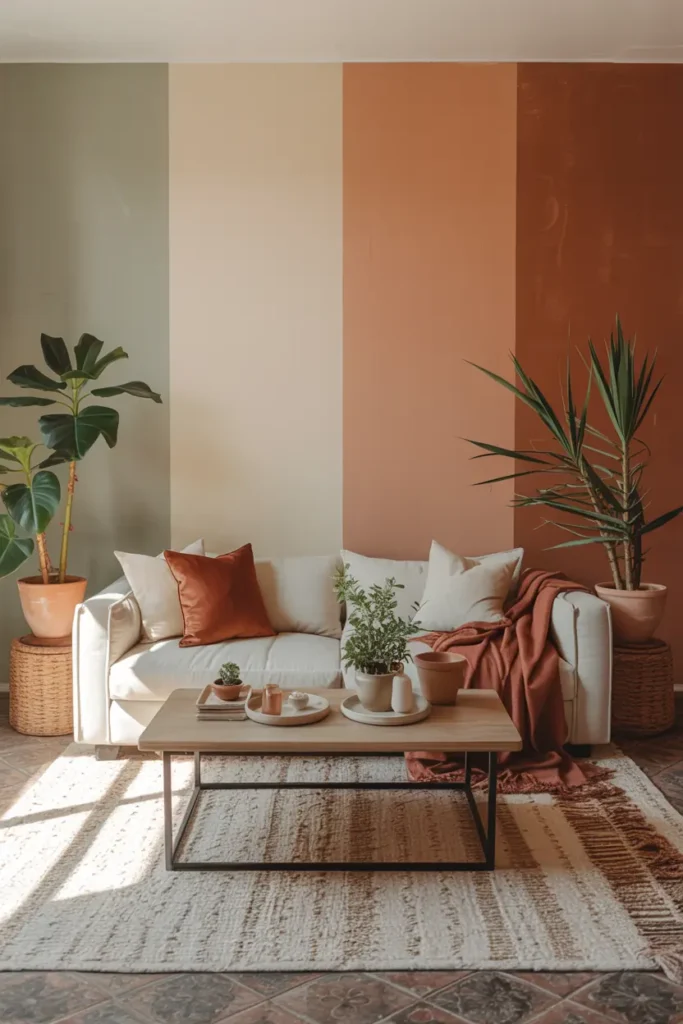
A room that feels put together is almost always a room where everything has a designated home and actually lives there consistently. Random objects sitting on surfaces without purpose, a charger here, a receipt there, a jacket on the back of a chair, all of these erode the sense of intention that a well-styled room projects. This doesn’t require expensive storage solutions.
A small ceramic bowl on the entryway shelf gives keys and coins a home. A basket beside the sofa collects remote controls and small items. A hook on the back of a door keeps bags and coats off chairs. Creating a home for every category of object and maintaining that habit consistently costs almost nothing and has a profound effect on how orderly and intentional every room feels.
3. Use Matching or Complementary Frames Across a Wall
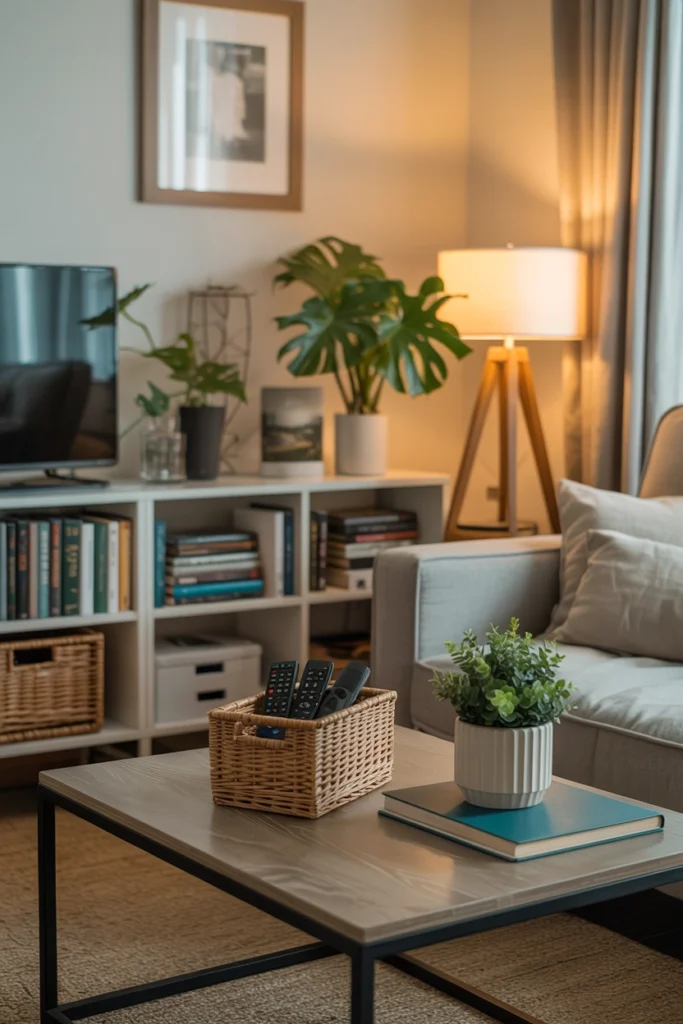
Mismatched frames are one of the most subtle but persistent reasons a wall display looks unfinished rather than curated. When frames vary wildly in color, finish, and style, the eye has no common thread to follow and the display reads as random rather than intentional. The fix is simple and inexpensive. Choose one frame finish and stick to it across your wall display.
All black, all natural wood, all white, or all gold. The art inside the frames can vary as much as you like in subject, size, and style because the consistent frame finish does the unifying work. If you already own mismatched frames, a can of spray paint in a single color applied to all of them takes an afternoon and costs almost nothing.
4. Always Complete a Surface With Three Elements
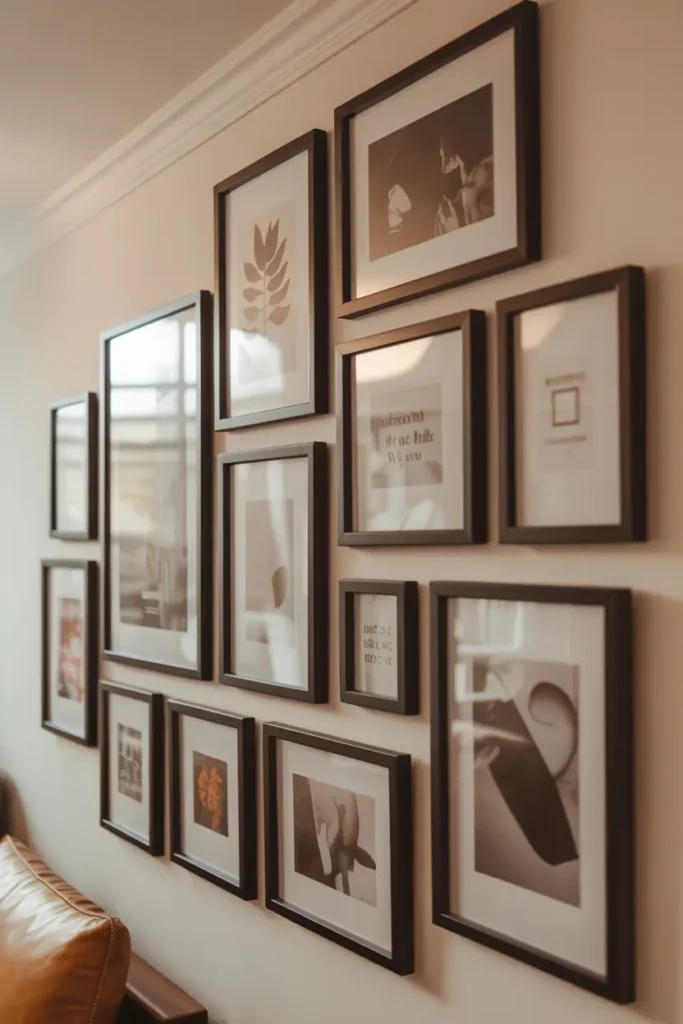
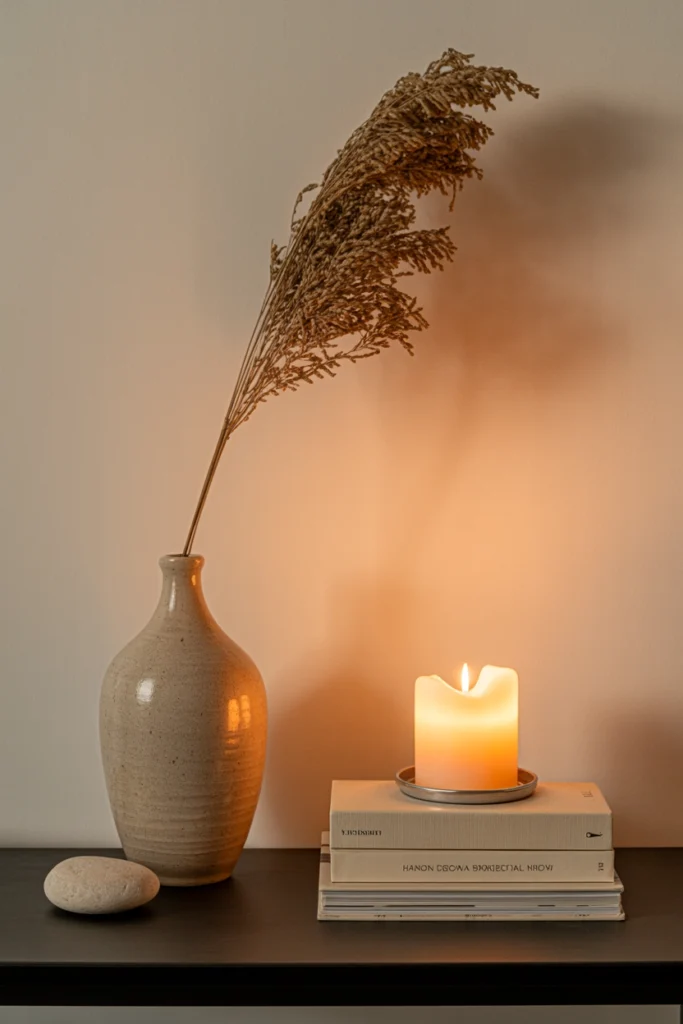
Professional stylists use a simple formula for surface styling that works every single time. Group objects in threes, varying height, texture, and scale within the group. One tall element, one medium, one small. One organic element like a plant or natural object, one functional element like a candle or book, and one purely decorative element like a ceramic or small sculpture.
This formula works on coffee tables, nightstands, console tables, bathroom counters, and kitchen shelves. It creates visual balance without symmetry, which is what makes it feel styled rather than arranged. Most people already own enough objects to apply this formula to every surface in their home without buying a single new thing.
5. Hang Everything at the Correct Height
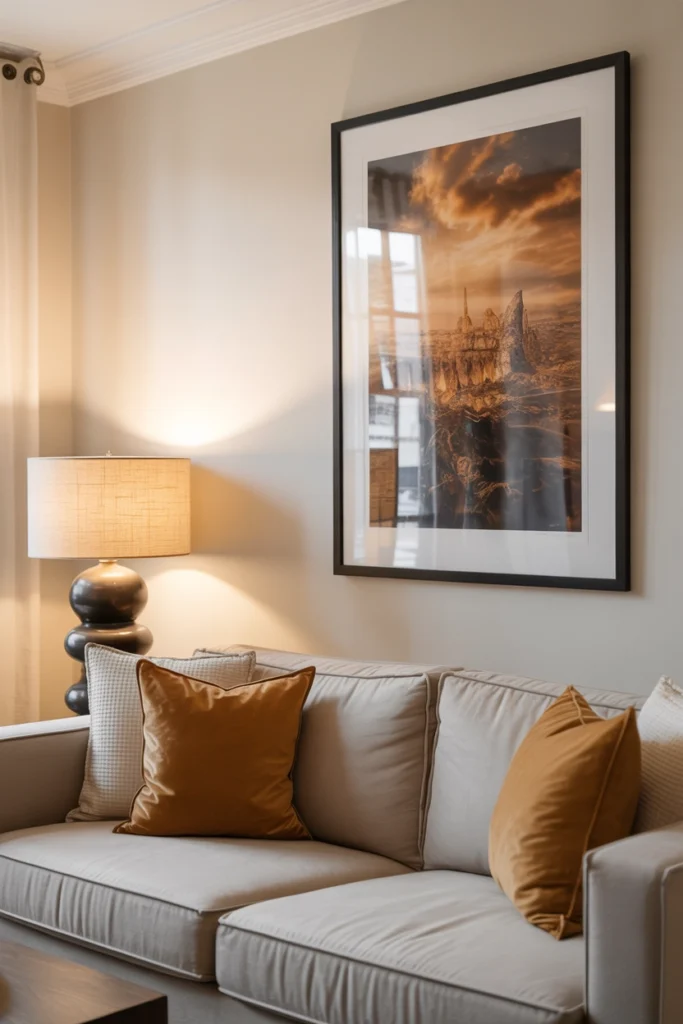
Improperly hung art and mirrors are one of the most common reasons walls look unfinished even when the pieces themselves are beautiful. The standard guideline that designers follow is to hang the center of any wall piece at approximately eye level, which translates to roughly 57 to 60 inches from the floor in most spaces.
Art hung too high sits disconnected from the furniture below it and makes the ceiling feel lower. Art hung at the right height feels anchored and intentional, like it was placed with thought rather than guesswork. This costs absolutely nothing to get right. Measure once before you put the nail in the wall and the difference in how finished the room looks is immediate and significant.
6. Layer Your Lighting for Depth and Warmth
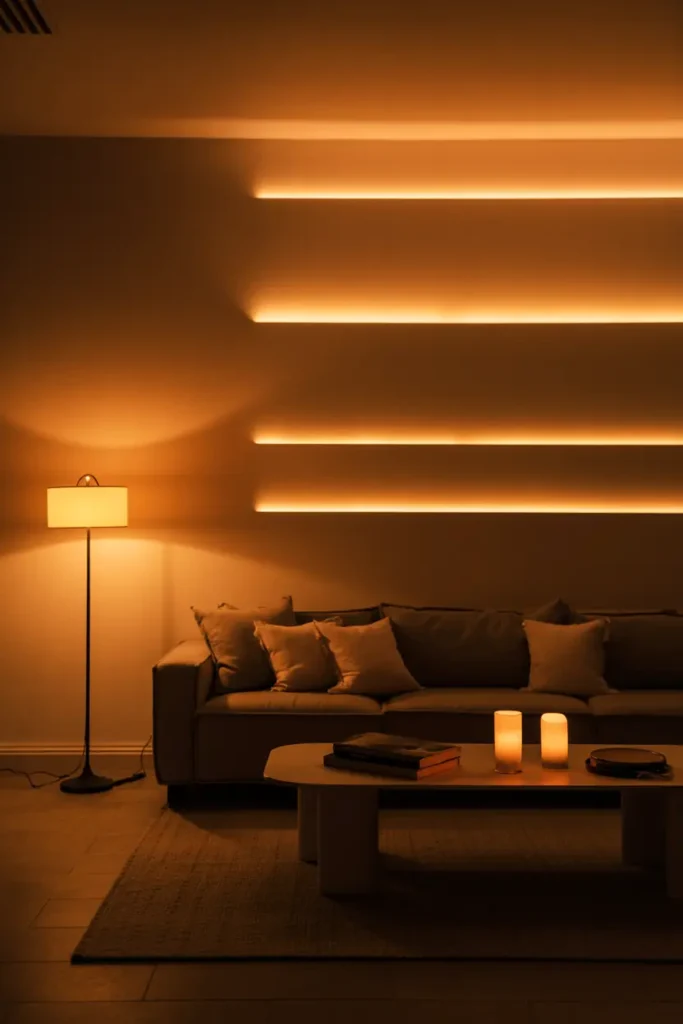
A room lit by a single overhead source almost always looks flat, clinical, and unfinished regardless of the quality of its furniture and decor. Layered lighting, multiple sources at different heights creating overlapping pools of warm light, is what separates a room that feels designed from one that merely has stuff in it.
The practical version of this for a budget decorator involves adding a floor lamp to a dark corner, placing a small table lamp on a shelf or side table, setting candles on a tray on the coffee table, and switching all existing bulbs to warm white LEDs. None of these changes costs much individually but together they create a depth and warmth in the room that makes everything in it look better.
7. Choose One Focal Point and Let It Lead
Every room that feels put together has a clear focal point, one element that the eye travels to naturally when you enter the space and that everything else in the room relates to. In a living room it might be a styled shelf, a piece of art, or a beautiful plant arrangement. In a bedroom the focal point is almost always the bed and the wall behind it. In a dining room it could be a pendant light or a sideboard with a mirror above it.
The problem in most rooms that feel unsettled is that too many things compete for attention equally. Identifying your focal point and then deliberately subordinating everything else to it creates a hierarchy of visual interest that makes the room feel organized and intentional.
8. Declutter Before You Add Anything New
This is the step that most decorating guides bury or skip entirely, but it is almost always the most important one and it is completely free. No amount of beautiful, thoughtfully chosen decor makes a cluttered room feel put together. Clutter creates visual noise that overwhelms the senses, makes individual pieces invisible, and gives the room an unsettled, unfinished energy that purchasing cannot fix.
Before adding anything new to a room, take everything off every surface, clean underneath and behind things, and put back only what genuinely belongs there and adds something to the space. The breathing room that results from this process is itself a form of decoration. A thoughtfully edited room always looks more expensive, more intentional, and more finished than an overfull one.
9. Use a Rug to Anchor Every Seating Area
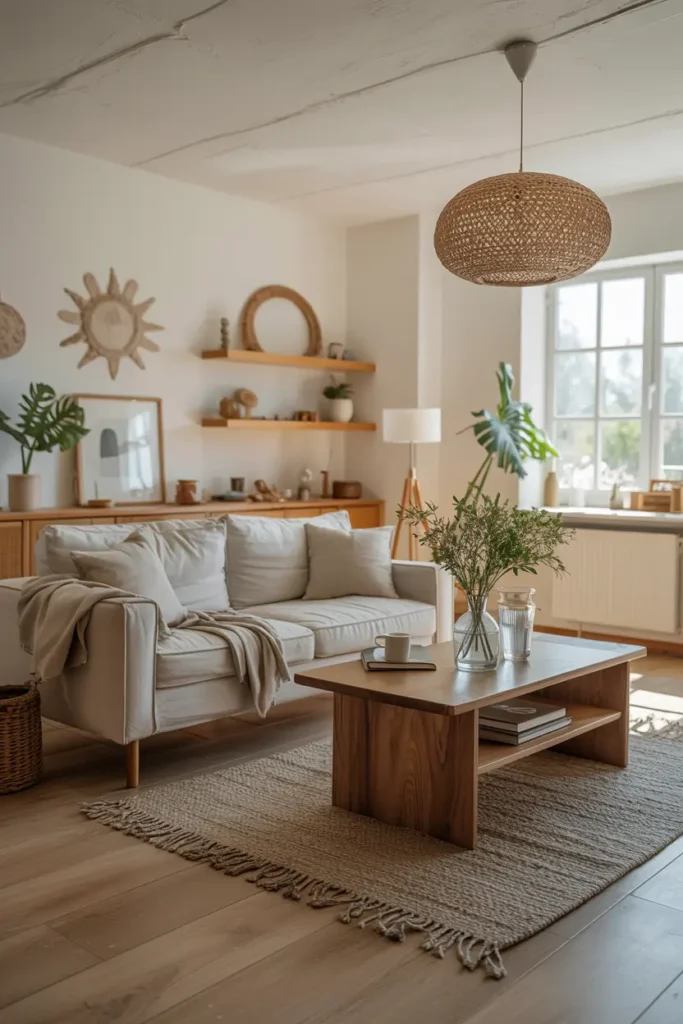
A floating seating arrangement, chairs and a sofa arranged around a space with no rug underneath, almost always looks unfinished and slightly disconnected. A rug anchors the furniture to the floor, defines the seating zone, and creates a visual boundary that makes the whole arrangement feel intentional and complete. The most important thing to get right with a rug is the size.
Too small and it looks like an afterthought placed in the middle of the furniture rather than underneath it. The front legs of all your seating pieces should sit on the rug at minimum. Getting this relationship right between rug and furniture transforms an arrangement that looked random into one that looks designed.
10. Keep Transitions Between Rooms Smooth
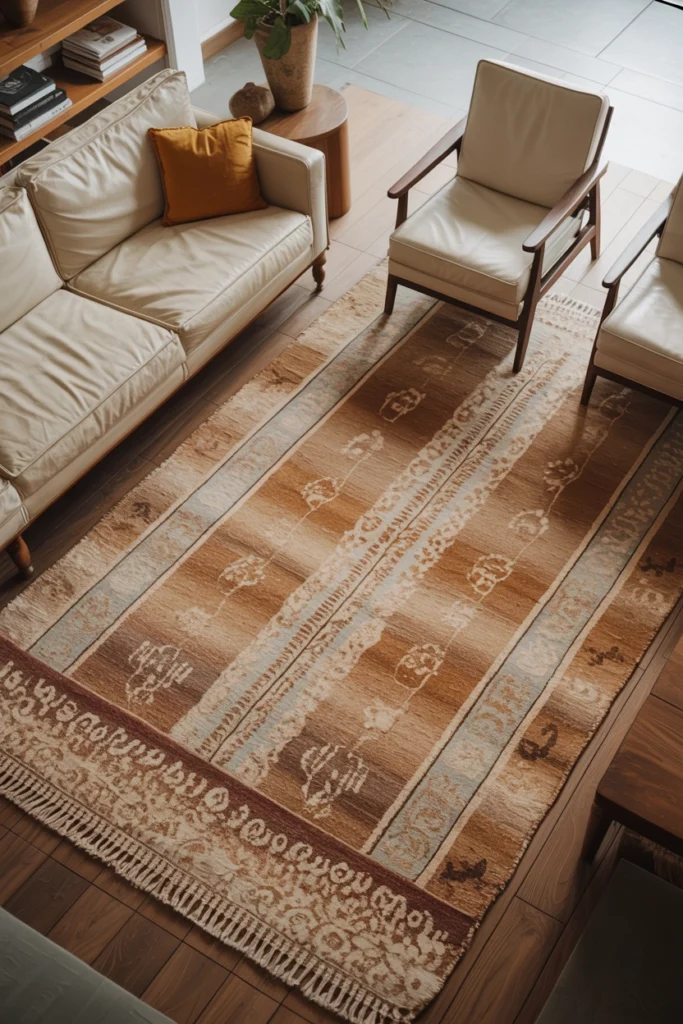
A home feels put together not just room by room but as a whole, and one of the things that undermines that overall cohesion is jarring transitions between spaces. When each room has its own completely different color palette, style, and feeling, moving through the home feels disjointed rather than flowing. You don’t need every room to look the same. You need a thread of continuity running through the whole home. Repeating one or two colors across different rooms. Using similar materials or finishes in each space.
Maintaining a consistent warmth of lighting throughout. These connecting threads are invisible in the sense that guests won’t consciously notice them, but they will feel the difference between a home that flows and one that doesn’t.
11. Bring in Natural Textures to Add Depth
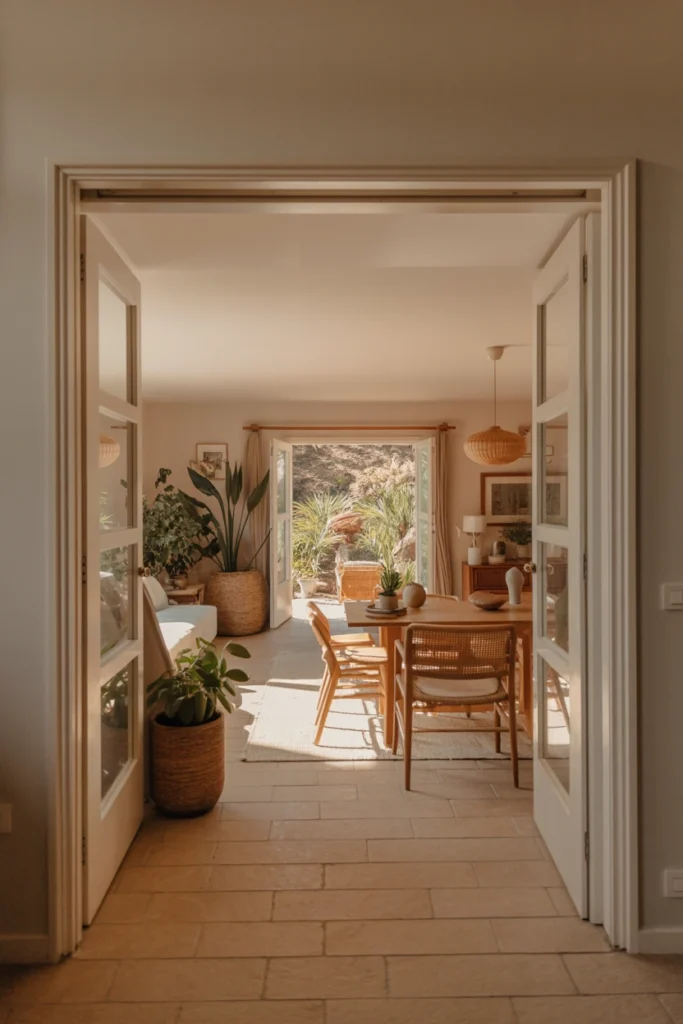
A room where every surface has a similar quality, all smooth, all shiny, or all matte and flat, feels one-dimensional even when it is well-organized and clean. Natural textures break this monotony and add a layer of visual and tactile richness that makes a room feel genuinely layered and considered. Jute, rattan, linen, unfinished wood, woven cotton, raw ceramics, and dried botanicals all introduce organic texture at very affordable price points.
A jute basket beside the sofa. A rattan tray on the coffee table. A linen cushion cover. A raw ceramic mug displayed on a kitchen shelf. Each individual piece costs very little but together they create a depth and warmth that makes a room feel thoughtfully assembled rather than randomly furnished.
12. Style Your Bedroom Like a Hotel
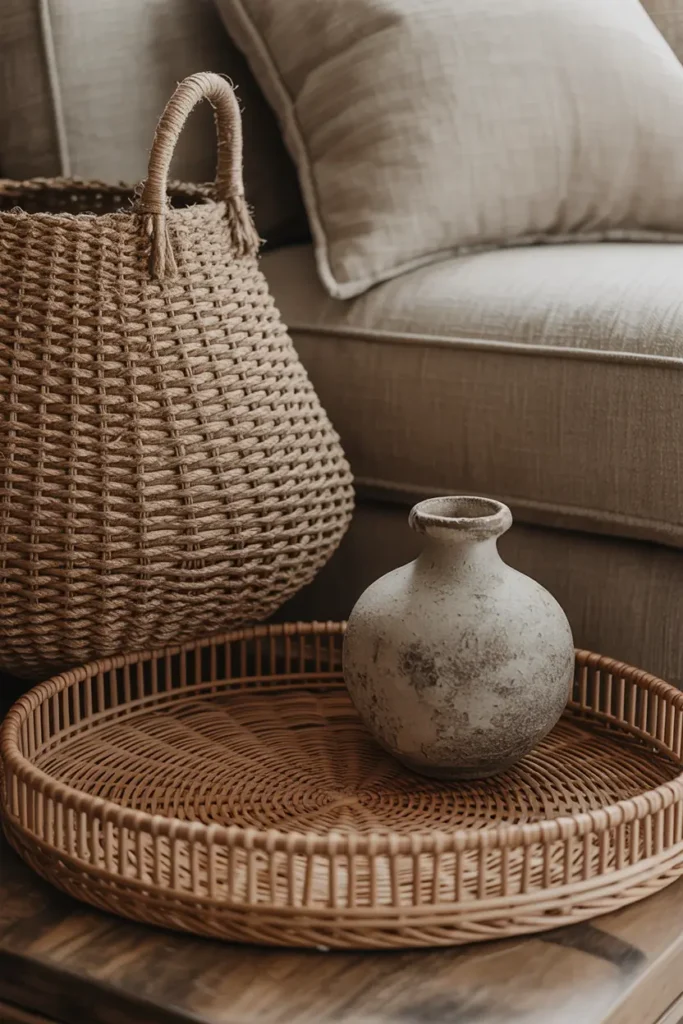
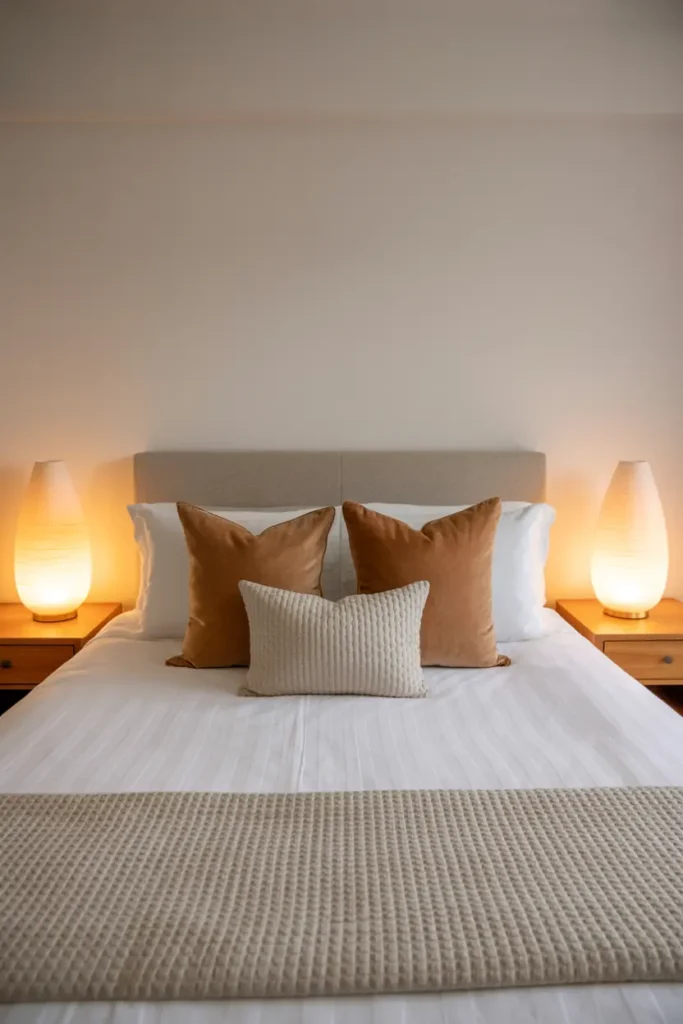
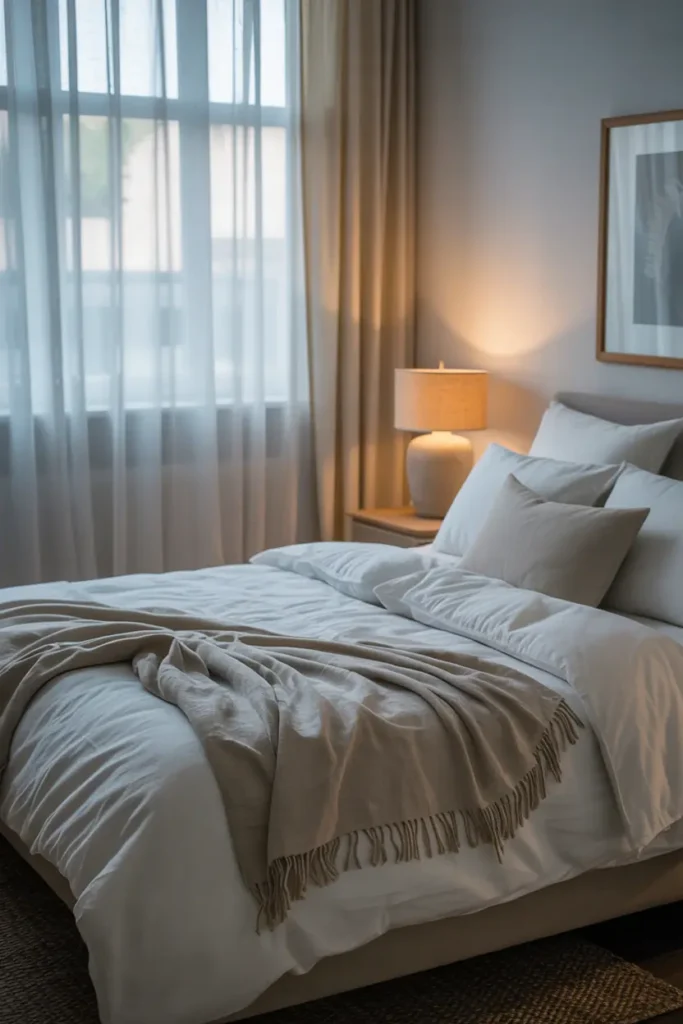
The rooms that feel most put together in real homes are often the ones that take cues from well-designed hotel rooms. Not in terms of expense but in terms of discipline and intention. A hotel room feels finished because it follows a consistent approach to every element. The bed is always made and always layered. Surfaces hold only what belongs there. Lighting is warm and layered.
There are no random objects sitting around without purpose. The bathroom has folded or rolled towels and minimal counter clutter. Adopting this hotel-room discipline in your own bedroom, making the bed every morning with proper layering, keeping surfaces edited, and maintaining warm lighting, costs nothing and makes the room feel significantly more intentional and complete.
13. Add a Plant to Every Major Room
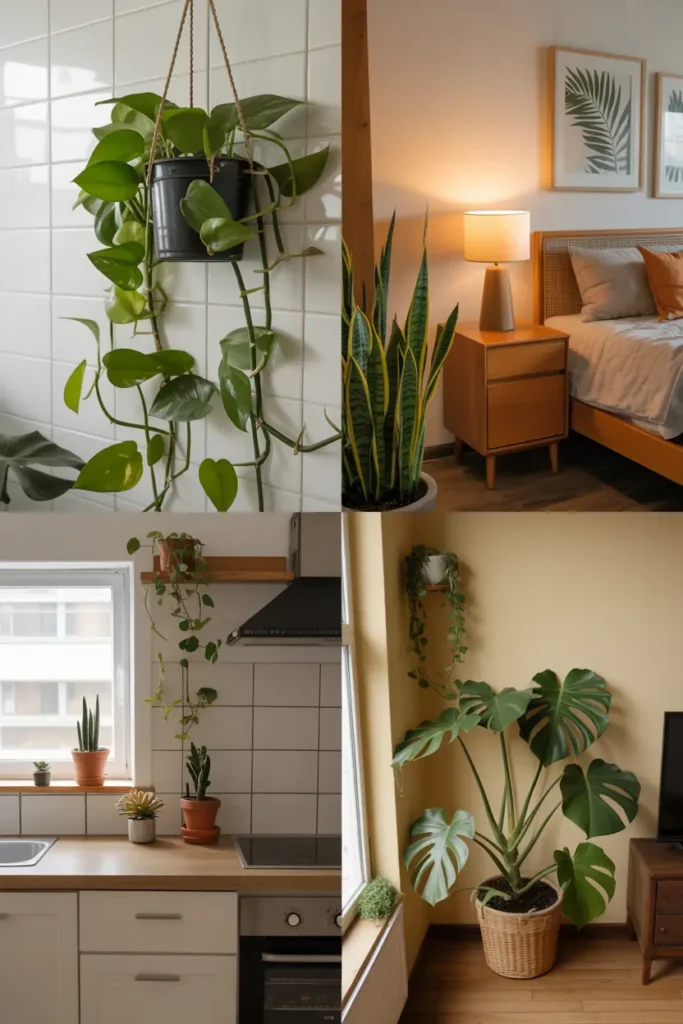
A home where plants appear consistently throughout feels more alive, more cared for, and more put together than one where they are absent or confined to a single space. Plants add color, life, and organic softness to a room that manufactured objects cannot replicate. They also signal attentiveness, someone chose this plant, placed it here, and keeps it alive, which contributes to the feeling that the whole space is being actively cared for.
You don’t need rare or expensive plants. A pathos in the bathroom, a snake plant in the bedroom corner, a small succulent on the kitchen windowsill, and a larger statement plant in the living room create a green thread throughout the home that ties the whole space together beautifully.
14. Edit Your Cushions and Throws With Intention
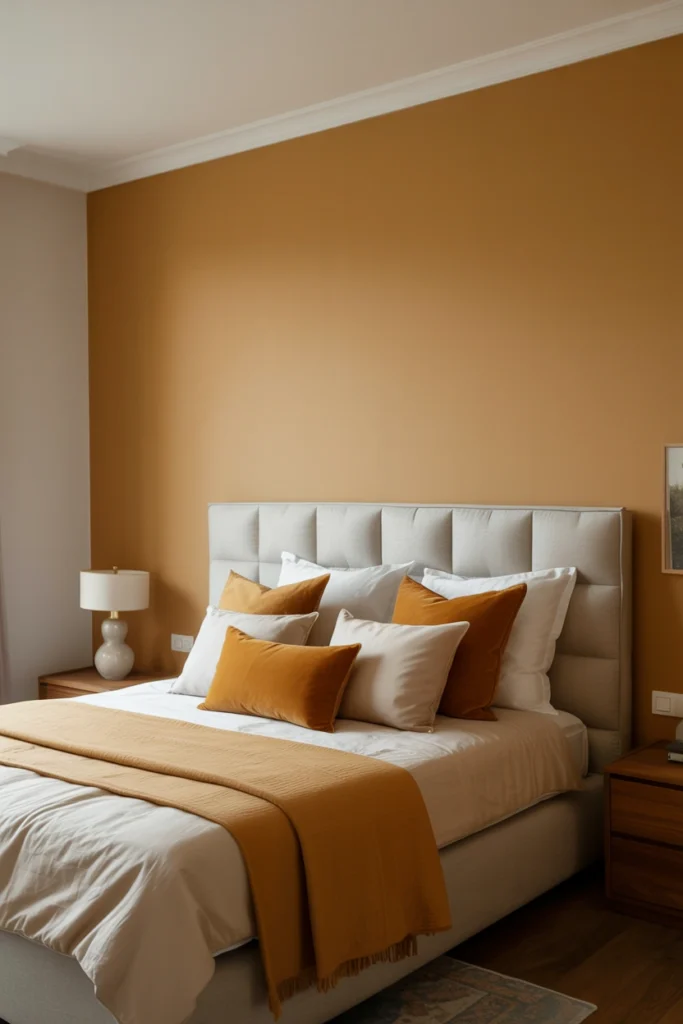
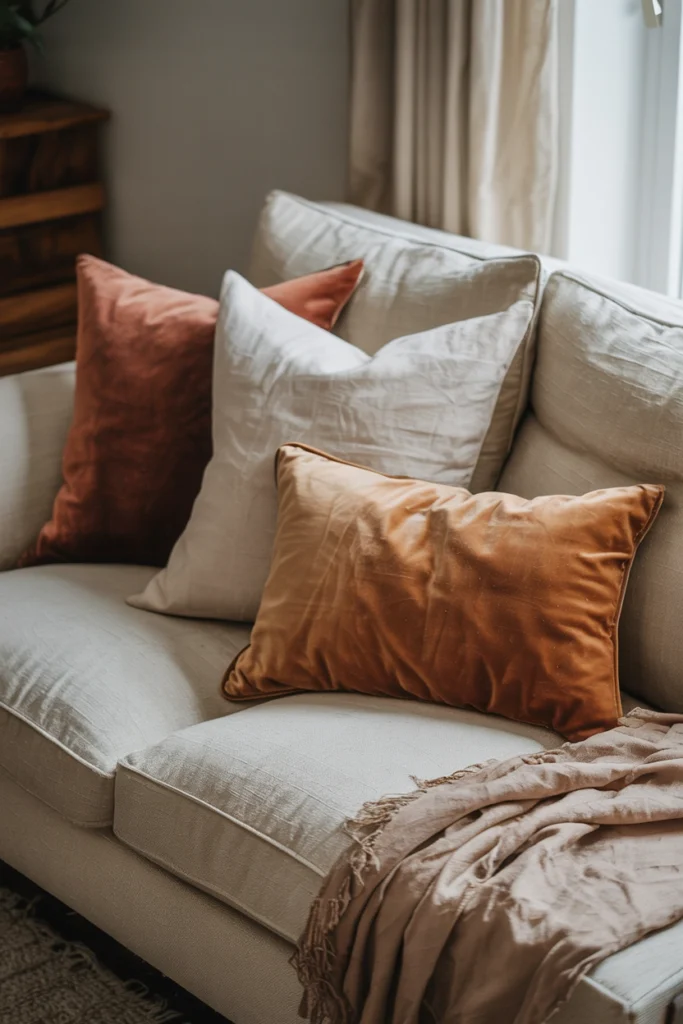
Most sofas and beds in real homes are either underpillow, looking sparse and slightly unloved, or overpillow, looking chaotic and cluttered. The put-together version sits in a deliberate middle ground. For a sofa, two to four cushions is usually the right number depending on the size. Mix sizes, using a larger cushion behind a smaller one, and introduce at least two different textures. Choose colors that relate to your room’s color story rather than matching each other exactly.
For a bed, layer from largest euro shams at the back to smaller decorative cushions at the front. Fold a throw across the foot rather than draping it randomly. These small adjustments to things you already own make an immediate difference to how finished each room feels.
15. Create Visual Flow With Consistent Materials
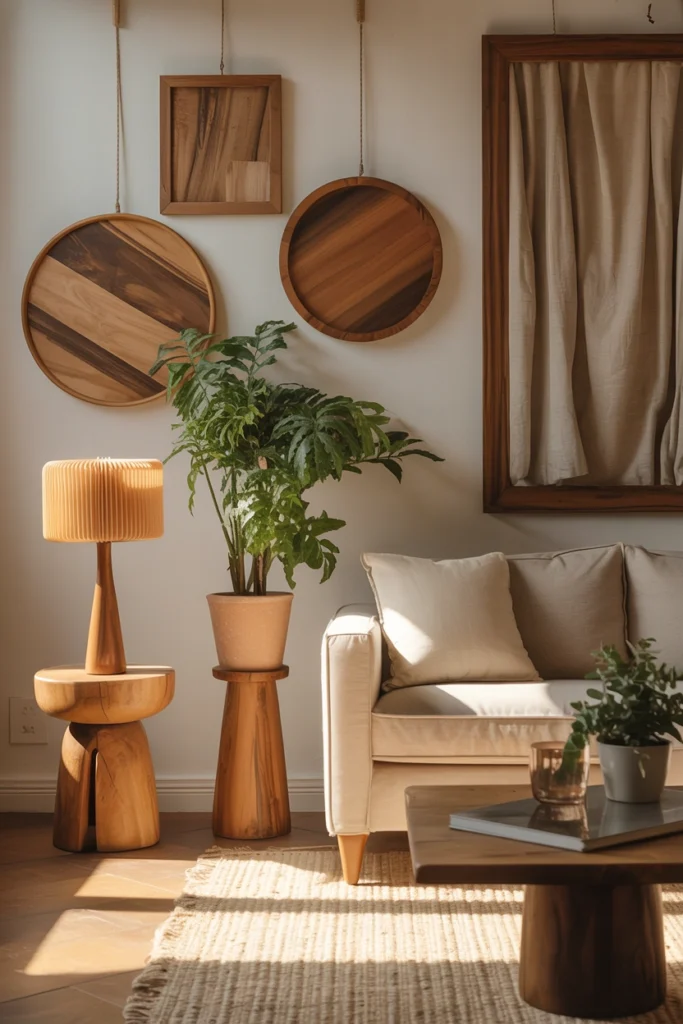
One of the techniques that professional interior designers use consistently is repeating a specific material throughout a room or home to create a thread of visual continuity. Choosing one material and allowing it to appear in several places ties a space together in a way that feels deliberate and cohesive. Natural wood is one of the most versatile options for this.
A wooden tray on the coffee table, a wooden frame on the wall, a wooden plant stand in the corner, and a wooden cutting board in the kitchen all speak the same material language even when they are very different objects. This repetition creates a subtle but powerful sense of intention that makes a room feel designed from a consistent point of view.
16. Keep Bathroom Surfaces Almost Clear
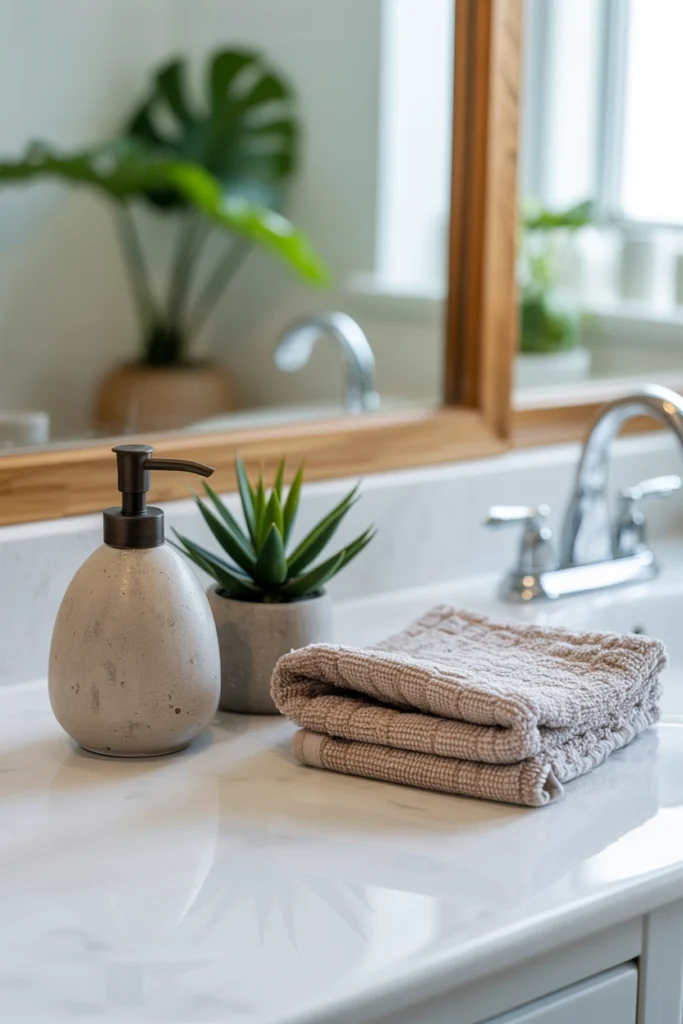
The bathroom is one of the rooms where surface clutter has the most damaging effect on how put together the space feels. A bathroom counter crowded with products, random objects, and daily-use items looks chaotic and slightly neglected even when it is technically clean. The solution is to store the majority of products out of sight in a cabinet or basket and keep the counter surface to an absolute minimum. A soap dispenser, one small plant, and a folded hand towel is genuinely all that needs to be visible.
Everything else goes in a drawer or cabinet. This level of surface discipline in a bathroom makes the whole room feel intentional and elevated at no cost beyond the habit of putting things away.
17. Use Curtains to Frame Rather Than Just Cover Windows
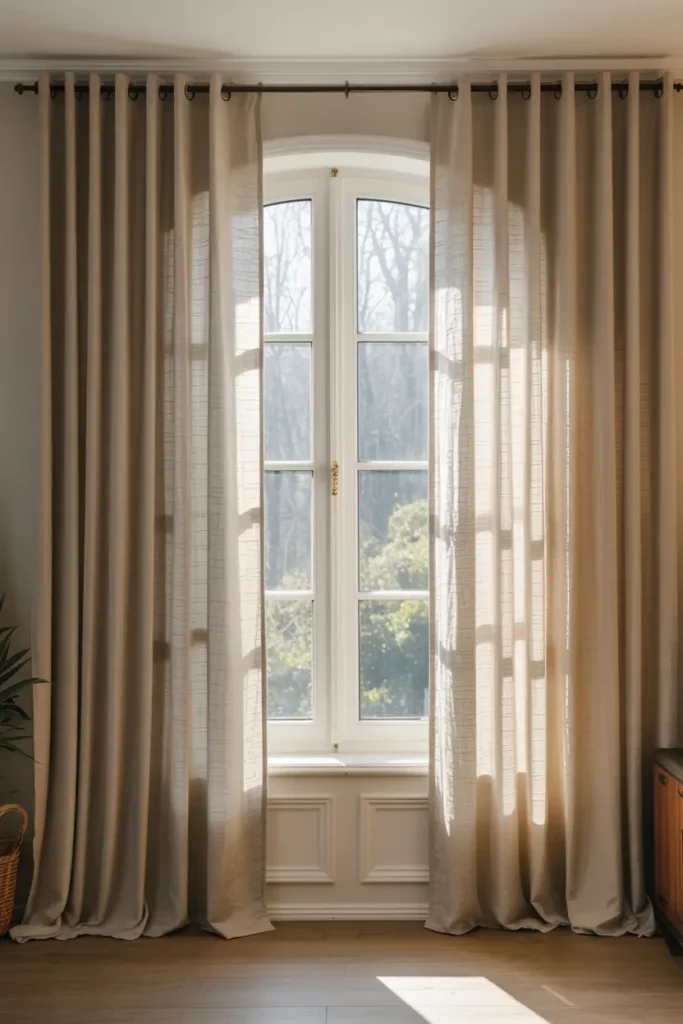
Most people hang curtains purely for privacy and light control without considering their decorative potential. But curtains are one of the most powerful architectural elements in a room when hung correctly. The difference between curtains hung just above the window frame and curtains hung close to the ceiling, extending past the window on each side, is dramatic.
The latter version makes ceilings feel taller, windows feel larger, and the room feel more considered and complete. Simple linen or cotton panels in white, cream, or warm grey are inexpensive and universally flattering. Getting the hanging height and width right is completely free and transforms the entire feel of a room in a way that nothing else quite matches.
18. Introduce One Statement Object Per Room
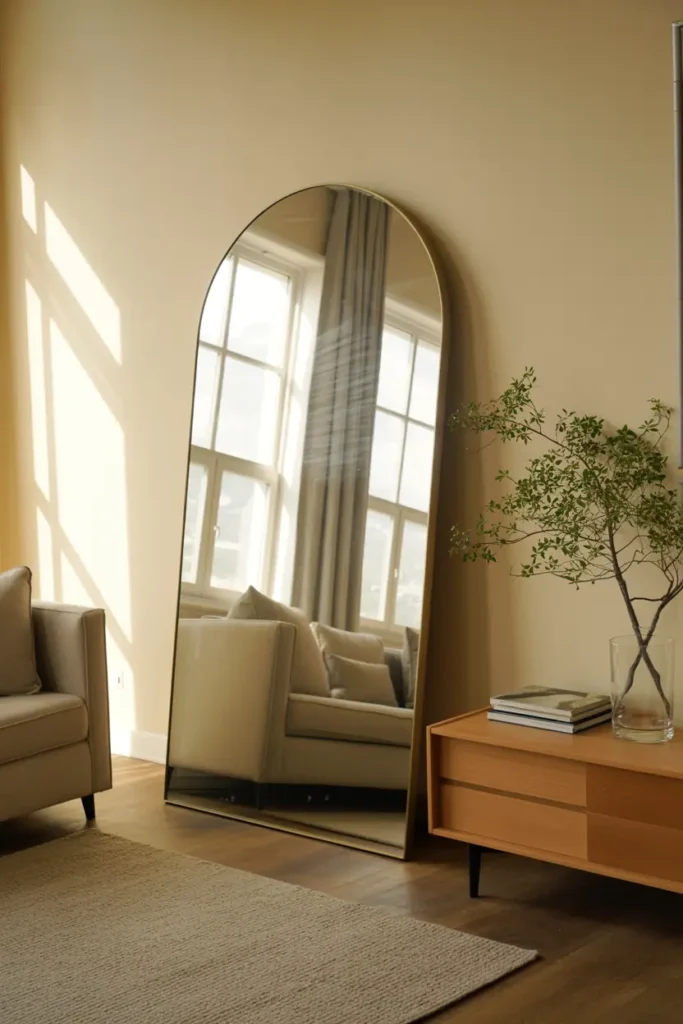
A room full of similarly sized, similarly weighted objects of equal importance feels flat and undifferentiated. Every room that feels truly put together has at least one object that carries more visual weight than everything around it, something that commands attention and gives the rest of the room something to relate to. This doesn’t need to be expensive. A tall dramatic plant. A large piece of framed art. An oversized mirror.
A beautifully shaped lamp. An interesting piece of furniture with a distinctive silhouette. One confident statement object gives the room a sense of hierarchy and intention that a collection of equally weighted smaller pieces never achieves. Everything else in the room can be simple and affordable as long as that one anchor piece is doing its job.
19. Finish Every Corner With Purpose
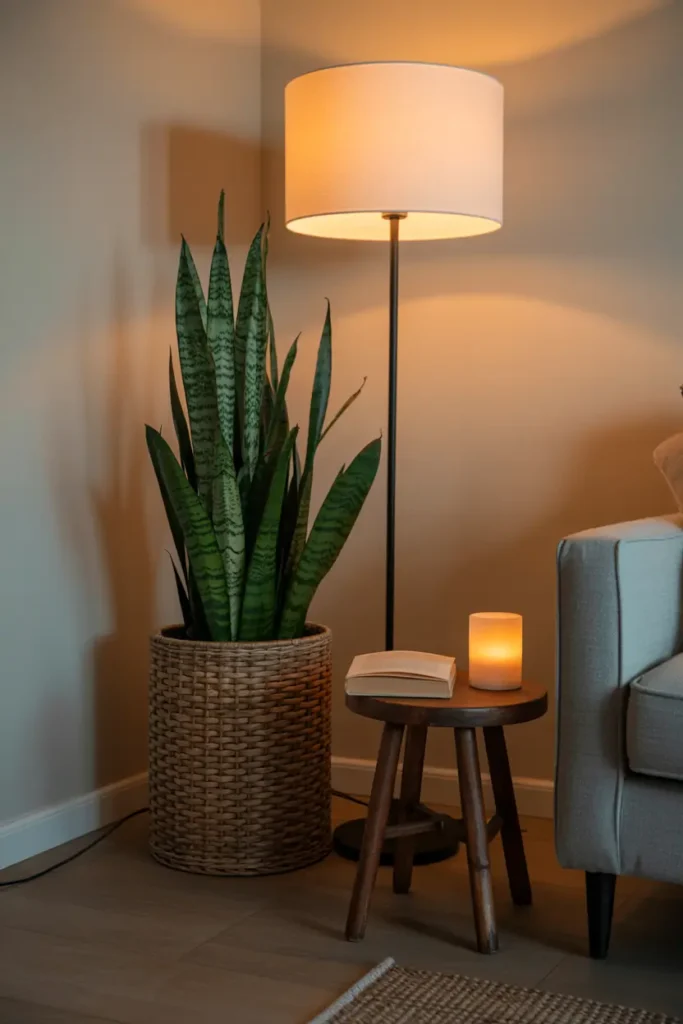
Dead corners are one of the most reliable indicators that a room hasn’t been fully thought through. They accumulate dust, attract random objects, and create blank visual voids that make the room feel incomplete. Activating every corner with even a simple and affordable purpose transforms the room from partially decorated to fully considered. A tall plant in a woven basket.
A floor lamp beside a small stool. A stack of large format books with a trailing plant on top. A vintage ladder leaned against the wall holding throw blankets. A small armchair with a throw draped over it. Any of these corner solutions costs very little and contributes to the sense that the whole room has been thought about from edge to edge rather than just in the middle.
20. Make the Bed Every Single Morning
This final idea costs nothing and takes three minutes but its effect on how put together a bedroom feels throughout the day is more significant than almost any decorating purchase you could make. A made bed is the anchor of a bedroom. When it is done well, with layers straightened, pillows arranged, and a throw folded neatly at the foot, the whole room feels ordered and intentional even if nothing else has been tidied.
An unmade bed does the opposite. It makes even a beautifully decorated room feel incomplete and slightly chaotic. The habit of making the bed every morning is the single most affordable and most consistently impactful decor decision available. It is also the clearest possible signal that the home is being actively cared for.
Conclusion
A room that feels genuinely put together is not the result of a big budget or a dramatic makeover. It is the result of many small decisions made consistently and with intention. Committing to a color story. Hanging art at the right height. Anchoring furniture with a properly sized rug. Keeping surfaces edited and purposeful. Layering light from multiple warm sources.
Activating every corner. Making the bed every morning. None of these things costs much and several of them cost nothing at all. But together they create a home that feels complete, coherent, and genuinely cared for in a way that random spending never achieves. Go through this list one idea at a time, apply what feels most relevant to your space right now, and watch how quickly your rooms begin to feel like the finished, put-together home you have always wanted.