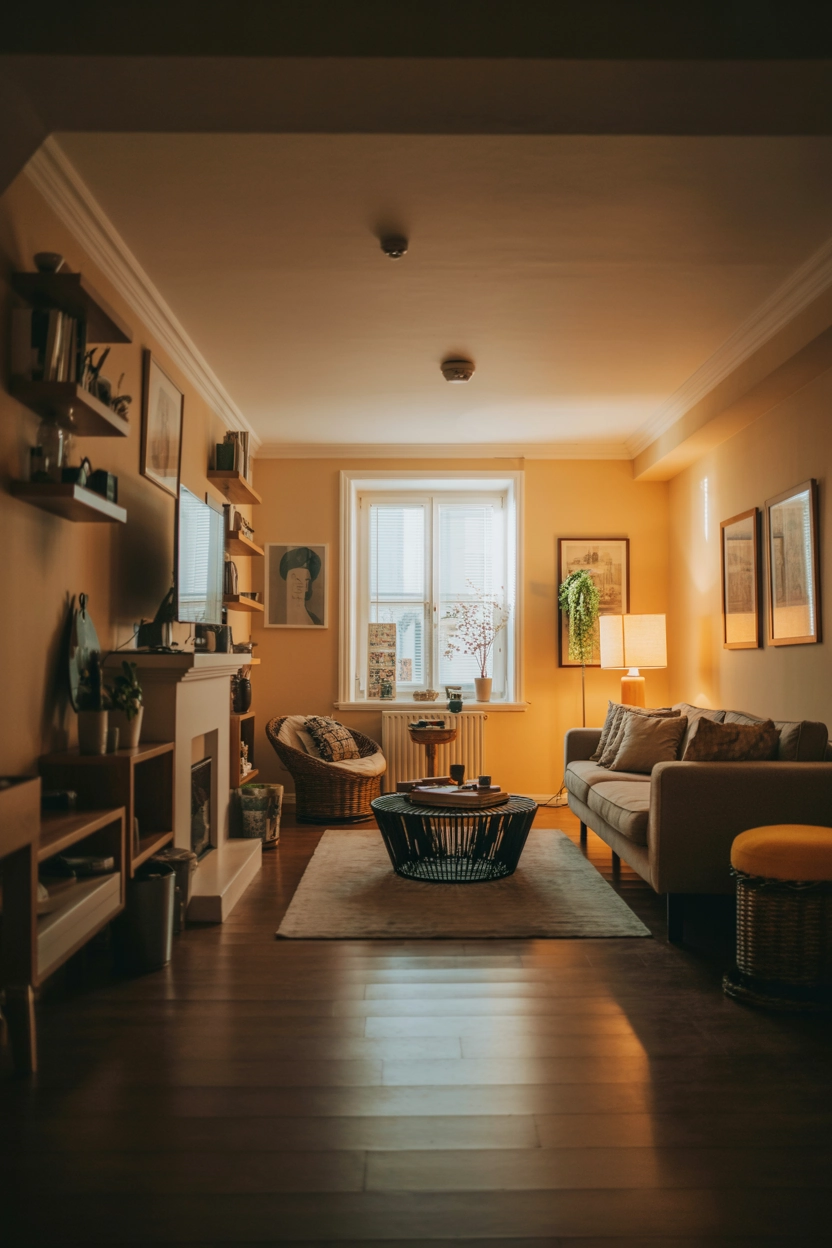
Compact living has stopped being a compromise and started being a design discipline. The apartments getting the most attention in 2026 aren’t the sprawling ones — they’re the 500-square-foot studios where every object earns its footprint and the whole space reads larger than its floor plan. That’s not luck. It’s a set of repeatable decisions about light, scale, and editing, and they work whether you’re in a city studio or a snug two-bedroom.
The fifteen ideas below build on each other, but you don’t need all fifteen. Three or four, done well, will change how your home feels more than a full redecoration done carelessly. Start with the ones that cost the least and fix the biggest visual problem in your space.
1. Use Mirrors Strategically to Open Up the Space
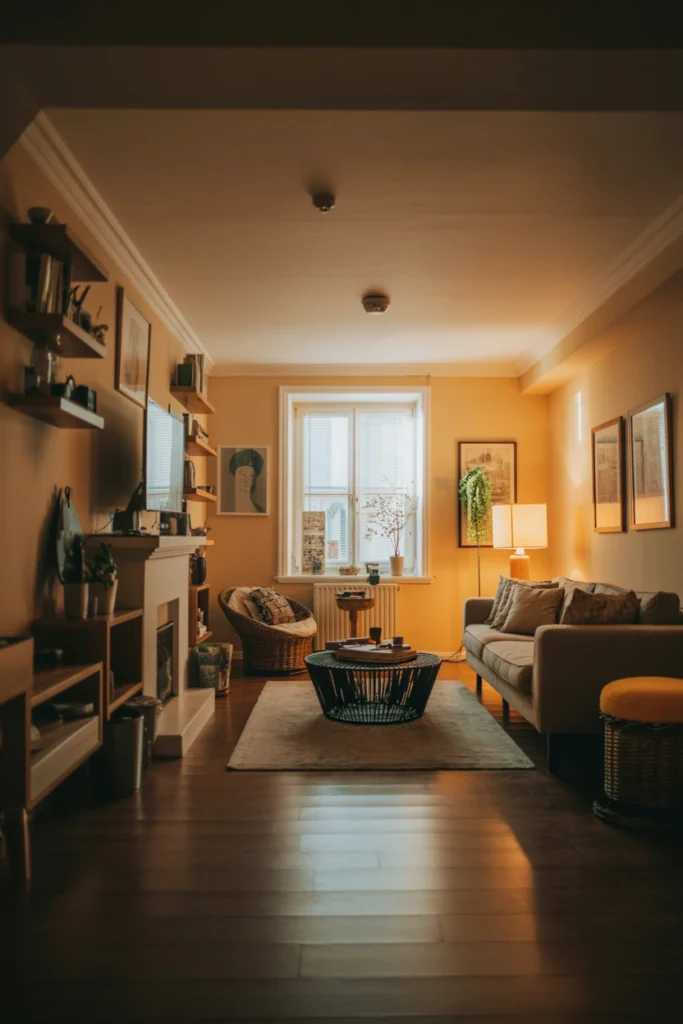
A mirror placed opposite or adjacent to a window effectively doubles your daylight — it bounces incoming light deep into the room instead of letting it die at the windowsill. The key word is strategic: one large mirror, around 60×20 inches for a leaning floor mirror ($80–$200), does more than a scattered collection of small decorative ones, which tend to read as clutter. Lean it against the wall rather than hanging it if you’re renting; just make sure the base sits on a rug or felt pads so it can’t slide.
Placement mistakes are common. A mirror facing a blank wall reflects a blank wall — wasted potential. A mirror facing a window doubles the view and the light. In a narrow hallway or entry, a mirror on the long wall visually doubles the width. And skip mirrored furniture in genuinely tiny rooms; the effect is busy rather than expansive.
2. Choose Multi-Functional Furniture
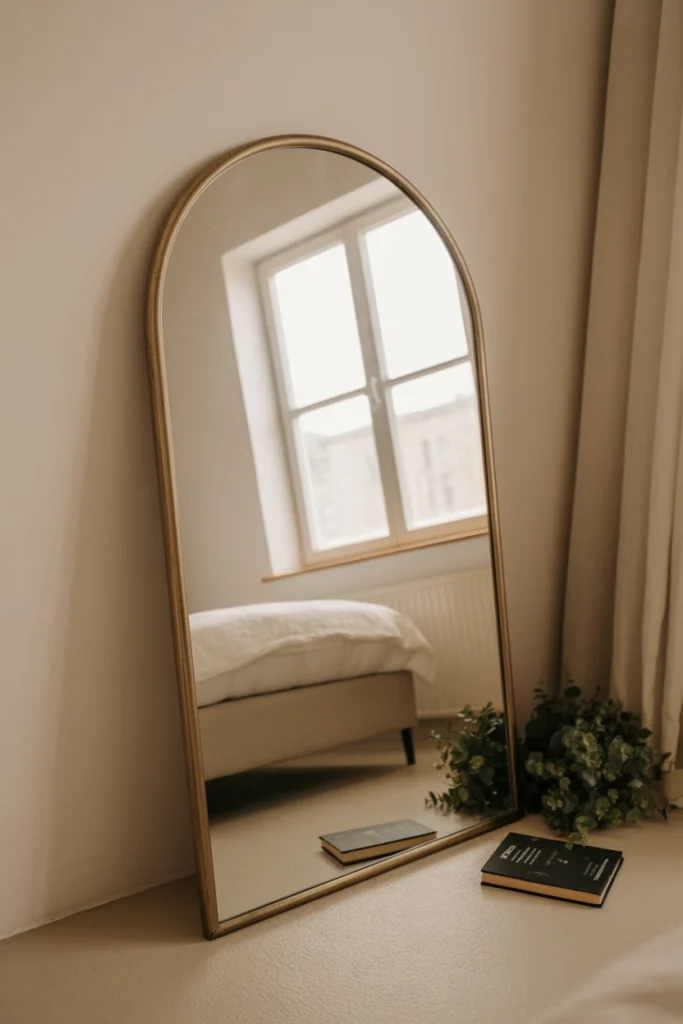
In a compact home, single-purpose furniture is a luxury you can’t afford. The modern sleeper sofa has come a long way from the lumpy pull-outs of the past — current models ($700–$1,500) fold out in under a minute and sleep two without a bar in anyone’s back. Storage ottomans ($40–$120) hold blankets and board games while serving as coffee table, extra seat, and footrest. A drop-leaf dining table seats two daily and six when it needs to, collapsing to console depth against the wall in between.
The tradeoff is real: multi-functional pieces are heavier, more complex, and harder to move. Test the mechanism in person if you can — a sleeper sofa whose fold-out fights you will never get used. And be honest about your actual life: if you host overnight guests twice a year, a quality air mattress plus a great daybed may serve you better than a mediocre sleeper sofa you sit on every day.
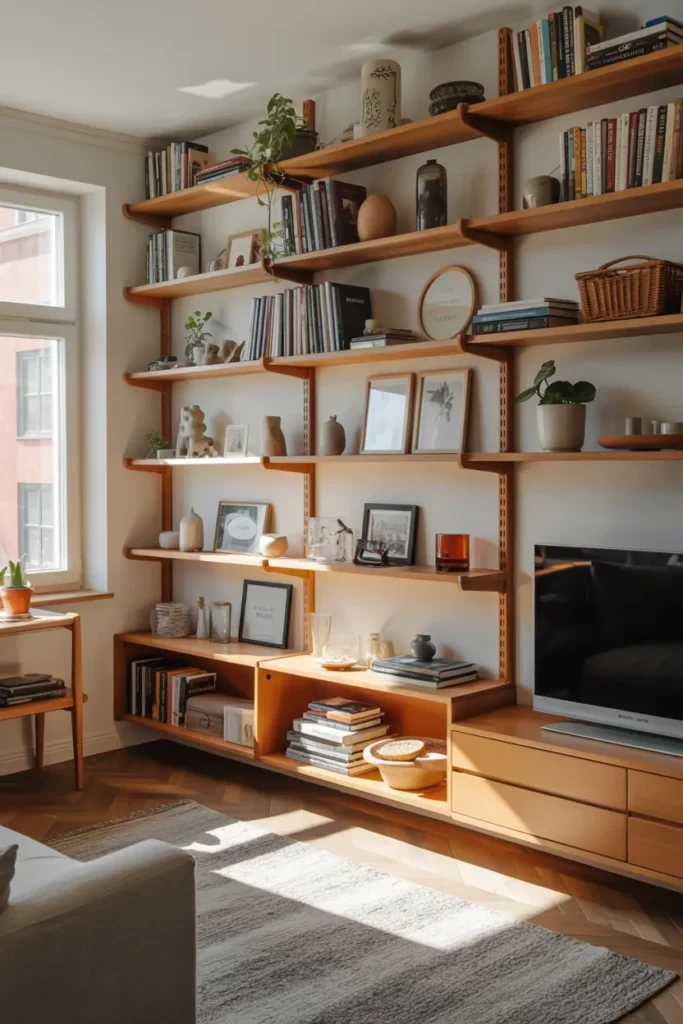
3. Embrace Vertical Space With Tall Shelving
Most people audit their floor space and stop there. The more useful question in a compact home is: how many of my walls are empty above the four-foot line? A 72-inch shelving unit occupies about two square feet of floor and gives you six tiers of storage — roughly the capacity of a small dresser. Freestanding towers in the $70–$180 range work in living rooms, bedrooms, and even bathrooms, and they draw the eye upward, which makes ceilings feel higher.
Two non-negotiables: anchor tall units to wall studs with anti-tip hardware (especially with kids or in earthquake-prone areas), and keep the top shelves for rarely used items so you’re not climbing daily. Style the shelves with the two-thirds rule — books and storage boxes on two-thirds, breathing room on one-third — or a full tower starts to look like a warehouse.
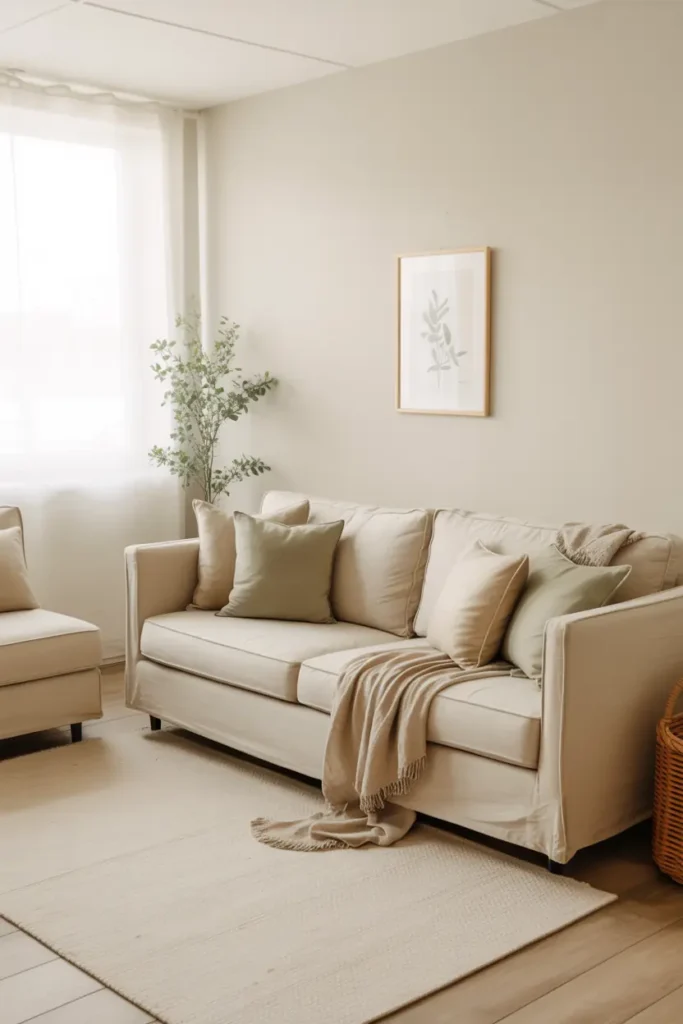
4. Stick to a Light and Cohesive Color Palette
Color controls perceived volume. In compact homes, the winning move is a tight palette: one dominant light neutral on the walls (warm white, pale greige, soft bone), one secondary tone for large textiles, and one accent you repeat sparingly. When the walls, trim, and ceiling sit within one or two shades of each other, the boundaries between surfaces blur and the room reads as one continuous, larger volume. A gallon of quality interior paint runs $35–$60 and covers ~350 square feet — repainting a studio is a weekend and under $150.
The common failure mode is “light but chaotic”: five different pale colors across walls, sofa, rug, and curtains that technically match nothing. Cohesion beats any individual color choice. If you crave drama, put it in one controlled dose — a deep green velvet cushion, a single art print — against the calm background. Contrast needs calm around it to work.
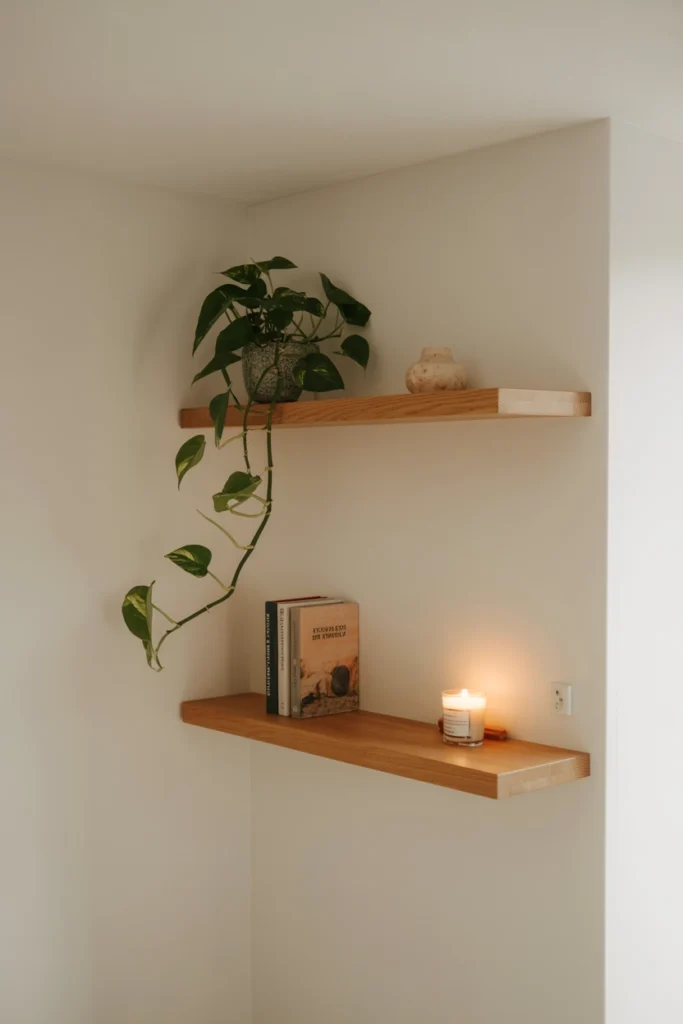
5. Use Floating Shelves Instead of Bulky Storage Units
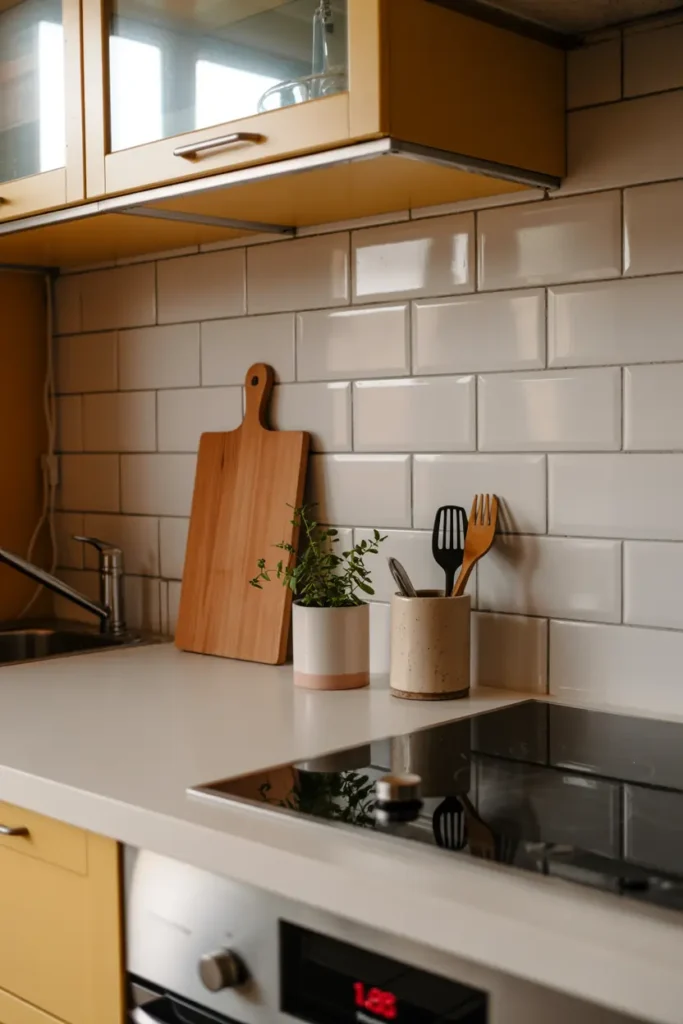
A floating shelf and a small bookcase hold similar amounts, but they read completely differently. The shelf shows the wall — and the floor — continuing underneath it, so the brain registers more open space. Two or three 36-inch floating shelves ($25–$60 each installed) above a desk or beside a TV replace a freestanding unit that would eat two square feet of floor and visually wall off part of the room.
Installation is where people go wrong. Floating shelves must hit studs — drywall anchors alone will sag or fail under books. A properly stud-mounted shelf with a concealed bracket typically supports 15–20 pounds per stud, so a 36-inch shelf hitting two studs handles a row of hardcovers easily. Keep depth to 8–10 inches; deeper shelves invite overloading and start to feel like cabinets.
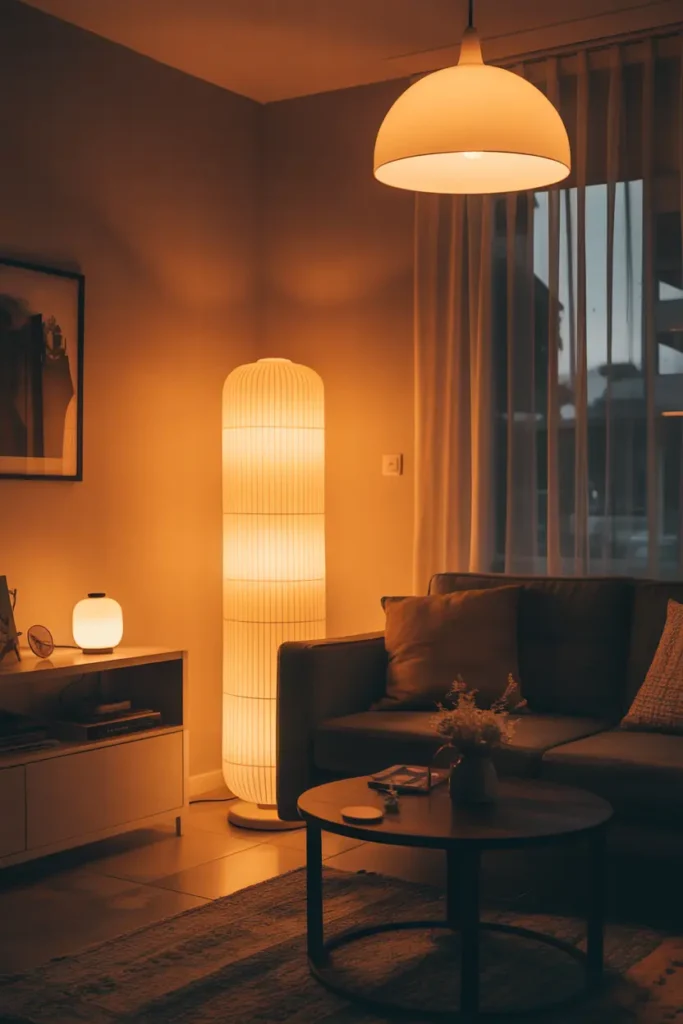
6. Invest in Good Lighting Across Multiple Levels
One overhead light is the fastest way to make a small home feel flat and institutional. Designers work in three layers — ambient (overall), task (reading, cooking), and accent (art, plants, corners) — and compact homes need all three because shadows make small rooms feel smaller. Aim for roughly 20 lumens per square foot of ambient light; a 200-square-foot living area wants about 4,000 lumens total, which two or three well-placed lamps deliver easily.
Budget this in tiers: a decent LED floor lamp runs $40–$90, a warm 2700K bulb multipack is under $15, and plug-in dimmers ($10–$20) let you tune brightness without rewiring. The single biggest upgrade is usually replacing cool-white bulbs with warm 2700K ones — it costs almost nothing and instantly makes a small space feel intentional rather than rented.
7. Add Indoor Plants for Life and Texture
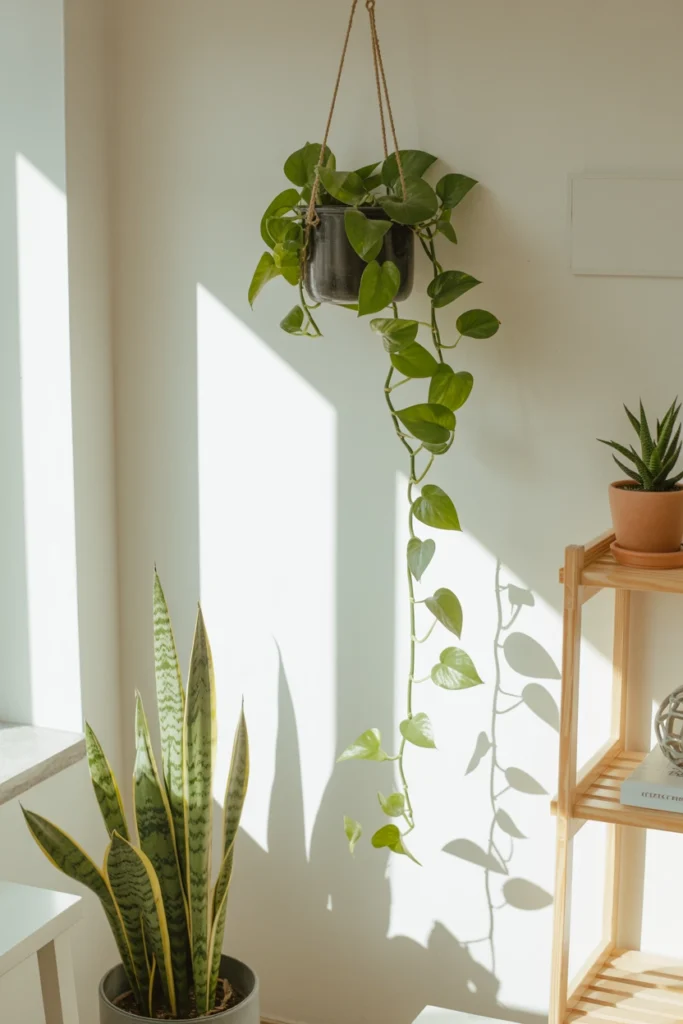
Plants do something no manufactured object quite manages: they add organic, irregular shape to rooms full of rectangles, and the eye reads that complexity as richness rather than clutter. In a compact home, go vertical and architectural — a snake plant or a tall fiddle-leaf in a 10–12 inch pot ($25–$60 for plant and pot) fills an empty corner that would otherwise need furniture. Trailing pothos on a high shelf greens the upper walls for under $15.
Match the plant to your actual light, not your aspirations. Low-light rooms: snake plant, ZZ plant, pothos. Bright windows: fiddle-leaf fig, bird of paradise, succulents. And contain the collection — five plants in matching or coordinated pots look designed; fifteen random pots look like a greenhouse annex. One watering schedule, written down, keeps them alive.
8. Define Zones in Open Plan Spaces With Rugs
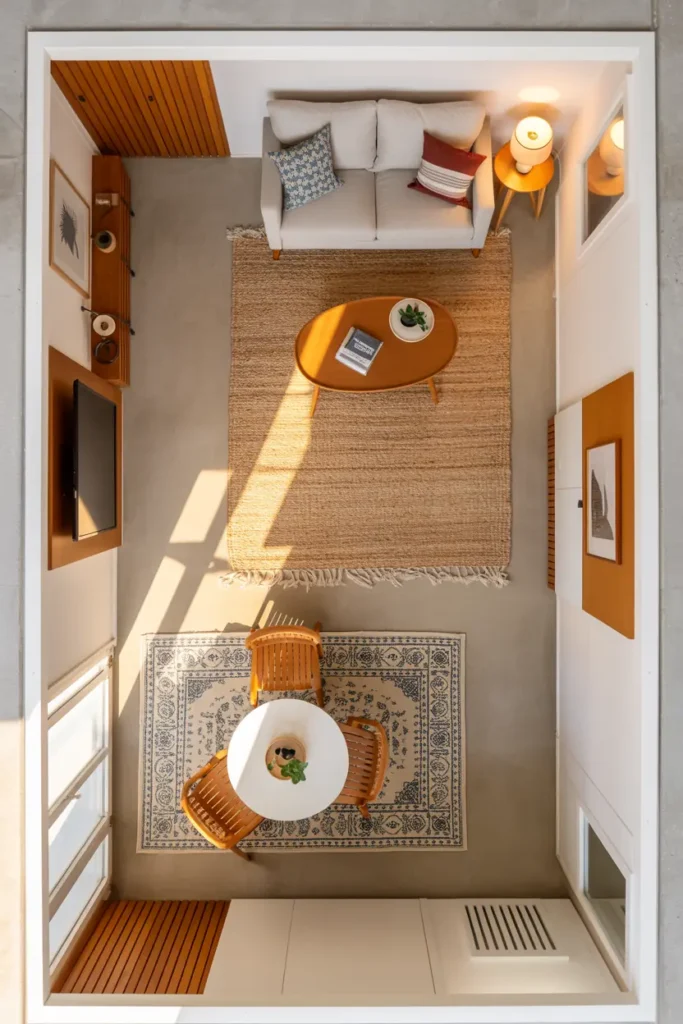
Open-plan studios fail when they read as one undifferentiated box — nowhere feels like “the living room” versus “the dining area.” Rugs are the cleanest fix: a 5×7 or 6×9 rug under the seating area ($80–$250 depending on material) draws an invisible boundary the brain respects. The front-legs rule keeps it looking right: at least the front legs of the sofa and chairs should sit on the rug, never floating just off its edge.
Two rugs in one open space need to relate — similar tone, different texture, or a shared accent color — or the zones fight each other. Leave 12–18 inches of bare floor between rug edges and walls in small rooms so the floor still reads as continuous. And in dining zones, size the rug so chairs stay on it even when pulled out: add 24 inches beyond the table on all sides.
9. Keep Surfaces Clutter-Free With Smart Organization
Clutter is the single most destructive force in a compact home — not because it’s ugly, but because it erases every other design decision you’ve made. The fix isn’t minimalism; it’s containment. Every category of small stuff gets a lidded home: a lidded basket for remotes and chargers ($15–$30), drawer dividers for the junk drawer, a lidded hamper instead of a pile. Closed storage hides the mess; open storage displays your discipline.
The maintenance system matters more than the containers. A ten-minute nightly reset — everything back in its home — keeps a small space permanently guest-ready, because in 500 square feet there’s nowhere for clutter to hide. Do a monthly audit of one shelf or drawer and remove what you haven’t touched; compact homes punish accumulation faster than large ones.
10. Use Curtains Hung High and Wide to Add Height
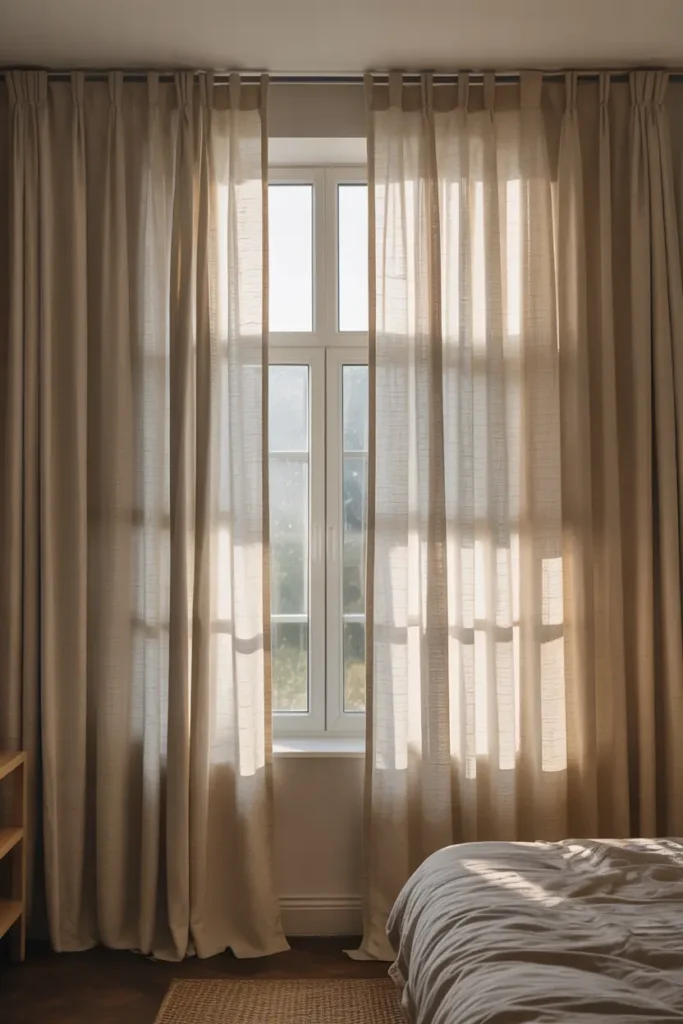
Window treatments chosen purely for privacy leave one of the cheapest height tricks on the table. Mount the rod 4–6 inches above the frame and 3–4 inches wider on each side, and the window instantly reads taller and grander — the eye follows the fabric line, not the actual glass. When open, the panels stack against the wall instead of covering glass, which maximizes daylight in rooms that can’t spare any.
Fabric weight changes the effect. Lightweight linen or cotton blends ($25–$60 per panel) filter light beautifully and suit small rooms; heavy velvet absorbs light and can overwhelm. Keep curtain color close to the wall color so the treatment extends the wall rather than cutting it in half. Floor-length, just kissing the floor — short curtains chop the wall and make ceilings feel lower.
11. Create a Feature Wall to Add Depth Without Clutter
A feature wall gives a compact room a focal point — somewhere for the eye to land — without adding a single piece of furniture. The 2026 approach is tonal rather than busy: limewash, a deep saturated paint color, or subtle plaster texture on one wall, with the other three staying light. A gallon of quality paint ($35–$60) covers a 10-foot accent wall twice over, making this the cheapest high-impact change on this list.
Choose the wall deliberately: the one you face when entering the room, or the wall behind the bed or sofa — never a wall broken up by doors and windows, which fragments the effect. And keep it to one wall. Two feature walls in a small room don’t double the drama; they cancel the calm that makes the first one work.
12. Choose Furniture With Exposed Legs for a Lighter Feel
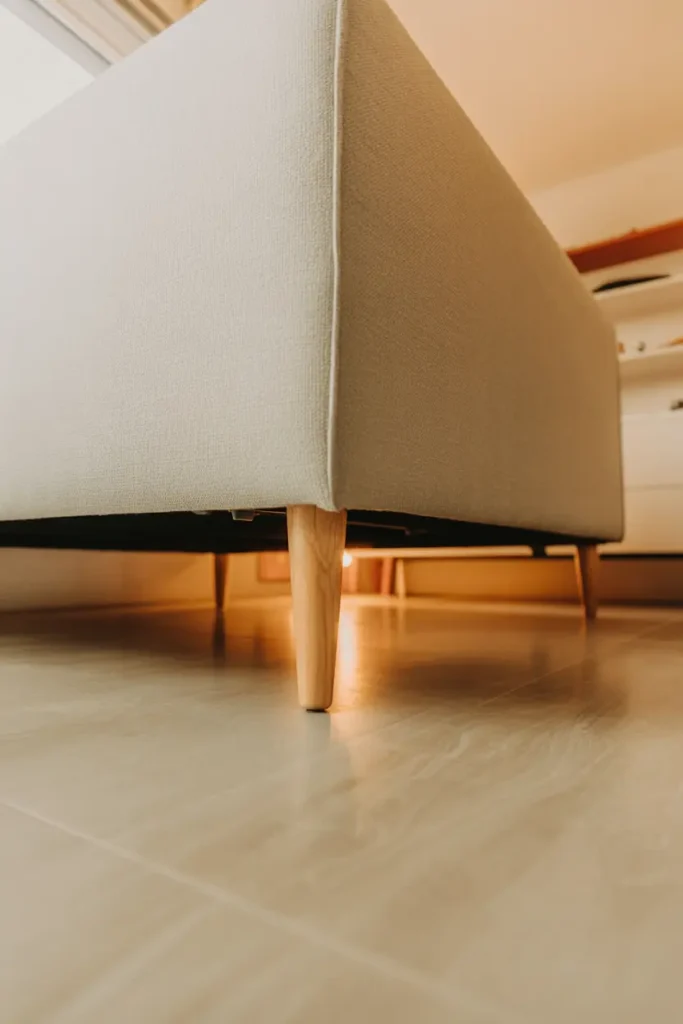
This sounds minor until you see it side by side. A sofa that sits directly on the floor presents as a solid block; the same sofa on 6-inch tapered legs lets light and sightlines pass underneath, and the brain reads the room as having more floor. Mid-century-style pieces do this naturally, but most modern sofas, armchairs, and media consoles come in legged versions for the same price as their skirted cousins.
The practical bonus: you can actually clean under it. A robot vacuum needs about 4 inches of clearance; most furniture legs give 5–7. Avoid the trap of filling that visible under-space with storage boxes, though — the moment you stuff things under the sofa, you’ve rebuilt the visual block you paid to remove.
13. Incorporate Wall-Mounted Lighting to Free Up Surface Space
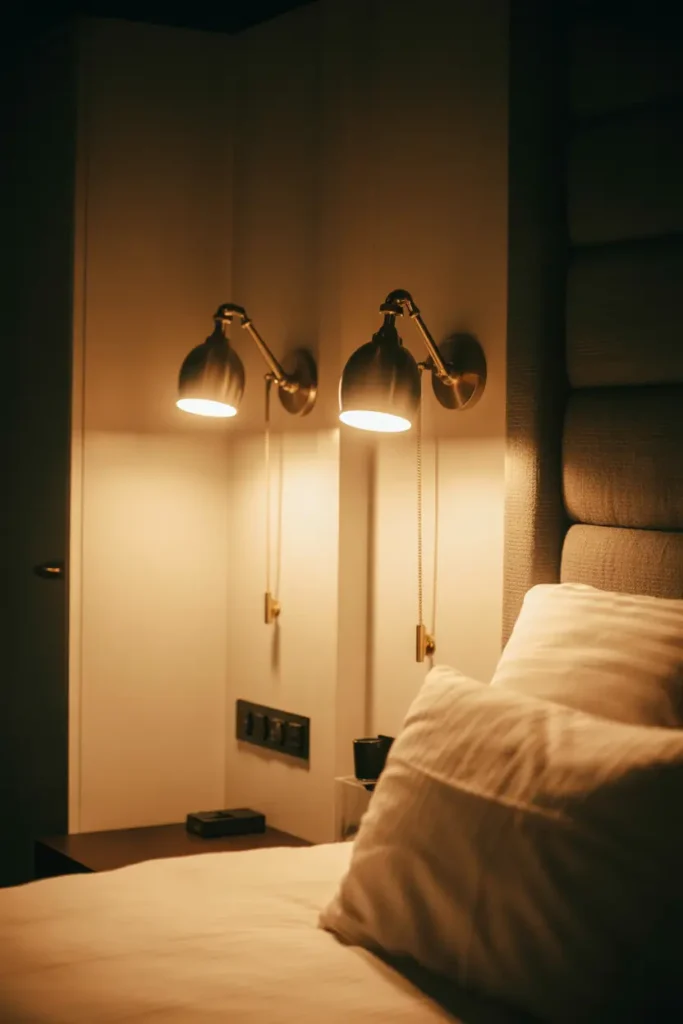
Table lamps are lovely, but each one costs you a square foot of side table or desk — surface area a compact home often can’t spare. Wall-mounted sconces and plug-in swing-arm lamps deliver the same warm task light with zero footprint. A pair of plug-in sconces flanking a bed ($50–$120 for the pair) replaces two table lamps and frees both nightstands entirely; no electrician needed, just a cord cover painted to match the wall.
Mount reading sconces at about 60 inches to center, or roughly shoulder height when seated. Swing-arm styles are worth the small premium in compact rooms because one lamp covers reading, working, and ambient duties as you pivot it. Hardwired looks cleaner, but plug-in versions achieve 90% of the effect for a fraction of the cost and commitment.
14. Display Personal Items Intentionally as Decor
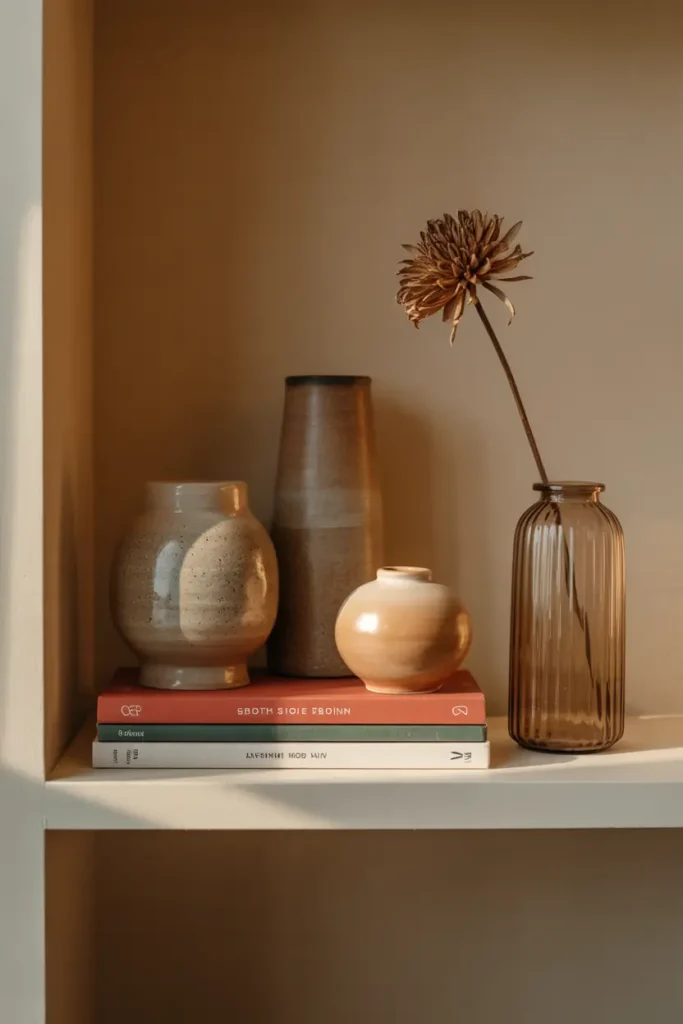
In a compact home, your belongings are your decor — there’s no spare room for purely decorative objects, so the personal stuff has to carry the visual weight. The difference between “cluttered with mementos” and “curated” is editing and grouping. A gallery wall of six framed photos in matching frames ($8–$15 per frame) reads as intentional design; the same six photos taped randomly reads as a dorm room.
Apply the rule of three: group objects in odd numbers, vary their heights, and leave breathing room around each group. Rotate seasonally — store half your display pieces and swap them twice a year, and your decor feels fresh without buying anything. And be ruthless about the “maybe” pile: if an object doesn’t earn its place visually, it belongs in a closed box, not on a shelf.
15. Keep Your Decor Consistent Across the Whole Space
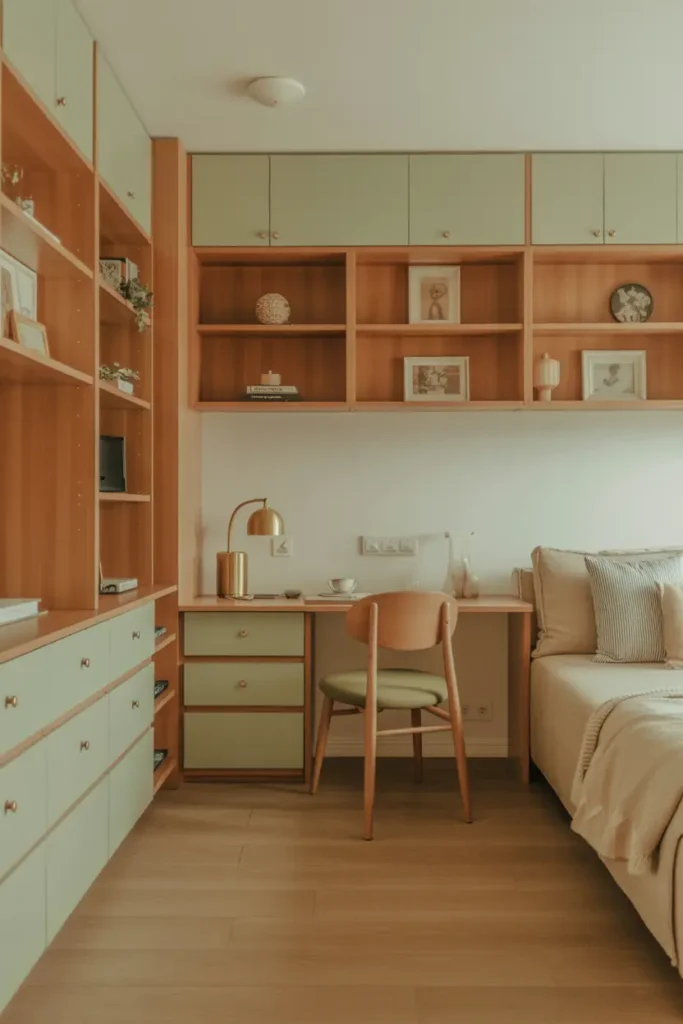
This is the most overlooked idea on the list and arguably the most powerful. In a large home, each room can have its own personality. In a compact home, the whole space is visible at once — often literally from a single vantage point — so competing styles chop it into visual fragments that each feel smaller. Pick one lane: one wood tone, one or two metal finishes, a single color story, and carry it through every zone.
Consistency doesn’t mean monotony. Repeat your accent color in three places (a cushion, a print, a plant pot), use the same black metal finish on the shelf brackets, curtain rod, and lamp, and let texture provide the variety — linen, wool, wood grain, woven baskets. The result reads as one calm, larger space instead of five small competing ones. When in doubt, remove the thing that doesn’t match before adding anything new.
How to Start Decorating Your Compact Home in 2026
Fifteen ideas is a useful menu, but implementing all of them at once is a recipe for decision fatigue and a half-finished mess. Start with an audit: photograph every room, note the single biggest visual problem in each (dark corner? cluttered surfaces? competing styles?), and fix those first. Then pick one room — usually the living area, since you see it most — and apply three ideas there before touching anything else. This year’s 2026 roundup of designer-recommended approaches is a good companion read once you’ve got your foundations set, full of fresh angles to layer on.
Budget in phases rather than all at once. Paint and lighting deliver the biggest transformation per dollar and should come first; furniture upgrades come last, once you know exactly what the room needs. Set a simple rule — one in, one out for decor objects — and your compact home will stay as calm in December as it looks in the after photos.
Small space, serious style: that’s the whole thesis for 2026. Compact homes reward the decorators who edit ruthlessly, light deliberately, and choose every piece like floor space costs money — because it does. Done right, a small home doesn’t feel like less house. It feels like exactly enough.
Pro Tips
- Photograph your rooms and look at the photos, not the rooms — the camera flattens space the way visitors see it and exposes clutter and imbalance you’d otherwise walk past.
- Buy a $10 laser measure and keep a running note of your key dimensions (wall lengths, window widths, clearance under furniture); it ends “will this fit?” anxiety forever.
- When choosing between two decor items, pick the one that’s easier to clean — in a compact home you live close to everything, and dust shows fast.
- Change your bulbs before you change your furniture: swapping to 2700K warm LEDs throughout costs under $20 and transforms how every existing piece looks.
FAQs
What colors make a small home look bigger in 2026?
Light, warm neutrals — warm white, pale greige, soft bone — with walls, trim, and ceiling kept within one or two shades of each other so surfaces blur into one continuous volume. Add depth with a single tonal feature wall rather than scattering bold colors around.
How do I decorate a studio apartment on a budget?
Start with the highest-impact, lowest-cost moves: repaint in a cohesive light palette, upgrade to warm 2700K lighting, and use rugs to define zones. These three changes typically cost under $300 total and transform the space more than new furniture would.
What furniture works best in a compact living room?
Multi-functional pieces with exposed legs: a storage ottoman instead of a coffee table, a sleeper sofa or daybed for guests, and a drop-leaf table that collapses when not in use. Keep 5–7 inches of clearance under seating so light passes through and the floor reads as larger.
How many decor items are too many in a small space?
There’s no fixed number — it’s about editing and grouping. Display personal items in intentional groups of three with breathing room around them, keep surfaces mostly clear with closed storage for the rest, and follow one-in-one-out for anything new.

Ahsan Yousaf is a home decor writer and enthusiast behind HowDecor. He shares practical, budget-friendly decorating ideas — from colour schemes and small-space solutions to seasonal makeovers — for real homes, not showrooms.