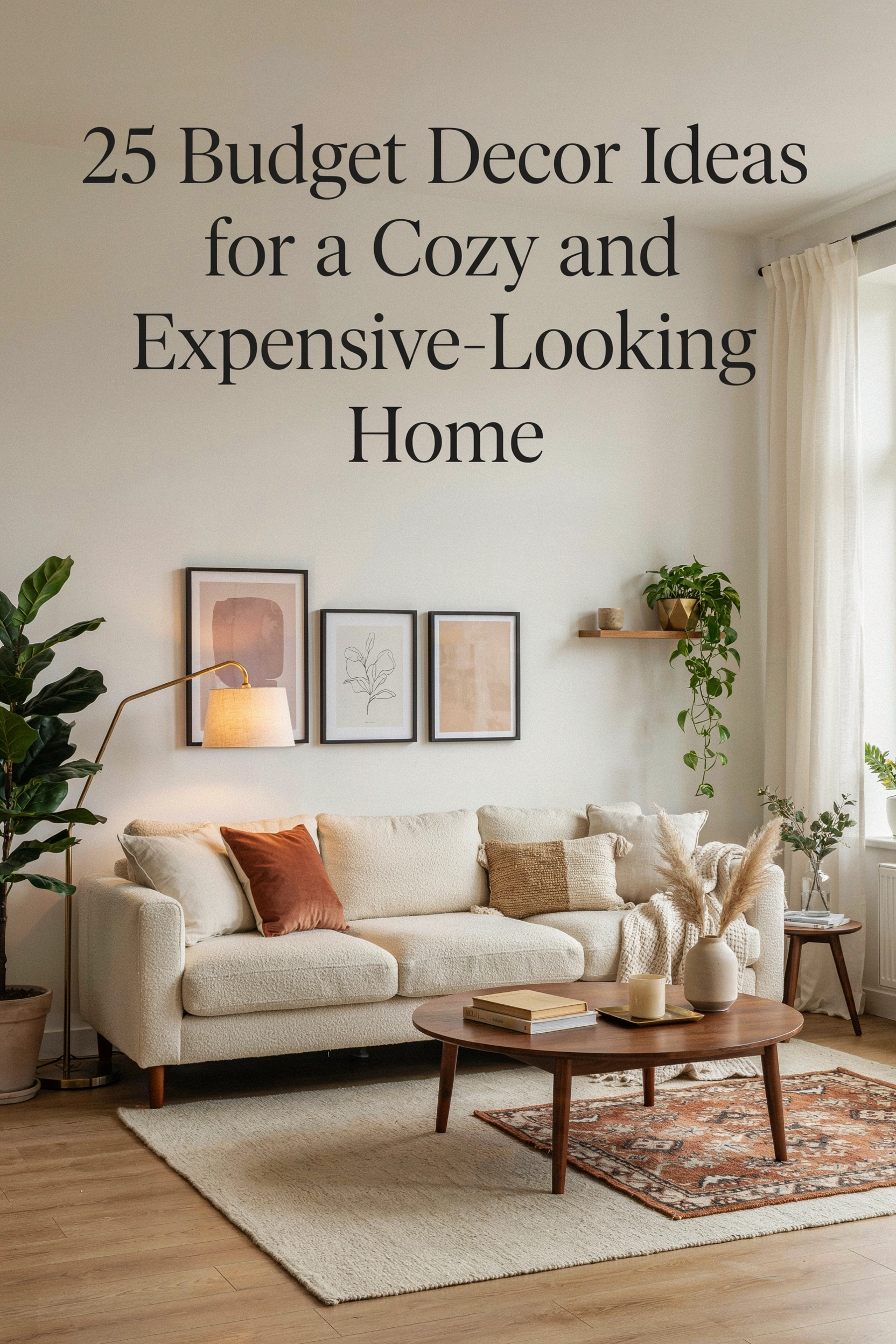
There’s a certain kind of home that stops you the moment you walk in. It feels warm, considered, and somehow pulled together in a way that’s hard to put your finger on. You assume it cost a fortune. Then you find out the owner thrifted half of it, painted the rest, and spent less than you’d expect on a takeaway dinner for four.
That gap between “looks expensive” and “was expensive” is exactly where good decorating lives. It’s not about money. It’s about understanding light, texture, proportion, and the kind of small details that quietly signal care and intention.
Here are 25 practical, genuinely useful budget decor ideas that make your home feel cozy and expensive at the same time.
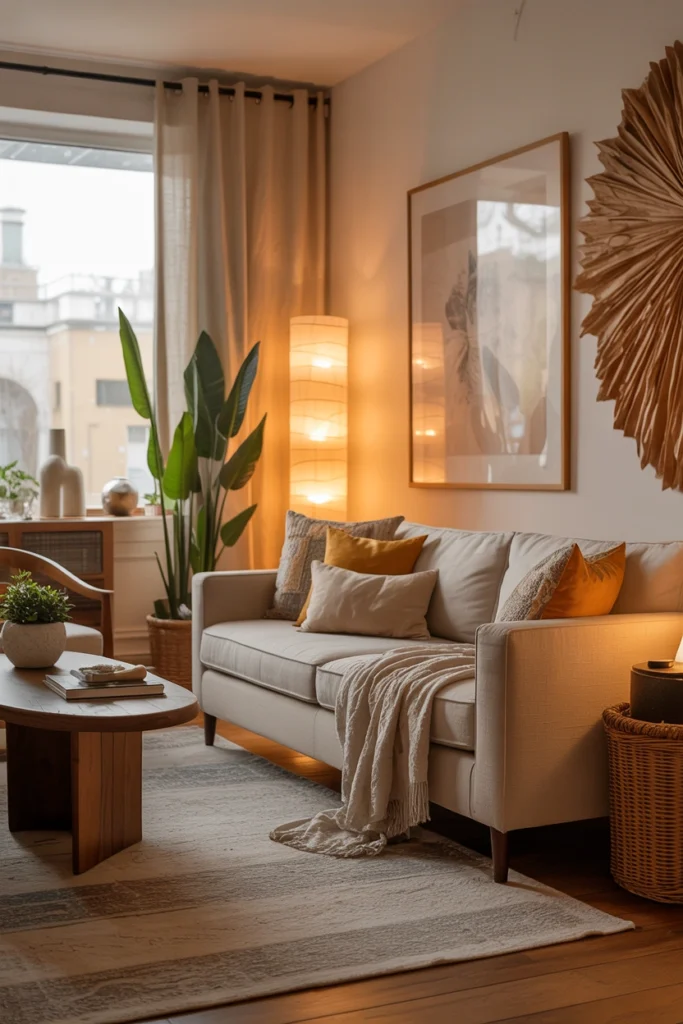
1. Paint Your Walls a Deeper, Richer Tone
Most budget homes default to plain white or off-white walls, often because it feels safe. But white walls, unless used with real intention, can make a space feel unfinished rather than minimal. One tin of paint in a deep sage, warm terracotta, dusty rose, or slate blue can completely shift the personality of a room. Dark, moody walls in particular have a way of making furniture and decor look more deliberate and expensive by contrast. You don’t have to commit to the whole room. One wall is enough to feel the difference.
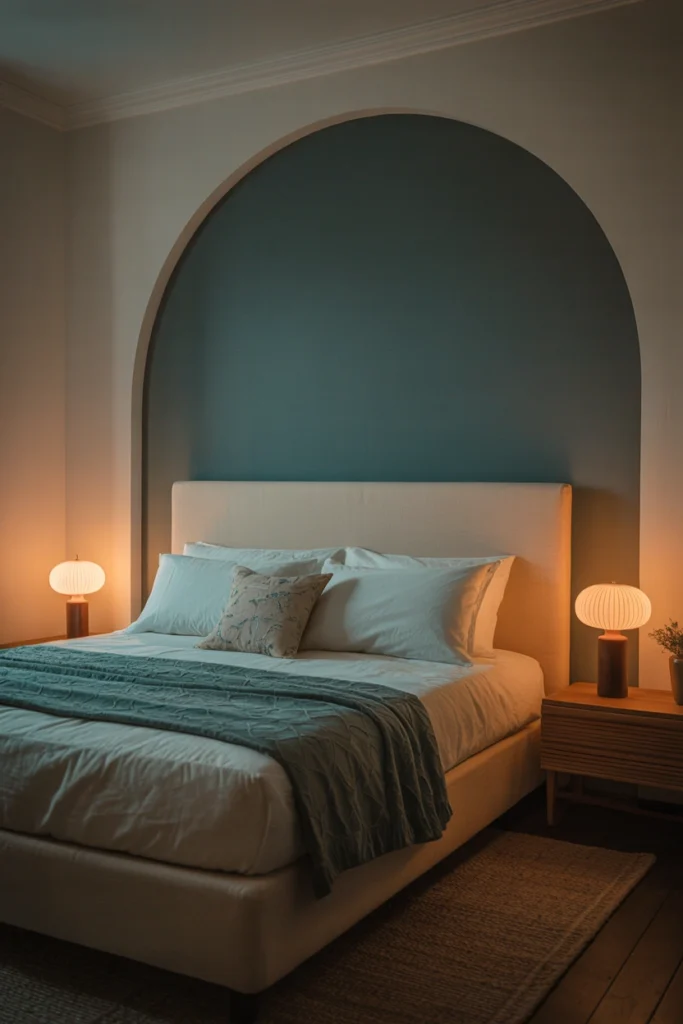
2. Layer Your Textiles for Depth and Warmth
A room with a single flat layer of fabric, one type of cushion, one plain blanket, tends to feel thin and underdeveloped. Layering different textures together is what creates that rich, considered look that expensive homes seem to have effortlessly. Try a linen sofa cover with velvet cushions, a cotton throw over a chunky knit blanket, or a jute rug layered under a smaller printed one. The individual pieces can be inexpensive. The combination is what does the work.
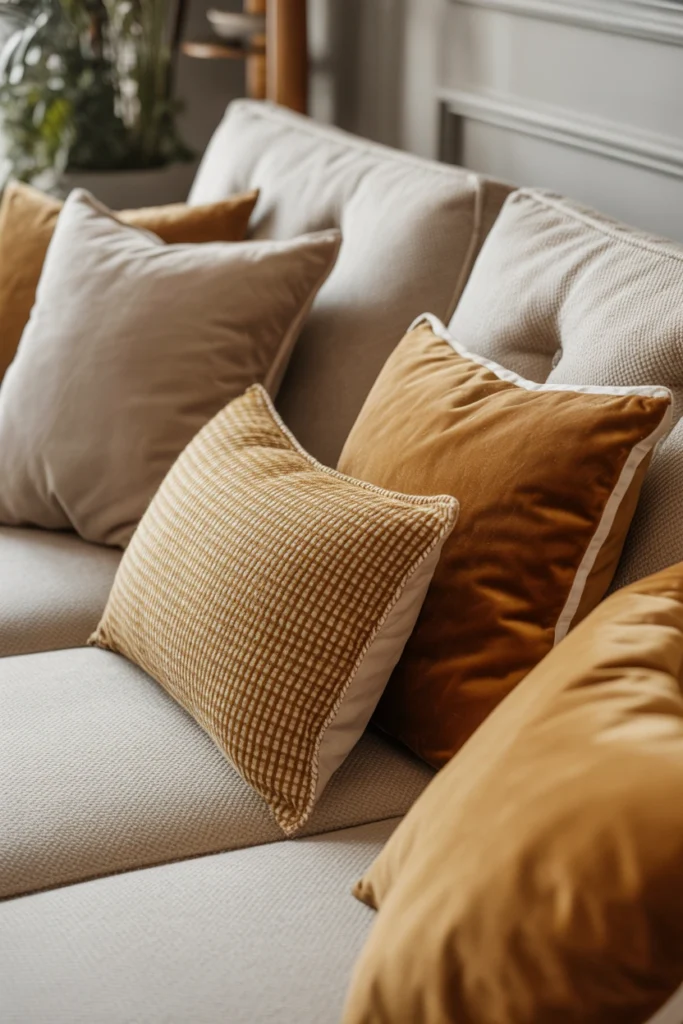
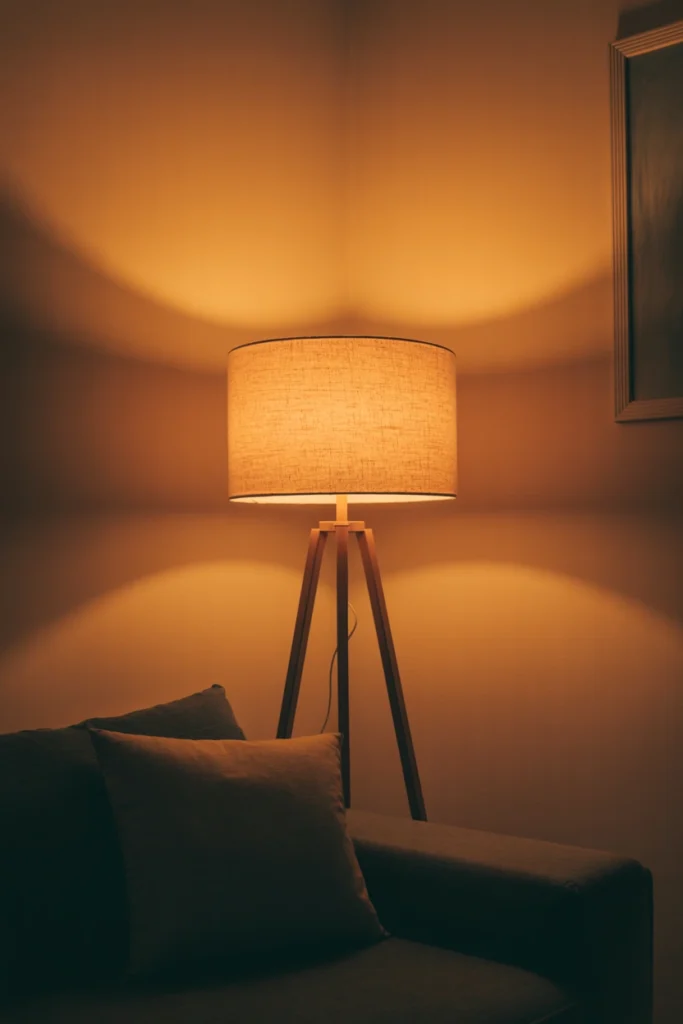
3. Invest in One Good Lamp
Overhead lighting is the enemy of atmosphere. It flattens everything and makes rooms feel functional rather than inviting. One good floor lamp or table lamp with a warm-toned bulb can transform a corner of a room into something that feels genuinely considered. You don’t need to replace all your lighting at once. Start with the room where you spend the most time, add one lamp in the corner or beside the sofa, and notice how the entire space shifts once the overhead goes off in the evening.
4. Decant Everything in the Kitchen and Bathroom
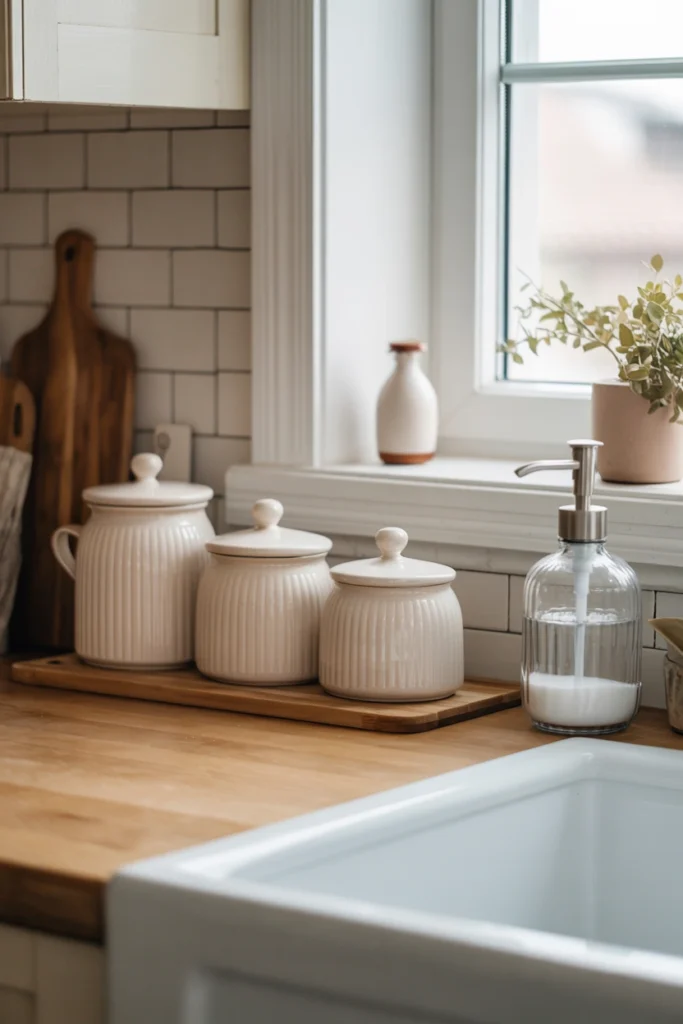
This is one of those ideas that feels almost too simple to work, and yet it reliably makes kitchens and bathrooms look dramatically more considered. Transfer your dish soap into a clean glass or ceramic dispenser. Move your cotton pads into a small glass jar. Decant your coffee, sugar, and loose tea into matching containers. The products themselves don’t change. But removing the branded plastic packaging and replacing it with simple, consistent vessels creates an immediate sense of calm and intention that reads as expensive without costing much.
5. Use Botanical Prints as Affordable Art
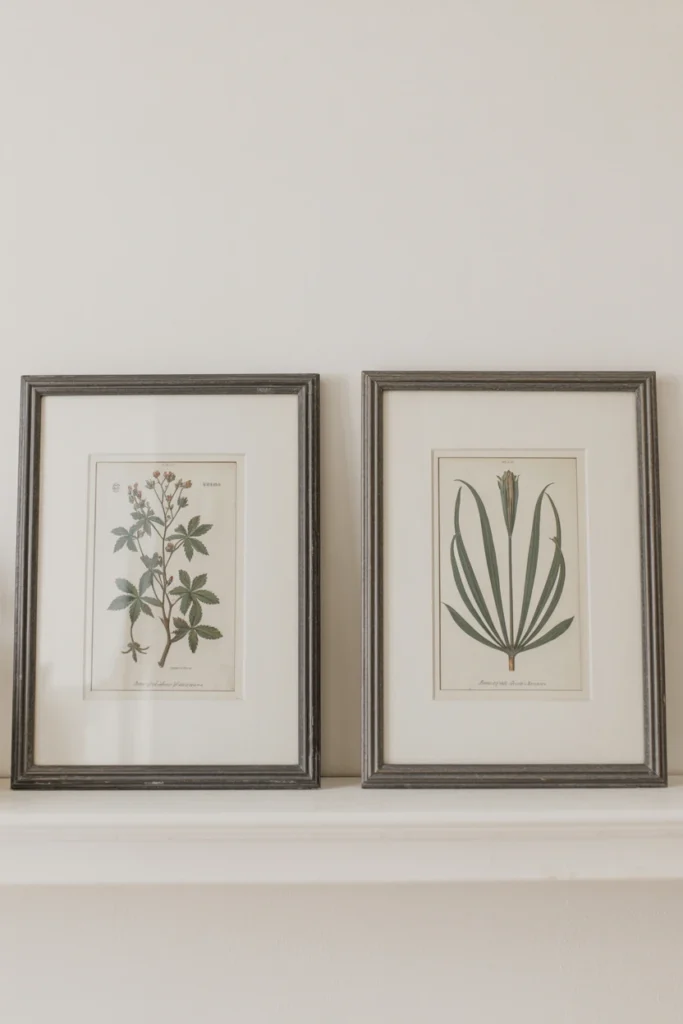
Botanical illustrations have a timeless quality that works across almost every interior style from traditional to contemporary. They look genuinely elegant when framed well, and the good news is they’re freely available. Museums and archives regularly release high-resolution vintage botanical prints into the public domain, meaning you can download, print, and frame them for almost nothing. A simple black or thin gold frame on a white mat elevates even a basic printout into something that looks thoughtfully curated.
6. Style Your Coffee Table Like a Vignette
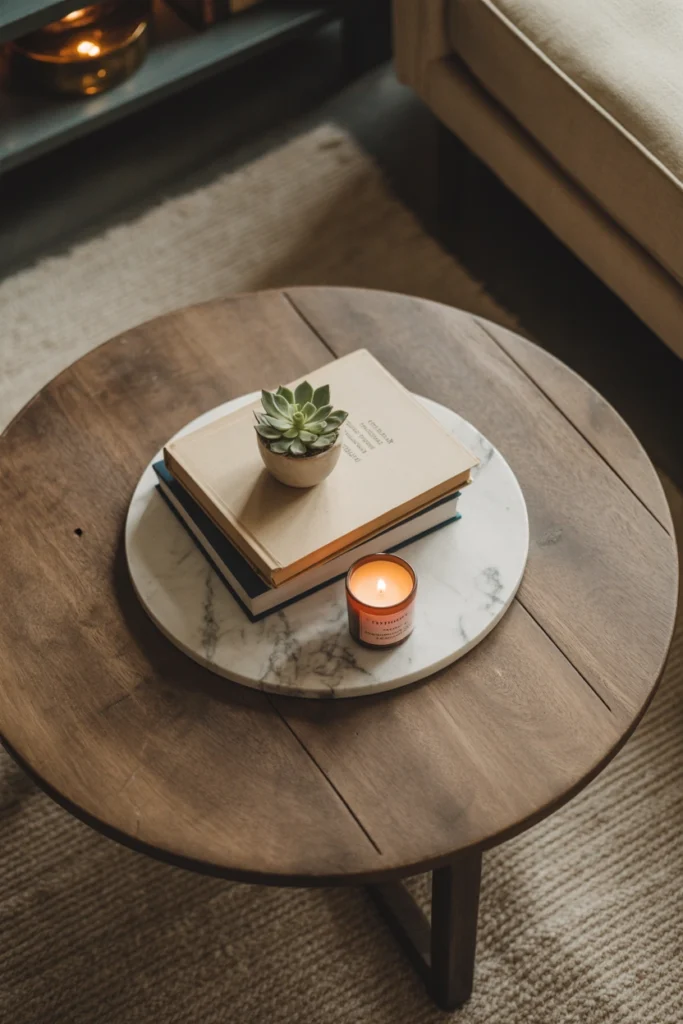
A coffee table piled with remote controls and random objects is a missed opportunity. Treated as a small styled surface, it becomes one of the most noticed and photographed spots in any living room. Use a tray to anchor the arrangement, then add items in varying heights: a low stack of books, a small plant or vase, a candle, and one small decorative object. Keep it to five items or fewer. Restraint is what separates a styled surface from a cluttered one, and restraint costs nothing.
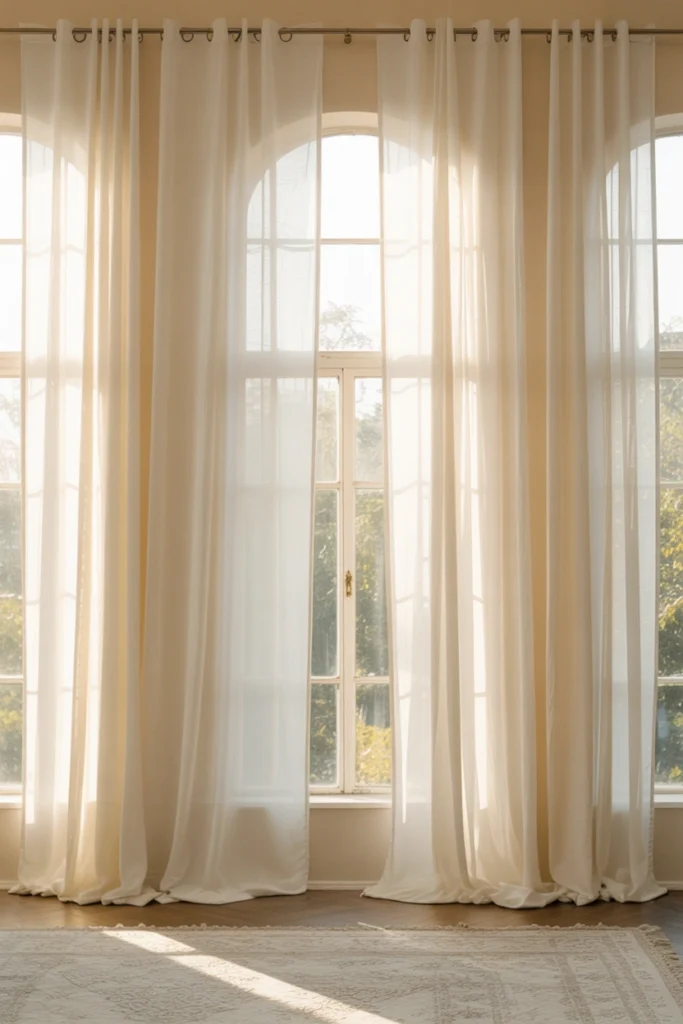
7. Hang Curtains High and Wide
This is one of the most repeated pieces of interior design advice for a reason: it genuinely works every time. Hanging curtain rods close to the ceiling rather than just above the window frame, and extending the rod well beyond the window on each side, creates the illusion of taller ceilings and larger windows. The curtains themselves can be simple and inexpensive. Floor-length panels in white, cream, or a soft neutral achieve the effect beautifully. This one change makes a room feel more expensive than almost any furniture upgrade at the same price point.
8. Add a Large Mirror
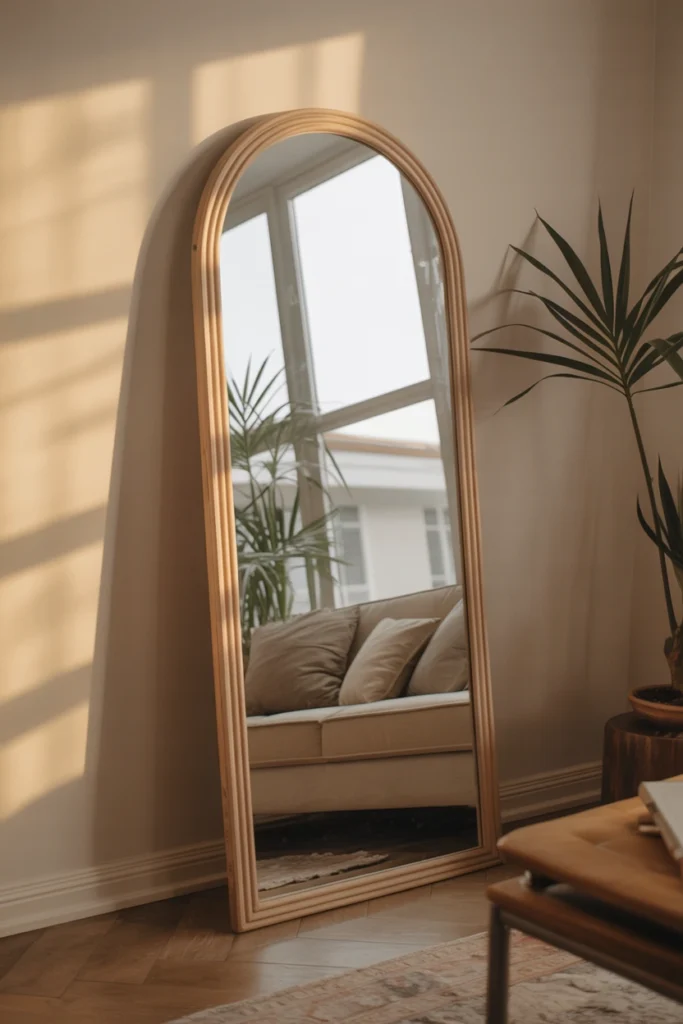
A large mirror does the work of a window in spaces that don’t have enough natural light, and it adds a decorative anchor that smaller objects simply can’t provide. Lean a tall mirror against a wall for a casual, contemporary feel. Hang a round statement mirror above a console or sideboard. The frame matters: look for interesting shapes, aged gold finishes, rattan edges, or clean minimal profiles depending on your style. Secondhand shops frequently have mirrors with genuinely beautiful frames at very low prices.
9. Create Zones With Rugs
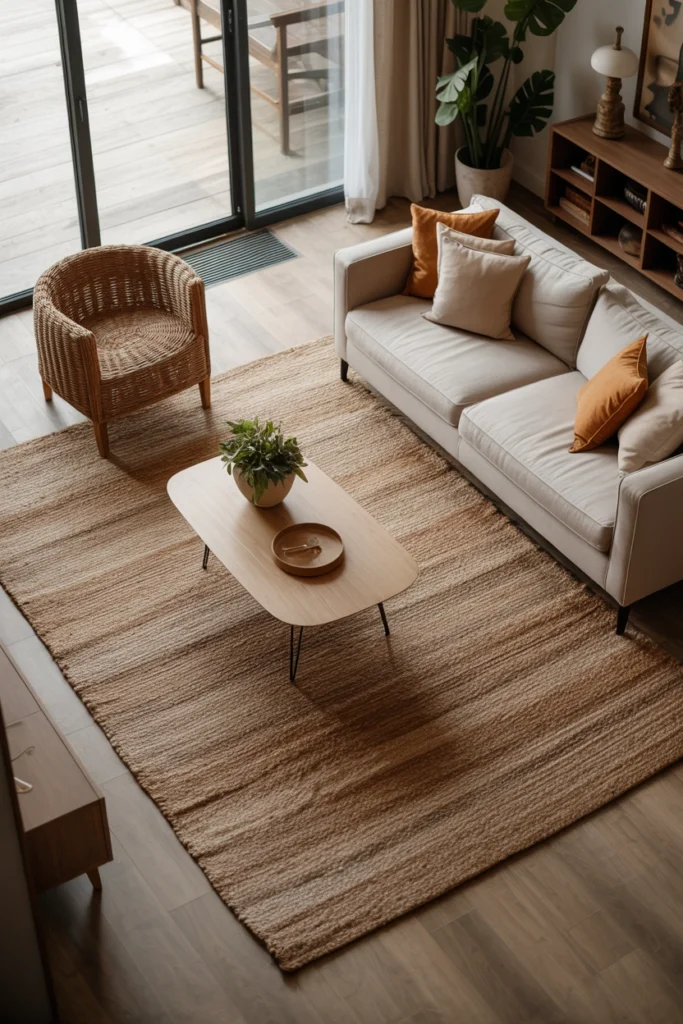
An open-plan room without rugs tends to feel like a single undifferentiated space. Rugs define zones, anchor furniture groupings, and add warmth underfoot that hard flooring alone never achieves. A rug under the sofa and coffee table creates a living zone. A rug under the dining table creates a dining zone. In bedrooms, a rug on either side of the bed or a larger one extending beyond the foot adds immediate softness and visual comfort. Jute, cotton, and flat-weave options are among the most affordable and they photograph beautifully.
10. Build a Gallery Wall With Meaning
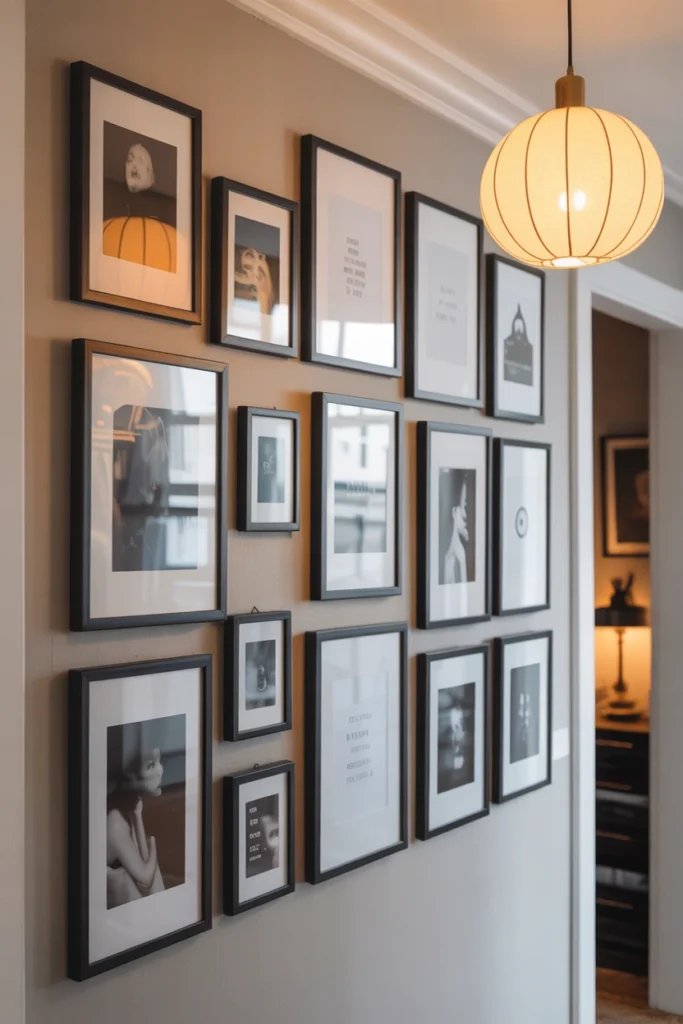
A gallery wall, done thoughtfully, is one of the most personal and visually rich things you can do with a blank wall. The key word is thoughtfully. A random collection of mismatched frames at slightly wrong intervals looks chaotic. A curated arrangement with a clear visual logic, whether that’s consistent frame colors, a shared subject matter, or a grid format, looks intentional and interesting. Mix personal photos, downloaded prints, postcards, and small mirrors. Lay the whole thing out on the floor first, then transfer it to the wall with confidence.
11. Introduce Warm Metallic Accents
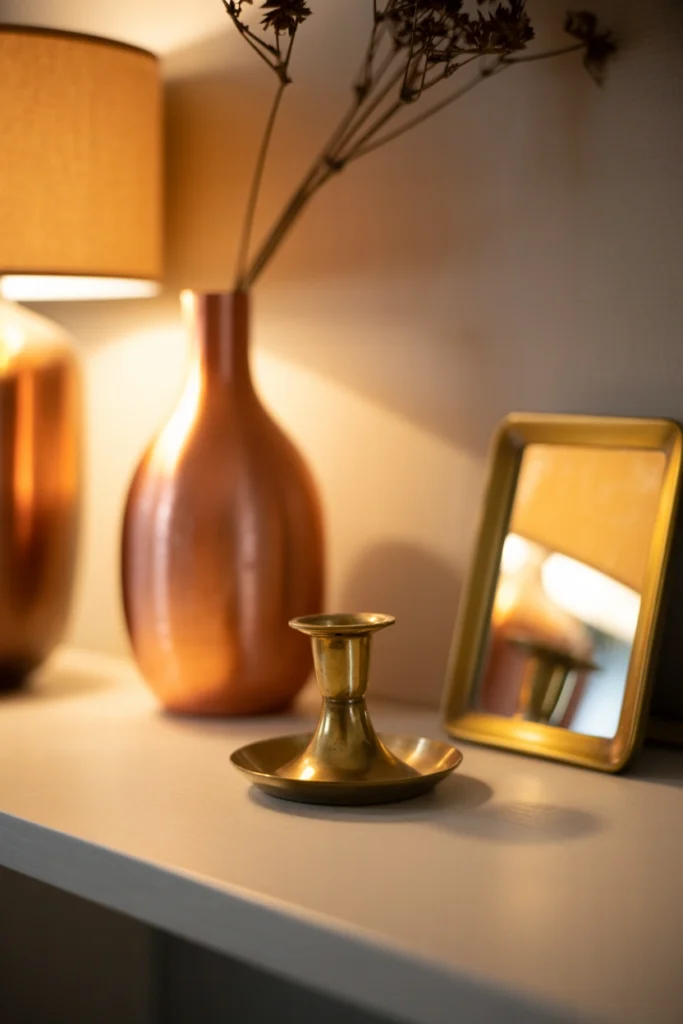
Gold, brass, and warm copper accents have a way of making a room feel more polished and finished without being flashy about it. You don’t need much. A brass candle holder, a copper vase, gold cabinet handles, or a metallic picture frame is enough to introduce warmth and a sense of refinement. These small touches catch the light in a way that plastic or matte finishes don’t, and that subtle shimmer is part of what creates the feeling of quality. Shop secondhand or in discount homeware stores for these pieces.
12. Use Dried Flowers and Stems
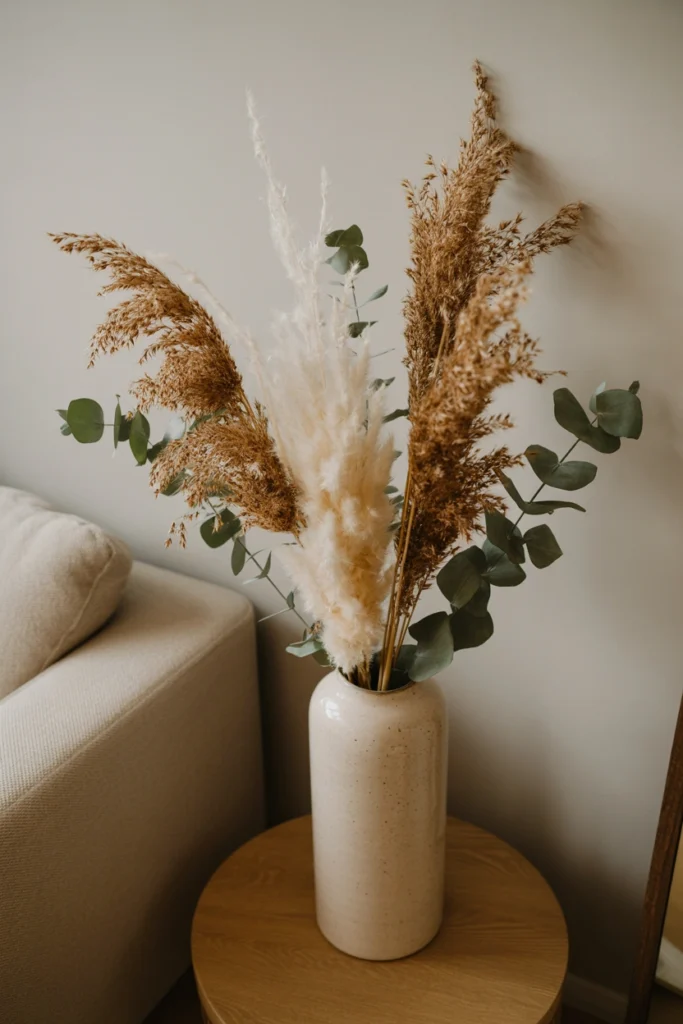
Fresh flowers are beautiful but expensive to maintain. Dried flowers and stems are a genuinely elegant alternative that lasts for months or even years with no maintenance. Pampas grass, dried lavender, eucalyptus branches, and dried seed pods all look striking in simple vases. Arrange them in odd numbers and vary the heights for the most natural look. A tall vase of dried pampas in a corner of a room has exactly the kind of effortless, organic quality that pulls a space together without screaming for attention.
13. Declutter With Intention
No decor idea on this list will work in a cluttered space. Clutter is the single biggest obstacle between a home and its best version, and removing it costs nothing. The goal isn’t minimalism for its own sake. It’s editing down to what you actually love and use, and giving those things the space to be properly seen. Clear your surfaces so that the decor objects on them have room to breathe. Clear your shelves so the books and objects that remain feel chosen rather than accumulated. The room you have right now may already be close to beautiful. It might just need less.
14. Make Your Bed Like a Hotel
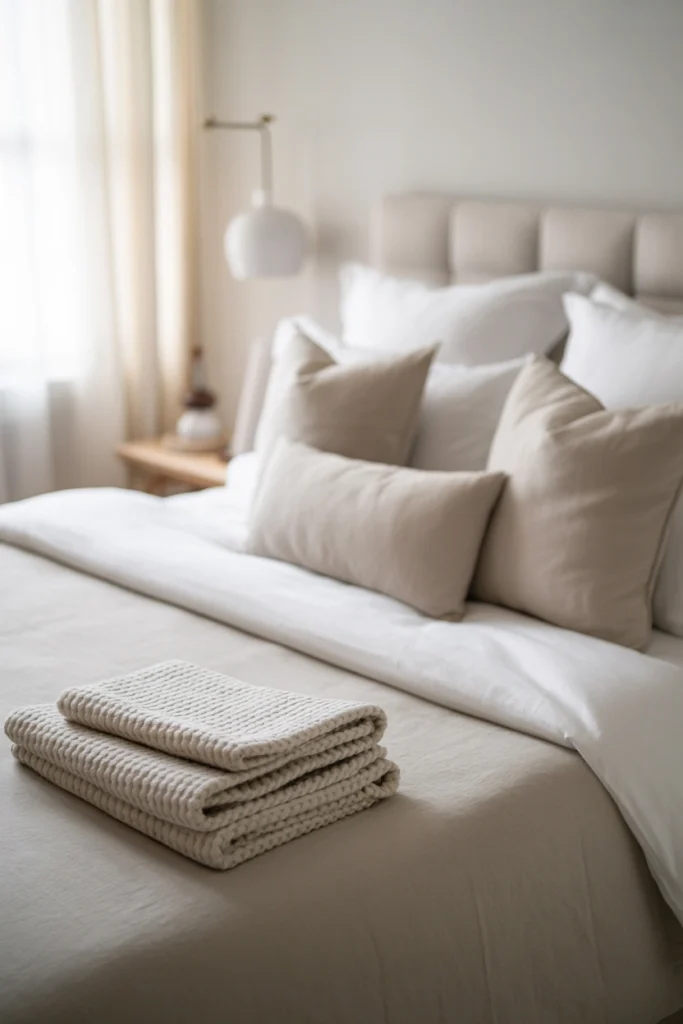
A well-made bed with layered bedding elevates the entire bedroom in a way that nothing else can quite match. Start with a fitted sheet and flat sheet, add a duvet or quilt, then layer a folded throw at the foot of the bed. Arrange cushions in front of sleeping pillows: two European square pillows at the back, two standard pillows in front, and one or two decorative cushions at the front. It takes four extra minutes in the morning and makes the room look like something from a lifestyle magazine. White or linen-toned bedding with textured layers reads as especially expensive.
15. Add Indoor Plants in Interesting Vessels
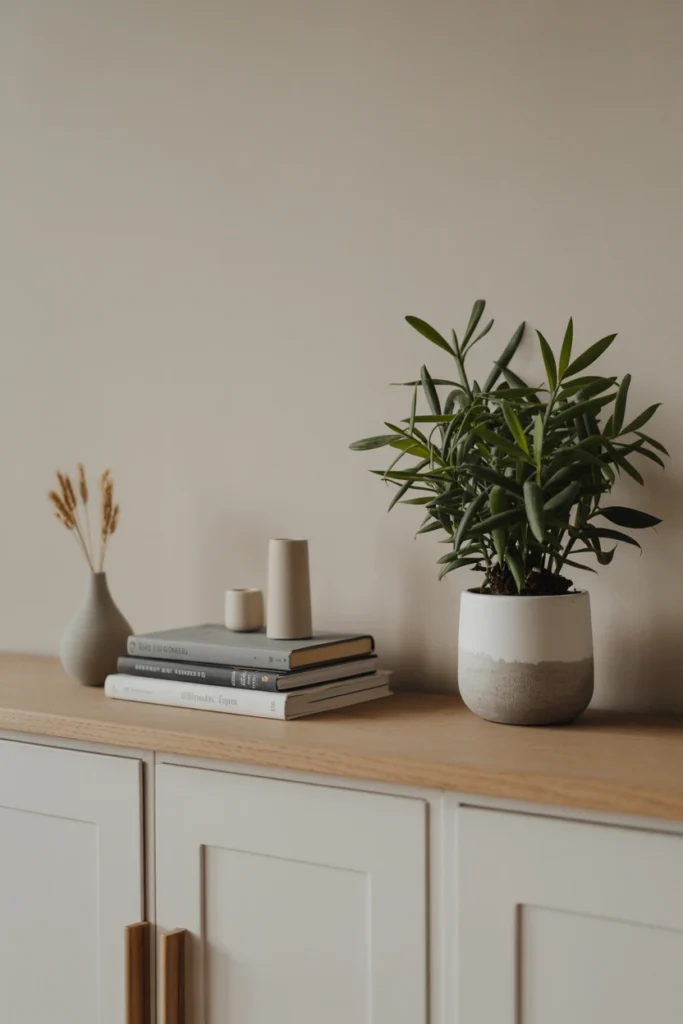
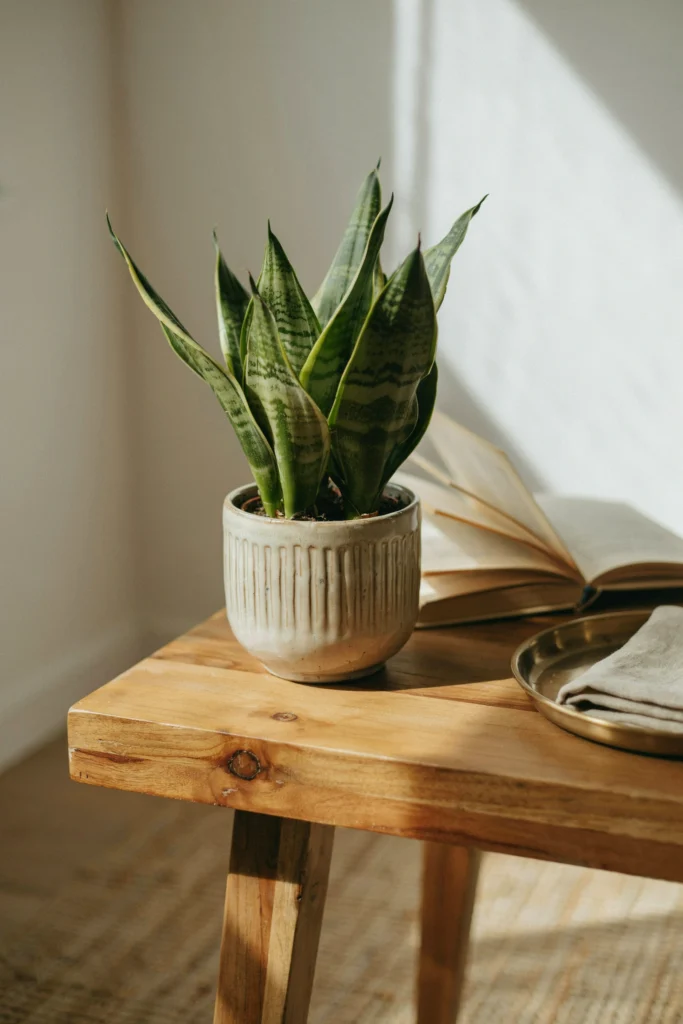
The plant matters, but the vessel matters equally. A beautiful snake plant in a plain black nursery pot looks like a plant you just bought. The same plant in a handmade ceramic pot, a woven basket, or a terracotta vessel with texture looks like a considered design choice. Repot your plants into interesting containers, or use cachepots (decorative outer pots) to cover the nursery plastic. The combination of living greenery and a well-chosen container is one of the most reliably stylish things you can bring into any room.
16. Create a Reading Corner
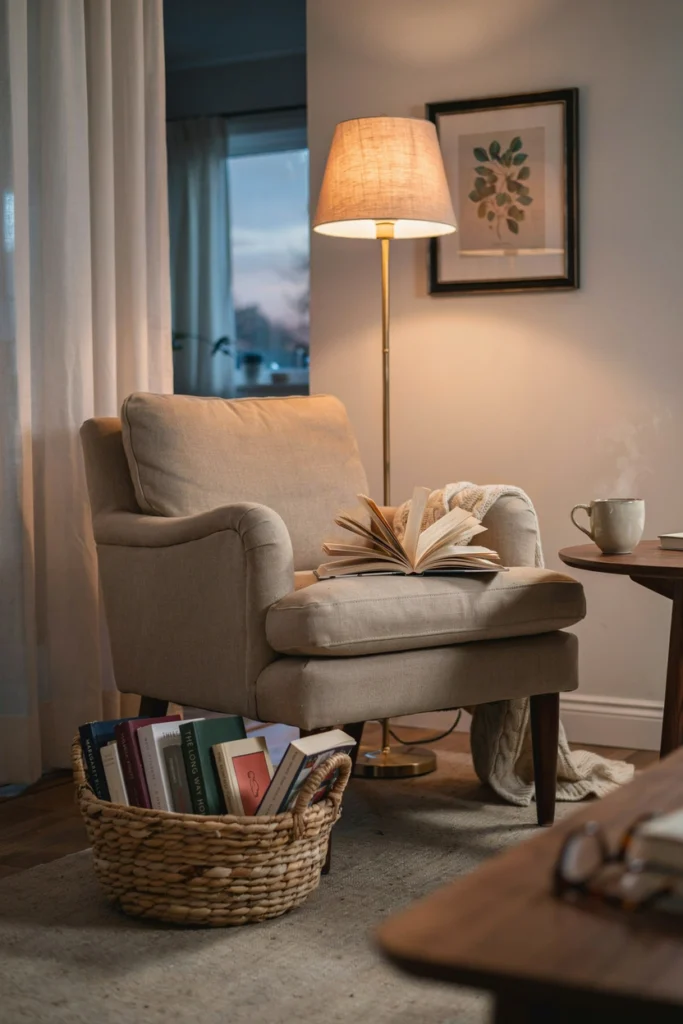
A reading corner gives a home something intangible but deeply attractive: the suggestion that quiet, pleasurable life happens here. All you need is a comfortable chair, a small side table, a lamp, and a place for books nearby. A basket on the floor, a small shelf, or even a stack of books directly on the floor beside the chair all work. Add a throw over the arm of the chair and the corner is complete. This kind of purposeful nook makes a home feel genuinely lived in, and people are consistently drawn to these spaces.
17. Style Your Windowsills
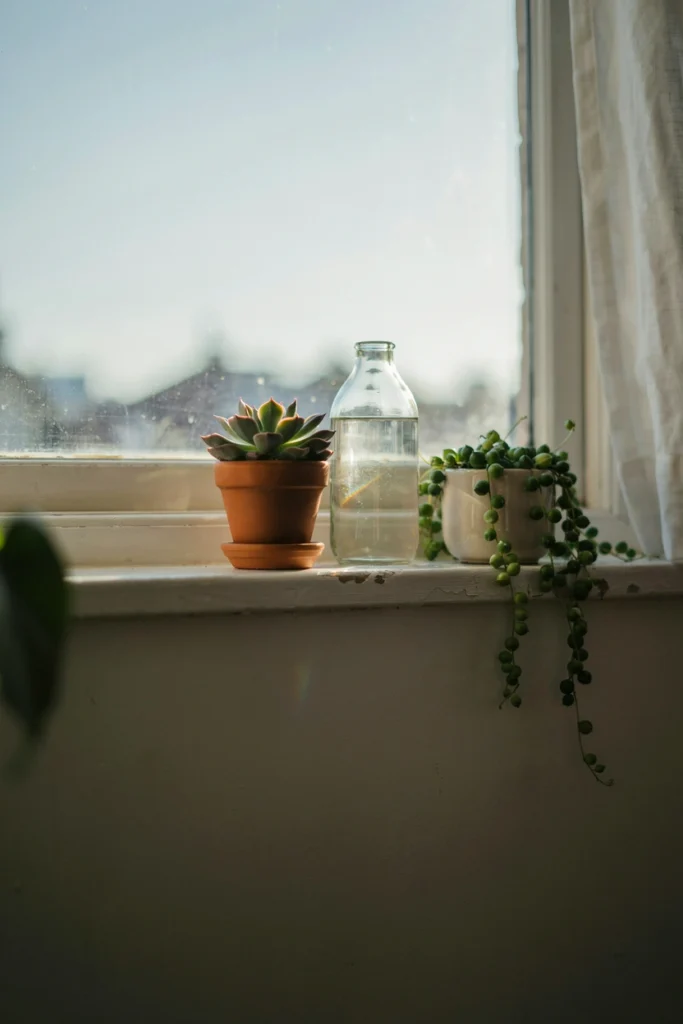
Windowsills are small surfaces that most people leave completely empty. A small plant, a candle, a single pretty object, or a cluster of glass bottles catching the light can turn a windowsill into a quietly beautiful detail that adds character to a room. Because windowsills catch natural light so directly, objects placed on them look different at different times of day, making them one of the most dynamic and interesting surfaces in a home. Keep the styling simple; one to three objects is usually perfect.
18. Use Books as Decor
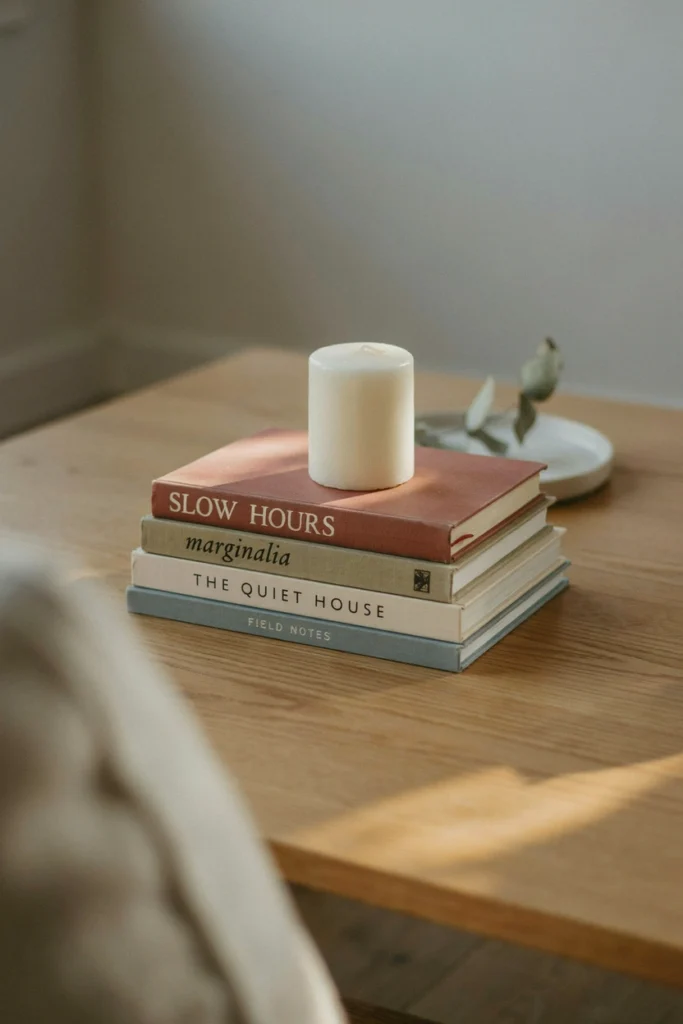
Books are among the most versatile and overlooked decor tools in a home. Stack them horizontally on a coffee table to create height for a vase or candle. Arrange them by color on a shelf for a graphic, cohesive look. Lean a large illustrated book against a wall as you would a framed print. A small stack of beautiful spines on a side table adds instant warmth and signals something about the personality of the space. If your books have particularly unattractive covers, face the spines inward for a calm, uniform look.
19. Add Crown Molding or Stick-On Architectural Details
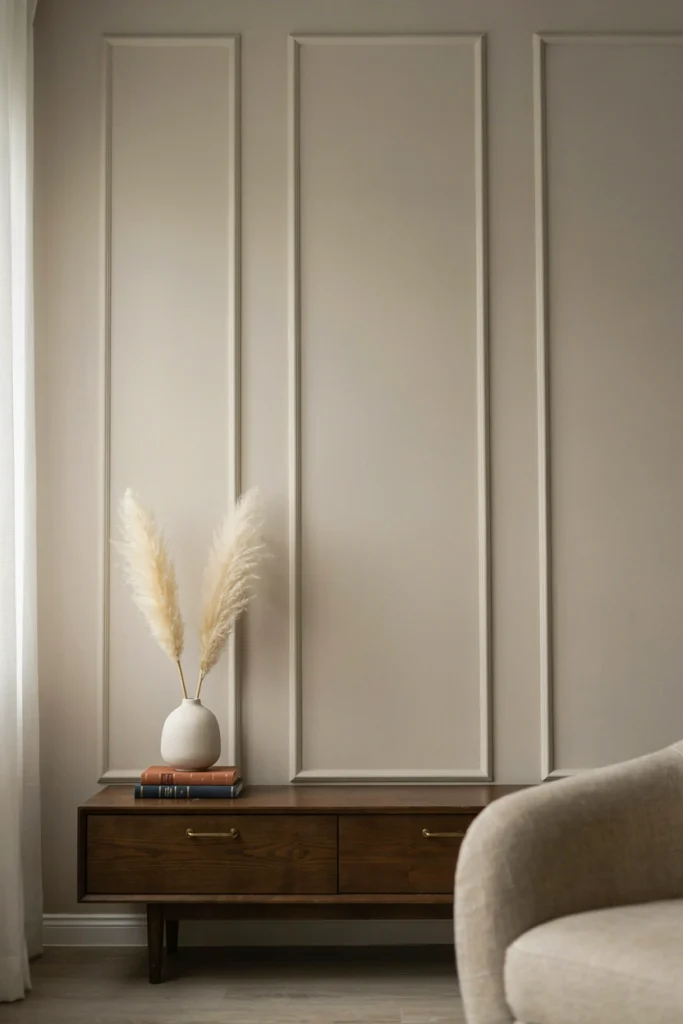
Real crown molding requires professional installation, but peel-and-stick versions are widely available at hardware stores and make a genuine difference to how finished and substantial a room feels. Architectural details, whether molding at the ceiling line, a dado rail effect, or panel molding on a plain wall, give rooms character and a sense of craftsmanship. Paint the molding the same color as the wall for a subtle, sophisticated effect, or pick it out in white against a colored wall for more definition.
20. Upgrade Your Door Handles and Switch Plates
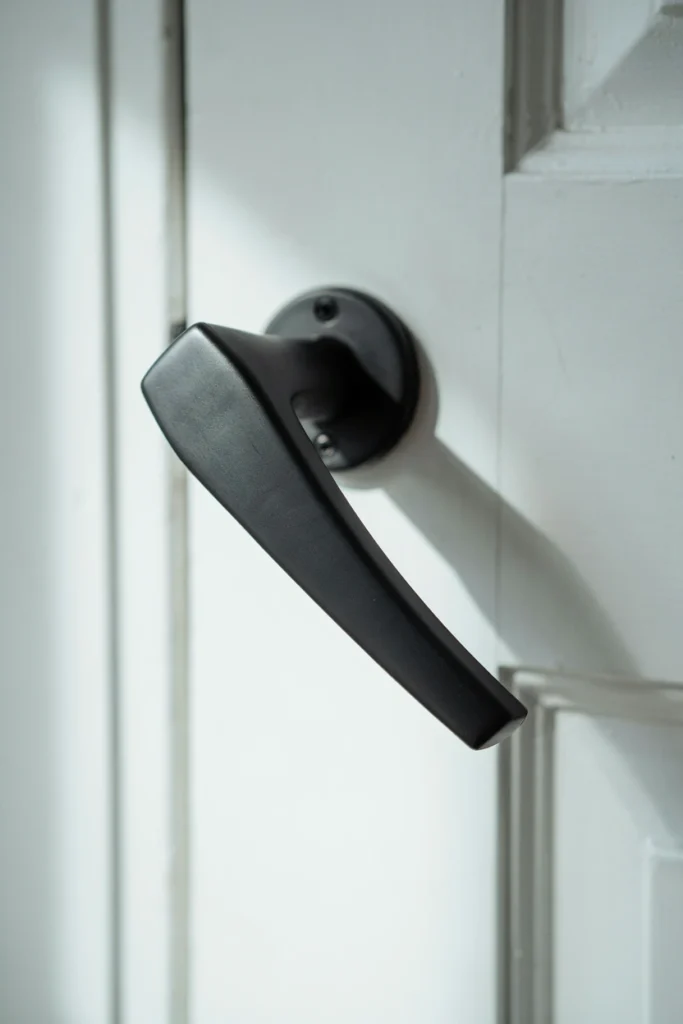
These are the kinds of details that you don’t consciously notice, but that collectively contribute to whether a home feels finished or not. Replacing standard chrome door handles with brushed brass or matte black ones costs very little per handle and takes minutes. Swapping plastic light switch plates for metal or ceramic ones in a coordinating finish makes a room feel more considered at a level that’s hard to pinpoint but easy to feel. Small hardware updates are one of the most overlooked and most effective budget upgrades available.
21. Group Objects in Odd Numbers
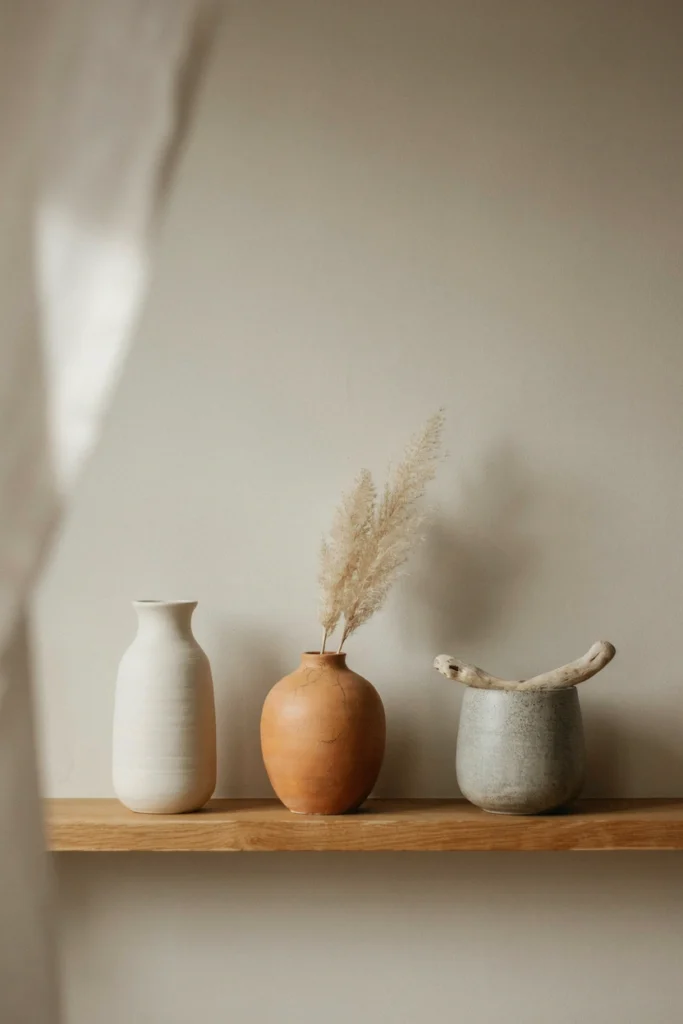
This is a styling principle used by interior designers consistently because it genuinely works. Objects grouped in odd numbers, particularly threes and fives, look more natural and visually interesting than even-numbered groupings. Three candles of different heights, five books stacked in a casual cluster, or a trio of small vases with varying stems all have a pleasing asymmetry that even groupings lack. You don’t need new objects to apply this principle. Simply rearrange what you already have in groups of three or five and notice the difference immediately.
22. Bring the Outside In
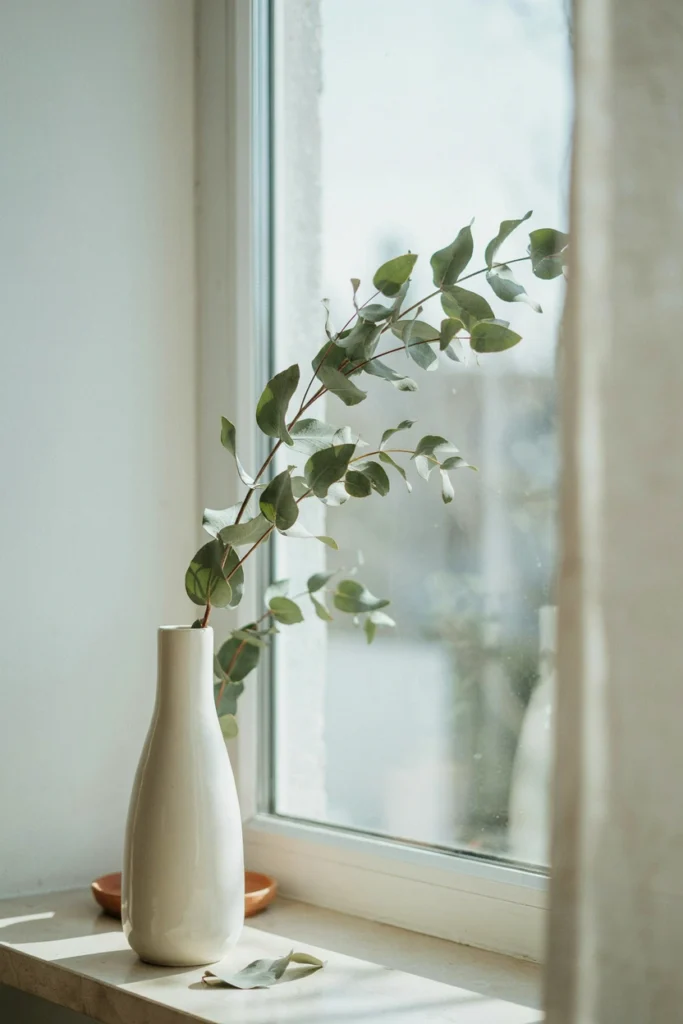
Beyond potted plants, there are many ways to bring natural elements inside that cost almost nothing. A branch from the garden placed in a tall vase looks architectural and beautiful. A bowl of pinecones or smooth pebbles on a coffee table adds organic texture. A handful of wildflowers in a simple jar on the kitchen windowsill brings color and life. These natural details give a home a quality that manufactured decor often lacks. They’re imperfect, temporary, and quietly alive in a way that immediately makes a space feel more real and more welcoming.
23. Make Use of Vertical Space
Most people decorate at eye level and below, leaving the upper portions of walls bare and underused. Tall shelving, artwork hung slightly higher than usual, a trailing plant on a high shelf, or a dramatic floor lamp that draws the eye upward all use vertical space to make rooms feel larger and more dynamic. In small rooms especially, drawing the eye up rather than keeping it at furniture height creates a sense of space that is genuinely expansive rather than just horizontal.
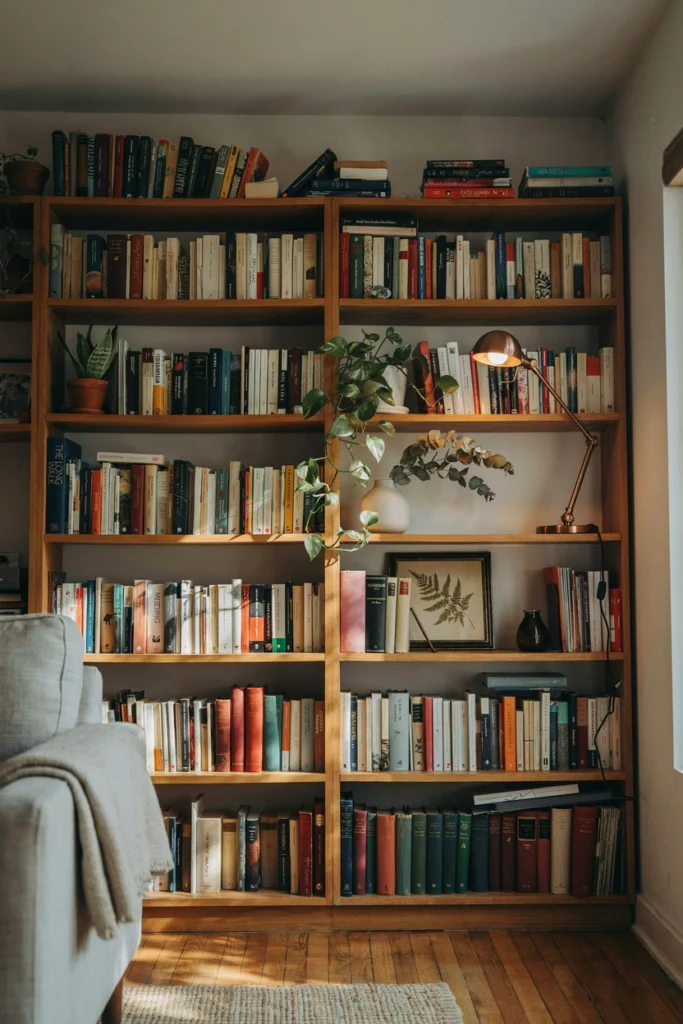
24. Use Scent to Complete the Atmosphere
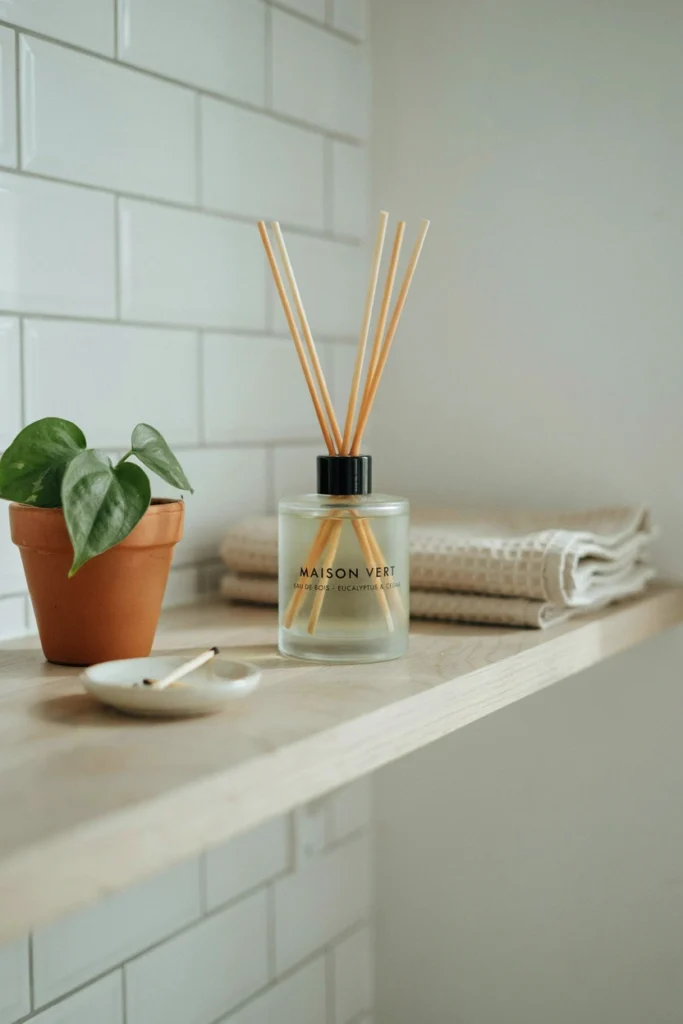
A home that smells good feels expensive even before you’ve looked at a single surface. This is because scent bypasses conscious analysis and goes directly to feeling. A clean, subtle, consistent fragrance throughout a home creates an impression of care and quality that visual decor alone cannot fully achieve. A reed diffuser in a hallway, a linen spray on cushions and bedding, or a soy candle in the living room during the evenings all contribute to this. Choose one signature scent for your home rather than layering multiple competing fragrances.
25. Edit Constantly and Rotate Seasonally
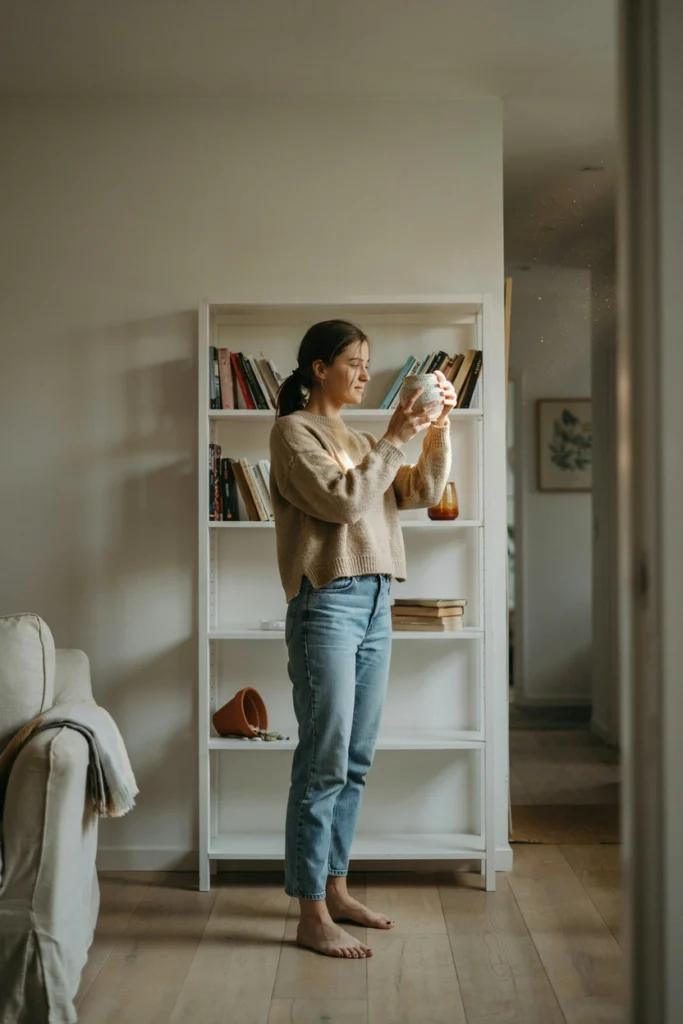
The homes that always look good are maintained by people who edit regularly rather than accumulate endlessly. Every few months, look at your spaces with fresh eyes. Ask whether each object earns its place, whether it’s beautiful, useful, or meaningful. Move things between rooms to give them new context. Store seasonal items and bring them back when they’ll feel fresh again. This habit costs nothing and is arguably more responsible for a home looking consistently stylish than any individual purchase you could make.
Conclusion
A cozy, expensive-looking home isn’t the result of a large budget. It’s the result of paying attention. Attention to light and how it moves through your space. Attention to texture and how different materials feel together. Attention to proportion, to editing, to the small details that most people walk past without noticing. The ideas in this list are starting points, not a checklist to complete all at once. Pick the three or four that feel most relevant to where you are right now, and work from there. Done with care, even the simplest changes can make a home feel like exactly the place you want to be.