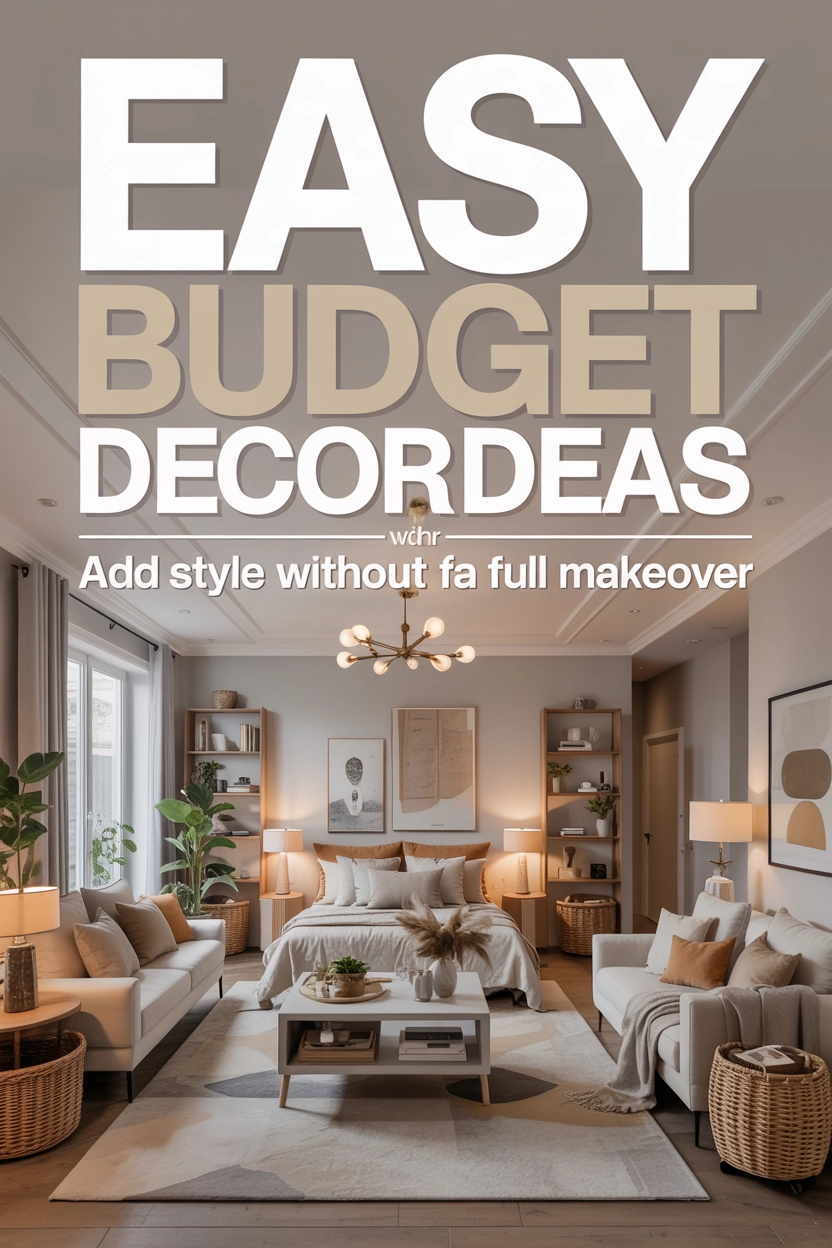
Most people assume that making a home look genuinely stylish requires either a complete renovation or a serious shopping spree. Neither is true. Some of the most beautifully styled homes you’ll ever walk into got that way through a series of small, affordable, and thoughtful decisions made over time rather than one dramatic overhaul.
The truth is that style isn’t about how much you spend or how much you change. It’s about how intentionally you work with what you already have and how cleverly you add to it. These easy budget decor ideas are designed for exactly that, giving your home a real style upgrade without touching a single wall, replacing any furniture, or spending more than you need to.
1. Rearrange What You Already Own
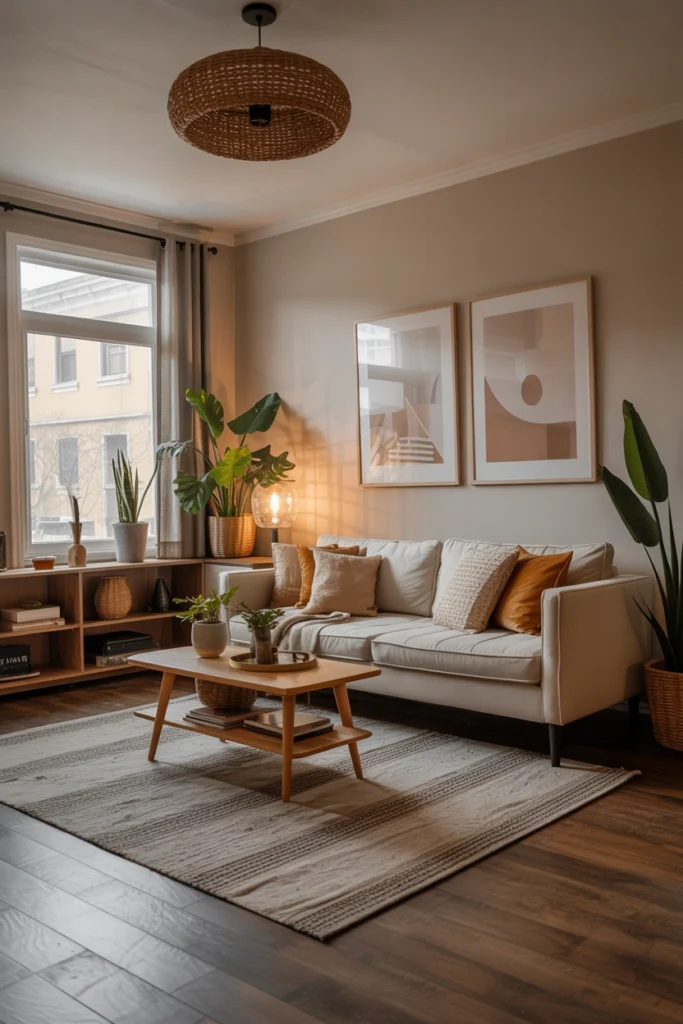
Before spending a single coin, move things around. This sounds almost too simple to be useful but the impact of rearranging furniture and decor is genuinely underestimated by most people. Pull the sofa away from the wall slightly. Turn a chair to face the window instead of the television. Move a lamp from the bedroom to the living room where it might work better.
Take the plant from the shelf and put it on the floor in a corner. Bring the tray from the kitchen to the coffee table. Rearranging forces you to see your existing pieces with fresh eyes and very often reveals that the room was already full of good things just arranged in the wrong way. It costs nothing and it’s always the right first step.
2. Swap Cushion Covers for a Completely Different Look
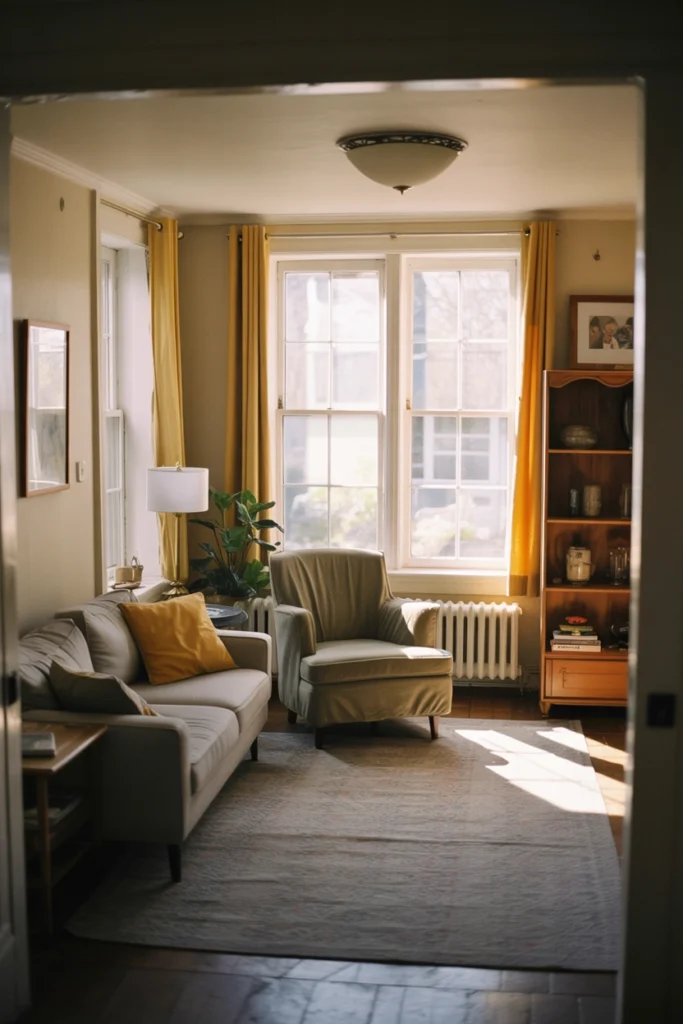
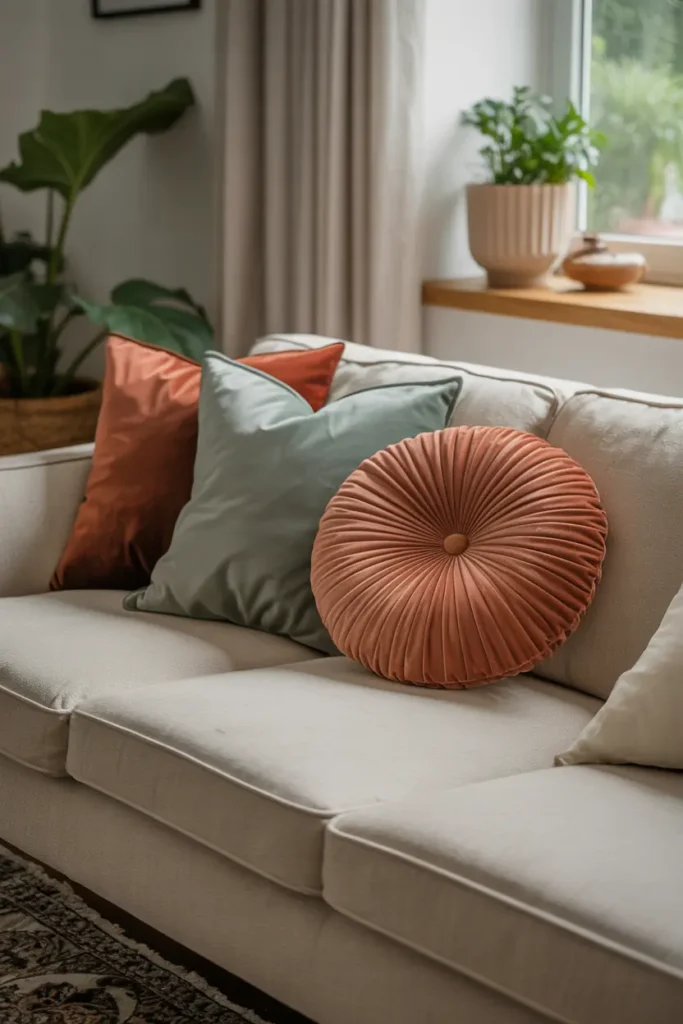
If there is one single budget decor move that delivers the most visible change for the least amount of money, it is changing your cushion covers. The sofa or bed itself stays exactly the same but the entire mood of the room shifts when the cushions change. In cooler months, go for deeper tones and chunkier textures like velvet, boucle, or knit. In warmer months, swap to lighter linens, cottons, and softer pastels.
Mixing two or three complementary colors with one or two contrasting textures always looks more intentional and stylish than matching sets. Cushion covers are widely available at very low price points and the transformation they deliver is disproportionate to their cost.
3. Add a Throw Blanket and Style It Properly
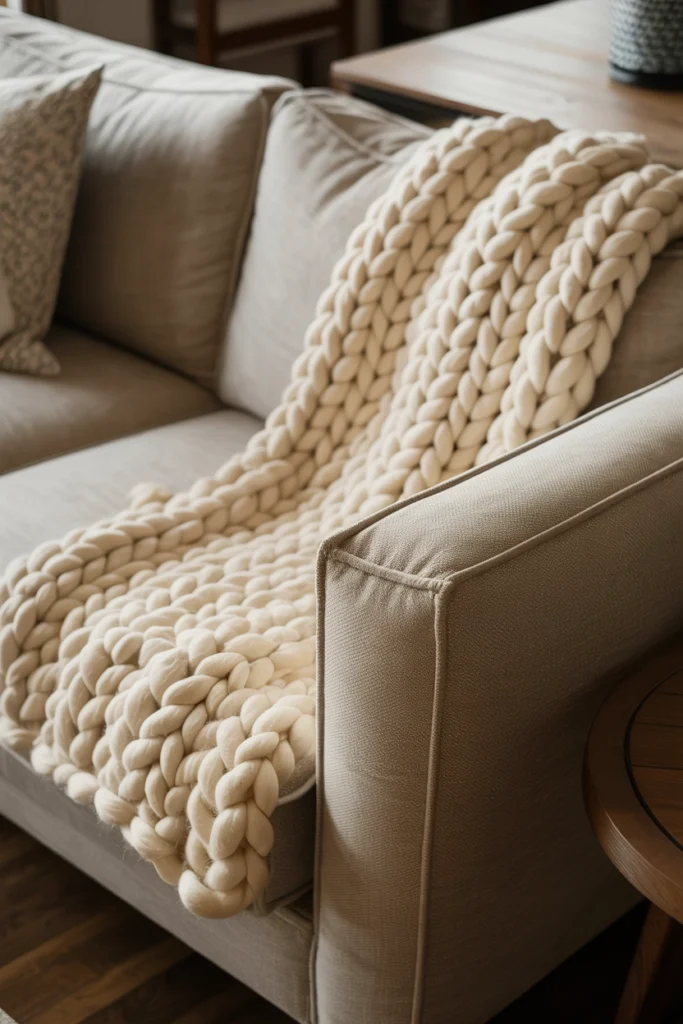
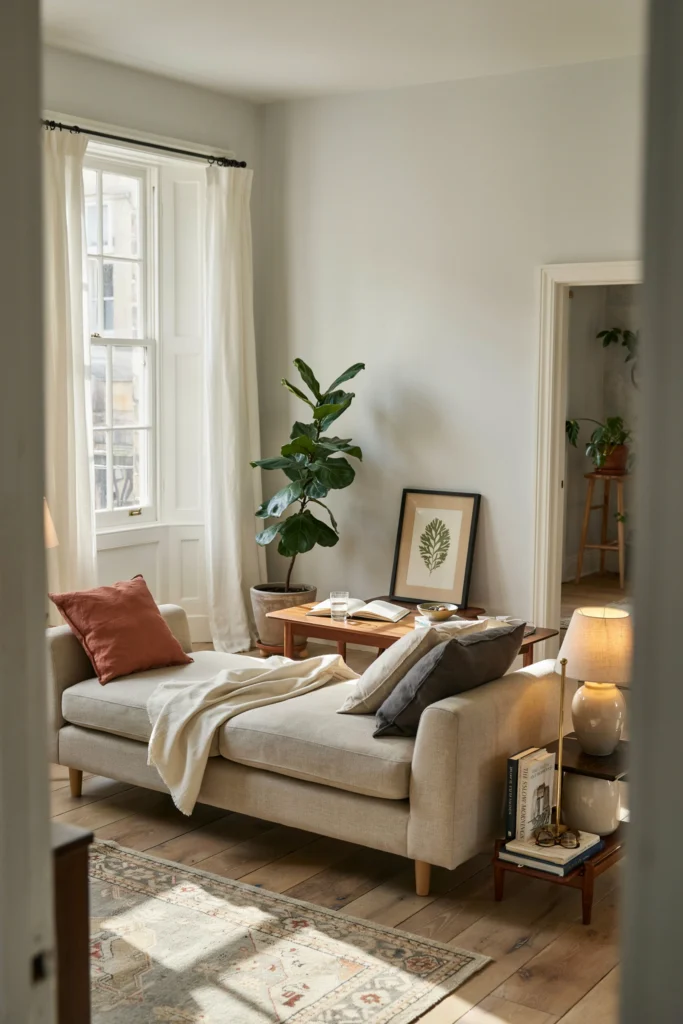
A throw blanket is one of those objects that sits in most homes completely unstylized and therefore completely unnoticed. Folded and stacked on a shelf or stuffed in a basket, it disappears. But draped thoughtfully, it becomes a genuine style element. The trick is in how you place it. Drape it loosely over one armrest of the sofa with one end trailing slightly.
Or fold it loosely and lay it across the foot of the bed. Let it look relaxed and natural rather than perfectly arranged. A chunky knit, a soft faux cashmere, or a woven cotton throw in a warm neutral tone adds texture, warmth, and that effortlessly lived-in quality that styled homes always have.
4. Refresh Your Walls With Affordable Art
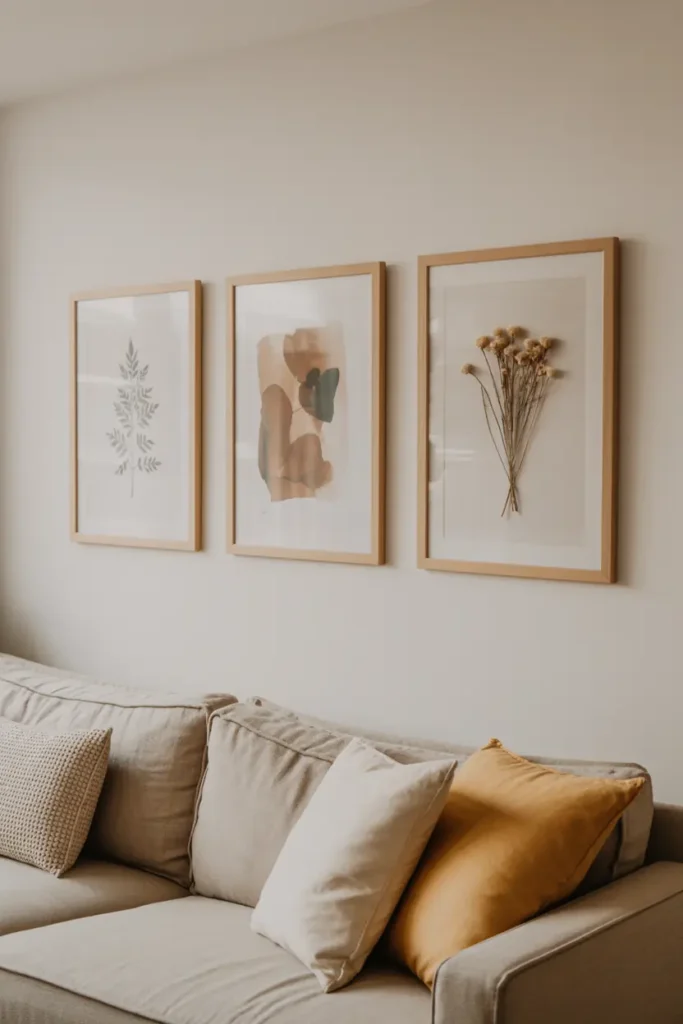
Bare walls are one of the most common reasons a room feels unfinished and slightly cold. But filling them doesn’t have to cost much at all. Printable digital art is one of the best budget decor discoveries of recent years. You find a design you love online, download it, print it at a local print shop or even at home, and frame it. The whole process can cost less than a few dollars.
Beyond that, you can frame pieces of beautiful wrapping paper, fabric swatches, pages from old calendars, pressed dried flowers, or your own simple abstract paintings made with basic acrylics. A wall with thoughtfully chosen and properly framed art always looks dramatically more styled than a bare one.
5. Use Books as Decor Elements
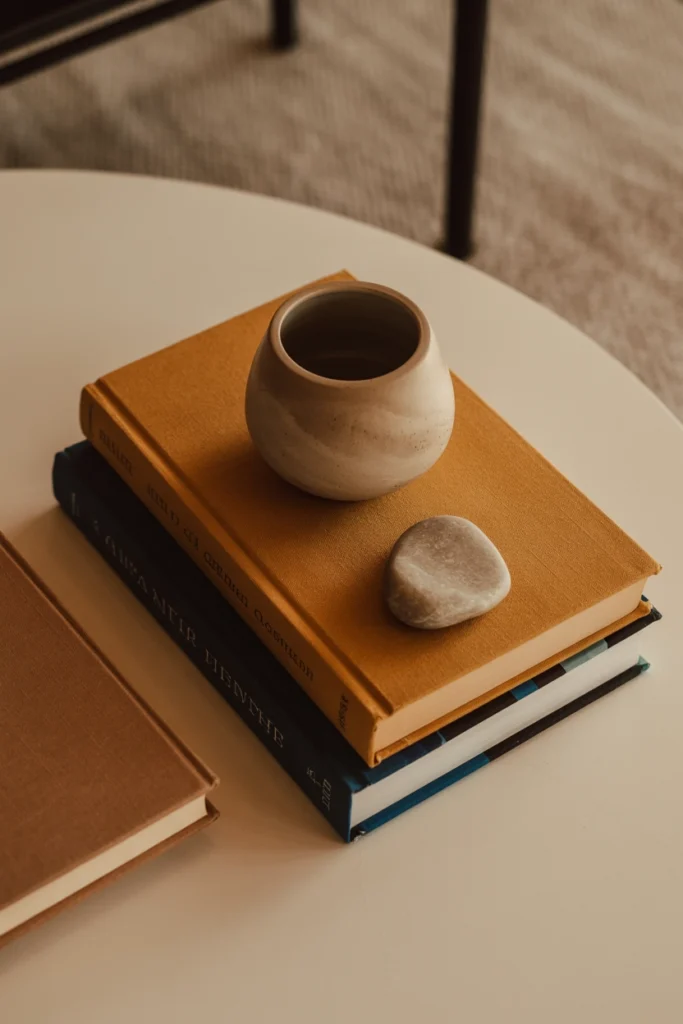
Books are one of the most versatile and underused decor tools available and almost everyone already owns them. Stack three or four horizontally on a coffee table with a small plant or candle placed on top. Line a shelf with books spines facing inward for a clean, tonal, editorial look. Use a thick hardcover book as a riser to lift a small object to a better height on a shelf.
Group books by color for a more visually organized effect. A few well-placed books add intellectual warmth, visual depth, and a sense of personality to any surface they occupy. They cost nothing if you already own them and very little if you pick them up secondhand.
6. Bring in at Least One Plant
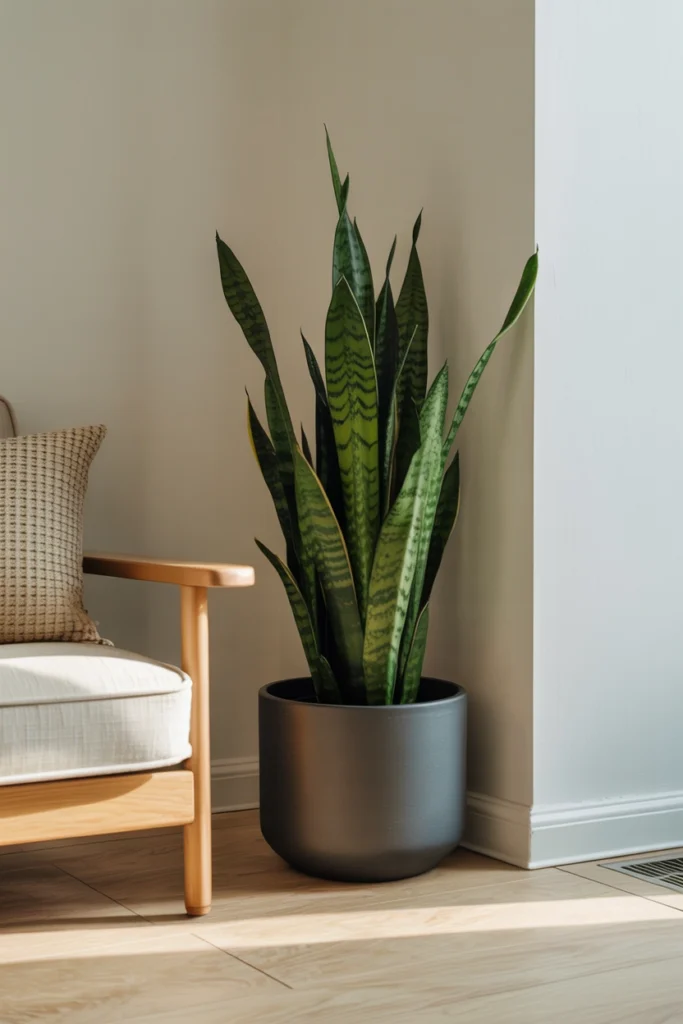
If your home currently has no plants, adding even one changes the energy of a room in a way that’s hard to explain but immediately felt. Plants add color, life, movement, and a kind of quiet vitality that no manufactured object can replicate.
They also signal care and attentiveness, qualities that make a space feel genuinely lived in rather than just furnished. Start with something forgiving if you’re new to plant care. A pothos trails beautifully from a shelf. A snake plant stands dramatically in a corner. A peace lily blooms quietly on a side table. Any of these costs very little and adds something to a room that money genuinely cannot buy elsewhere.
7. Clean and Clear Every Surface Deliberately
This is not a decorating step that most people include in decor guides but it might be the most impactful one of all. Before adding or changing anything, go through every surface in your home and clear it completely. Wipe it down. Then put back only what belongs there and only what adds something.
A surface that holds three intentionally chosen objects looks styled. The same surface holding twelve randomly accumulated items looks cluttered regardless of what those items are. Decluttering and editing is free, it can be done in an afternoon, and the visual difference it makes is often more dramatic than any purchase could achieve.
8. Style One Surface as a Vignette
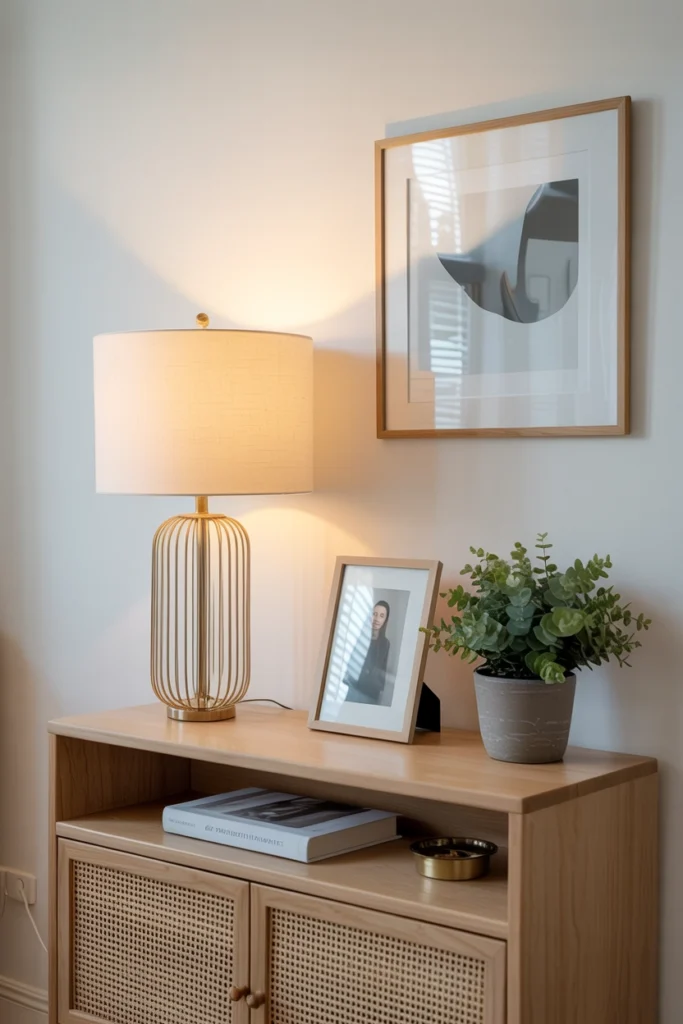
A vignette is simply a small, intentionally grouped arrangement of objects that tells a visual story together. It’s one of the core techniques professional stylists use and it’s completely free if you work with what you already own. Choose one surface, a coffee table, a nightstand, a shelf, or a console table, and style it deliberately.
The formula is simple. Start with something tall, a plant, a lamp, or a vase. Add something with visual weight at a medium height. Finish with something small and interesting at the base. Leave space between objects so the arrangement breathes. One well-executed vignette in a room elevates the entire space.
9. Hang a Mirror in the Right Place
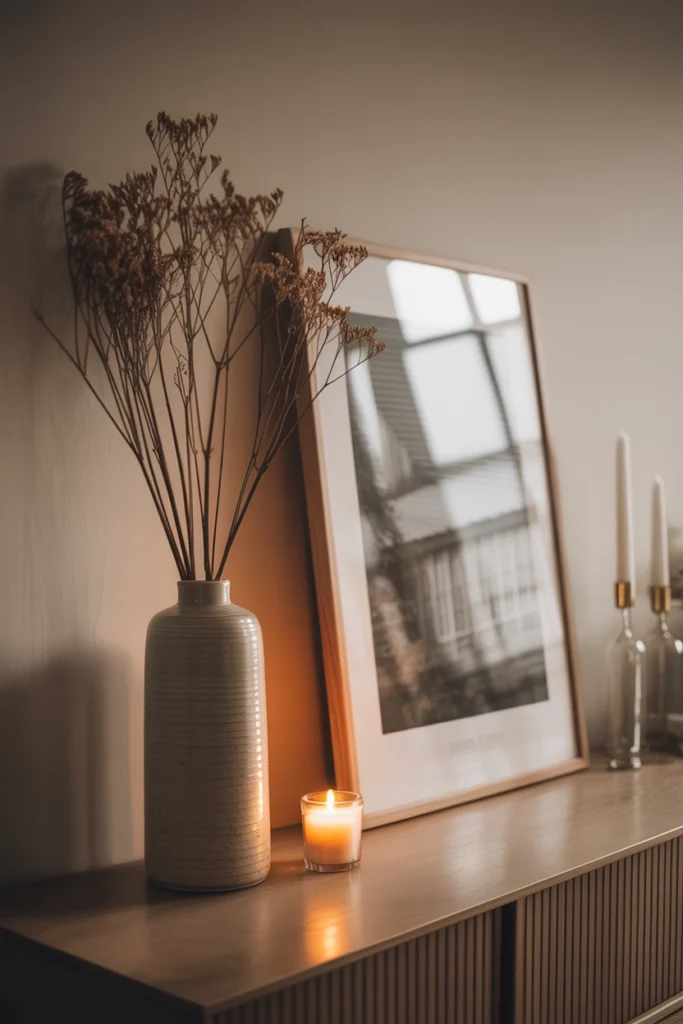
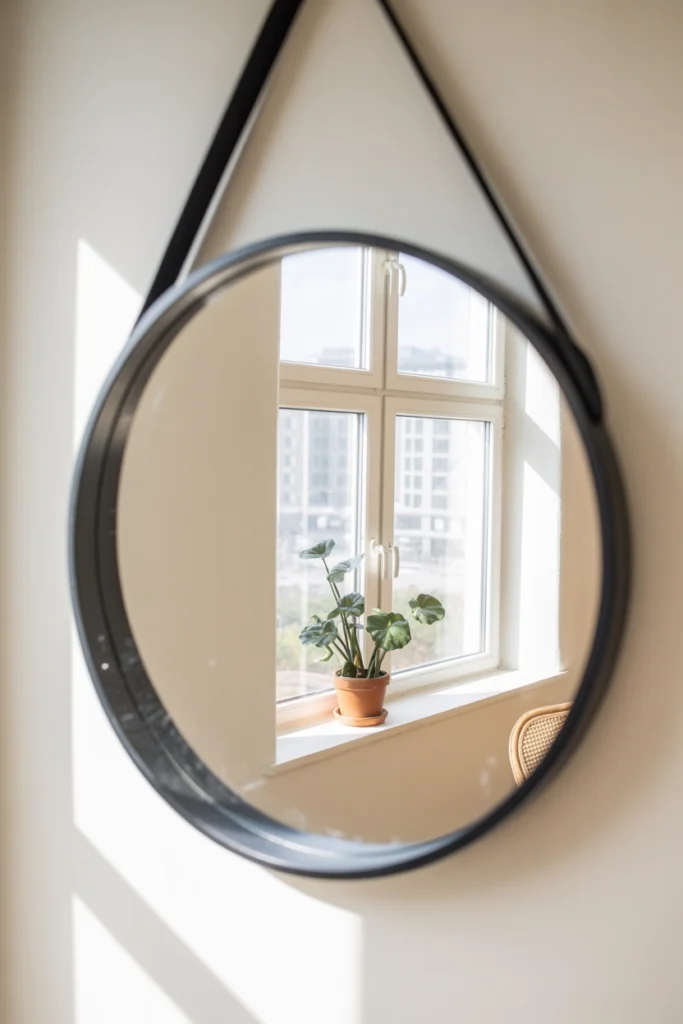
A mirror in the wrong spot does very little. A mirror in the right spot transforms a room. The right spot is almost always opposite or adjacent to a light source, whether that’s a window or a lamp. In that position, a mirror doubles the perceived light in a room, creates the illusion of additional depth and space, and adds a decorative element that works in virtually any style.
Large mirrors leaned casually against a wall look intentional and modern. A cluster of smaller mirrors in interesting shapes creates a gallery wall effect. Thrift stores are consistently excellent sources for affordable mirrors and a can of spray paint can transform any frame in under an hour.
10. Upgrade Your Lighting Without Rewiring Anything
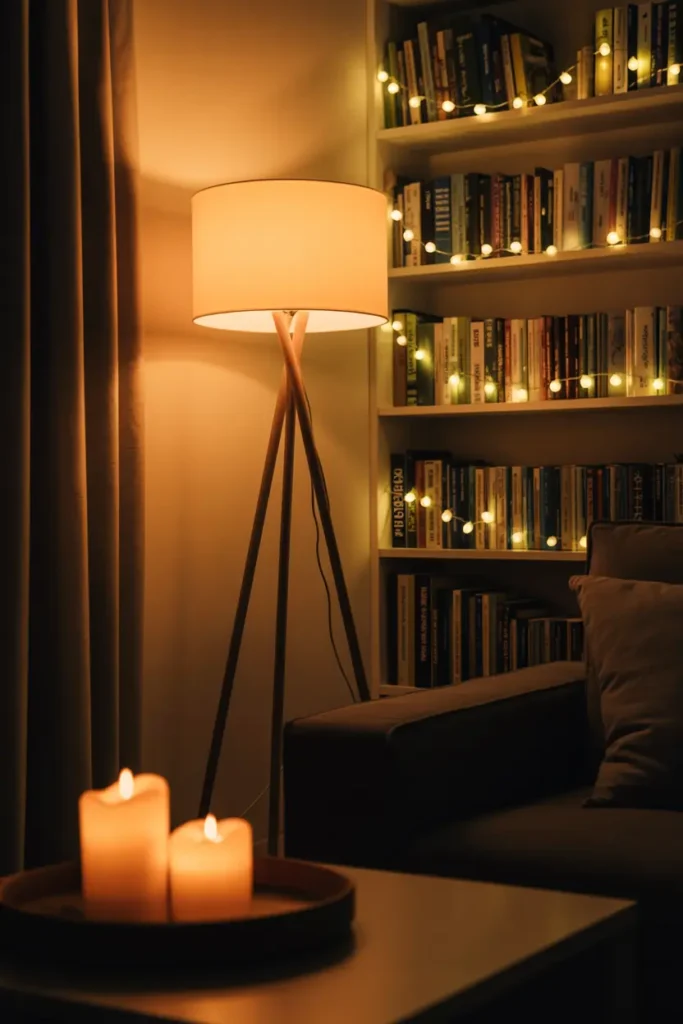
You don’t need an electrician to dramatically improve your lighting situation. The most impactful lighting upgrades require no installation at all. Replace your existing bulbs with warm white LEDs throughout the home. Add a plug-in floor lamp to a corner that currently has no light source. Place a small table lamp on a shelf or side table. String fairy lights along a bookshelf or window frame.
Set out a few candles on a tray for evenings. Each of these additions layers warmth into the room and creates that multi-source lighting effect that makes spaces feel genuinely designed rather than just illuminated. Warm light alone can make an average room feel cozy and considered.
11. Introduce One New Texture to the Room
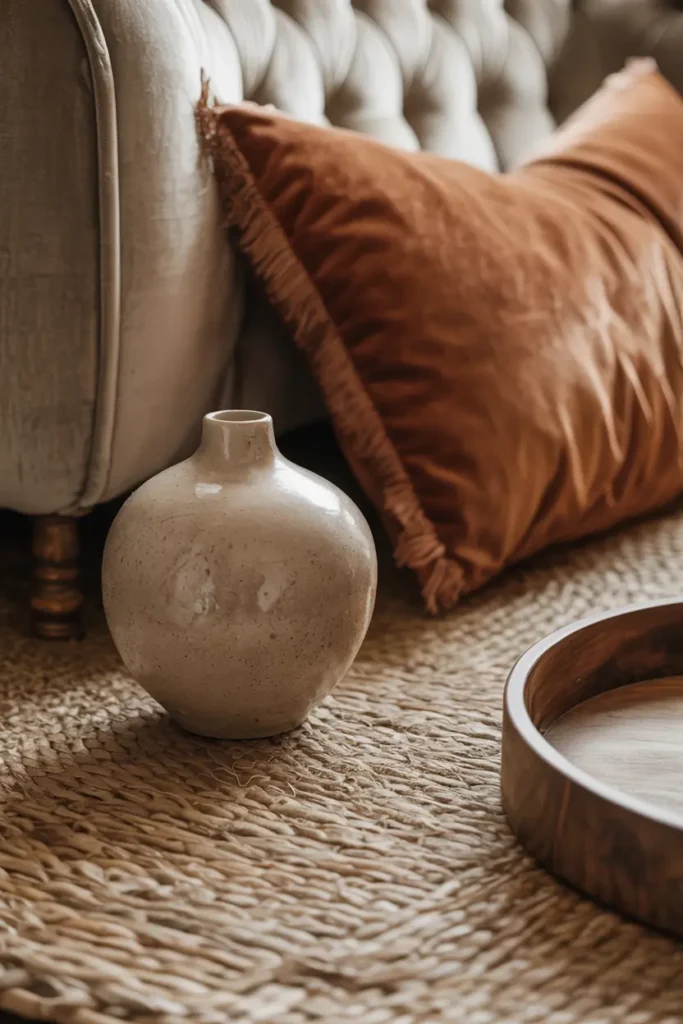
If your room currently feels flat or somehow off despite having reasonable furniture and decor, the missing ingredient is almost always texture. A room where everything has a similar surface quality, all smooth, all shiny, or all matte, feels one-dimensional. Adding one new texture breaks that monotony immediately. A woven basket in a corner. A jute placemat under a plant.
A velvet cushion cover on an otherwise plain sofa. A rattan tray on the coffee table. Texture adds tactile richness that photographs beautifully and feels wonderful in real life. It’s one of the subtlest yet most effective style upgrades you can make on a minimal budget.
12. Create a Candle Corner or Scent Station
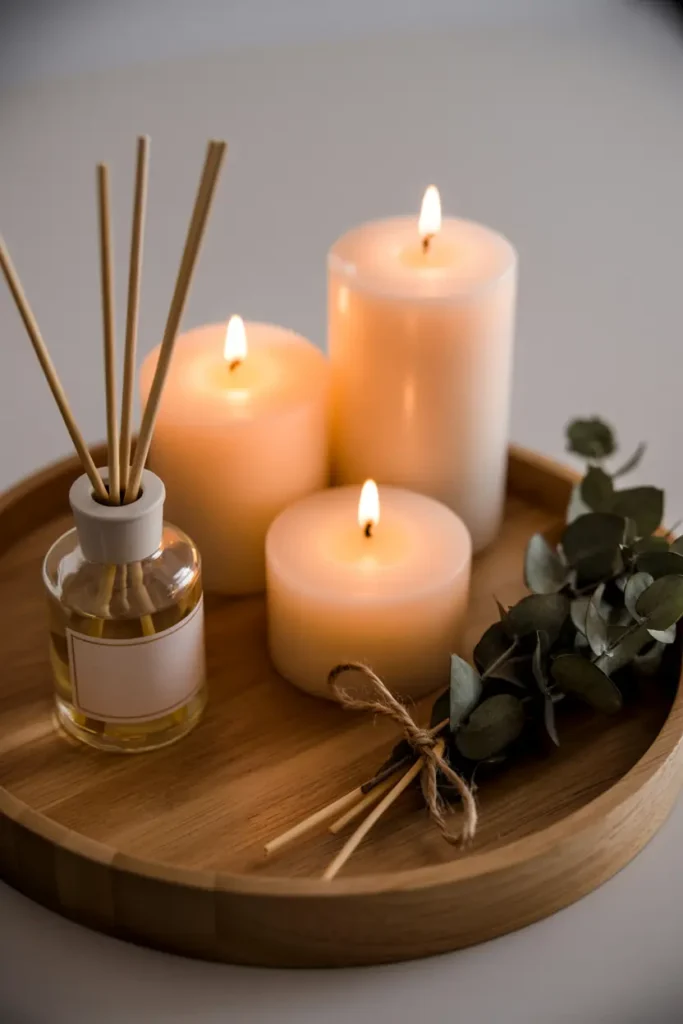
Scent is one of the most powerful sensory elements in a home and one of the most overlooked in budget decorating. A home that smells beautiful feels more luxurious and more welcoming the moment anyone walks through the door. Creating a small dedicated scent corner costs very little and looks beautiful at the same time.
A simple wooden or ceramic tray holding two or three candles of different heights, a reed diffuser, and a small bundle of dried herbs or eucalyptus creates a styled vignette that also fills the room with warmth and fragrance. It’s one of those additions that guests always notice and always mention.
13. Frame and Hang Things You Already Own
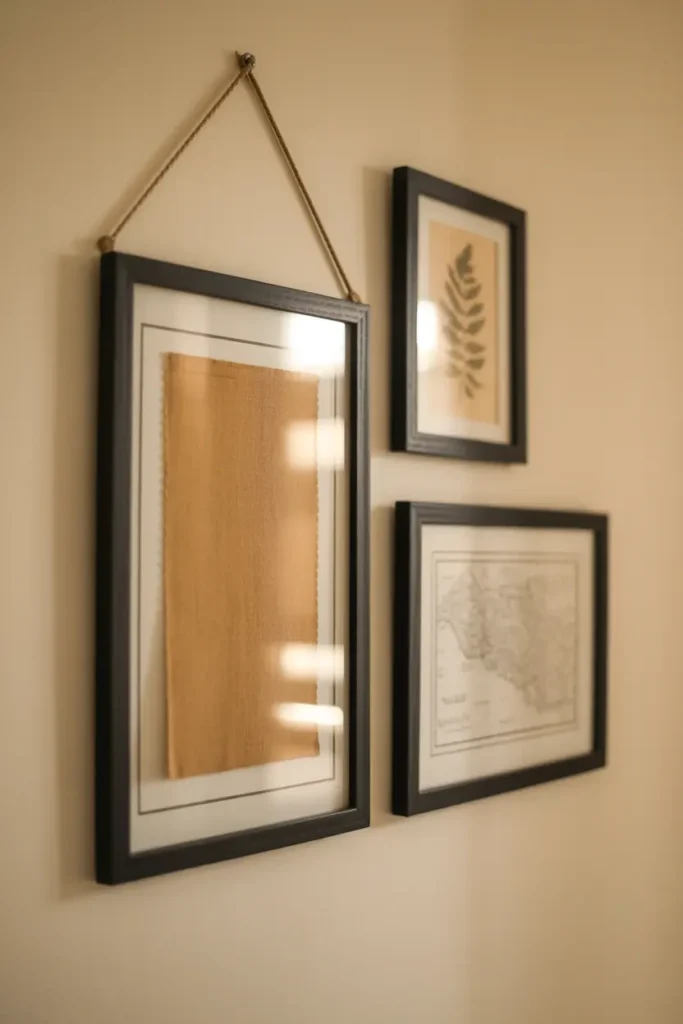
Look around your home for things that could be framed and hung. A piece of beautiful fabric or a vintage scarf. A child’s drawing that has real charm. A map of a place that means something to you. A page torn carefully from an old book or calendar with an illustration you love. A pressed leaf or flower. Any of these things placed in a simple frame and hung with intention becomes wall art.
The frame is what does the elevating work. It signals that the object inside it was chosen deliberately and deserves attention. Thrift stores always have affordable frames in every size and a quick coat of paint unifies mismatched ones beautifully.
14. Use Color Strategically in Small Doses
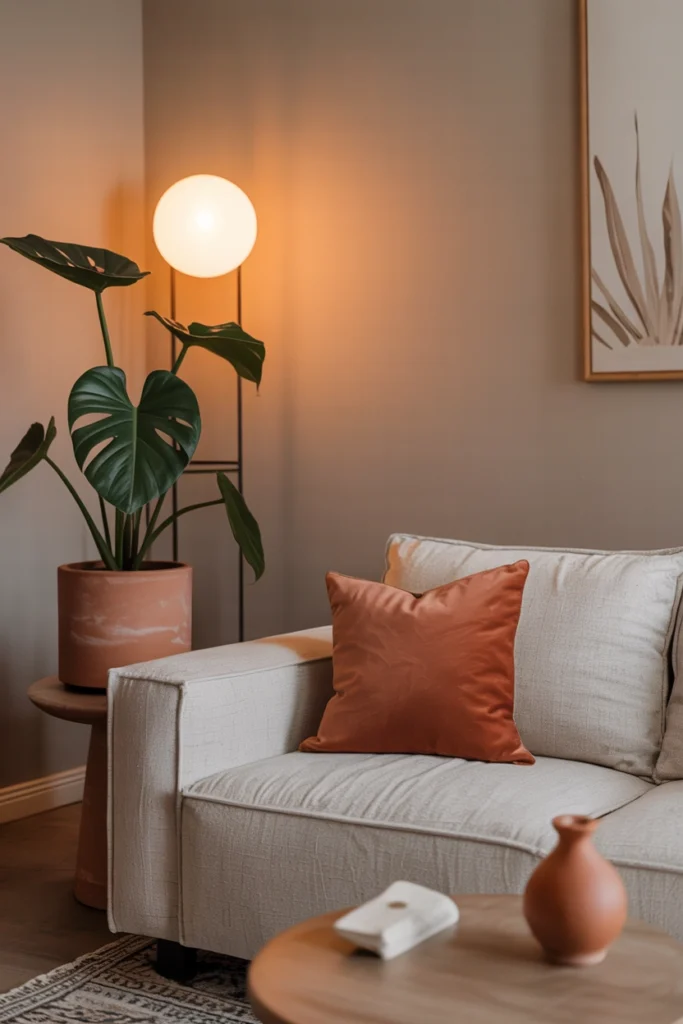
You don’t need to repaint your walls or buy new furniture to introduce color into a room. Color in small doses, through accessories and accents, is often more effective and far more flexible than color on large surfaces. A terracotta plant pot. A deep blue cushion cover.
A rust-colored throw. A green glass bottle used as a vase. These small hits of color warm up a neutral room and give it personality without committing to anything permanent. The key is to repeat a color at least twice in a room so it looks intentional rather than accidental. Two terracotta items, two green items, two items in the same warm tone create a thread of color that ties the room together.
15. Tidy and Style the Kitchen Counter
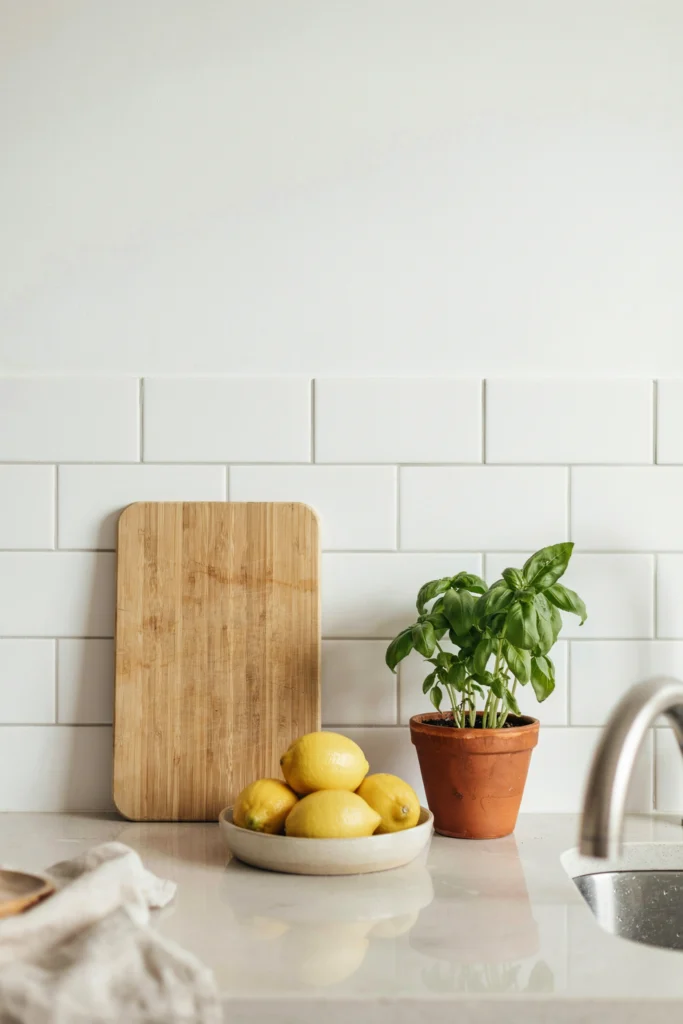
Kitchen counters are one of the most cluttered and therefore most visually chaotic surfaces in the average home. Clearing them down and styling them deliberately makes the whole kitchen feel cleaner, more modern, and more intentional without changing a single fixture or appliance. Keep only what you use daily on the counter.
Group those items near the relevant work zone. Add one small plant or a simple jar of something beautiful, wooden spoons, a bundle of herbs, or a few lemons in a bowl. Place a wooden cutting board upright against the backsplash as both a functional and decorative element. A tidy, lightly styled kitchen counter makes the entire home feel more put together.
16. Layer Your Bedding for a Hotel-Quality Look
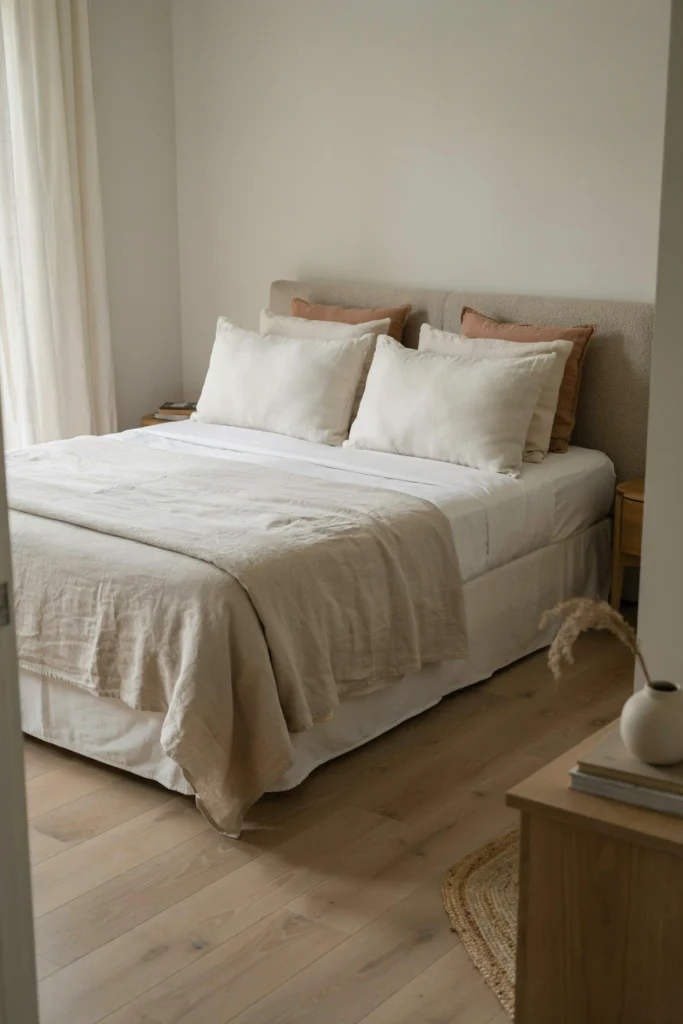
The bedroom is often the room people feel least motivated to style because it feels like a private space. But a beautifully made bed changes the entire energy of a bedroom, and the technique is simpler than it looks. Start with clean white or warm neutral base sheets. Add a textured blanket or quilt folded across the lower third of the bed.
Layer pillows from largest at the back to smallest at the front, mixing covers in complementary tones and at least two different textures. The result is that layered, abundant, hotel-quality look that makes a bedroom feel like a genuine sanctuary. No new furniture required, just intention applied to what you already own.
17. Add Personality to a Forgotten Corner
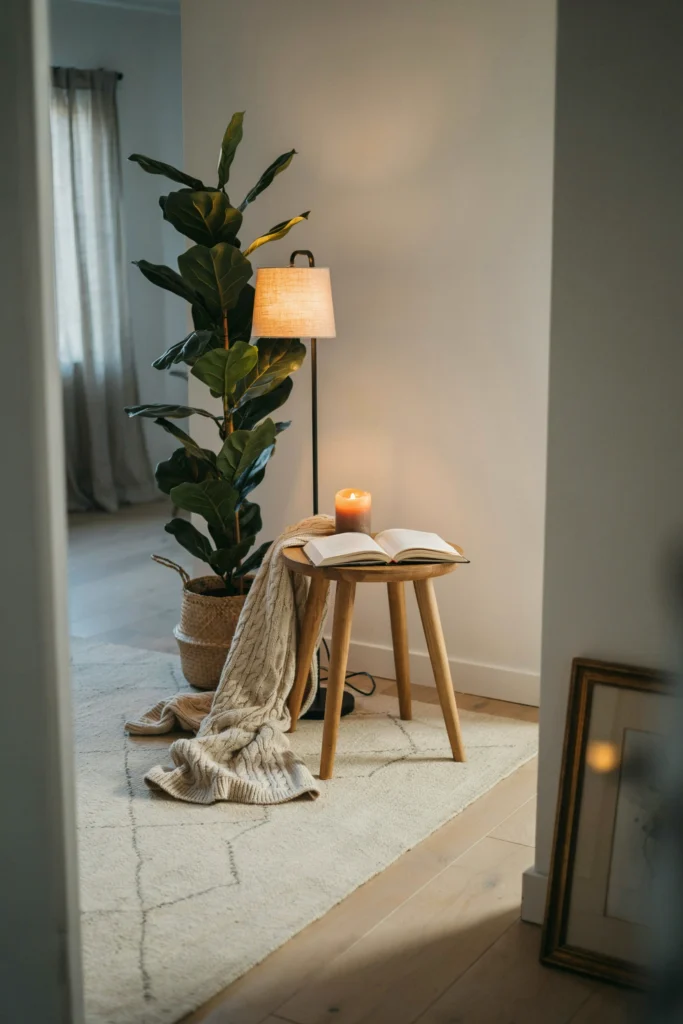
Most homes have at least one corner that nobody has thought about. It holds nothing, contributes nothing, and exists as dead space that makes the room feel slightly unfinished. Activating that corner with intention transforms both the corner and the room around it. A tall plant in a simple pot. A floor lamp beside a small stool with a book and a candle on it.
A stack of large format books with a trailing plant on top. A vintage ladder leaned against the wall holding a few throw blankets. Any of these corner solutions costs very little and takes a dead space from nothing to somewhere genuinely worth looking at.
18. Elevate Your Bathroom With Small Details
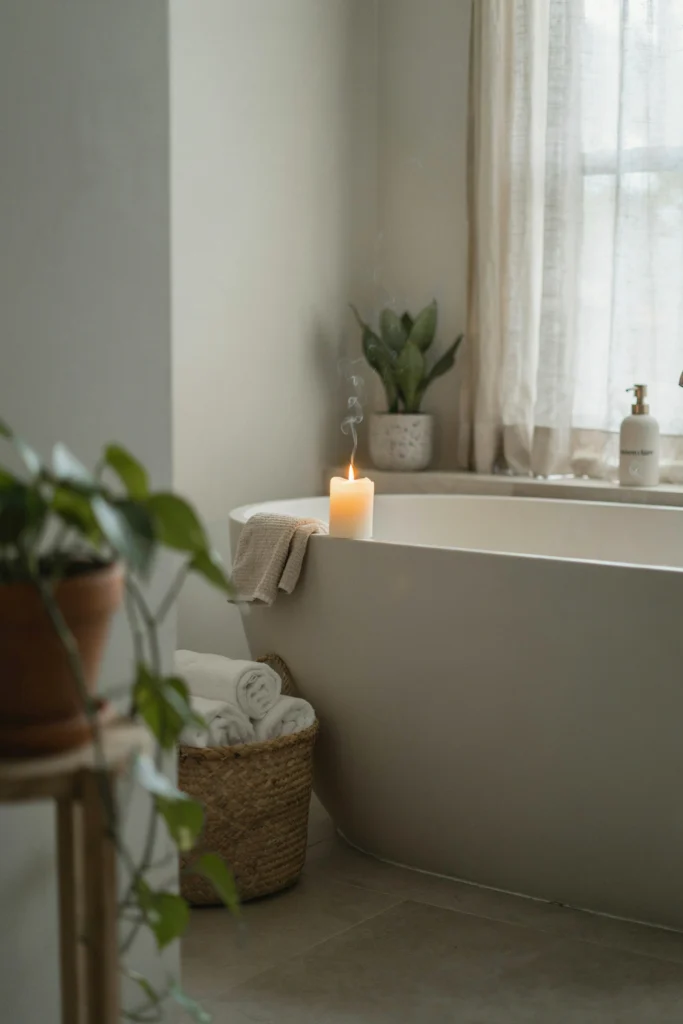
Bathrooms are consistently the most neglected rooms in budget home styling and yet they offer some of the highest impact per dollar of any space in the home. A few small changes make an enormous difference. Roll your towels and display them in a basket instead of hanging them flat. Swap a plastic soap dispenser for a ceramic or glass one. Add a small plant to the windowsill or counter. Place a simple wooden bath mat on the floor.
Hang one small piece of art on the wall. Light a candle on the counter. Each of these changes costs very little but together they transform a purely functional bathroom into something that feels like a small personal retreat.
19. Make Your Entryway Work Harder
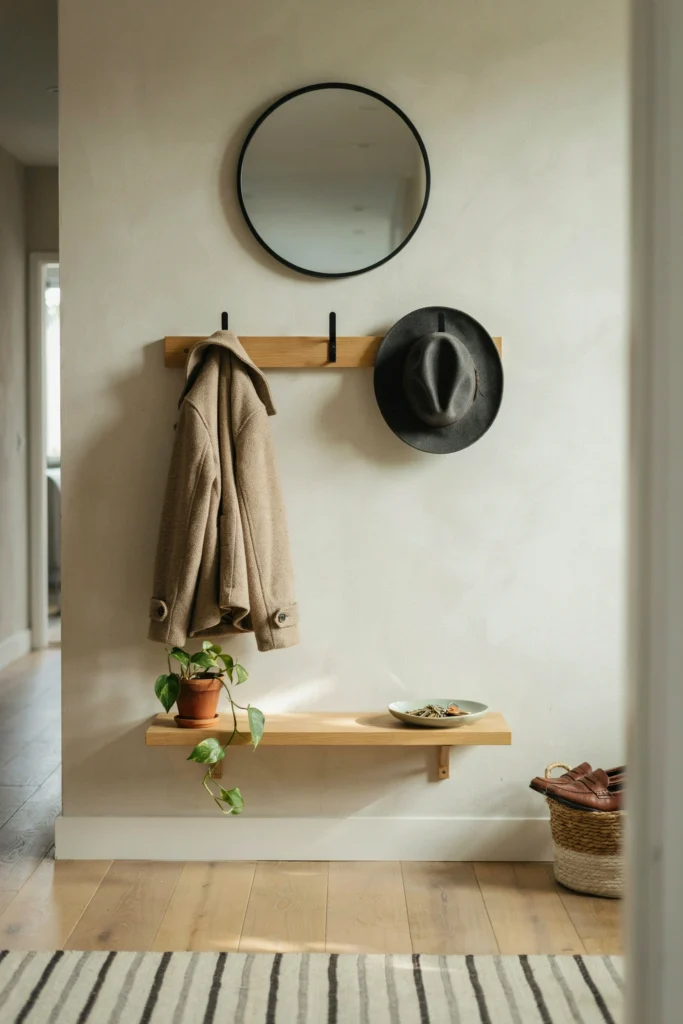
The entryway is the room that sets expectations for everything that follows. Even in its smallest possible form, making it intentional pays dividends throughout the whole home. A wall-mounted hook rail keeps coats and bags organized and off the floor. A small shelf or narrow console gives keys and small items a home. A mirror makes the space feel larger and gives you somewhere to check yourself before leaving.
A plant or a simple piece of art on the wall adds personality. A good doormat finishes the picture. None of this costs much but together these elements create an entry that feels curated and welcoming rather than chaotic and forgotten.
20. Rotate Your Decor Seasonally Without Buying New Things
One of the smartest style habits you can develop is rotating your existing decor rather than replacing it. Move the plant from the bedroom to the living room. Shift the art from the hallway to above the sofa. Take the tray from the bathroom and place it on the coffee table for a while. Swap cushions between rooms.
Pull out a throw blanket you haven’t used in months. Seeing familiar objects in new contexts makes them feel fresh again and gives the room a genuinely refreshed feeling without a single new purchase. This habit keeps your home evolving and interesting throughout the year at absolutely no cost.
Conclusion
Style has never been about spending the most money or making the biggest changes. It has always been about intention, the willingness to look at a space carefully, understand what it needs, and make thoughtful decisions about how to improve it one small step at a time. Every idea in this guide is designed to work within the reality of a real home and a real budget.
Some of them cost nothing at all. Some cost very little. All of them, applied with care and consistency, add up to a home that feels genuinely stylish, warm, and personal without ever requiring a full makeover. Start with one. Then try another. Your home will reward the attention.