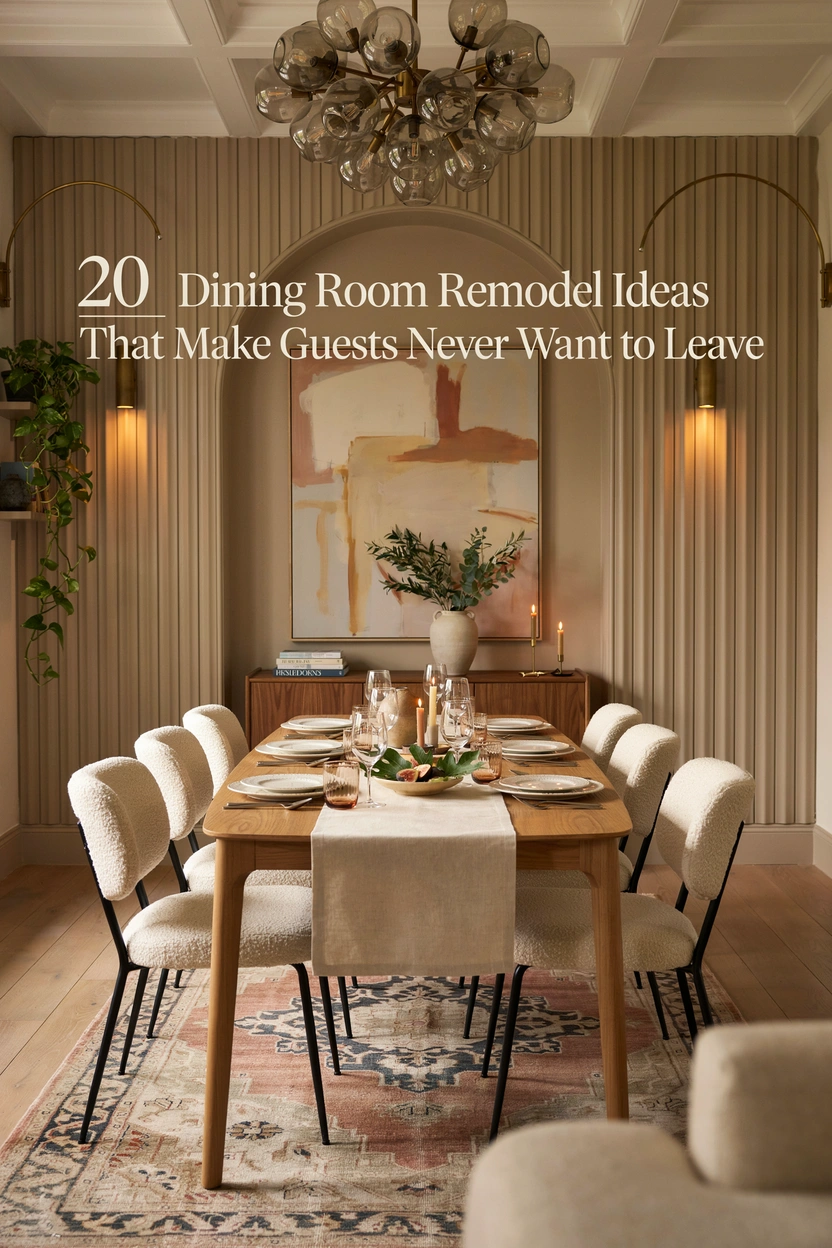
There’s something special about a dining room that feels genuinely welcoming. Not just visually impressive, but warm, comfortable, and alive with good energy. Most of us have sat in a space that just felt right without being able to explain exactly why. The truth is, it usually comes down to a thoughtful combination of lighting, layout, texture, and a few personal touches that make the room feel lived-in rather than staged.
If your dining room currently feels a little flat or uninspiring, the ideas below can help you transform it into a space where guests linger long after the meal is over.
1. Start With the Right Table for Your Space
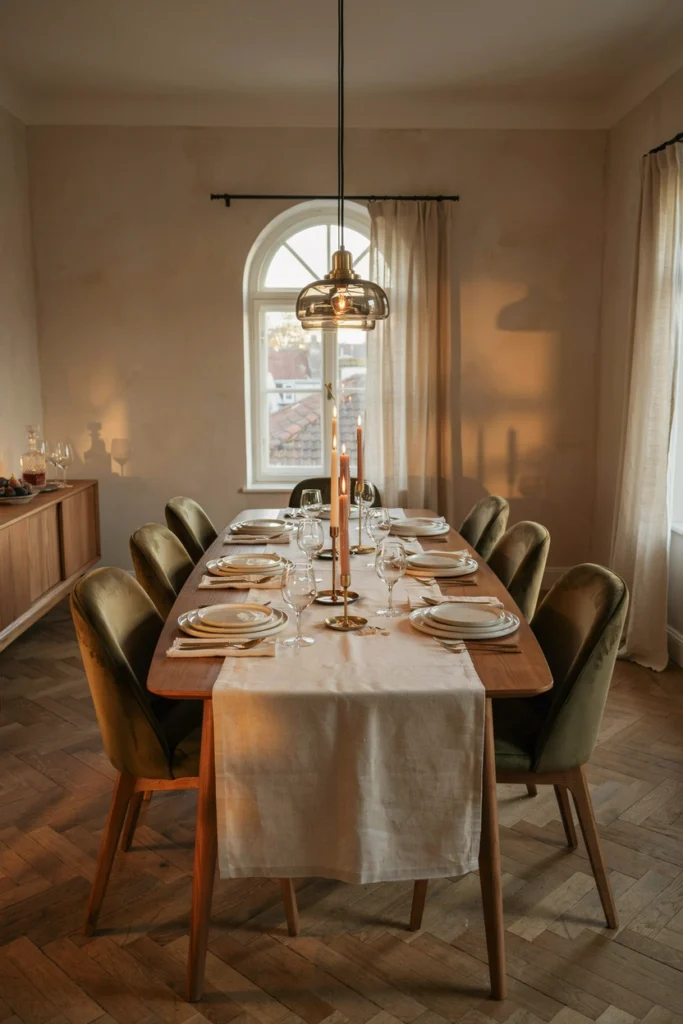
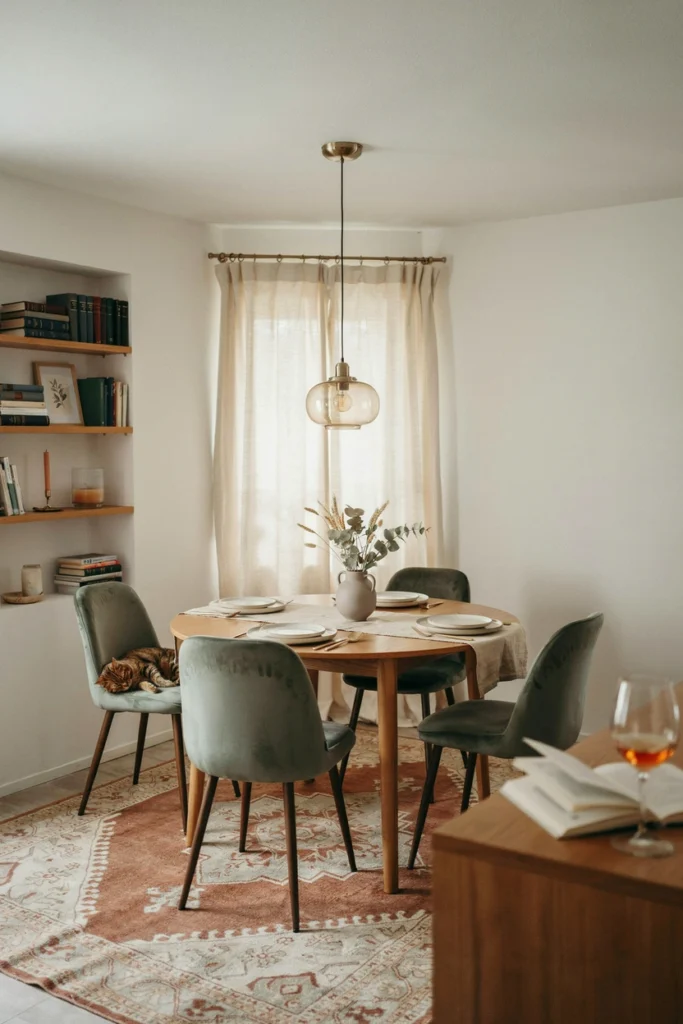
The dining table is the heart of the room, and getting the size and shape right changes everything. A table that’s too small makes the room feel cramped and awkward for hosting. One that’s too large leaves guests shouting across an empty surface. Measure your space carefully, leaving at least 90 centimeters on all sides for comfortable movement. Round tables encourage conversation naturally, while rectangular ones suit longer rooms and larger gatherings. Choose a material that fits your lifestyle, whether that’s a solid wood table with character or a more durable surface if you have young children.
2. Layer Your Lighting for Atmosphere
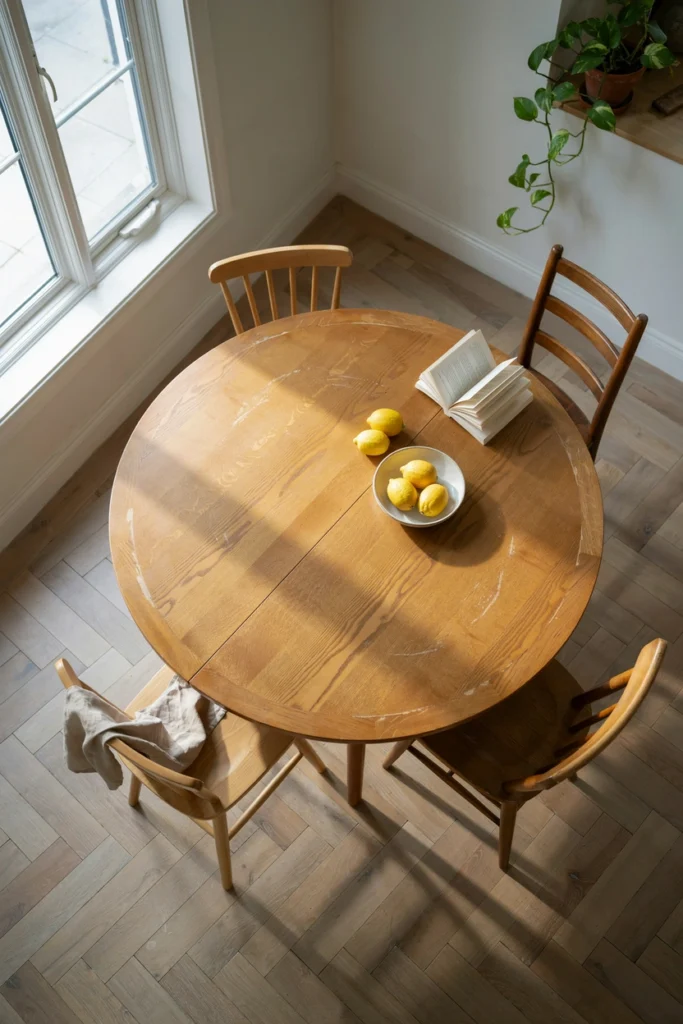
Lighting is the single most powerful tool in a dining room, and most people underuse it. Overhead lighting alone creates a flat, almost clinical feel. Instead, layer it. Start with a statement pendant or chandelier above the table as your main source, then add a dimmer switch so you can bring the light level down during meals. Supplement with wall sconces, a floor lamp in the corner, or candles on the table. This combination of light sources gives the room depth and warmth that makes guests feel instantly relaxed.
3. Choose a Color Palette That Invites Conversation
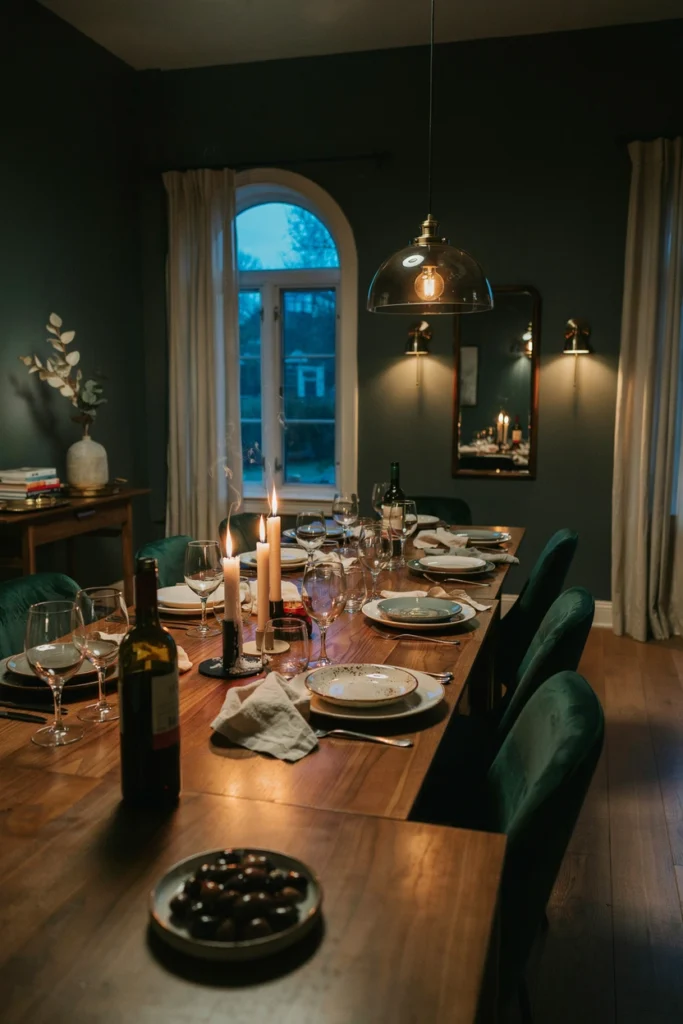
Color affects mood more than most people realize. Soft, warm tones like terracotta, warm white, sage green, and dusty rose tend to create an environment that feels relaxed and welcoming. Deep tones like navy, forest green, or charcoal can feel dramatic and intimate when done well. Avoid very cool or stark whites in dining spaces as they can feel sterile and uninviting. You don’t have to repaint every wall. Even an accent wall behind the main seating, or a rich-colored sideboard, can shift the entire mood of the room.
4. Invest in Comfortable Seating
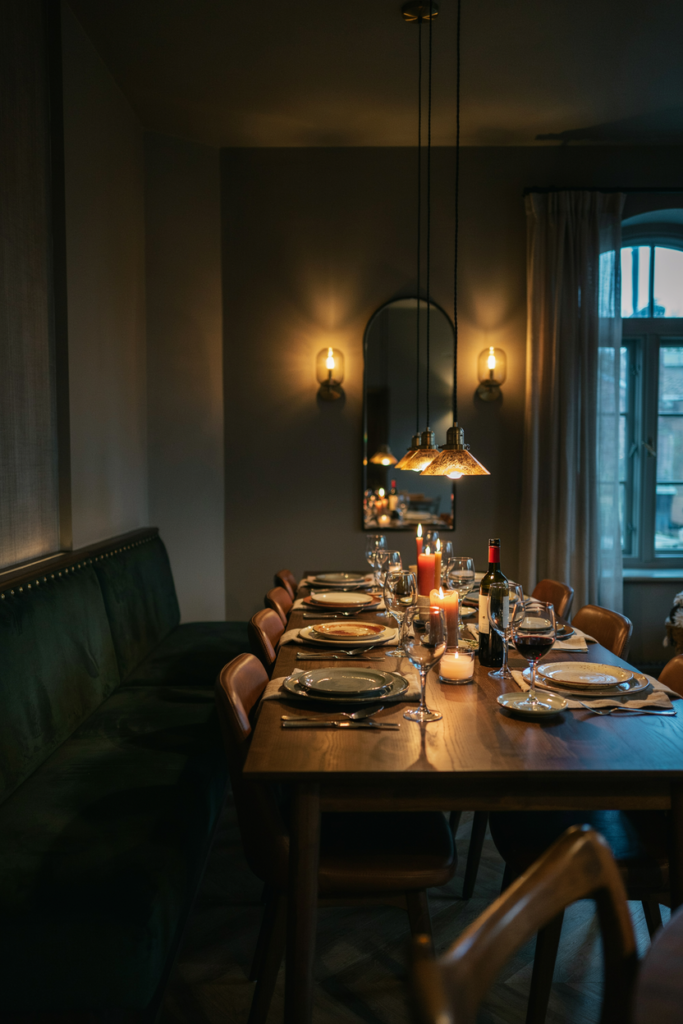
Guests stay longer when they’re physically comfortable. This sounds obvious, but a surprising number of dining rooms have chairs that look lovely in photos and feel terrible after twenty minutes. Look for chairs with a bit of padding on the seat, adequate back support, and the right height relative to your table. Upholstered chairs add warmth and comfort, though they require more maintenance. A mix of chairs and a bench along one side is both practical and visually interesting, and it gives the room a relaxed, casual feel that encourages people to settle in.
5. Add a Statement Light Fixture
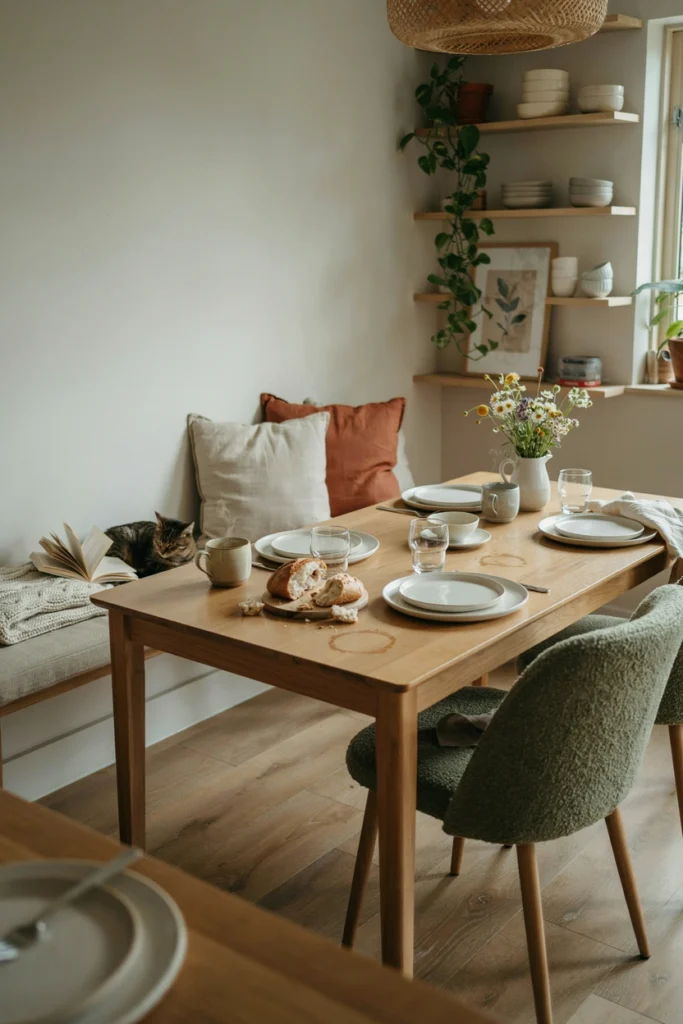
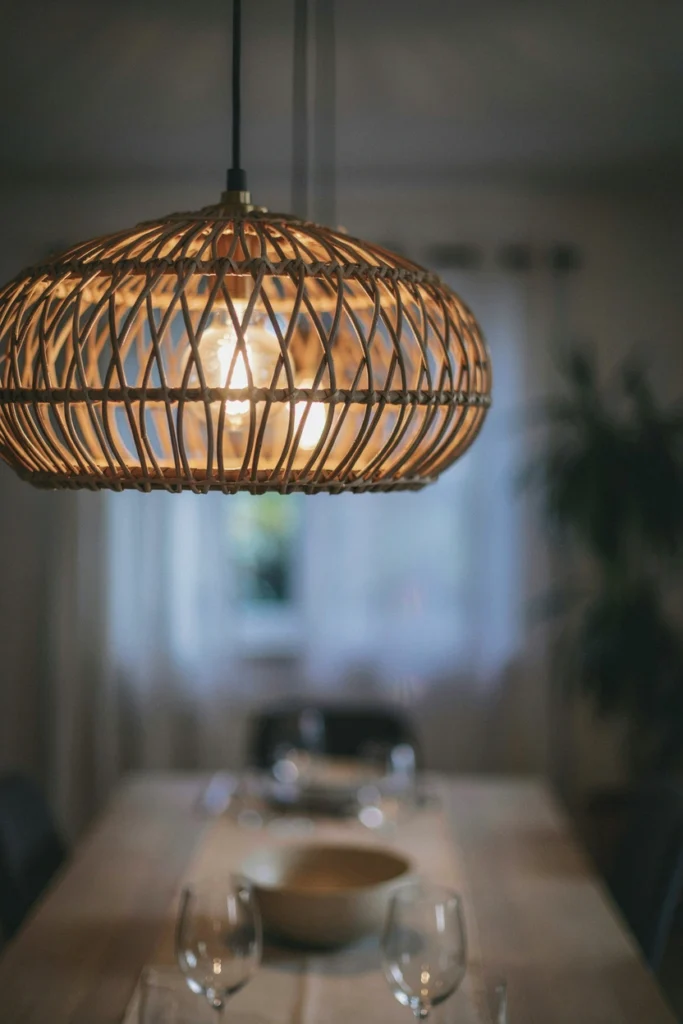
Beyond general lighting, a striking pendant lamp or chandelier does something more than illuminate. It becomes a focal point that gives the room personality and intention. It signals that this space was thought about. Whether you choose a sculptural rattan shade, a cluster of globe bulbs, a classic brass chandelier, or something more modern and geometric, the right fixture can completely redefine the visual tone of the room. Hang it at the right height, roughly 75 to 90 centimeters above the table surface, for the best visual and practical effect.
6. Use a Rug to Anchor the Space
A dining room without a rug can feel disconnected and cold, especially in homes with hard flooring. A well-chosen rug pulls the seating area together and defines the dining zone as its own distinct space within a larger room. Choose a rug large enough that all chair legs remain on it even when the chairs are pulled out. Natural fibers like jute or wool add warmth and texture. If you’re worried about stains, look for low-pile, easy-to-clean options in patterns that camouflage spills gracefully.
7. Create a Focal Wall With Wallpaper or Texture
One textured or patterned wall can dramatically elevate a dining room without requiring a full renovation. Wallpaper has made a serious comeback and for good reason. A bold botanical print, a subtle geometric pattern, or even a textured plaster or limewash finish gives the room depth and visual interest that paint alone rarely achieves. Keep the rest of the walls simple to let the feature wall breathe, and choose something that reflects the mood you want to create, whether that’s maximalist and layered or calm and understated.
8. Bring in Natural Elements
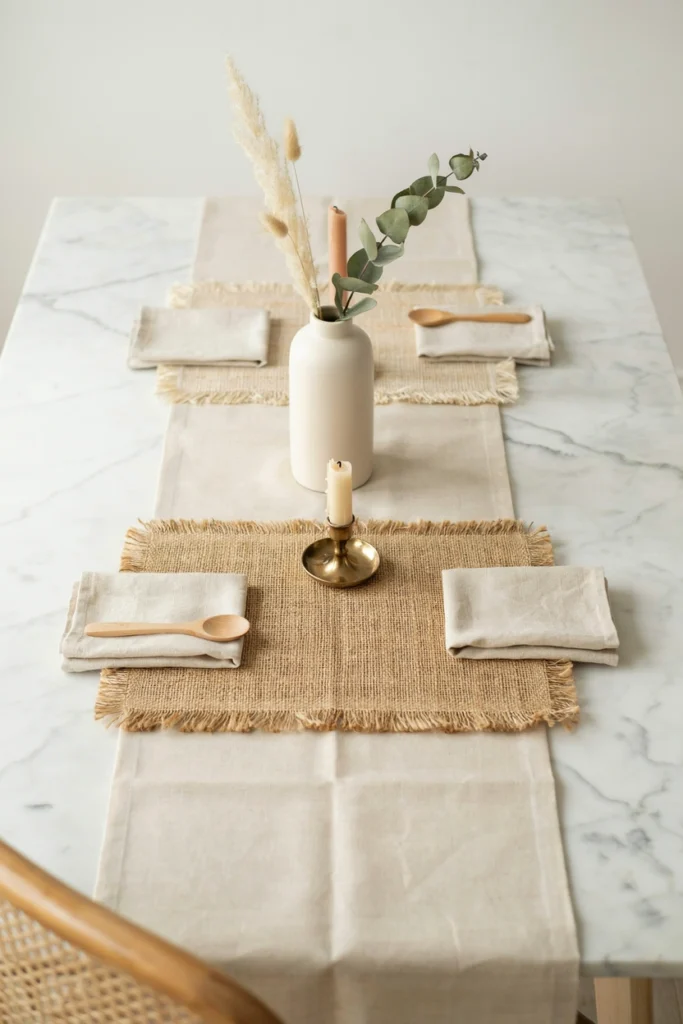
Wood, stone, plants, linen, and woven materials bring a quality to a room that manufactured finishes simply cannot replicate. A dining room that incorporates natural elements feels grounded and alive. A simple potted plant in the corner, a wooden serving bowl as a centerpiece, linen napkins, or a stone candle holder are small additions that collectively shift the atmosphere considerably. If you have the space, a large indoor plant near the dining area adds drama and warmth without any renovation work at all.
9. Rethink Your Centrepiece
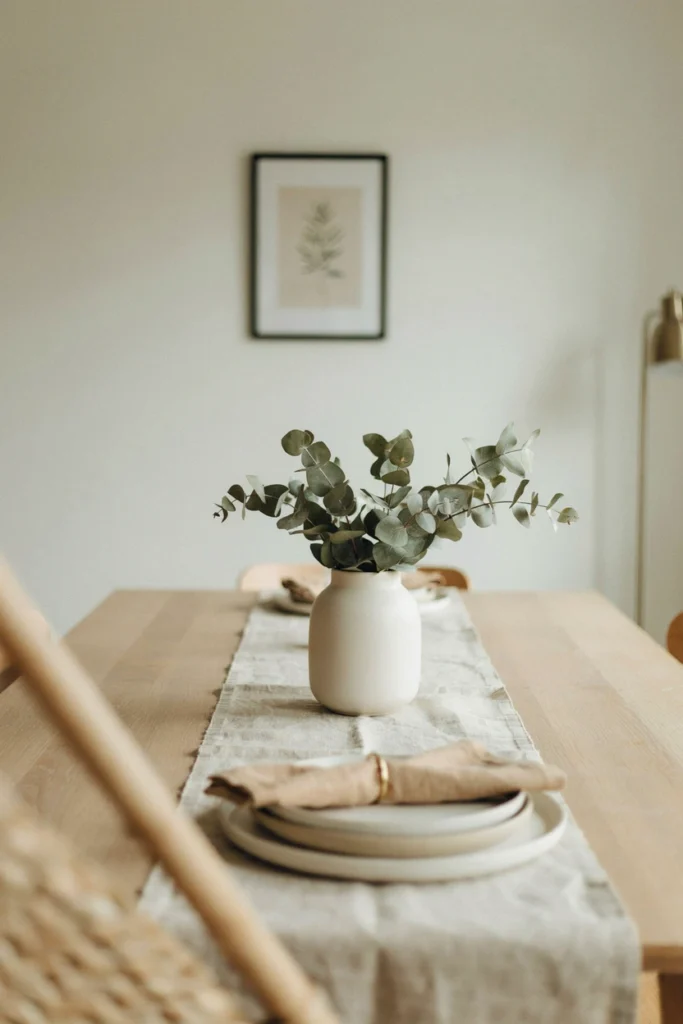
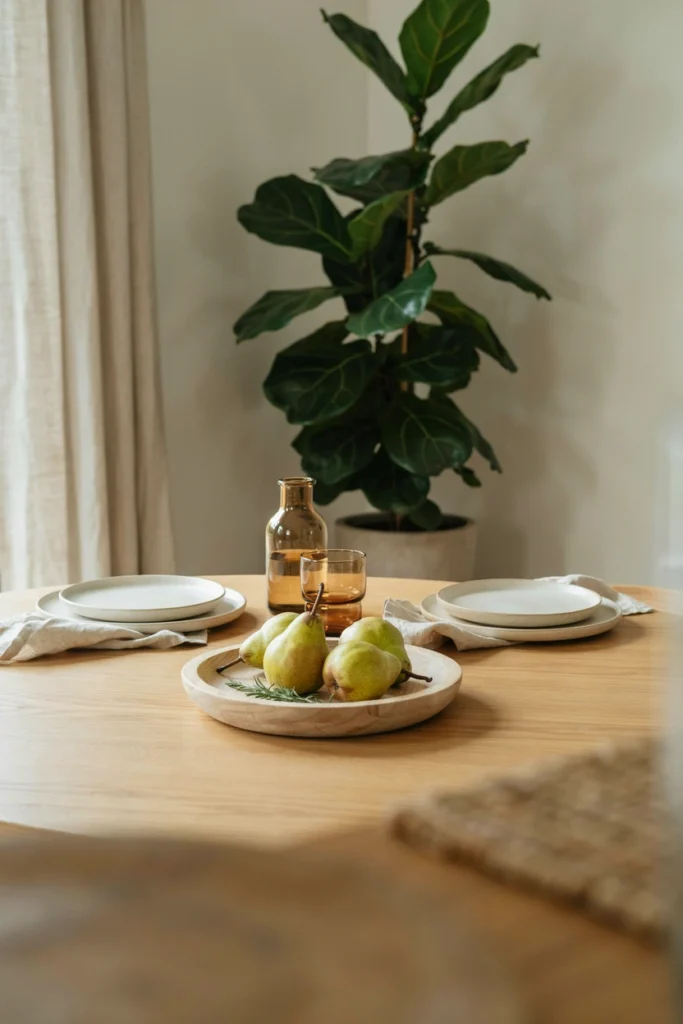
The centrepiece is the one thing at eye level for every guest at the table, and yet it’s often treated as an afterthought. Skip the artificial flower arrangement that’s been sitting there for two years. Instead, consider a low arrangement of real or dried botanicals, a grouping of candles at varying heights, a wooden tray with small objects, or a row of small bud vases with single stems. The key is keeping it low enough not to block eye contact across the table, and interesting enough to spark a comment or two.
10. Install a Sideboard or Buffet
A sideboard serves both form and function beautifully. Practically, it gives you somewhere to place dishes, extra tableware, and serving items during meals so the table doesn’t feel cluttered. Aesthetically, it provides a surface for decor, a lamp, plants, or artwork hung above it, turning that wall into a complete vignette. It also makes hosting significantly easier because you can lay out food and drinks buffet-style, which encourages guests to move around and helps the meal feel more relaxed and social.

11. Use Mirrors to Add Light and Depth
A large mirror in the dining room does two practical things. It reflects light around the space, making even a smaller room feel brighter and more open. And it adds a sense of depth that makes the room feel larger than it is. A full-length mirror leaning against the wall, a round mirror above the sideboard, or a collection of smaller mirrors grouped together all work well. Choose a frame that complements your overall style, whether that’s minimal, ornate, industrial, or organic.
12. Upgrade Your Window Treatments
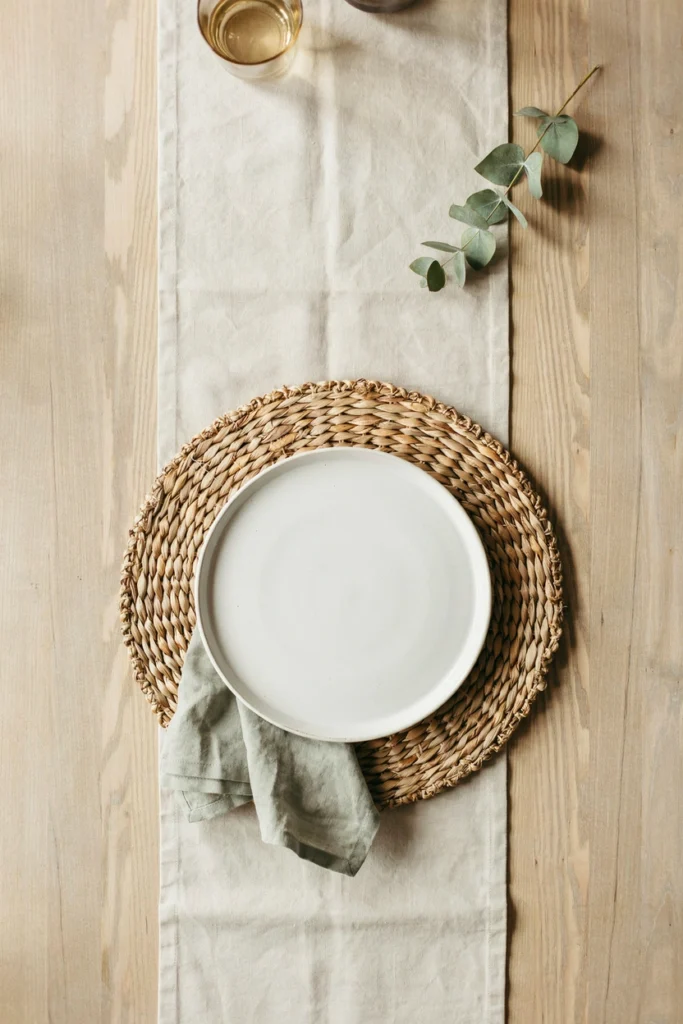
Curtains and blinds are often overlooked in dining rooms, but they have a significant impact on how the space feels. Heavy floor-length curtains in a rich fabric like velvet or linen add a sense of occasion and help with acoustics. Sheer panels soften the light beautifully during the day. Roman blinds give a cleaner, more tailored look. Whatever you choose, hang your curtains as high as possible and as wide as the window allows. This simple trick makes ceilings feel taller and windows appear larger.
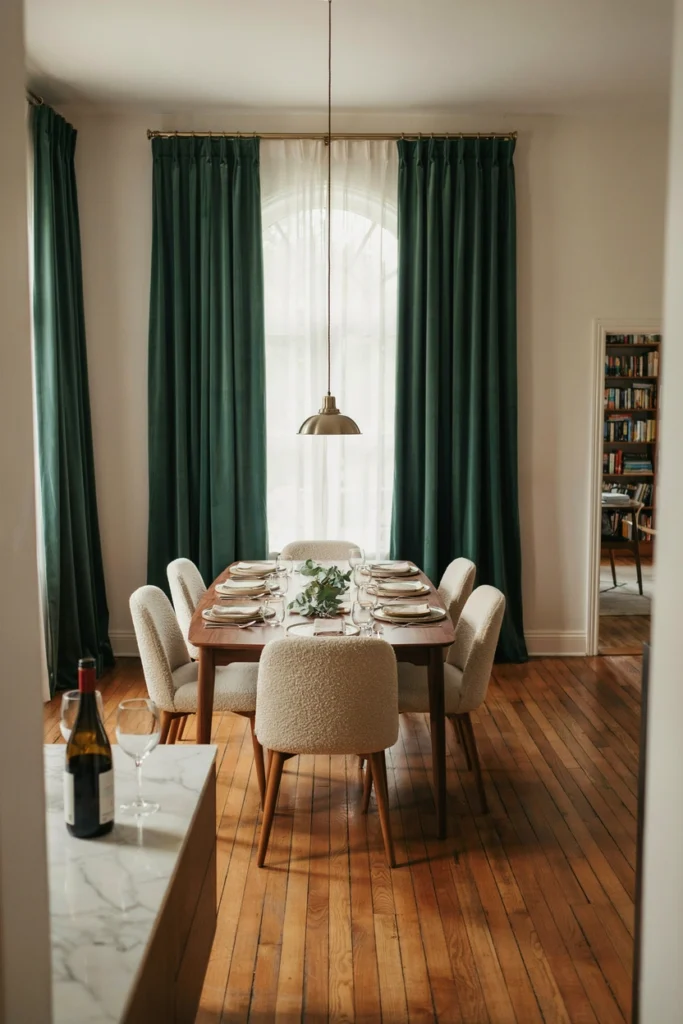
13. Add Art That Starts Conversations
Art in a dining room does more than decorate. The right piece gives guests something to react to, comment on, and talk about, which naturally extends the social life of the meal. You don’t need to spend a fortune. A large-scale print, a gallery wall of personal photographs, a textile hanging, or even a vintage mirror treated as art all work brilliantly. Choose something you genuinely love rather than something that simply matches the sofa. Authentic choices make rooms feel personal rather than showroom-staged.
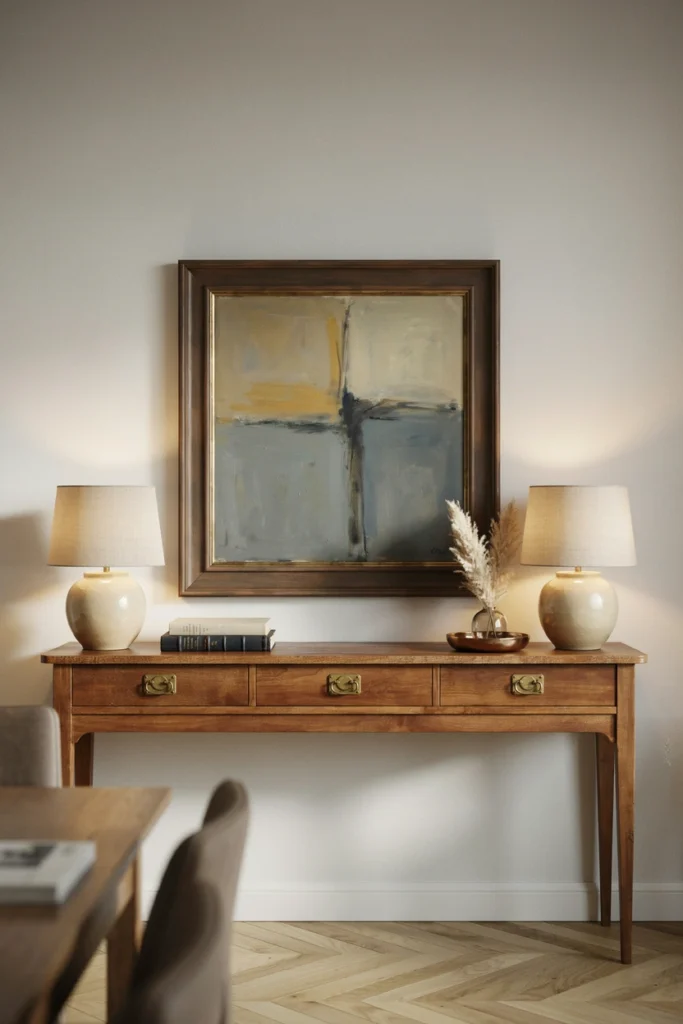
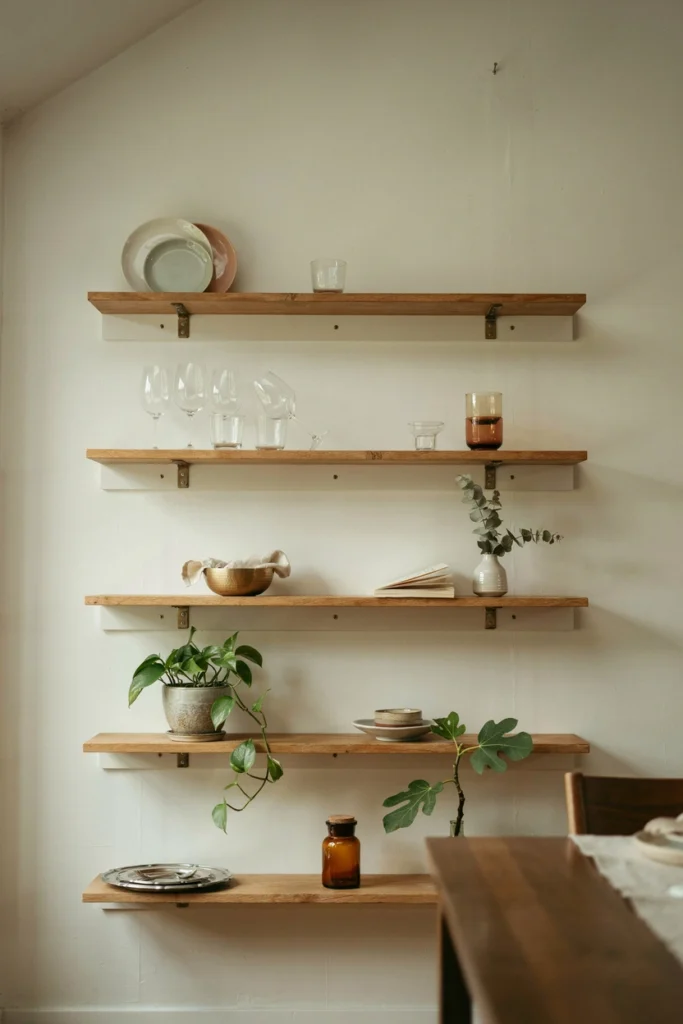
14. Incorporate Open Shelving
Open shelving in a dining room, especially along a blank wall, adds storage, display space, and personality all at once. Style it with a mix of practical and decorative items: your nicest plates, glassware, small plants, candles, and a few books or objects you love. Avoid the temptation to fill every inch. Negative space on shelves makes the whole display look intentional rather than cluttered. Open shelving also works beautifully in smaller homes where a full china cabinet might feel too heavy.
15. Create an Intimate Atmosphere With Curtain Dividers
In open-plan homes, the dining area can sometimes feel like it lacks identity. A set of floor-to-ceiling curtains used as a soft partition gives the dining space its own sense of enclosure without the need for walls. When guests are over for dinner, drawing the curtains partially creates an immediate sense of intimacy and occasion. It’s a theatrical touch that costs relatively little and dramatically shifts how the room feels during a dinner party.
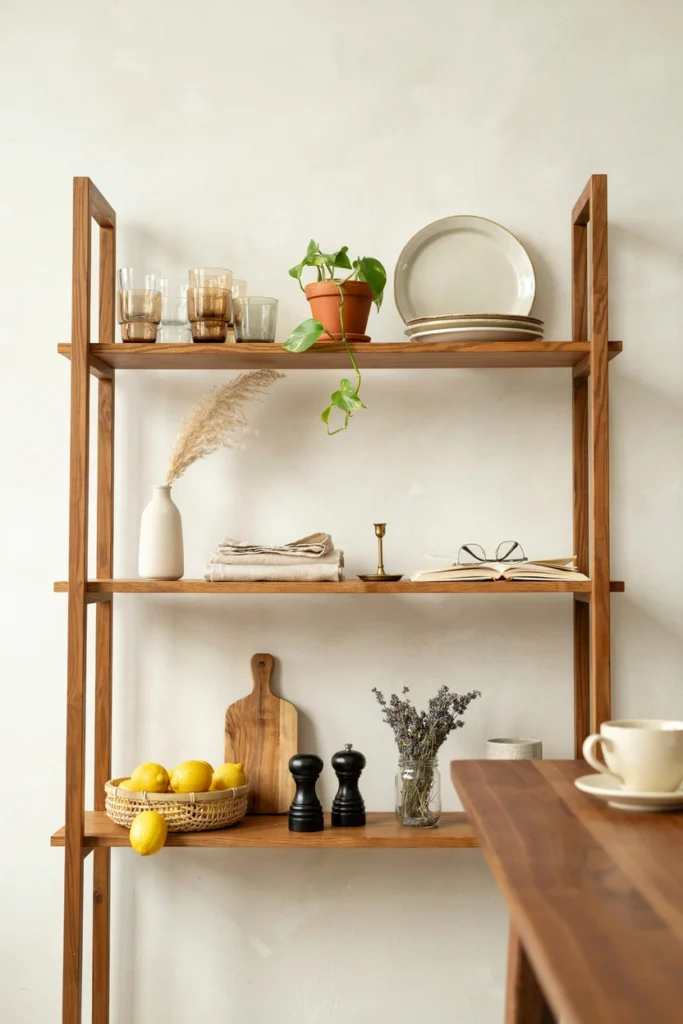
16. Upgrade Your Tableware and Linens
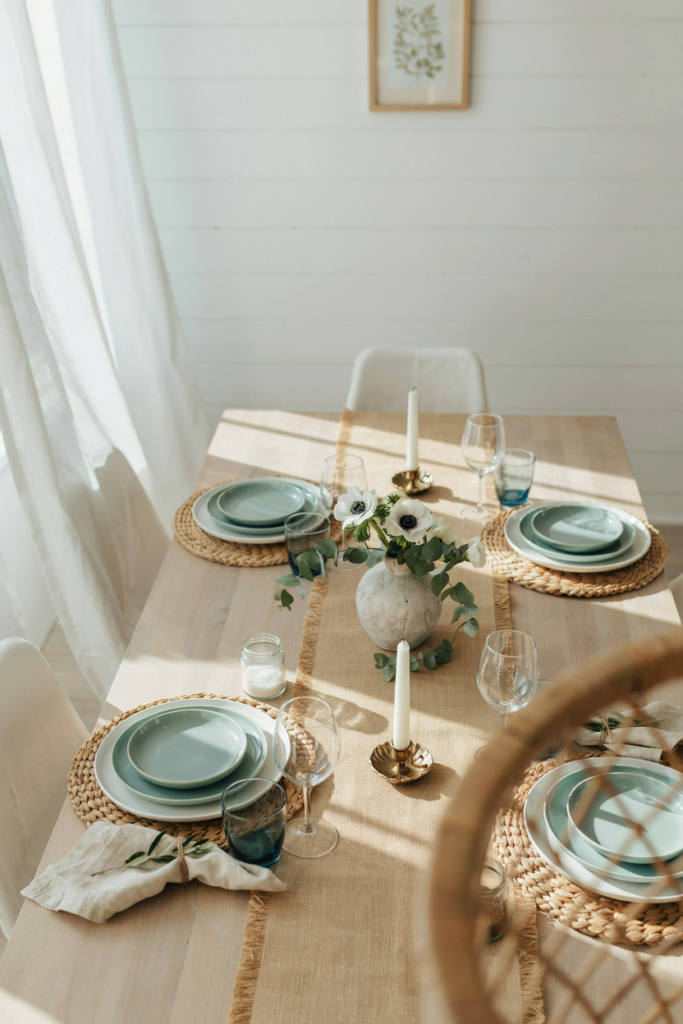
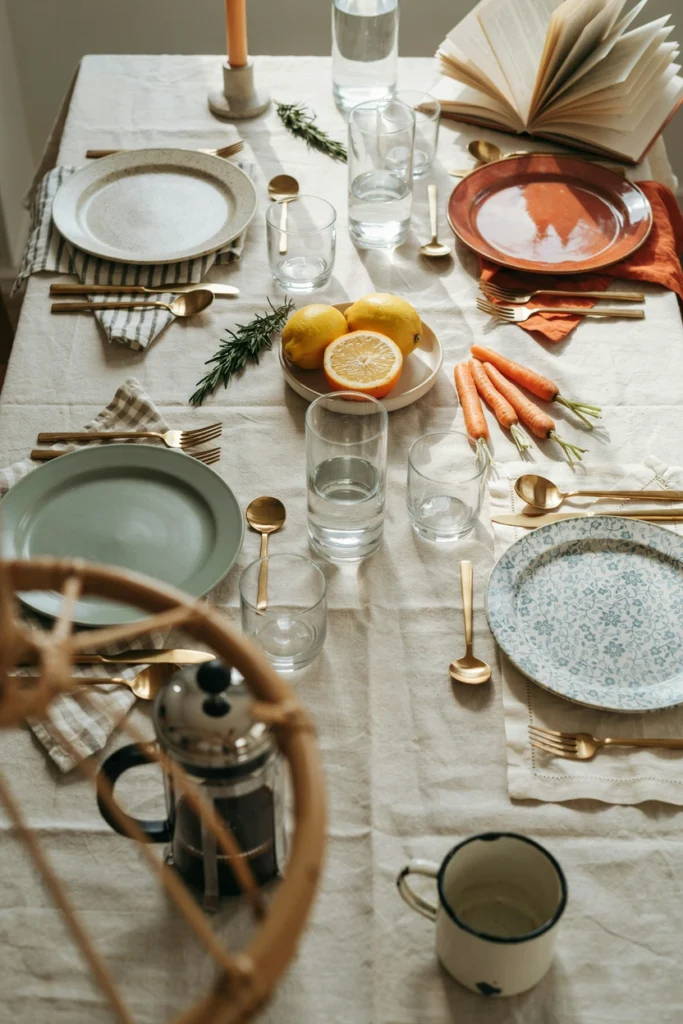
This isn’t a structural remodel, but it changes the dining experience more than almost anything else. Beautiful plates, real cloth napkins, a textured tablecloth, good glassware, and simple but considered cutlery turn an ordinary meal into an occasion. Guests feel valued when care has gone into the table setting. You don’t need to match everything perfectly. A mix of complementary tones and textures often looks more considered than a rigid matching set. Build your collection gradually and choose pieces you’ll actually use rather than just display.
17. Improve Acoustics for Better Conversation
One underrated aspect of a great dining room is how it sounds. Hard floors, bare walls, and high ceilings can create an echo that makes conversation exhausting. Soft furnishings absorb sound and make the space feel more intimate. A rug under the table, upholstered chairs, curtains, cushions on a bench, and even a tapestry on the wall all help. When people can hear each other easily and comfortably, conversation flows naturally and meals last longer.
18. Add a Bar Cart or Drinks Station
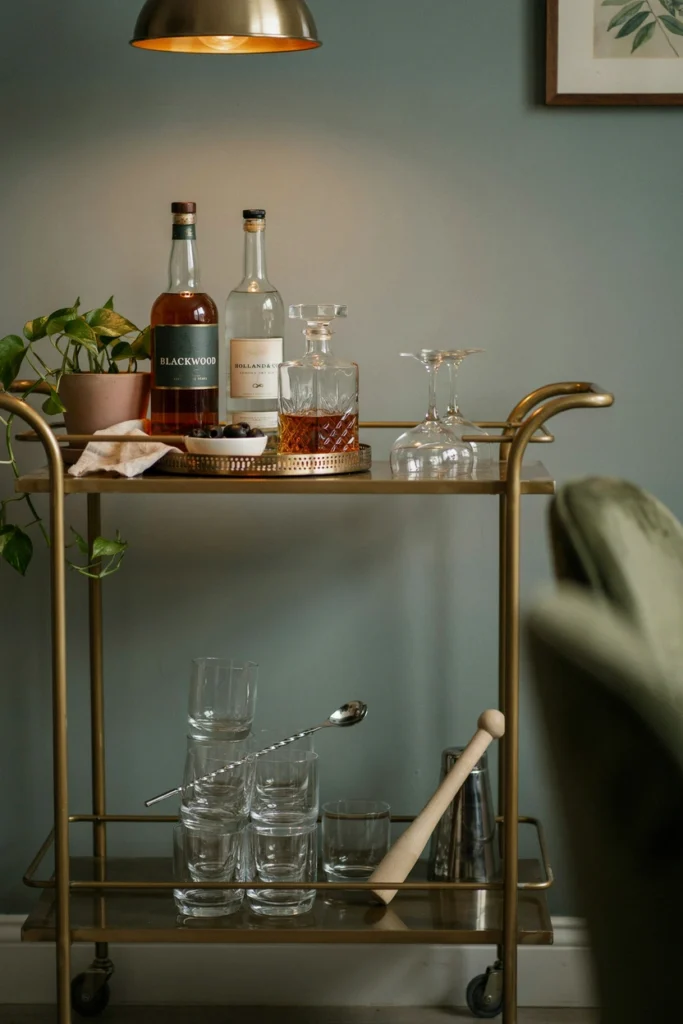
A dedicated drinks area in or near the dining room changes the social dynamic of hosting in a very positive way. A well-styled bar cart with a few bottles, glassware, and a small ice bucket gives guests a sense of ease and abundance. It also takes pressure off the host by giving guests permission to help themselves. Style it thoughtfully with a plant, a tray, and a few decorative touches so it looks considered rather than functional. Even a small trolley in the corner can serve this purpose beautifully.
19. Think About Scent
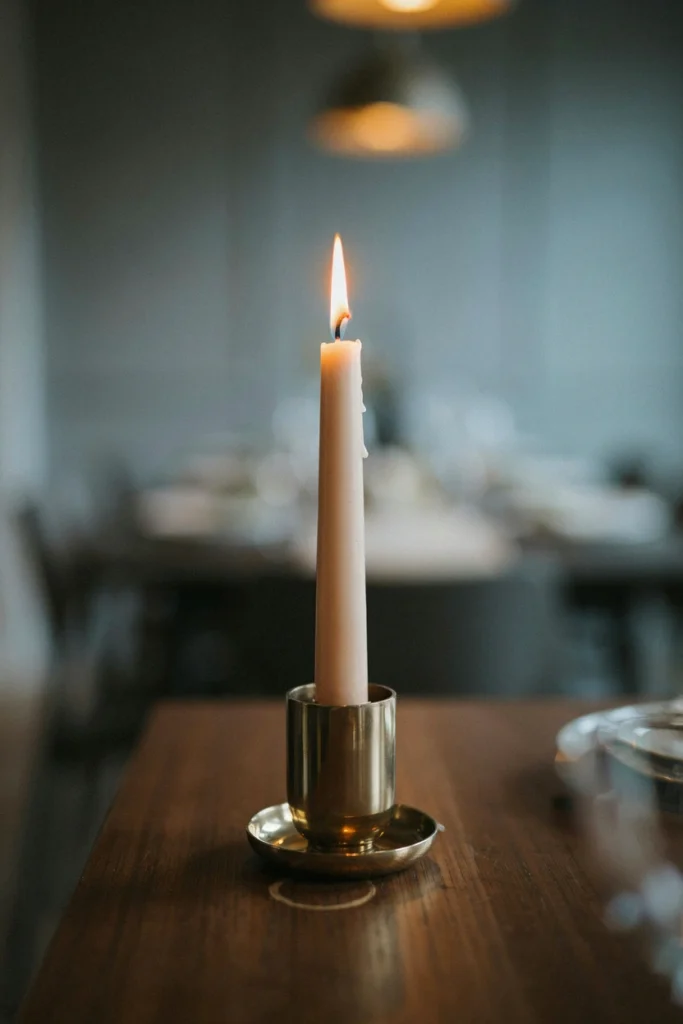
Scent is an often-forgotten element of atmosphere, but it’s deeply connected to how comfortable and welcome people feel in a space. A dining room that smells fresh and subtly pleasant makes guests feel at ease before a word is spoken. Avoid heavily perfumed candles during meals as they can compete with food aromas. Instead, use something light and natural beforehand, like a linen or cedar candle, and switch to unscented candles once the food arrives. A small diffuser in a corner on a low setting works well too.
20. Personalize the Space With Meaningful Details
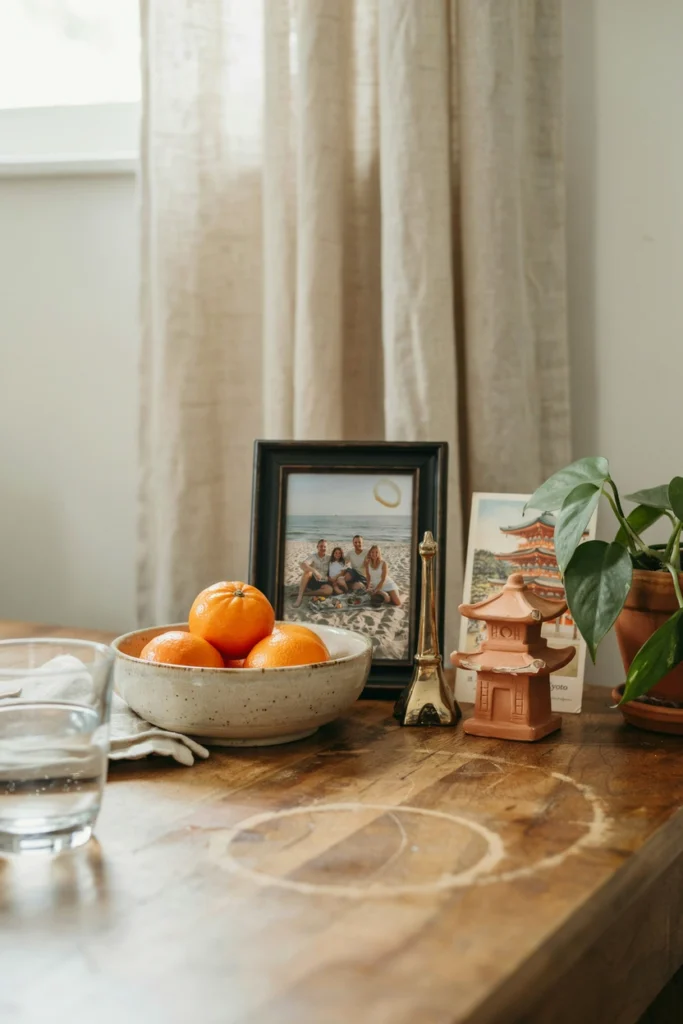
The dining rooms that people remember and love are rarely the most expensive or the most perfectly decorated. They’re the ones that feel personal. A collection of candleholders picked up from travels, a tablecloth passed down through the family, artwork made by someone you know, or even a shelf of cookbooks you’ve actually cooked from. These details are what make a room feel like it belongs to real people rather than a catalog. Guests sense that warmth even if they can’t name exactly what they’re responding to, and it’s what makes them want to come back.
Conclusion
Remodeling a dining room doesn’t have to mean gutting the space or spending a fortune. Some of the most transformative changes come from layering light thoughtfully, choosing comfortable seating, adding texture and warmth through materials, and making the room feel genuinely personal. When a dining room strikes that balance between beautiful and livable, guests naturally relax into it. The meal ends, but the conversation continues. And that, more than anything, is the real measure of a great dining space.