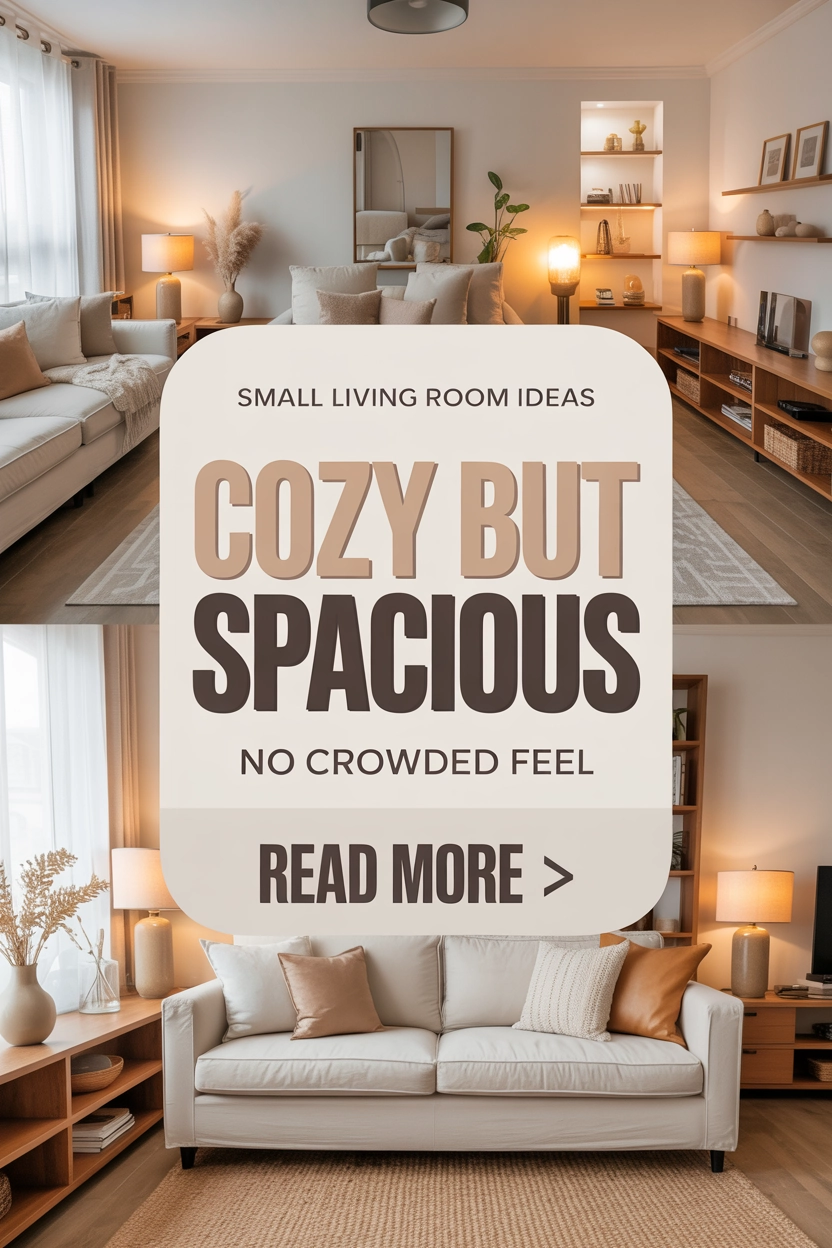
A small living room can easily feel either too empty or too cluttered finding that perfect middle ground is where the real design magic happens. In 2026, the focus shifts from filling every corner to creating spaces that feel intentional, breathable, and quietly cozy.
Make your living room feel warm and inviting without sacrificing space. That means choosing the right layout, soft textures, and smart decor choices that add comfort instead of visual weight. This guide follows a cozy + space-saving + layout-first approach, so your room feels like a place to relax, not a place you have to manage.
Create a Layout That Feels Open Yet Naturally Comfortable
Before thinking about decor, focus on how your furniture is arranged. In a small living room, pushing everything against the walls isn’t always the best solution. Sometimes, slightly pulling a sofa forward or creating a small seating zone can make the room feel more intentional and less cramped.
A layout that allows easy movement without blocking pathways instantly makes the space feel bigger. When your room flows naturally, it becomes more comfortable to live in, not just look at.
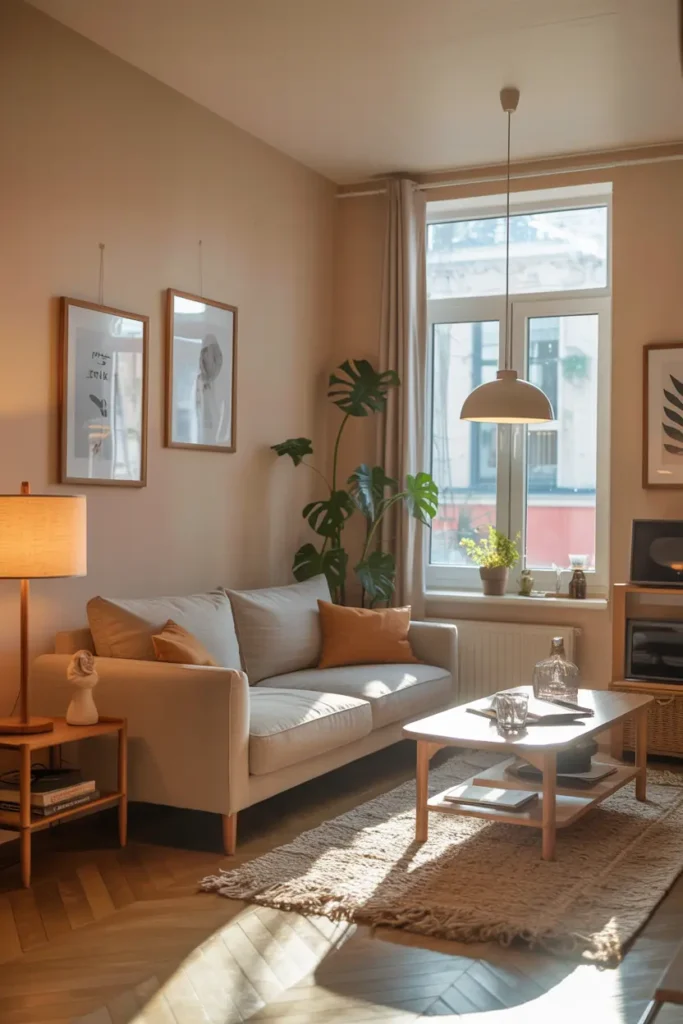
Choose Furniture That Feels Light Instead of Bulky
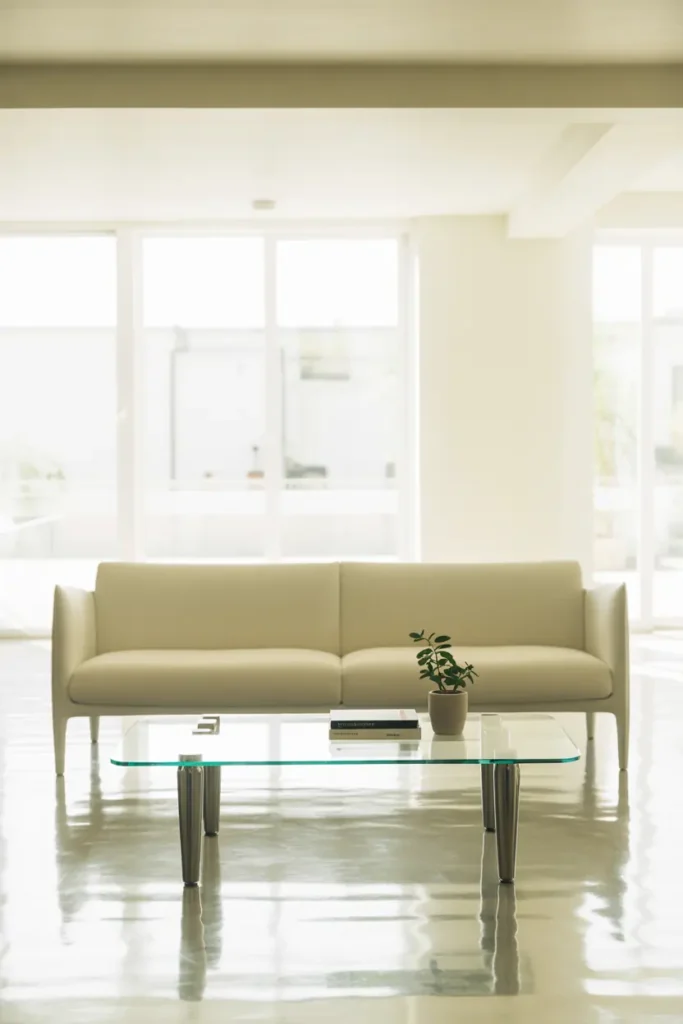
Heavy, oversized furniture can quickly take over a small space. Instead, go for pieces with lighter visual weight like sofas with slim arms, chairs with open legs, or glass-top tables.
These designs allow your eyes to move through the space more freely, which creates a sense of openness. Even though the furniture is still there, it doesn’t feel overwhelming.
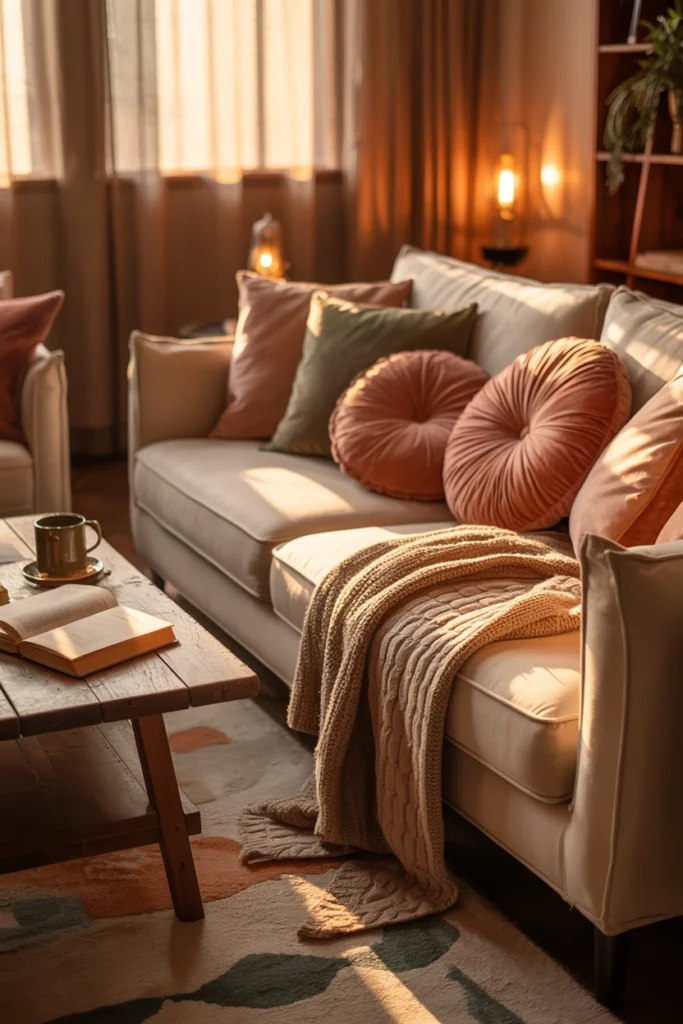
Use Soft Textures to Add Warmth Without Adding Clutter
Coziness doesn’t come from adding more items it comes from how the space feels. Soft textures like cushions, throws, and rugs can instantly warm up a room without making it feel crowded.
The key is to layer these elements thoughtfully. Instead of adding many decor pieces, focus on a few soft textures that make the space feel inviting and comfortable.
Stick to a Calm Color Palette to Keep the Room Feeling Spacious
Color has a huge impact on how a small space feels. Lighter, softer tones like warm whites, beige, or soft greys help reflect light and create a sense of openness.
This doesn’t mean your room has to be boring. You can still add subtle accents, but keeping the overall palette calm ensures the space doesn’t feel visually crowded.
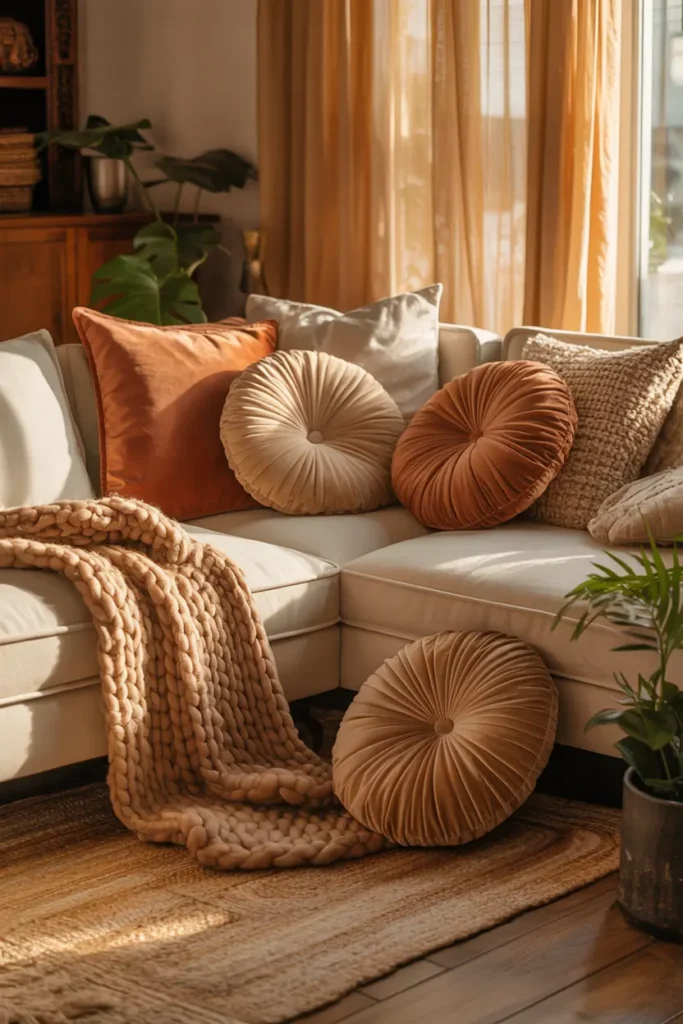
Use Multi Functional Pieces to Maximize Space Without Overfilling
In a small living room, every piece should earn its place. Multi-functional furniture like storage ottomans or foldable tables helps you get more use out of fewer items.
This reduces clutter while keeping the room practical and comfortable. It’s a smart way to maintain both function and style.
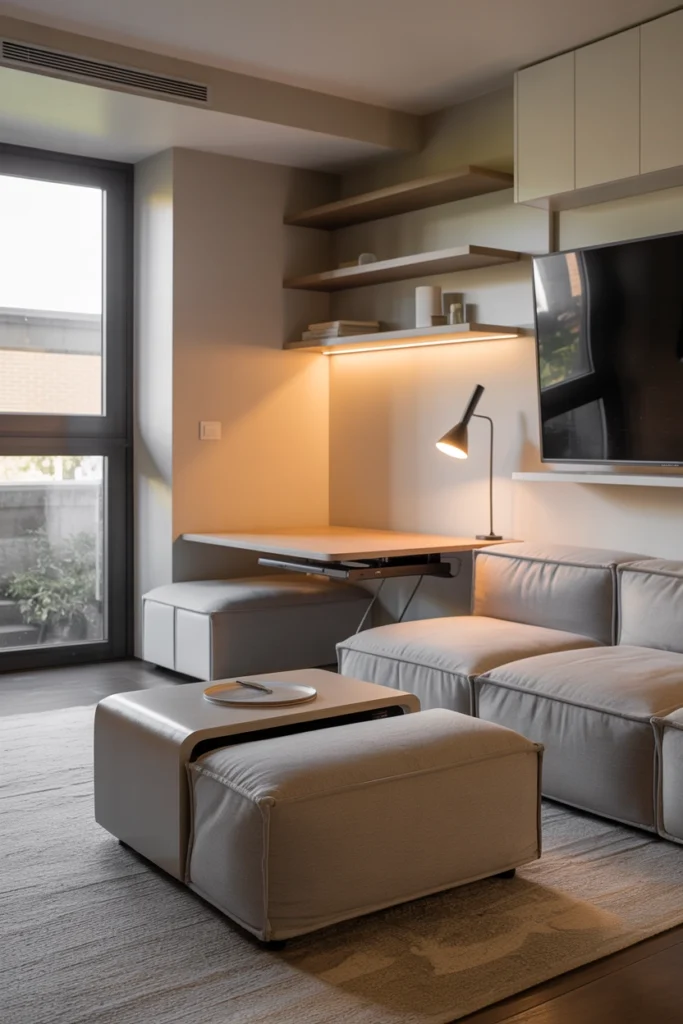
Keep Surfaces Clean to Maintain a Relaxed and Open Feel
Cluttered surfaces can make even a well-designed room feel chaotic. Keeping tables, shelves, and visible areas clean creates a sense of calm and order.
A few carefully chosen decor pieces are enough. This approach makes the room feel more spacious and easier to enjoy.
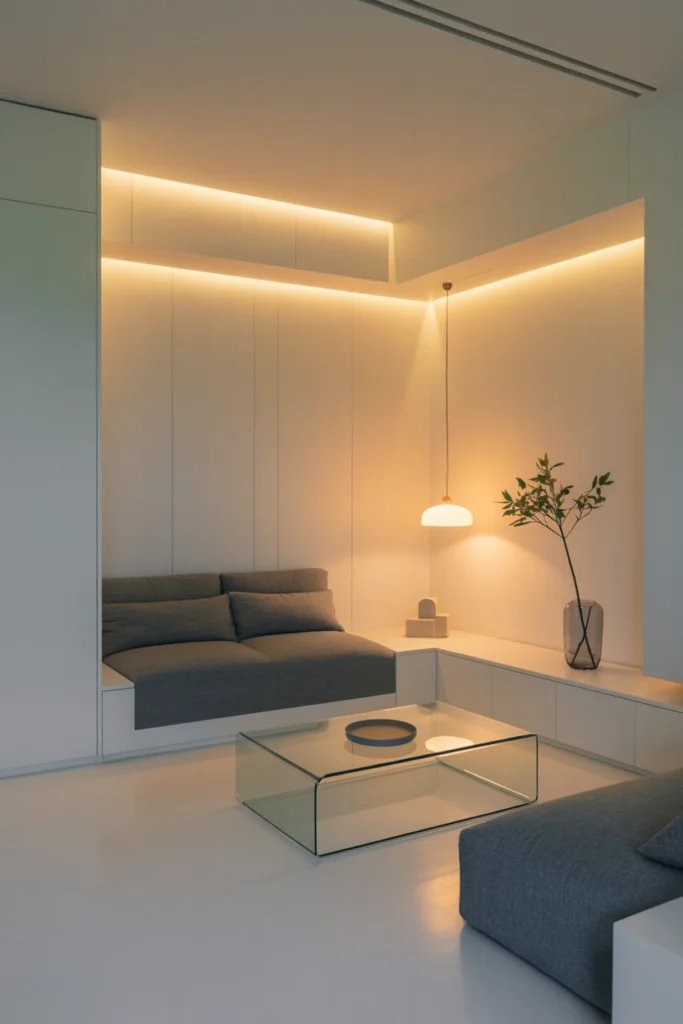
Add Lighting Layers to Make the Room Feel Warm and Inviting
Lighting is one of the easiest ways to add coziness without taking up space. Instead of relying on a single overhead light, use a mix of floor lamps, table lamps, and soft ambient lighting.
This creates depth and warmth, making the room feel more comfortable especially in the evening.
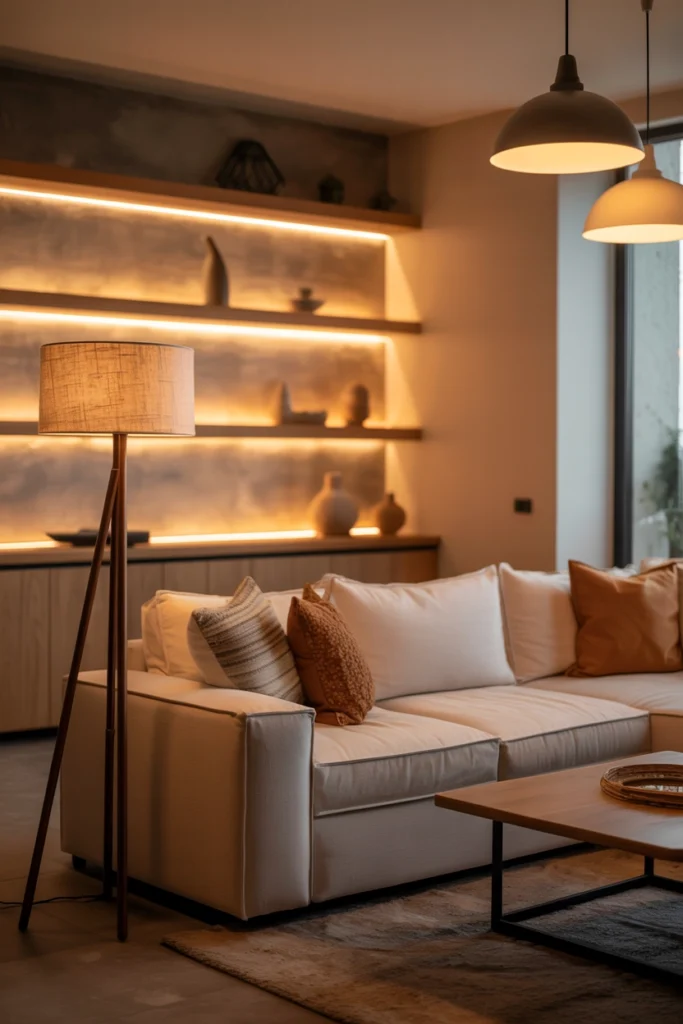
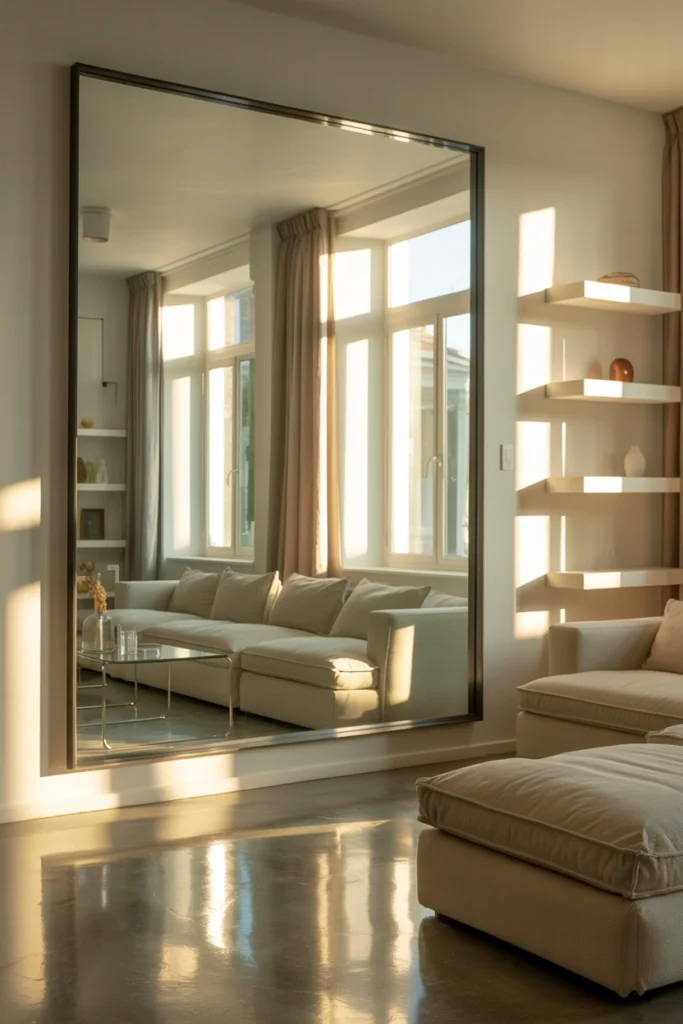
Use Mirrors to Expand the Space Without Adding More Furniture
Mirrors are a simple but powerful tool in small spaces. They reflect light and create the illusion of depth, making the room feel larger than it actually is.
Placed strategically like opposite a window they can completely change how your space feels.
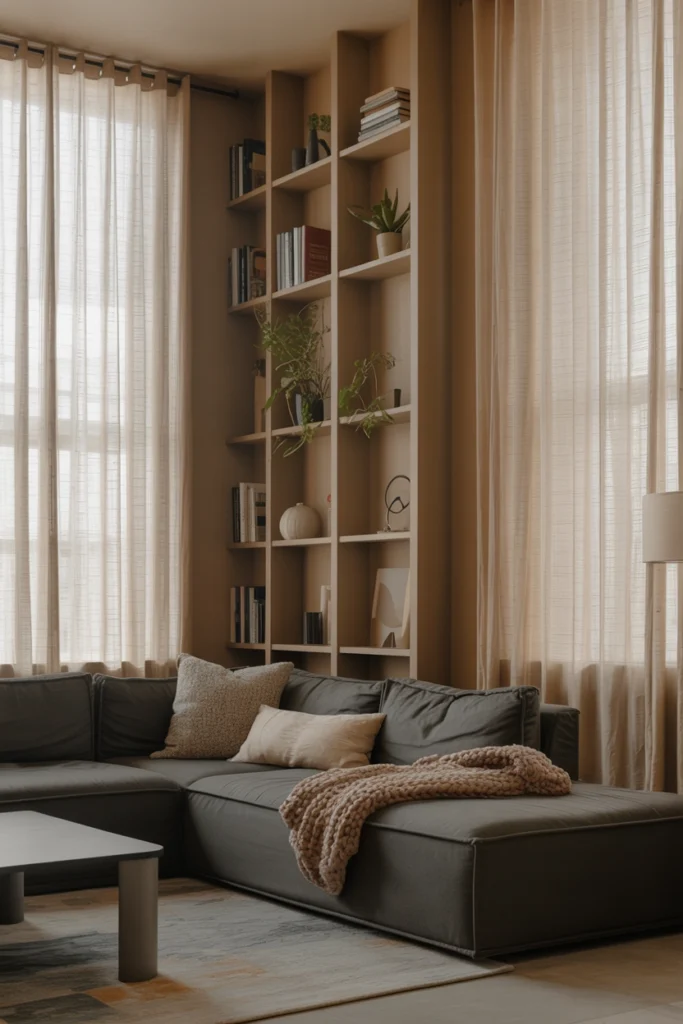
Add Vertical Elements to Draw the Eye Upward
When floor space is limited, think vertically. Tall shelves, curtains that reach the ceiling, or vertical decor elements draw the eye upward and make the room feel taller.
This creates a sense of openness without requiring more floor space.
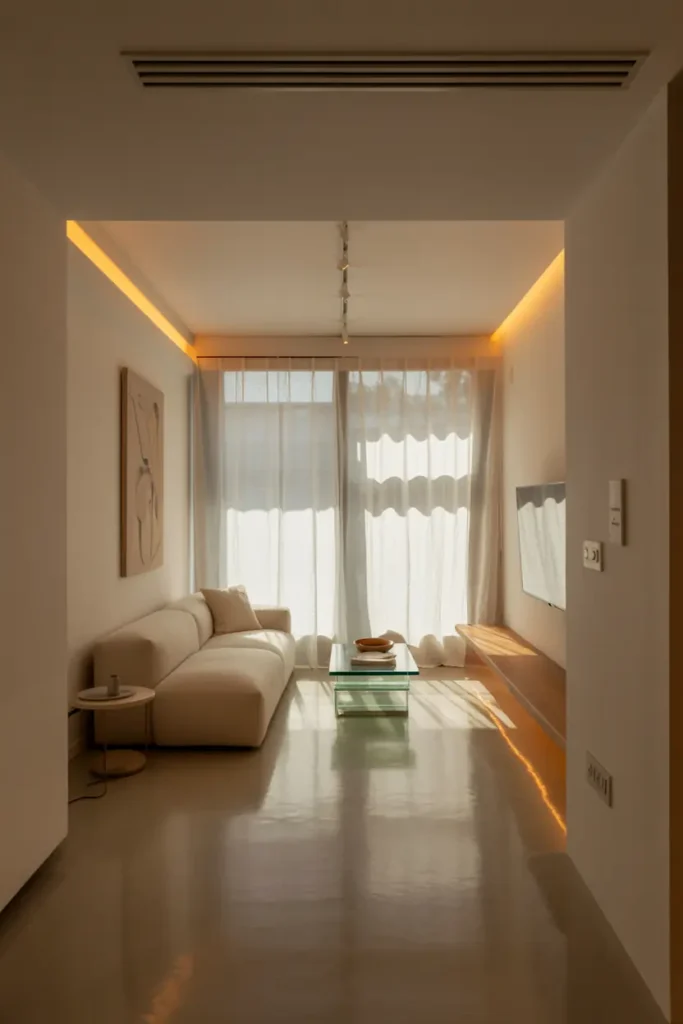
Let the Space Breathe by Avoiding Over-Decorating
One of the biggest mistakes in small living rooms is trying to fill every corner. Leaving some areas empty allows the room to breathe and feel more relaxed.
This doesn’t make the space feel incomplete it makes it feel intentional and well-designed.
Related Decor Ideas
- 👉 Modern Living Room Decor Ideas That Feel Stylish and Comfortable
https://howdecor.com/modern-living-room-decor-ideas - 👉 Budget Decor Ideas for Small Homes That Look Clean and Beautiful
https://howdecor.com/budget-home-decor-ideas
Conclusion
A small living room doesn’t have to feel crowded to feel cozy. With the right balance of layout, color, and texture, you can create a space that feels both open and inviting.
By focusing on simplicity, comfort, and smart design choices, your living room can become a place that feels peaceful, functional, and beautifully lived-in—no matter its size.