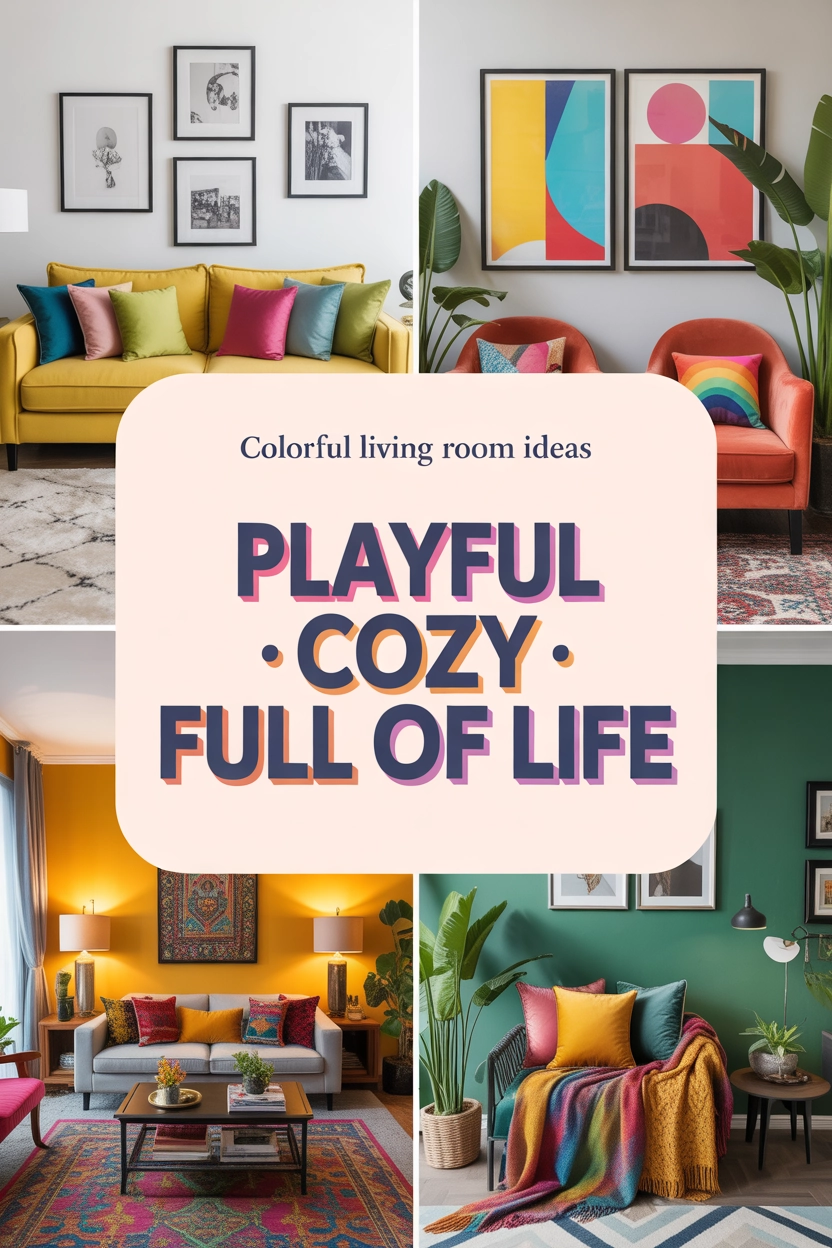
A colorful living room isn’t just about adding bright shades—it’s about creating a space that feels alive, welcoming, and emotionally uplifting. In 2026, the focus has shifted from random color use to intentional color layering, where every shade has a purpose and contributes to the overall mood.
The challenge most people face is this: how do you make a colorful room feel cozy instead of chaotic? The answer lies in balance—mixing bold tones with soft textures, grounding elements, and thoughtful layout decisions. Colorful Living Room Ideas That Feel Playful, Cozy, and Full of Life This guide takes a slightly different approach. Instead of just listing ideas, it walks you through how to build a colorful living room step by step, so the final space feels playful, warm, and beautifully put together.
Build a Strong Base First Before Adding Any Bright Colors
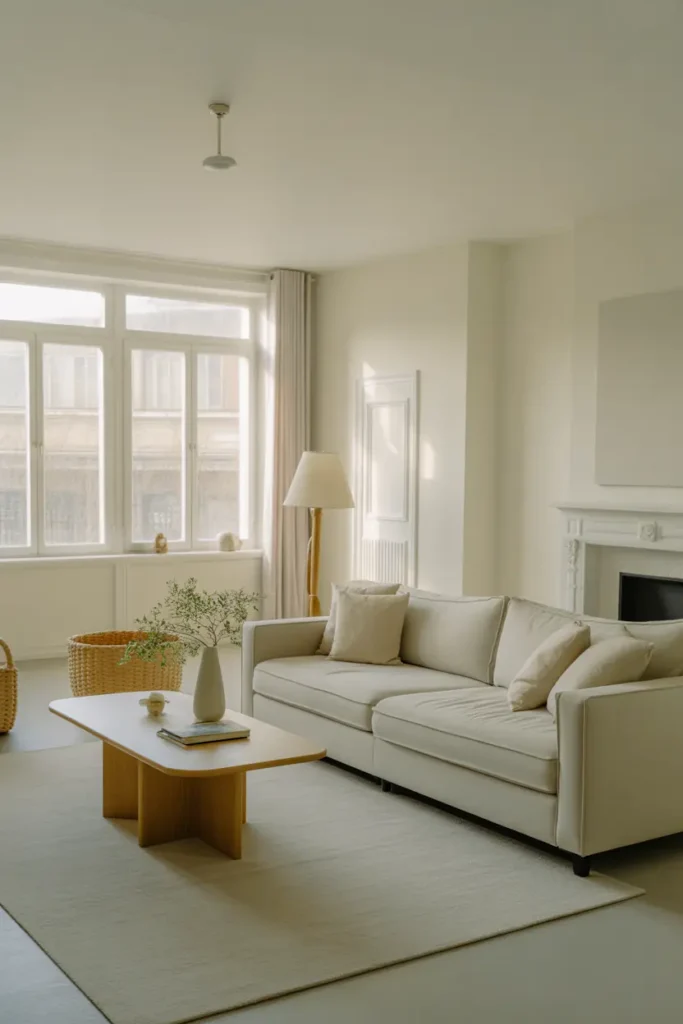
Before bringing in bold colors, it’s important to create a base that holds everything together. This doesn’t mean your room has to be plain—it just needs a sense of calm underneath the color. Soft neutrals like warm white, beige, or even light grey can act as a quiet background that allows brighter shades to shine without competing.
When your walls or large furniture pieces stay neutral, your colorful elements feel more intentional rather than overwhelming. This is what separates a stylish colorful room from one that feels messy.
Choose One Dominant Color to Set the Mood of the Room
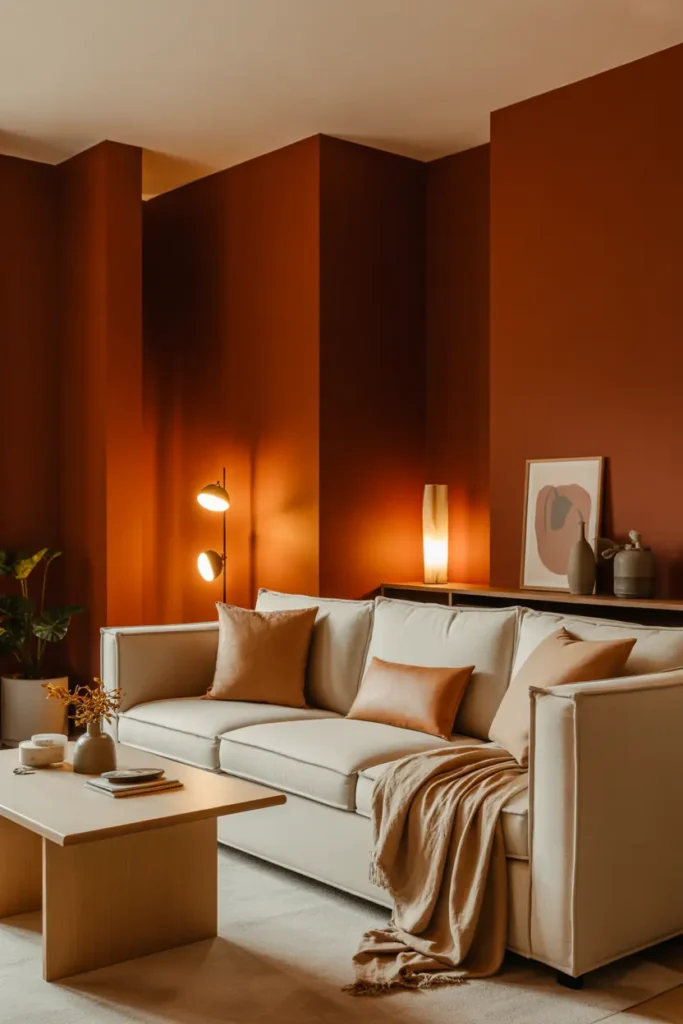
A common mistake is trying to use too many strong colors at once. Instead, pick one main color that defines the mood of your space—this could be a warm terracotta, a calming blue, or even a soft green. This color becomes your anchor.
Once you have a dominant shade, everything else becomes easier to style. It guides your choices and keeps the room feeling cohesive, even when multiple colors are involved.
Layer Secondary Colors Through Soft Furnishings and Decor
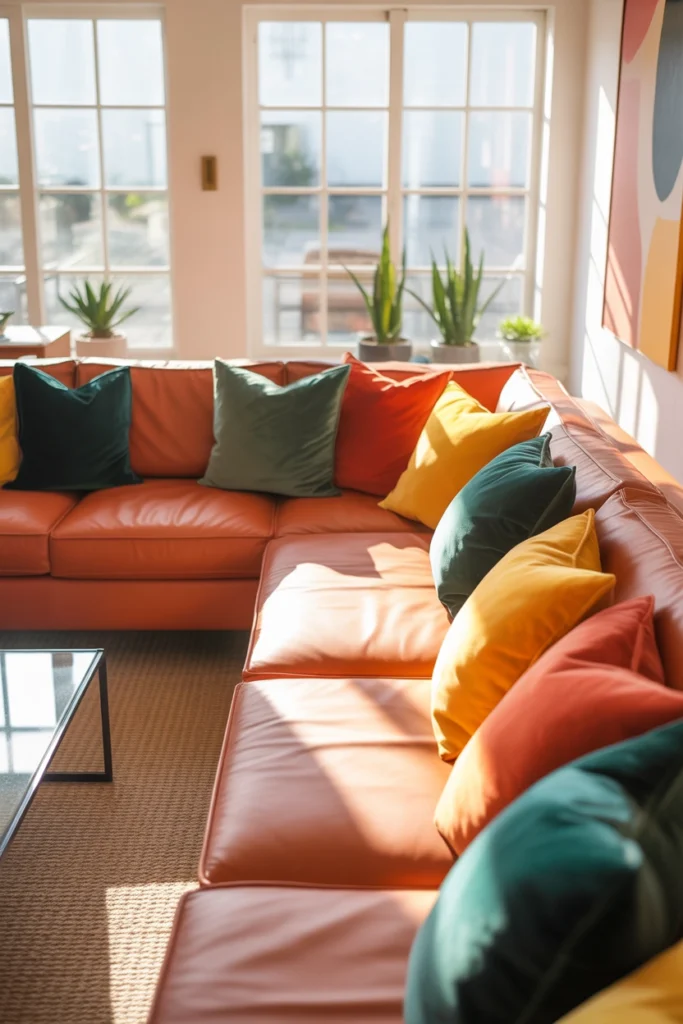
After setting your main color, start introducing secondary shades through cushions, throws, rugs, or small decor pieces. This is where the playful part comes in—but it should still feel controlled.
For example, if your main color is blue, you might add hints of mustard, soft pink, or warm beige. These combinations create depth and personality without making the room feel chaotic.
Use Texture to Make Bright Colors Feel Soft and Comfortable
Color alone can sometimes feel flat. Texture is what makes it feel cozy. Velvet cushions, knitted throws, soft rugs, or even woven baskets help soften bold tones and make the space more inviting.
This is especially important in colorful rooms, where texture acts as a balance to visual energy. It adds warmth and makes the room feel lived-in rather than overly styled.

Add a Statement Piece That Brings Personality Into the Space
Every colorful living room needs one standout element—a piece that draws attention and gives the room character. This could be a bold sofa, a vibrant piece of artwork, or even a unique accent chair.
The key is to let this piece shine without competing with too many other bold elements. When done right, it becomes the heart of the room.
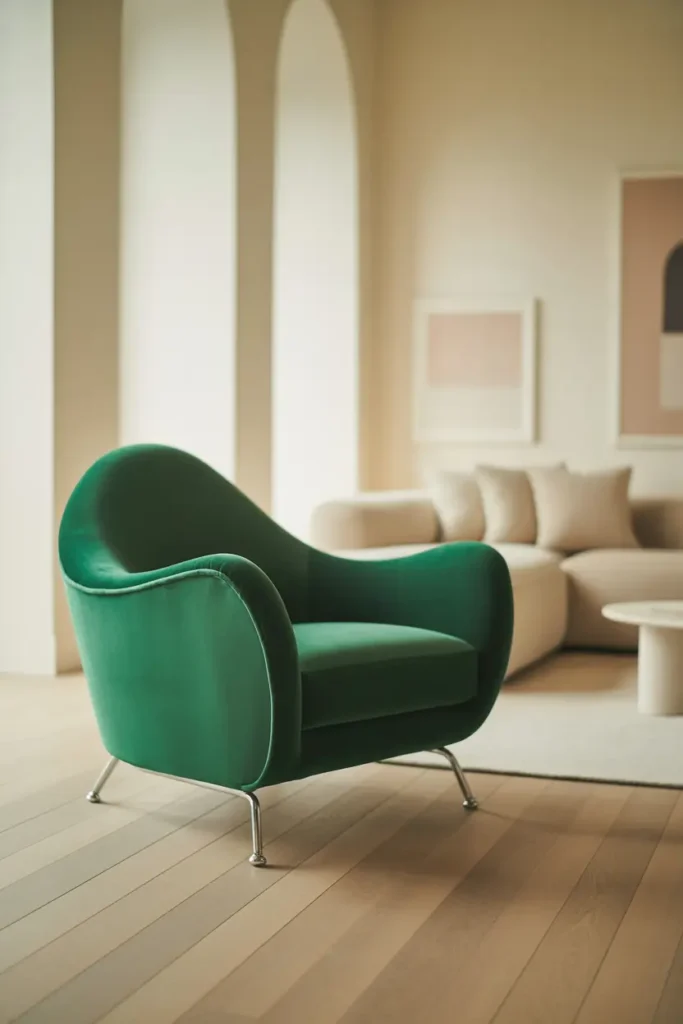
Balance Bright Colors With Calm Areas to Let the Room Breathe
One of the biggest secrets to a successful colorful room is knowing where not to add color. Leaving some areas calm—like a neutral wall or a simple corner—gives the eyes a place to rest.
This balance makes the colorful elements feel more intentional and prevents the room from becoming visually overwhelming.
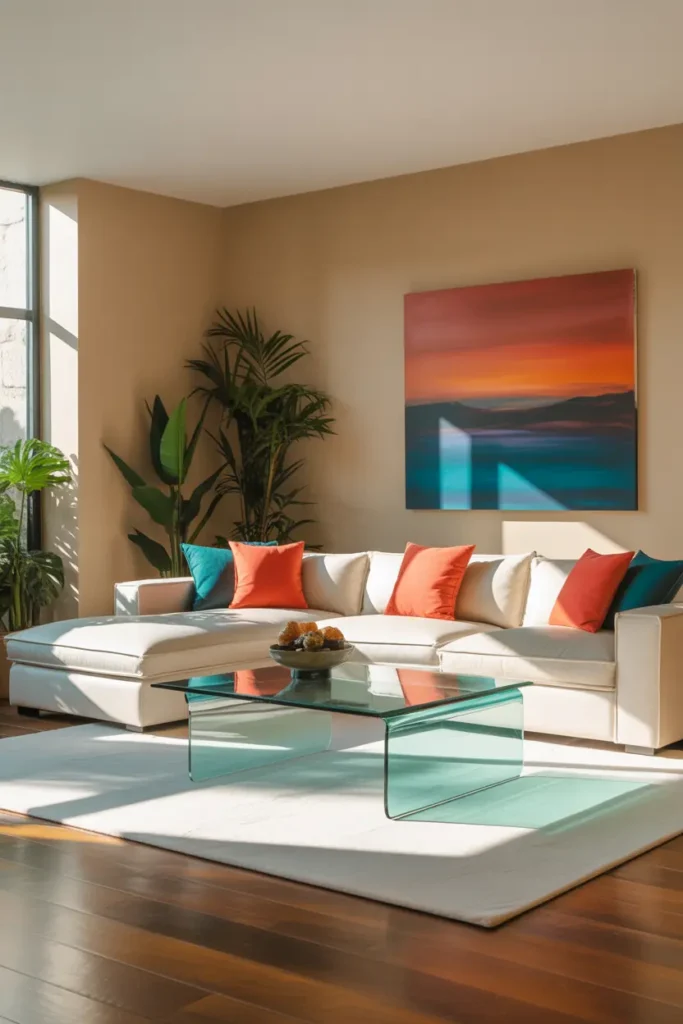
Use Lighting to Enhance Colors Instead of Overpowering Them
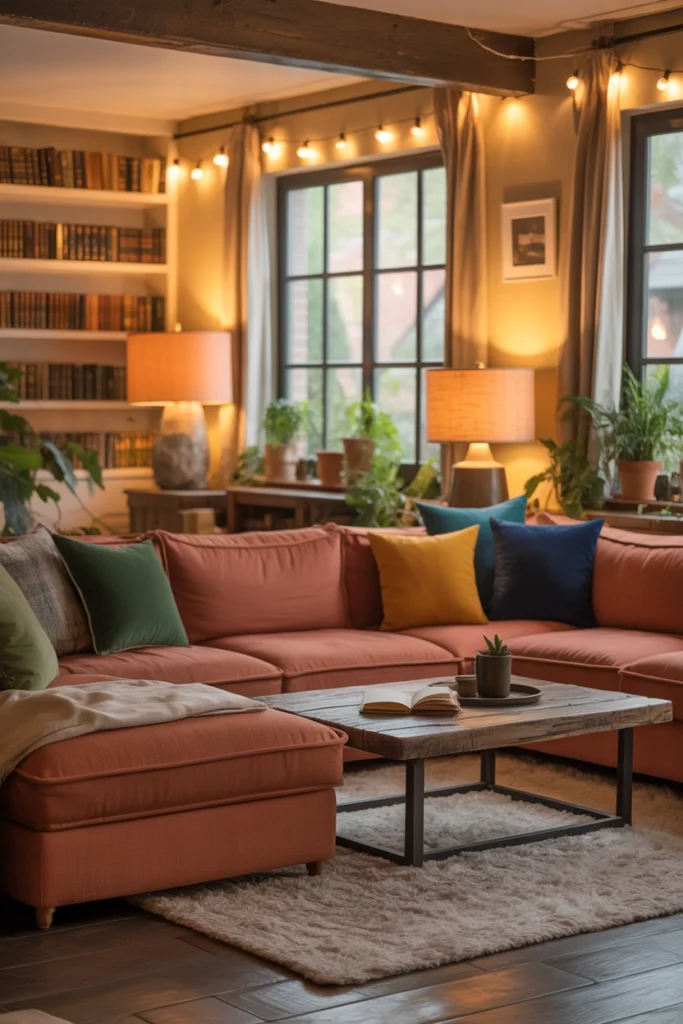
Lighting changes how colors look and feel. Warm lighting makes colors feel softer and cozier, while harsh lighting can make them appear too strong.
Layered lighting—like floor lamps, table lamps, and soft ceiling lights—helps create depth and allows your colors to shine naturally without becoming too intense.
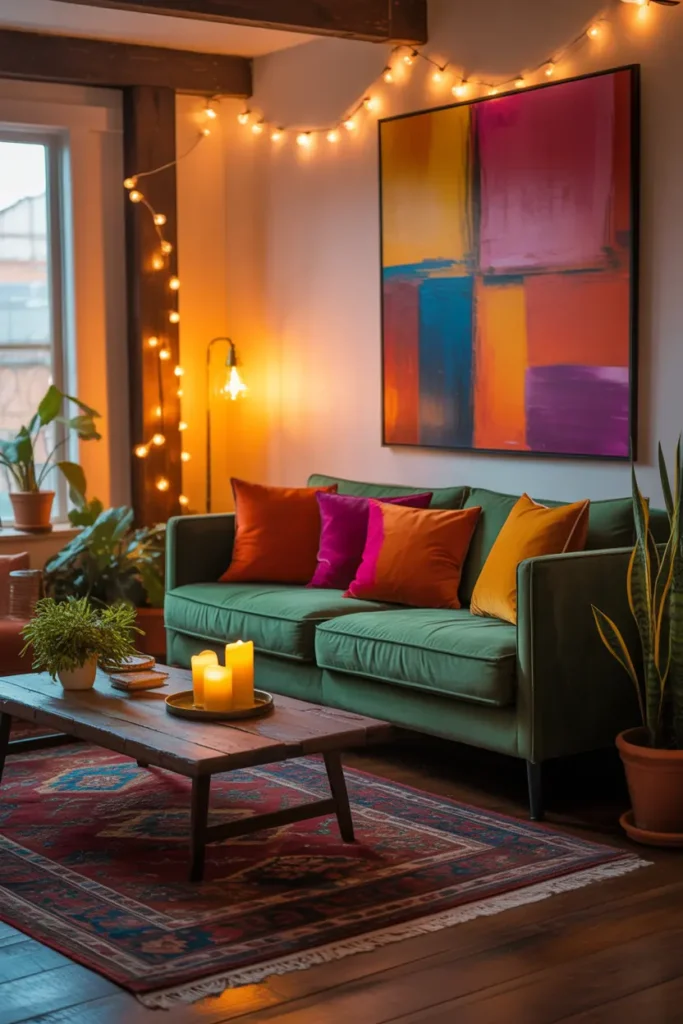
Mix Patterns Carefully to Add Playfulness Without Chaos
Patterns can add energy and personality, but they need to be used thoughtfully. Instead of mixing too many bold patterns, choose a few that complement each other—like stripes with subtle florals or geometric designs with soft textures.
This creates a playful look while still maintaining a sense of harmony.
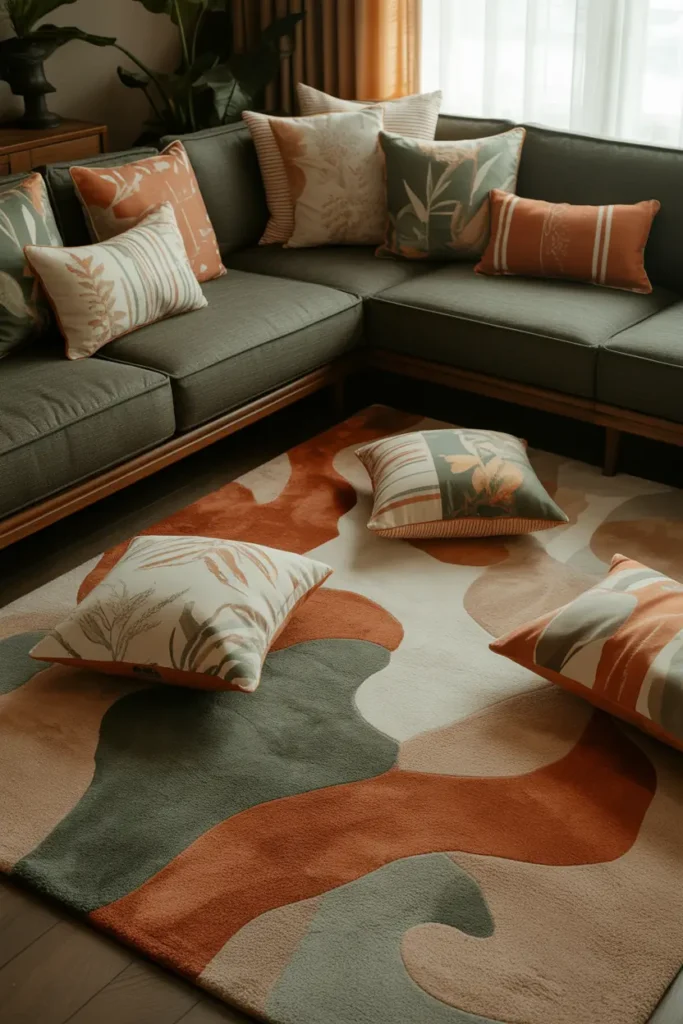
Bring in Natural Elements to Ground the Colorful Design
Plants, wooden furniture, or natural materials help ground a colorful room and prevent it from feeling too artificial. Greenery, in particular, works beautifully with almost any color palette and adds a fresh, calming touch.
These elements create balance and make the space feel more connected to nature.
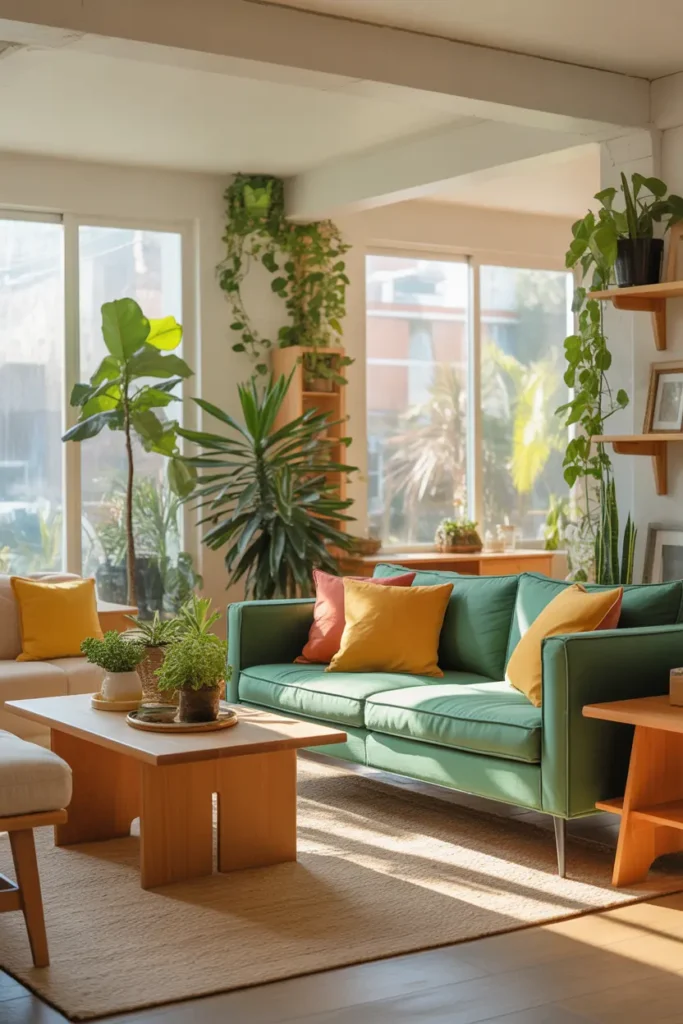
Keep the Layout Comfortable So the Room Feels Lived-In, Not Just Styled
At the end of the day, your living room should feel comfortable—not like a showroom. Arrange your furniture in a way that encourages relaxation and conversation.
When the layout feels natural, the colors start to feel like part of everyday life rather than just decoration.
Related Decor Ideas
- 👉 Modern Living Room Decor Ideas That Feel Stylish and Comfortable
https://howdecor.com/modern-living-room-decor-ideas - 👉 Small Living Room Ideas That Make Your Space Look Bigger
https://howdecor.com/small-living-room-ideas - 👉 Minimalist Home Decor Ideas for a Clean and Elegant Look
https://howdecor.com/minimalist-home-decor-ideas
Conclusion
A colorful living room doesn’t have to feel overwhelming. When you approach it with balance, layering, and intention, it can become one of the most joyful and comfortable spaces in your home.
By combining bold colors with soft textures, thoughtful lighting, and a clean layout, you can create a space that feels playful, cozy, and full of life—without ever losing its sense of calm.