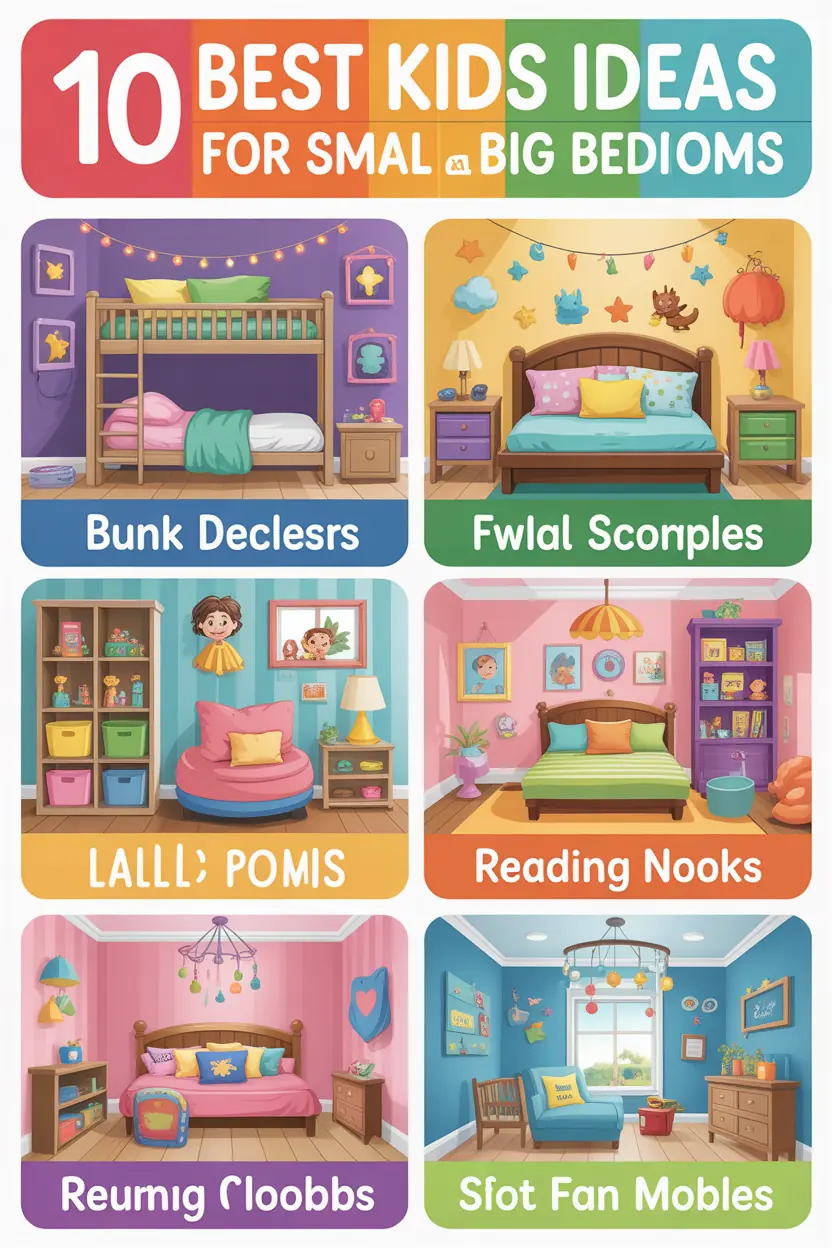
Dual-Purpose Play & Sleep Zone
A combined play and sleep space works amazingly in both small and large bedrooms. In smaller rooms, it saves space by using multi-purpose furniture like a loft bed with a play nook underneath or a bed next to a soft rug play area. In bigger rooms, define separate zones — one for rest and one for play. This makes the room feel organized, balanced, and fun.
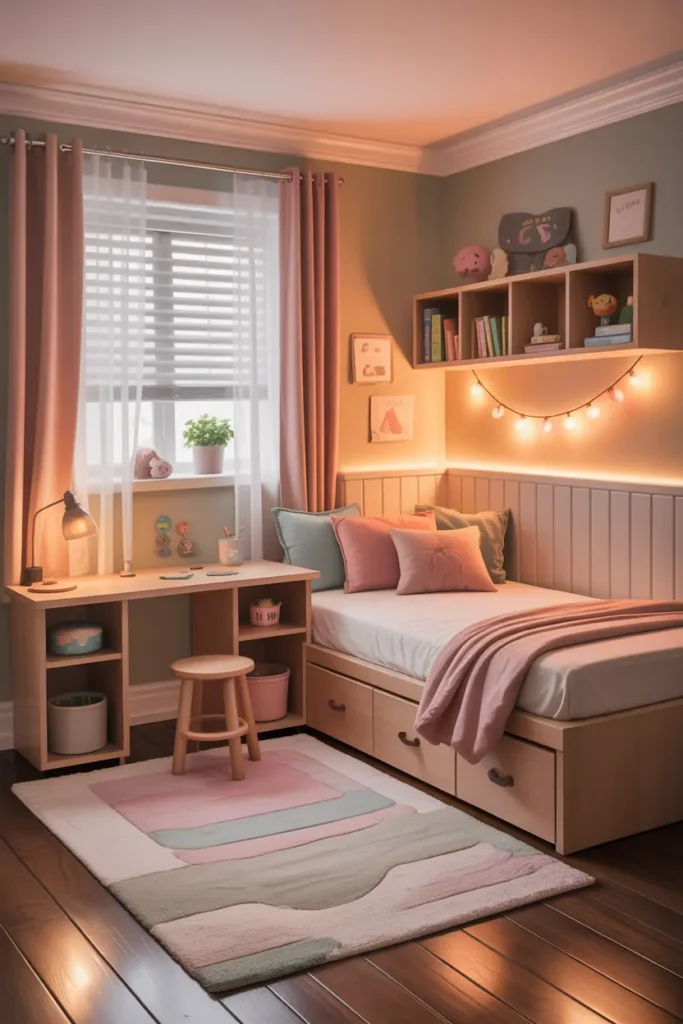
Use soft colors and cozy textures to make both areas feel connected yet distinct. The play zone should feel energetic and inviting, while the sleep area stays calm and restful. This approach keeps your child’s bedroom functional and emotionally comfortable no matter the size.
Vertical Storage with Fun Baskets
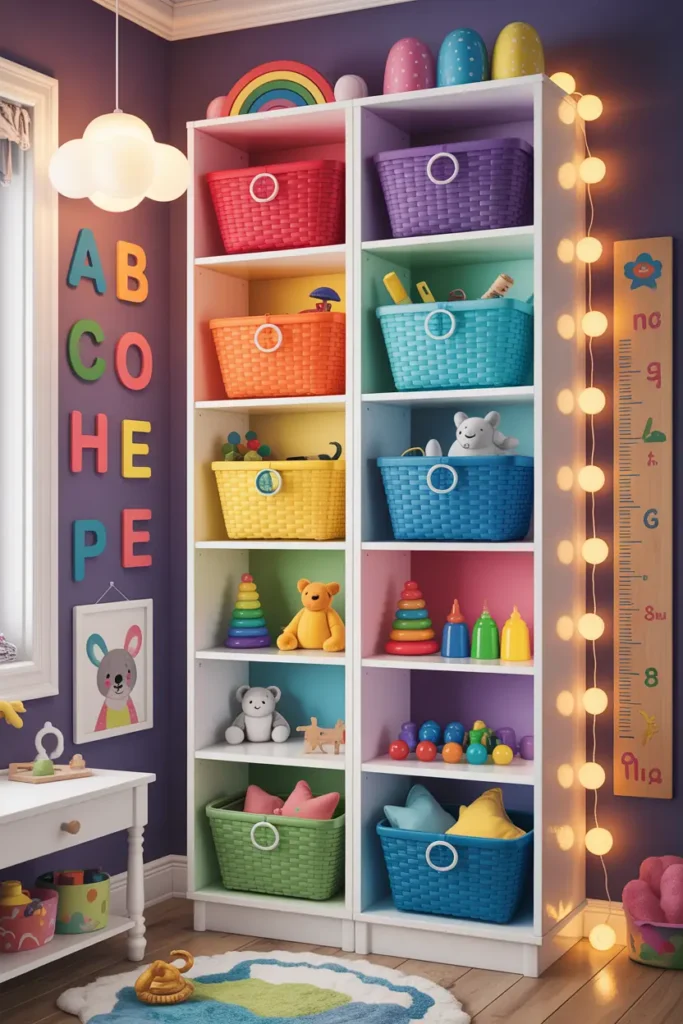
Vertical storage makes the most of wall space and keeps floors clear for play or other furniture. In small bedrooms, tall shelves with baskets help store toys, books, and art supplies efficiently. In big bedrooms, use shelving walls to create a display area and play zones at different heights. Colorful or patterned baskets also become cheerful decorative elements.
This strategy makes tidying up easier for kids and parents alike. Labels or picture labels help young children know where things go. The room stays tidy but still feels lively and playful.
Cozy Reading Corner
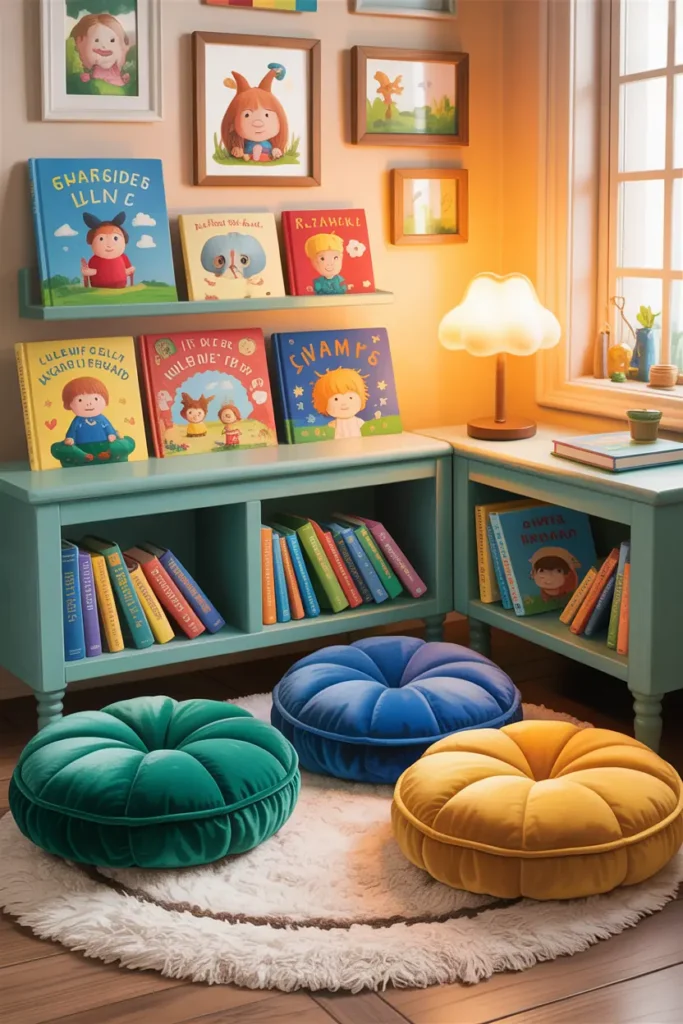
A cozy reading corner feels magical in any bedroom size. In a small room, use a corner with a soft rug, cushions, and a compact bookshelf. It becomes a special retreat without taking up much space. In a big bedroom, add a small tent or cushioned seating to make it feel like its own little world.
Add string lights, a small lamp, and favorite books to make this corner irresistible. Kids will love quiet morning reads and bedtime stories here. It’s a cozy spot that nurtures imagination and calm moments.
Themed Wall Decor
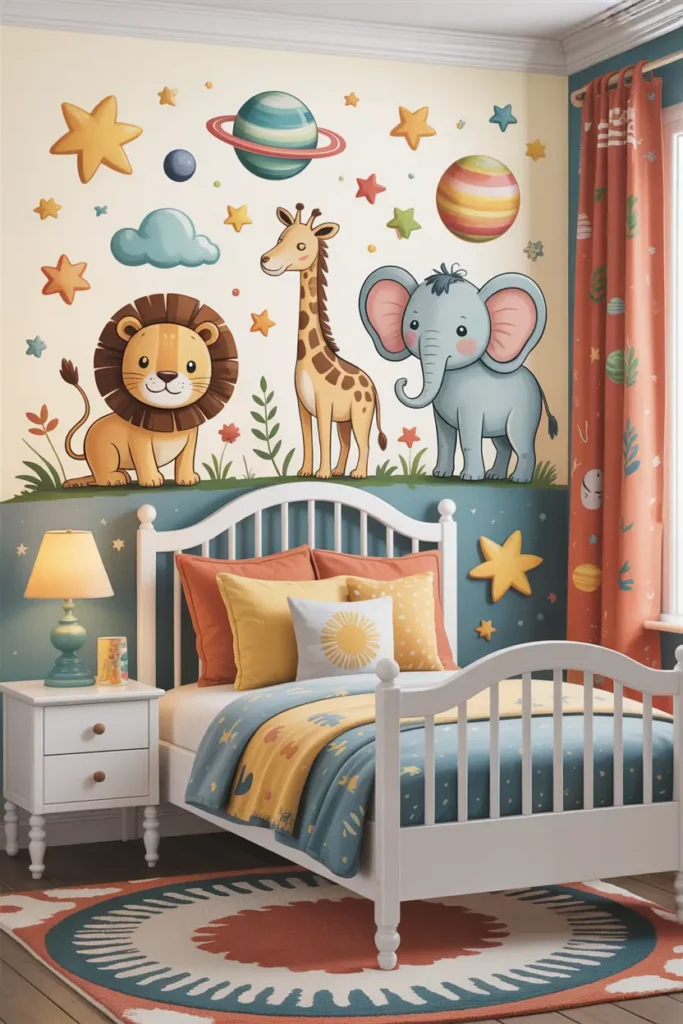
Themed wall decor adds personality and fun to both small and big bedrooms. For smaller spaces, choose decals or removable wallpaper that doesn’t overwhelm the room. Themes like animals, stars, or jungle scenes make the walls feel playful without cluttering. Bigger bedrooms can use larger murals or framed prints to fill empty walls beautifully.
Wall themes help unify the design and make the room feel intentional and magical. Let your child help choose or create some décor so the space feels personal and joyful.
Multi-Functional Furniture

Multi-functional furniture is a lifesaver for small bedrooms and a smart choice for big rooms too. Beds with built-in drawers, desks that fold into walls, or stackable storage steps add functionality without excess clutter. These pieces make daily routines smoother and keep the room organized.
In big bedrooms, multi-purpose furniture can define zones — sleep, study, and play — while maintaining flow. Choose pieces in cheerful or neutral colors to match your room’s theme.
Personalized Display Shelves

Display shelves become focal points that celebrate your child’s personality. Use them to showcase artwork, photos, favorite books, trophies, and keepsakes. In small rooms, a few well-placed shelves keep treasured items visible without crowding the floor. In larger rooms, create a gallery wall of shelves for a bold decorative statement.
Kids love seeing their own creations showcased, and parents appreciate how it adds warmth to the room. This idea feels cozy, sentimental, and stylish in any space.
Creative Ceiling Decor
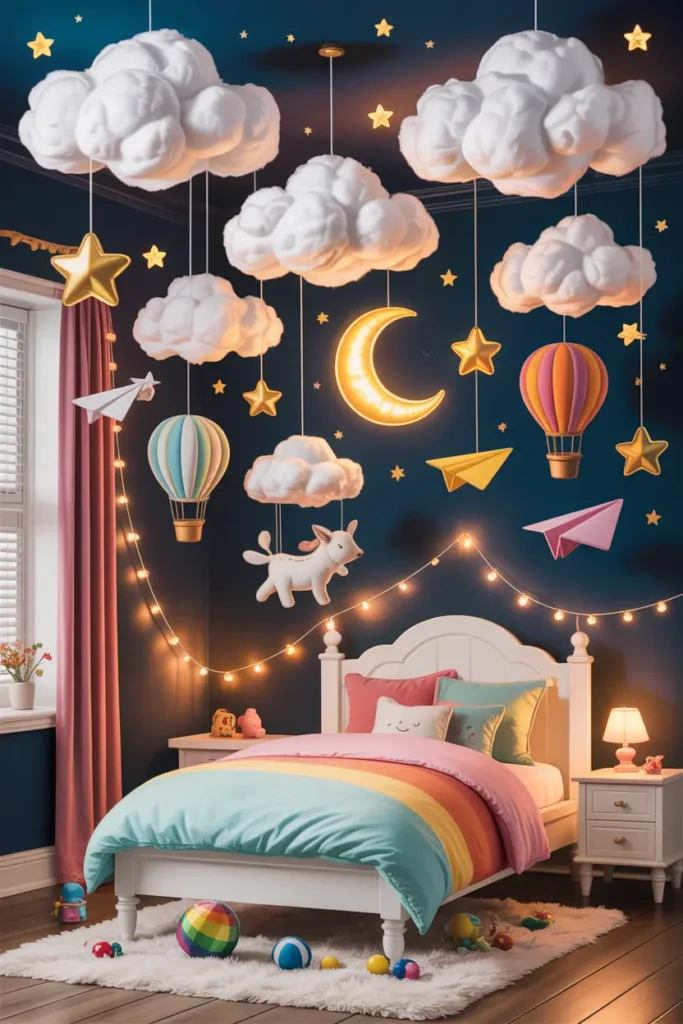
Don’t forget the fifth wall! Ceiling decor adds wow factor without taking up floor space. In smaller rooms, clouds, stars, or soft fabric can make the room feel whimsical and dreamy without cluttering the space. In big bedrooms, hanging mobiles or light fixtures with playful shapes create a magical atmosphere that fills the room from top to bottom.
Ceiling art brings imagination up and embraces open space beautifully. It makes the room feel fuller and Fun Rugs for Activity Zones
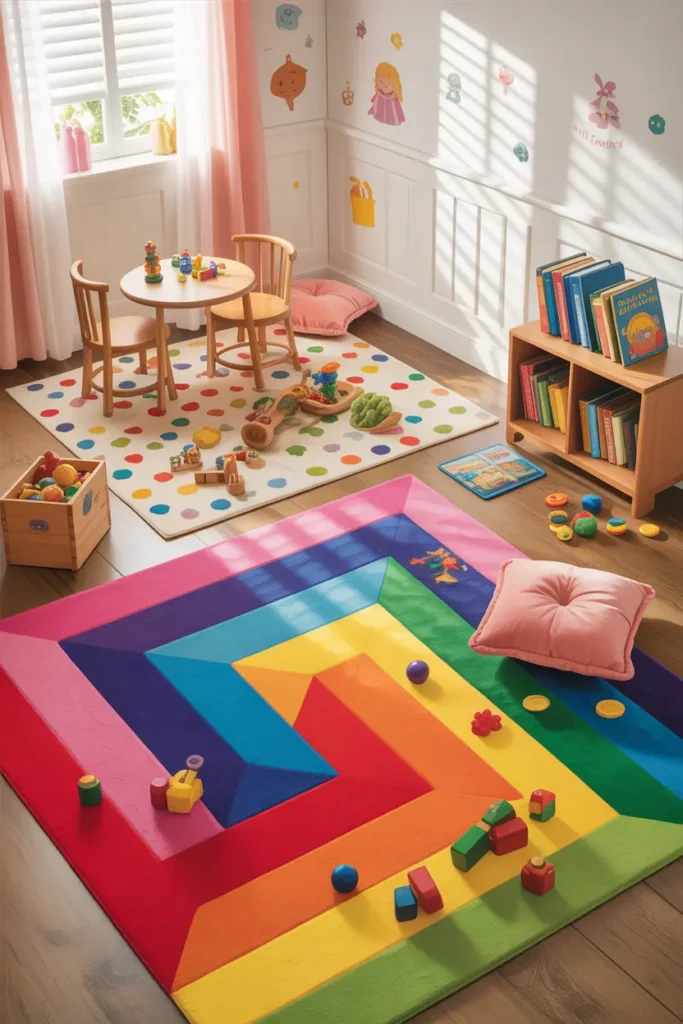
Rugs do more than keep your feet warm — they visually divide the room into meaningful zones. In small rooms, a single rug can define the play area or cozy corner without walls. In large bedrooms, use multiple rugs to create activity zones like reading, drawing, and play.
Choose playful or themed patterns to boost creativity and style. Rugs also add softness and comfort, making the room feel warm and inviting for every child’s mood and moment.
Soft Lighting with Character
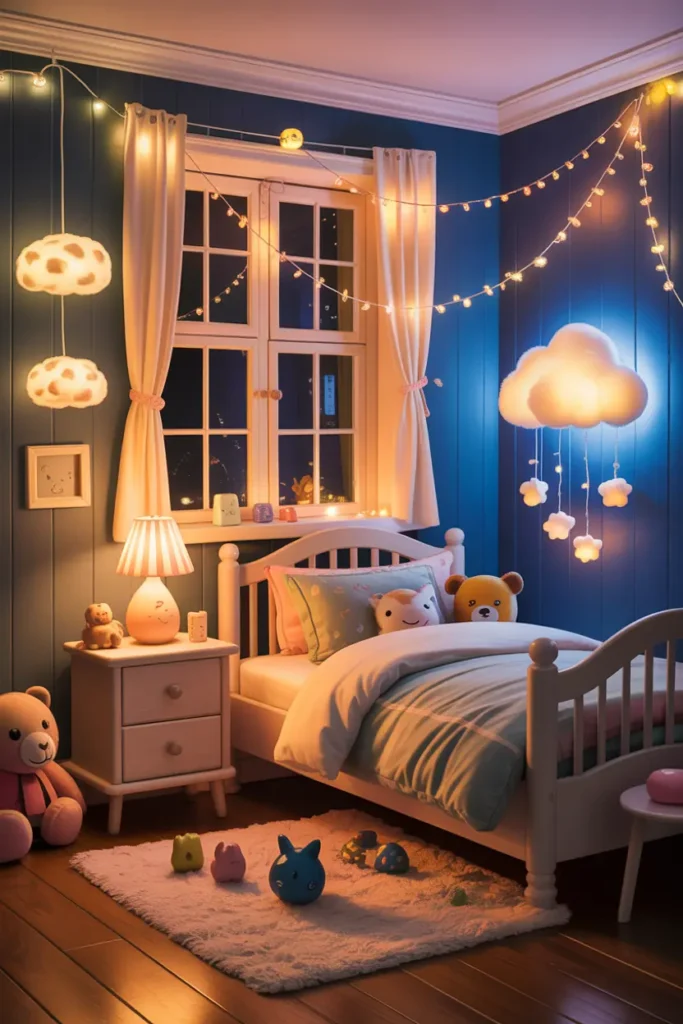
Soft lighting makes every bedroom feel cozy and inviting. In small bedrooms, warm lighting prevents the space from feeling harsh or boxed in. Fairy lights, cloud lamps, or soft LED strips create gentle ambiance perfect for bedtime or calm play. In big rooms, mix lighting sources — string lights around shelves or reading nooks and bigger lamps on study desks — to create layers of warmth.
This idea makes the design feel intentional and magical. Kids will love the dreamy glow it adds to their room.
Flexible Color Palette
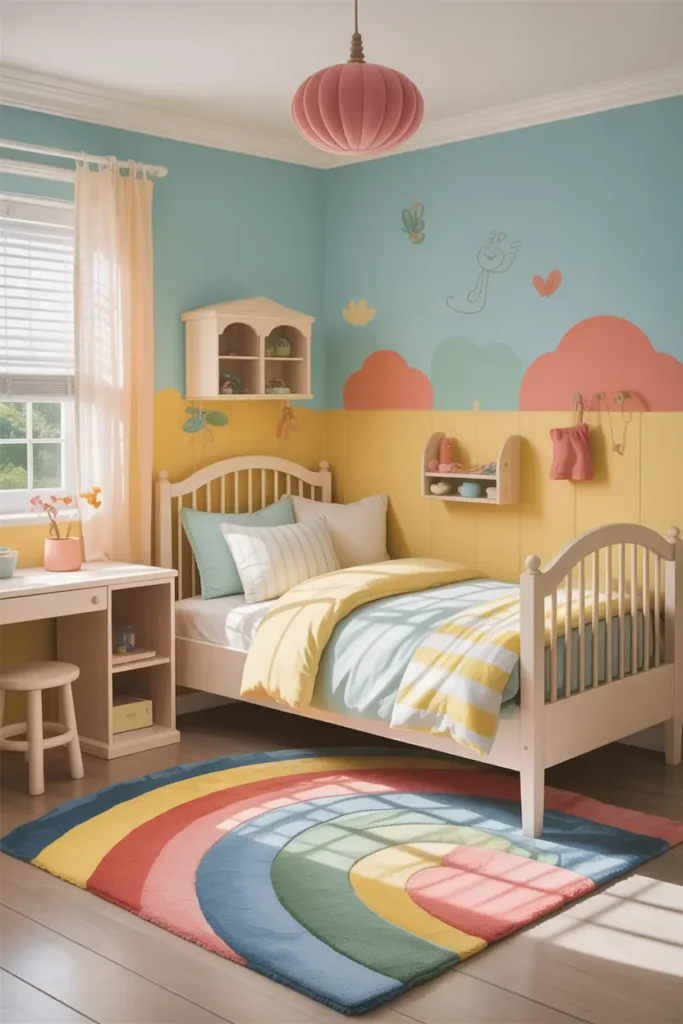
Choose a color palette that adapts with your child’s interests and age. In smaller rooms, soft pastels like pale blue, mint, or light yellow keep the space feeling open and airy. In larger rooms, a richer palette — teal, coral, or warm neutrals — adds depth without crowding the space.
A flexible color palette makes future updates easy and affordable. Add or switch accessories, textiles, and decor pieces to refresh the room over time. This idea makes the space grow with your child and remain stylish and joyful.
Final Thought
Great kids room design isn’t about size — it’s about thoughtful choices that support play, rest, imagination, and comfort. Whether your space is small or big, blending cozy textures, smart storage, soft lighting, and playful touches creates a room children love.

Ahsan Yousaf is a home decor writer who believes a beautiful home should feel comfortable, personal, and full of warmth. He loves sharing simple, practical decorating ideas that everyday homeowners and renters can actually use. Through HowDecor, he hopes to inspire readers to create spaces that feel peaceful, welcoming, and truly their own — one room at a time.