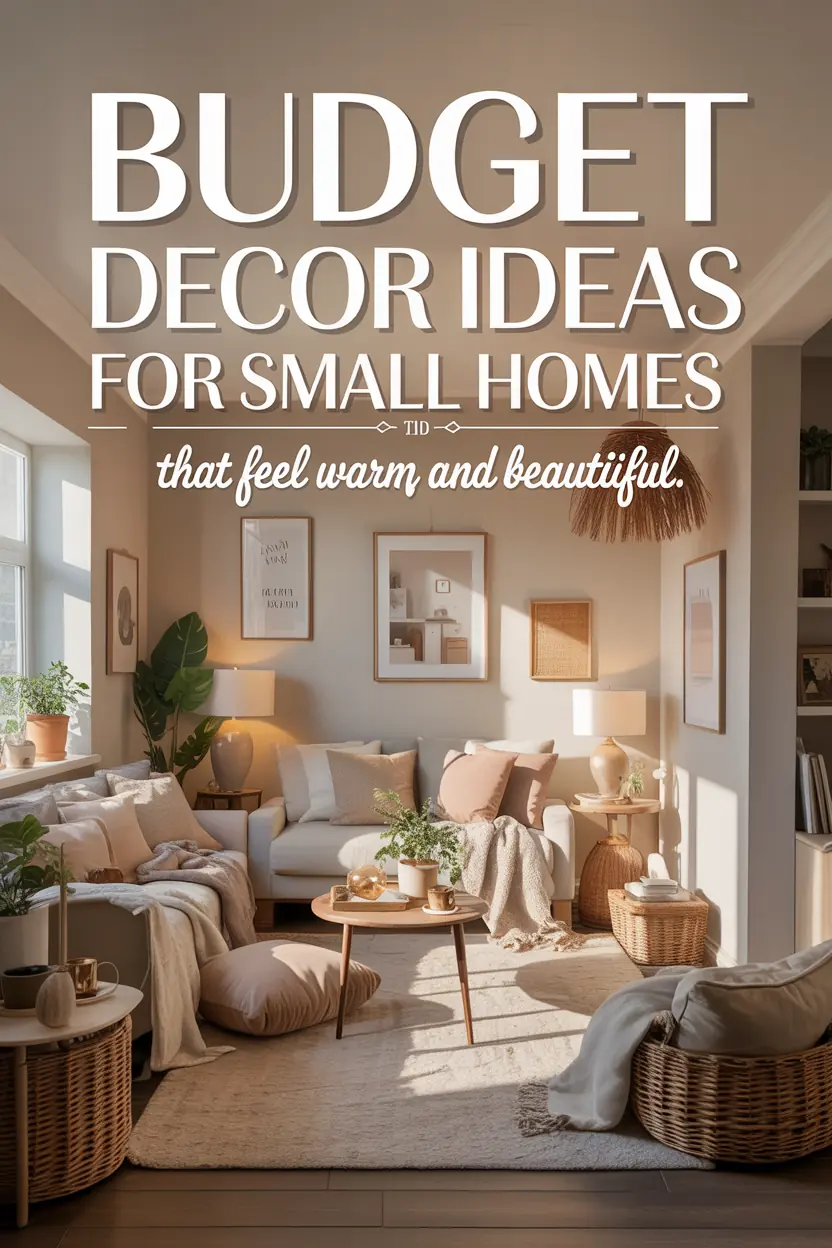
Living in a small home comes with its own kind of charm. There’s something intimate and cozy about a compact space that larger homes sometimes struggle to achieve. But small spaces also come with real challenges, and when you’re working with a tight budget on top of that, it can feel like your options are limited. The truth is, they’re not.
Some of the most beautifully styled homes in the world are small ones, decorated thoughtfully with very little money. It’s all about knowing which ideas actually work and which ones just waste space and cash. This guide is built specifically for small homes, with budget-friendly decor ideas that make every corner feel warm, intentional, and genuinely beautiful.
1. Start With a Warm, Light Paint Color
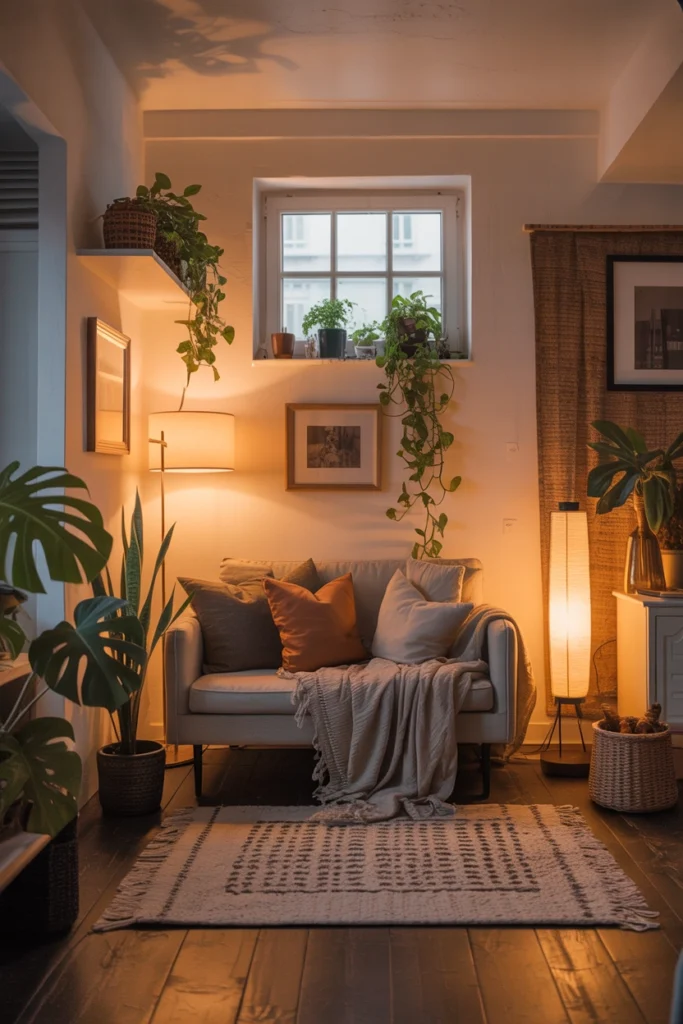
In a small home, paint color does a lot of heavy lifting. Dark or cold tones can make a compact room feel like a box, while warm neutrals open everything up without sacrificing coziness. Think soft whites with a warm undertone, creamy beiges, blush pinks, or light terracotta shades.
These colors reflect natural light beautifully and create a sense of airiness that small rooms desperately need. The best part is that a single can of paint is one of the most affordable upgrades you can make, and the transformation is immediate.
2. Use Mirrors Strategically to Open Up Space
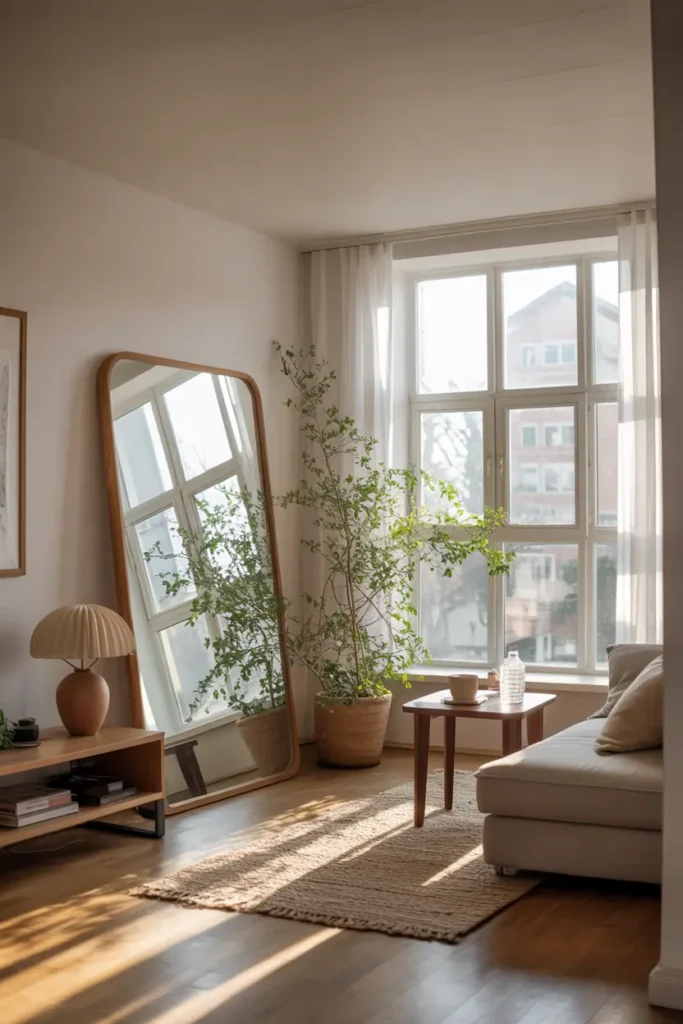
Mirrors are genuinely one of the most powerful tools in small space decorating. They reflect both natural and artificial light, create the illusion of depth, and make a room feel significantly larger than it actually is. A large mirror leaned against a wall opposite a window doubles the perceived size of the room instantly.
Even a cluster of smaller mirrors styled together on a wall adds dimension and visual interest. Thrift stores are full of affordable mirrors in interesting shapes. If the frame feels outdated, a can of spray paint fixes that in minutes.
3. Choose Furniture That Does Double Duty
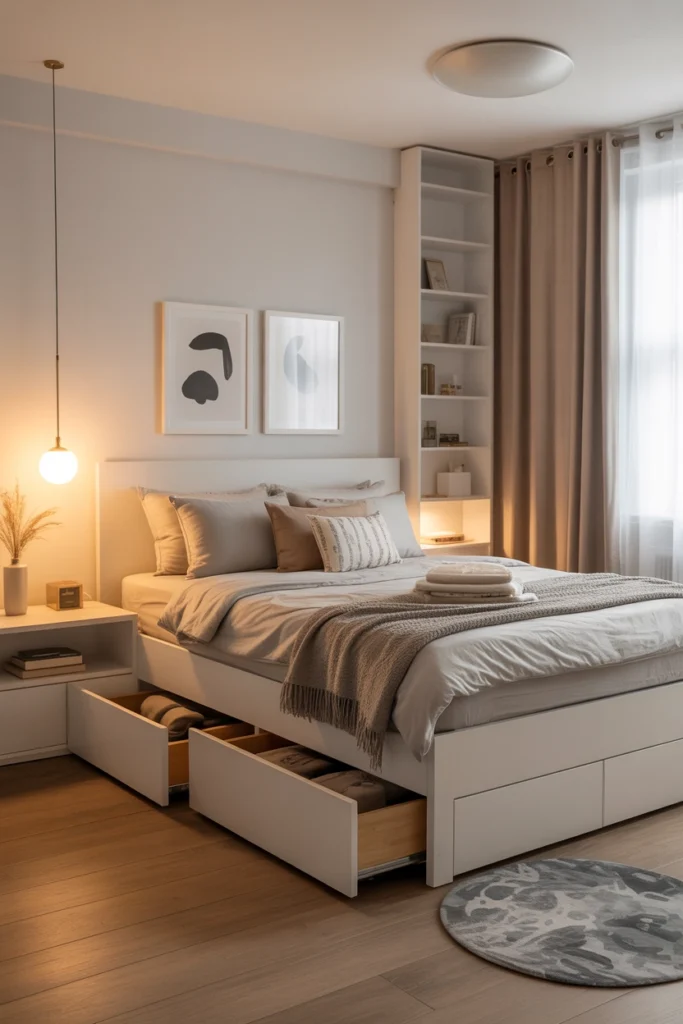
In a small home, every piece of furniture needs to earn its place. A storage ottoman that doubles as a coffee table. A bed frame with built-in drawers underneath. A bench at the foot of the bed that also holds extra blankets. A dining table that folds against the wall when not in use. Multi-functional furniture is widely available at budget-friendly price points and is genuinely the backbone of smart small space living.
When a piece serves two purposes, you need fewer total pieces, which means less visual clutter and more breathing room.
4. Go Vertical With Shelving and Storage
When floor space is limited, the answer is almost always to go up. Vertical shelving draws the eye upward, making ceilings feel higher and rooms feel larger. Floating shelves installed high on a wall store books, plants, and decorative objects without taking up any floor space at all. Tall, narrow bookshelves are another great option.
Even hanging hooks or pegboards on walls for coats, bags, and kitchen tools frees up floor and counter space while keeping things organized and accessible. Vertical thinking is one of the most effective and affordable strategies for small home living.
5. Bring in Warm Lighting at Every Level
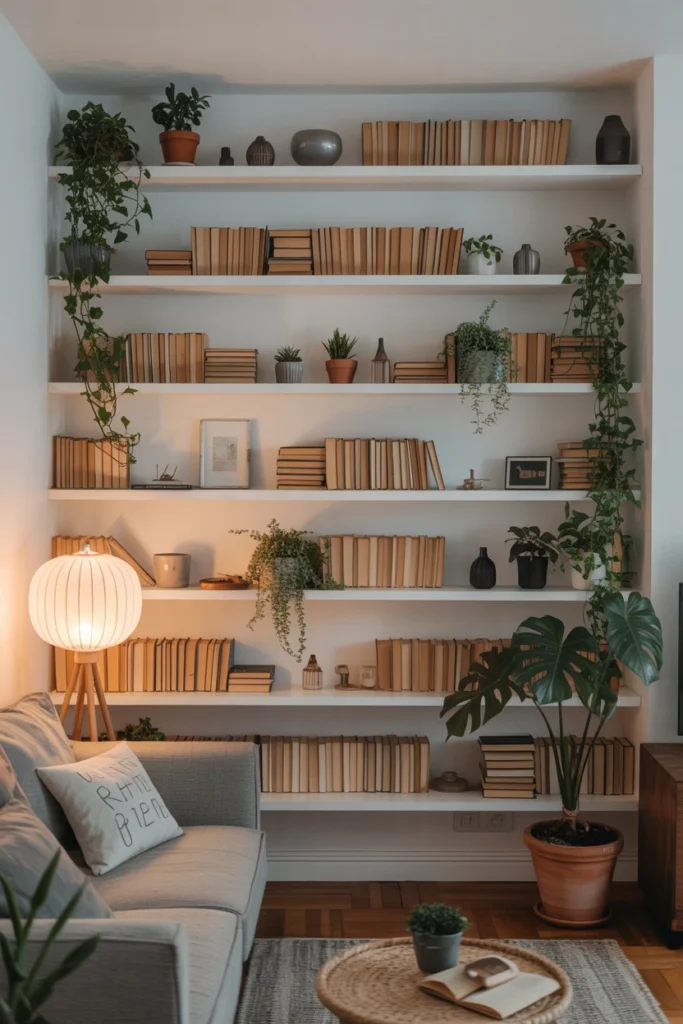
Lighting in a small home is everything. A single overhead bulb makes a small room feel like a waiting area. Warm, layered lighting at different heights transforms it into something genuinely cozy and beautiful. Place a small table lamp on a side table or shelf. Add a string of fairy lights along a window frame or bookshelf. Set a candle or two on a tray on the coffee table.
Each light source creates a warm pool of glow that adds depth and dimension to the space. This kind of lighting setup costs very little and makes an enormous difference, especially in the evenings.
6. Use a Consistent Color Palette Throughout
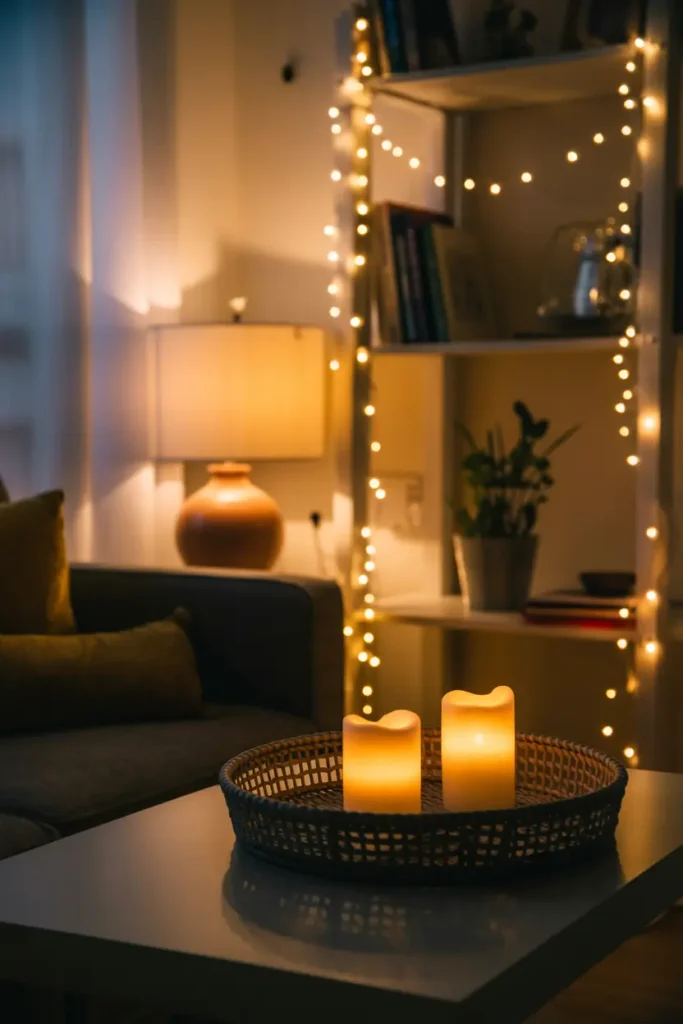
One of the things that makes small homes feel chaotic and cramped is too many competing colors and patterns. When each room or even each wall has its own color story, the eye has nowhere to rest and the space feels smaller than it is. Choosing two or three complementary colors and sticking to them throughout your home creates a sense of flow and continuity.
Rooms feel connected, larger, and more intentional. This doesn’t mean everything has to match exactly. It means the overall palette feels cohesive, like the home was designed rather than just furnished over time.
7. Add Softness With Rugs and Textiles
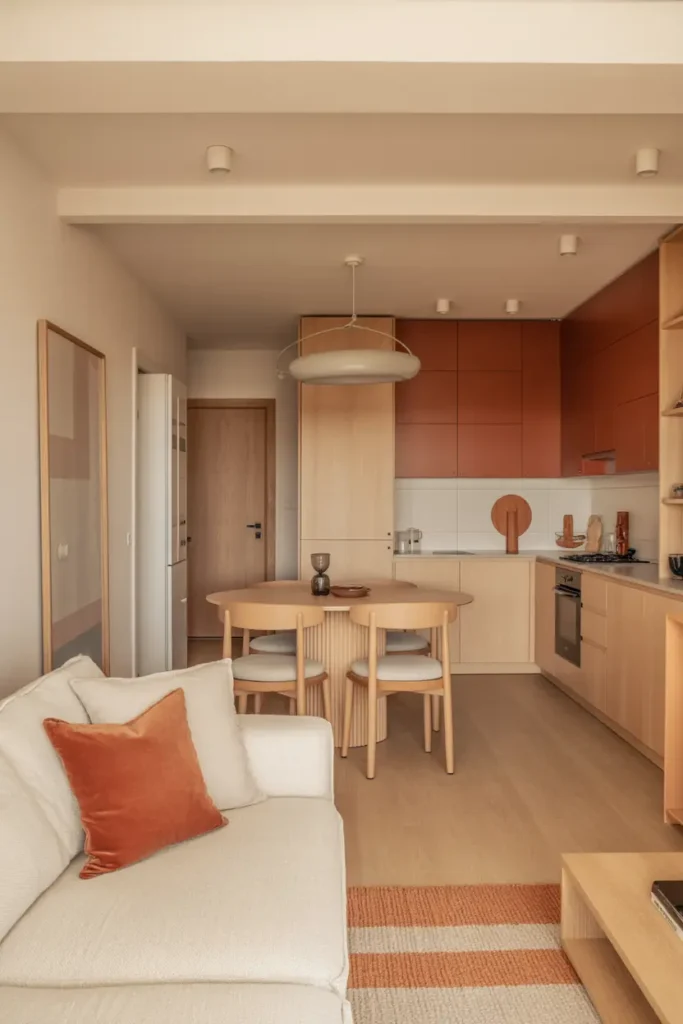
Hard floors and bare surfaces make a small space feel cold and echo-y. Softening things up with rugs and textiles adds warmth, comfort, and visual richness without adding clutter. A well-sized rug under your seating area defines the space and grounds the furniture. Cushion covers in warm tones add color and texture to a sofa or bed. A soft throw folded over a chair adds an inviting, lived-in quality.
Even simple linen curtains that pool slightly on the floor add a layer of softness and elegance that transforms the feel of a small room.
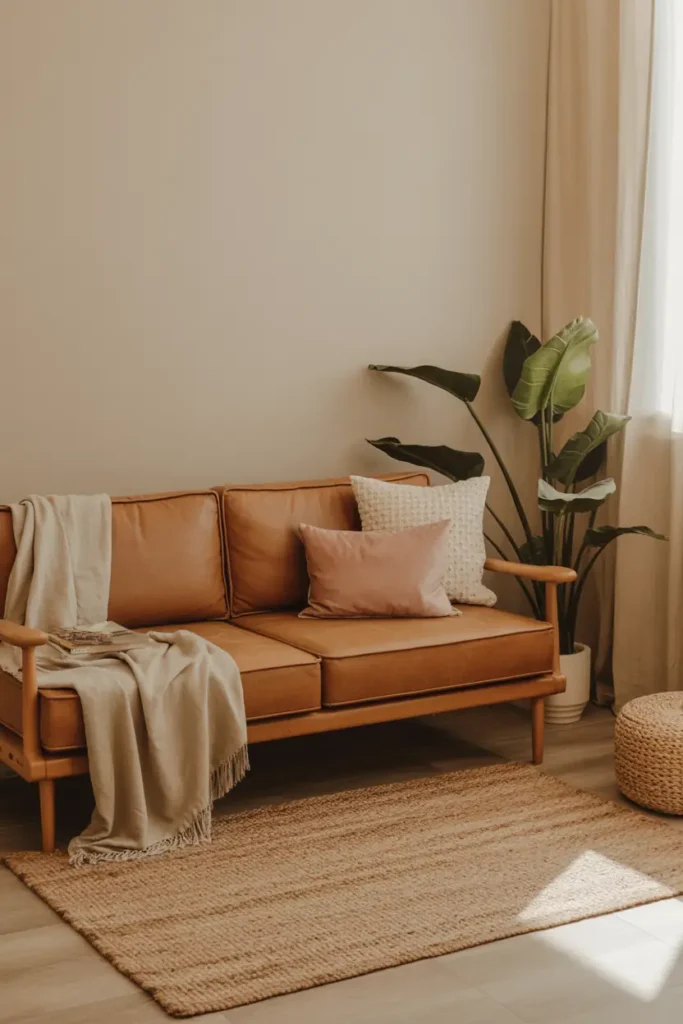
8. Embrace Minimalism Without Making It Feel Cold
Minimalism in a small home isn’t about making it look stark or empty. It’s about being intentional with what you keep and display. Every item in a small space is visible, so everything matters. Remove what doesn’t add value, either visual or practical. Keep surfaces mostly clear with just one or two styled objects. Choose furniture with clean lines that doesn’t visually overwhelm the room.
The goal is a space that feels calm, uncluttered, and carefully considered rather than empty or cold. Warm tones and natural textures are what keep minimalism from feeling sterile.
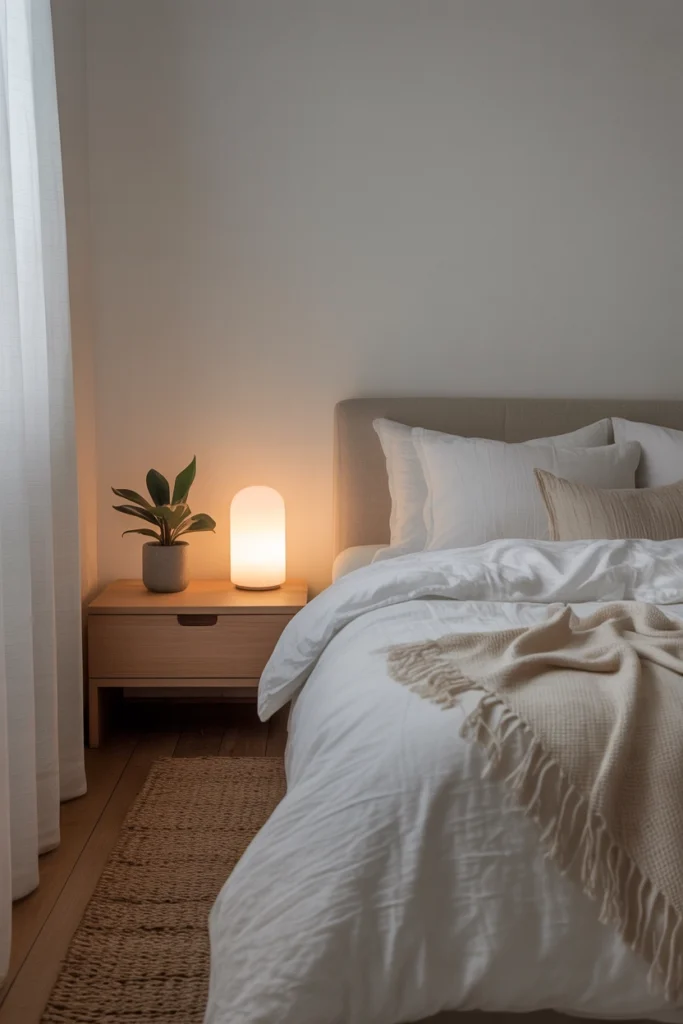
9. Use Plants to Add Life and Color
Plants are one of the best investments you can make in a small home. They add color, life, texture, and even improved air quality, all for very little money. In a compact space, plants work particularly well in corners that feel dead or empty, on windowsills, on top of bookshelves, and hanging from the ceiling in macrame holders. Choose varieties that thrive in your light conditions and don’t require much maintenance.
Pothos, snake plants, and peace lilies are all beautiful, affordable, and nearly impossible to kill. Even a single healthy plant in a simple pot can completely change the energy of a small room.
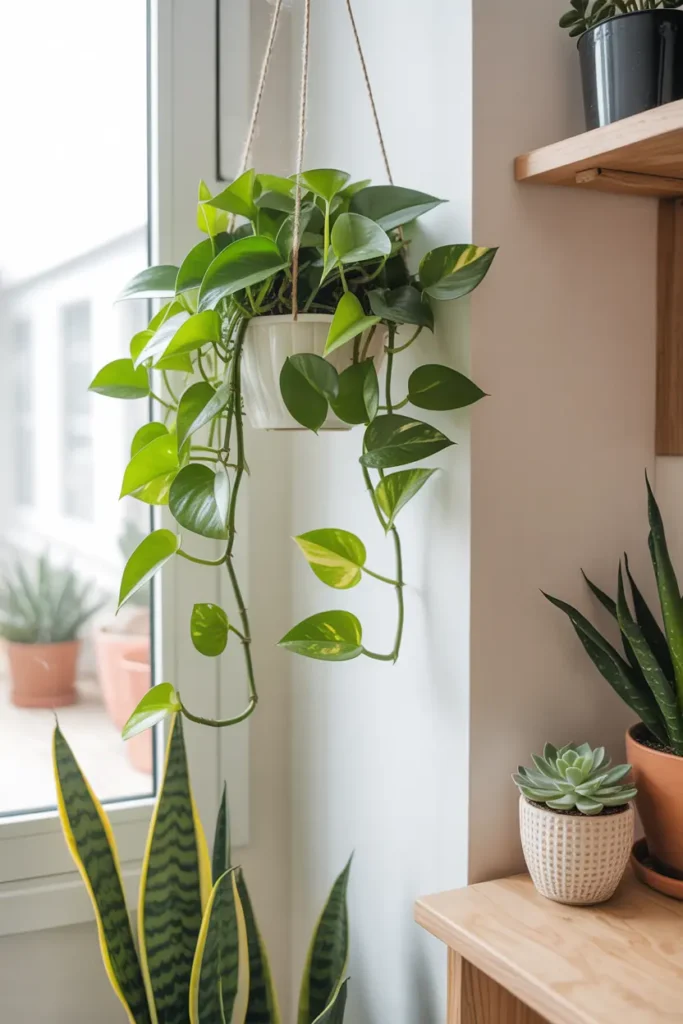
10. Create Zones in an Open Space
If your small home has an open-plan layout, one of the smartest things you can do is create visual zones using furniture placement and rugs rather than walls. A rug defines the living area. A small bookshelf or plant arrangement marks the boundary of a dining space. A curtain or room divider separates a sleeping area from a workspace. Creating zones makes an open plan feel more organized, functional, and intentional.
It also makes the overall space feel larger, because each zone has its own identity and purpose rather than everything blending into one undefined area.
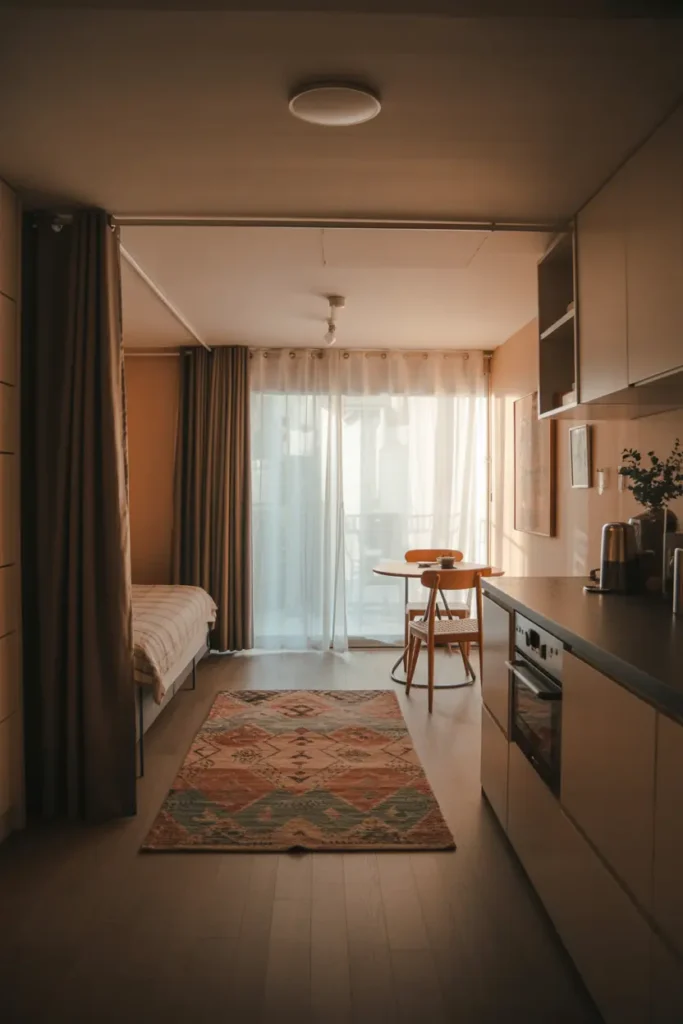
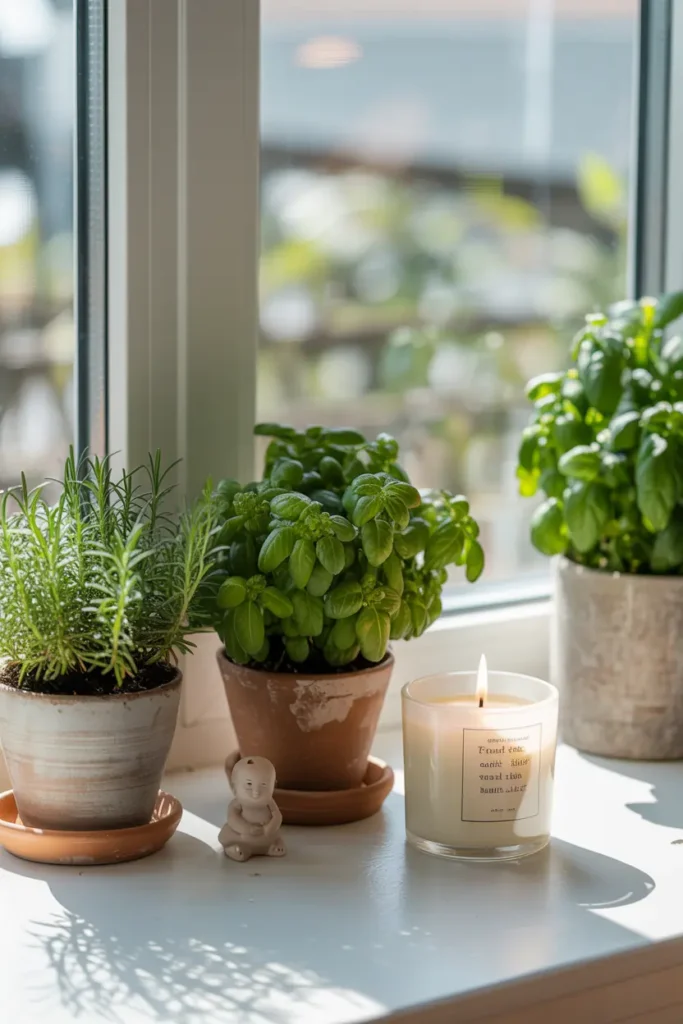
11. Style Windowsills as Display Space
In a small home, every surface matters. Windowsills are often completely ignored but they’re actually wonderful little display ledges. A row of small plants, a candle, a small framed photo, or a few smooth stones arranged on a windowsill adds a personal, styled touch to a room without taking up any additional floor or shelf space.
Windowsills also benefit from natural light, which makes plants and glass objects look especially beautiful. It’s a tiny detail but it contributes to the overall feeling that the home has been carefully and lovingly put together.
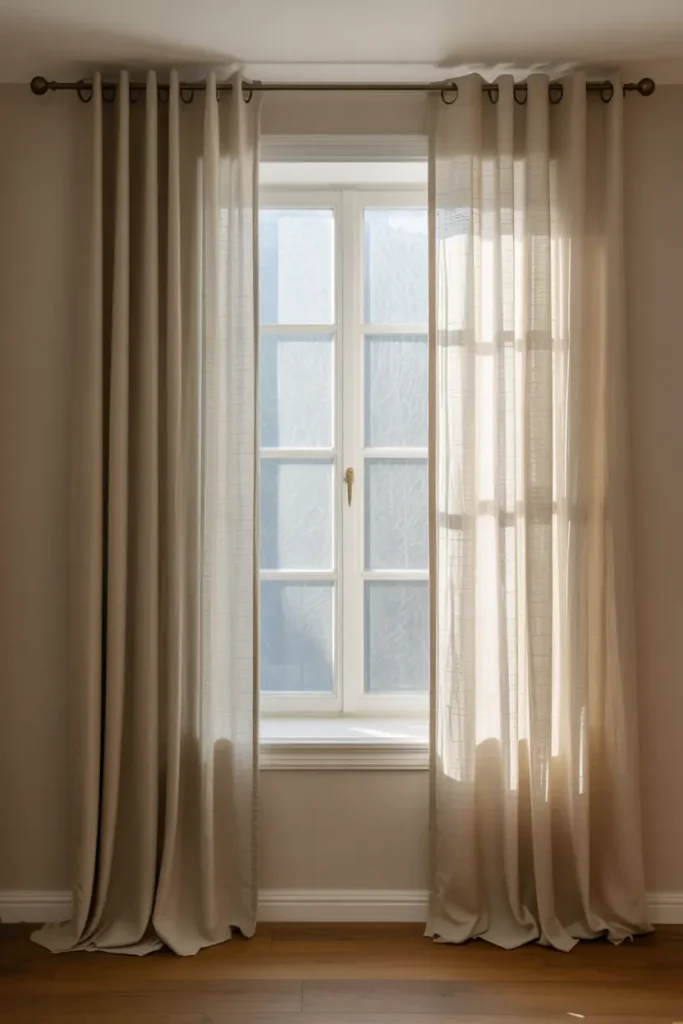
12. Hang Curtains High and Wide
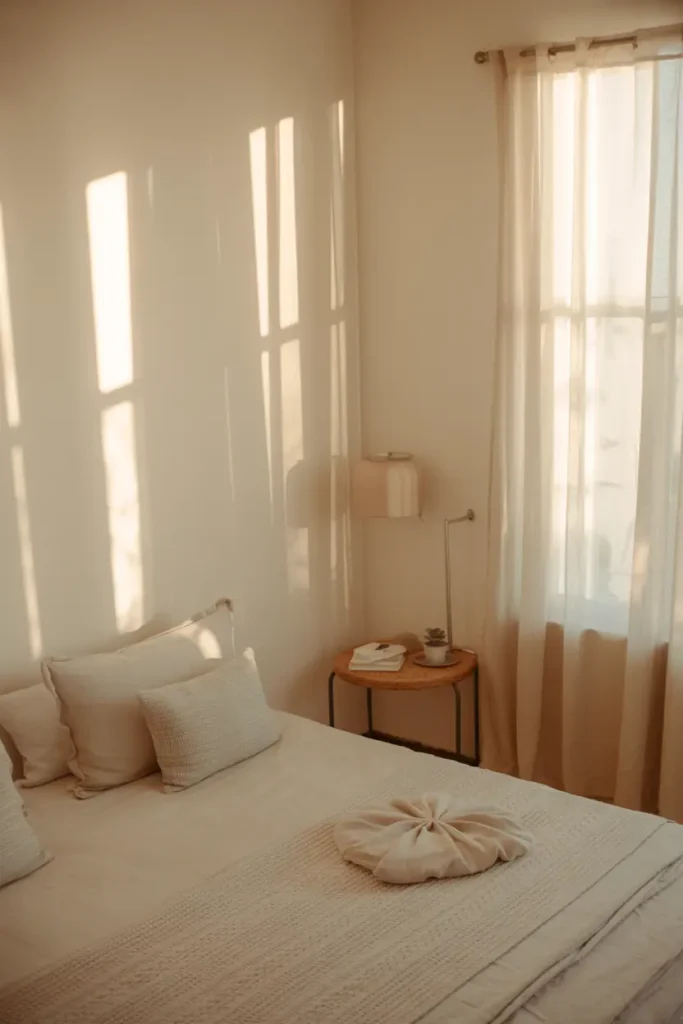
This is one of the oldest tricks in interior design and it works every single time. Mounting your curtain rod as close to the ceiling as possible and extending it several inches beyond the actual window frame on each side creates the illusion of a much larger window and a much taller room. In a small home, this single change can make a dramatic difference. Use light, sheer fabrics or simple linen panels in white or off-white to maximize light while still adding that soft, elegant drape that makes a room feel finished and designed.
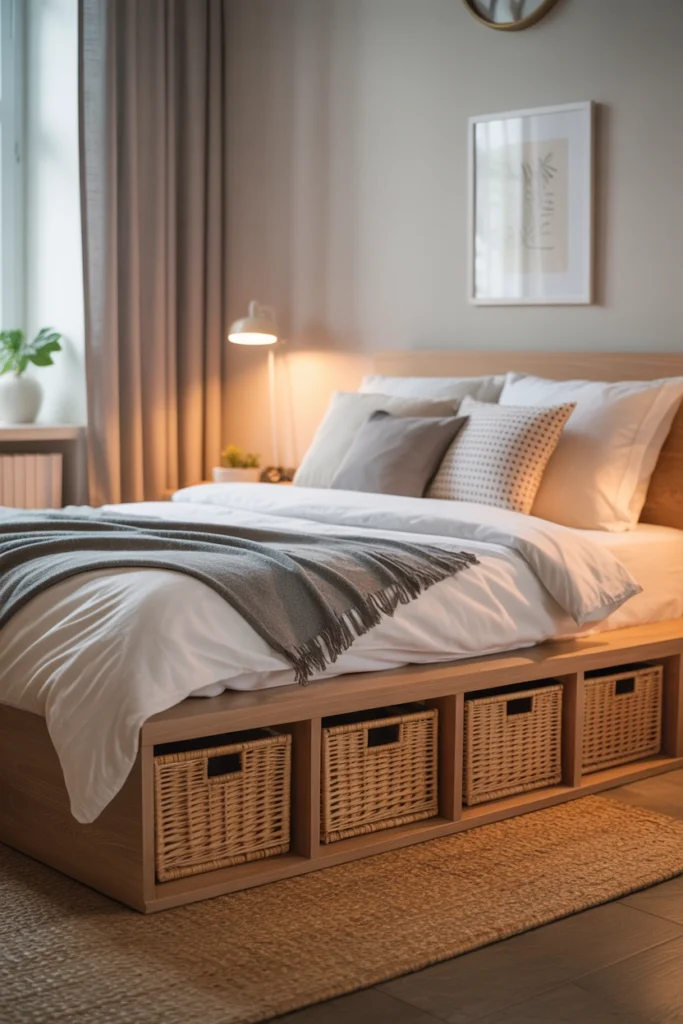
13. Use Under-Bed Space Creatively
In a small bedroom, the space under the bed is prime real estate. Flat storage boxes, vacuum bags for seasonal clothing, or decorative baskets can hold an enormous amount of stuff completely out of sight. Keeping the under-bed area organized and dedicated to specific storage means you need fewer additional storage pieces in the room itself, which keeps the space more open and breathable.
If your current bed frame doesn’t allow for under-bed storage, bed risers are an inexpensive solution that can add several inches of clearance.
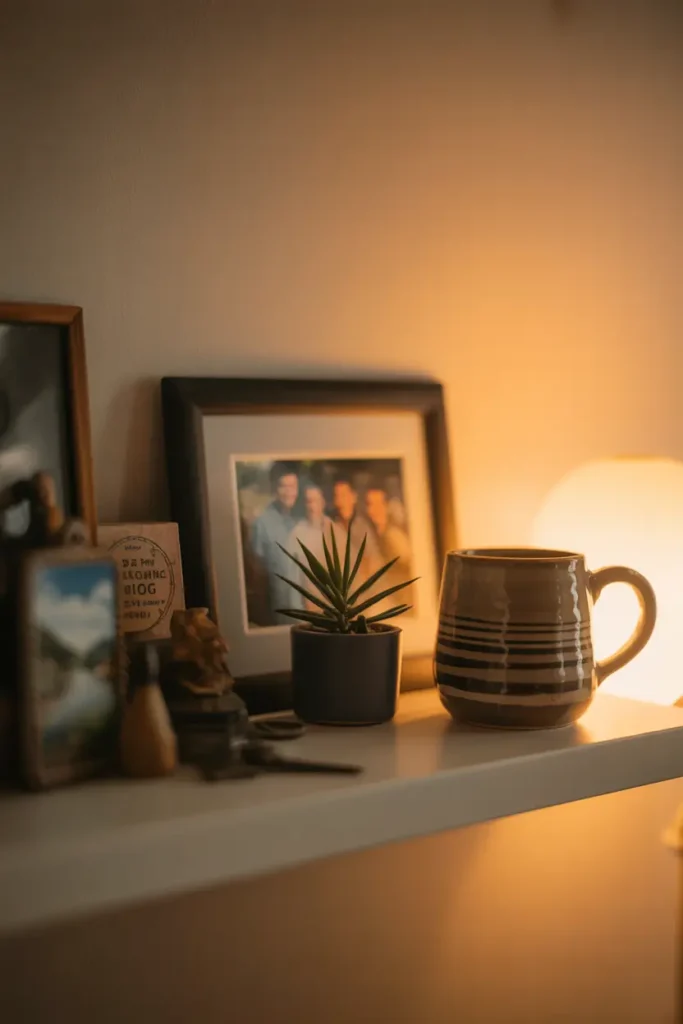
14. Add Personal Touches That Tell Your Story
A small home that feels truly beautiful is one that feels like someone actually lives there and loves it. Personal touches, whether it’s a small collection of objects from travels, a gallery wall of family photos, a shelf of beloved books, or a handmade item that holds meaning, add soul to a space that no amount of perfectly curated store-bought decor can replicate.
These personal elements don’t cost much and they’re what make a home feel genuinely warm rather than just styled. In a small space, even one or two meaningful objects can become the heart of the room.
15. Keep Entryways Small but Intentional
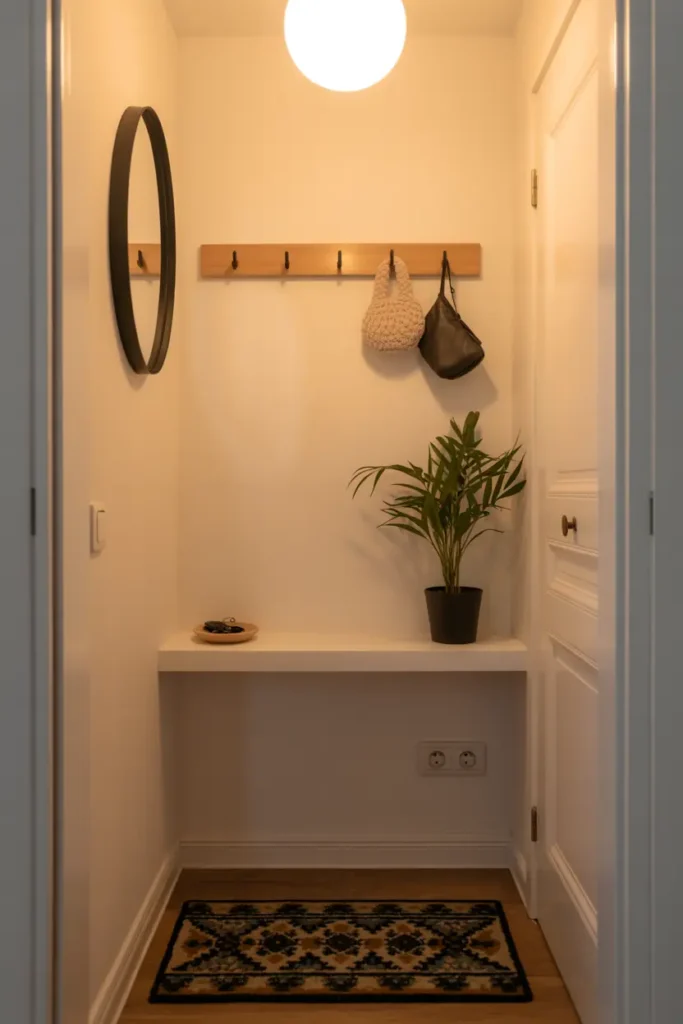
In a small home, the entryway sets the tone for everything that follows. Even if yours is just a tiny corner near the front door, making it intentional makes a big difference. A small hook rail for coats and bags, a narrow shelf or console for keys and small items, a tiny plant or framed print on the wall, and a small mat on the floor. That’s genuinely all you need. A well-styled entryway, however small, signals to anyone who walks in that this home is cared for and thought about, and it makes the rest of the space feel more designed by association.
16. Use Scent to Create an Atmosphere
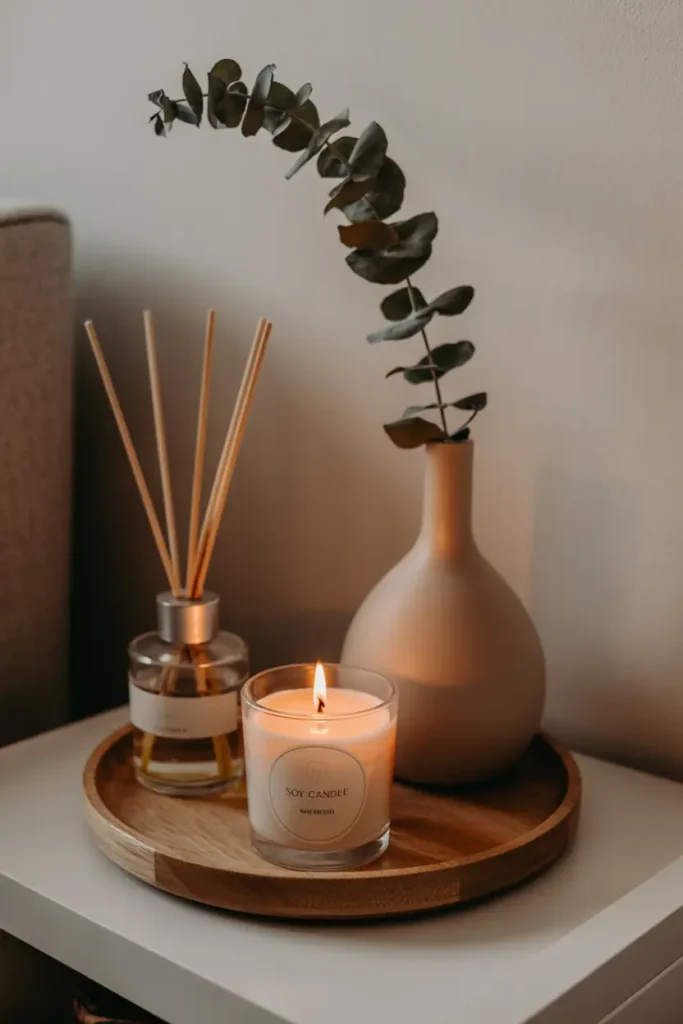
Scent is one of the most underused elements in home decor, especially in small spaces. Because a small home has less square footage, a good scent travels quickly and fills the entire space with a sense of warmth and comfort.
An affordable soy candle, a simple reed diffuser, or even a small bundle of dried lavender or eucalyptus placed near a vent can make your home smell like a boutique hotel. It costs very little but adds a layer of sensory luxury that genuinely changes how the space feels to be in. It’s invisible decor that works every single time.
17. Declutter Regularly and Edit With Intention
In a small home, clutter isn’t just an aesthetic problem. It’s a spatial one. Things pile up faster, surfaces fill quickly, and before long a perfectly nice little space feels suffocating. Making decluttering a regular habit, not just a one-time event, keeps a small home feeling open and livable. Go through surfaces every week. Be honest about what’s earning its place and what’s just taking up room.
The goal isn’t to live with nothing. It’s to live with the right things. A small home edited with intention and care will always feel more beautiful and more spacious than a larger home filled with things that don’t belong.
Conclusion
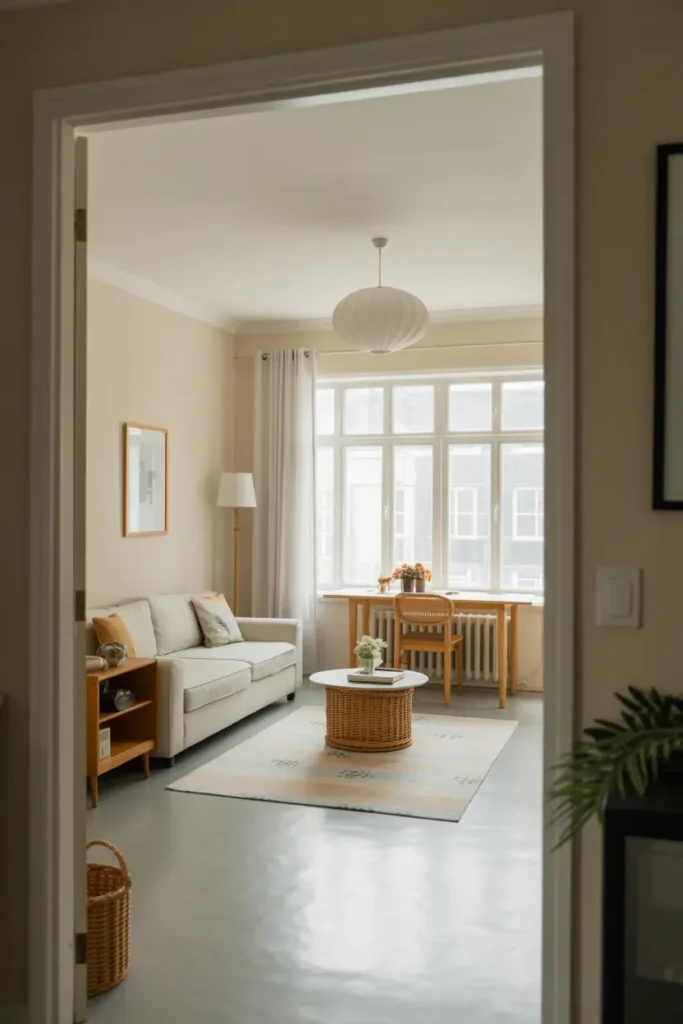
Small homes don’t need big budgets to feel warm, beautiful, and genuinely livable. What they need is thoughtfulness. Every mirror placed to catch the light, every plant chosen to fill a corner, every warm bulb swapped in to soften an evening, these small decisions compound into something that feels far greater than the sum of its parts.
The ideas in this guide are all affordable, practical, and specifically suited to compact spaces. Start with the changes that feel most relevant to your home right now, build slowly, and trust the process. A small home decorated with care and intention can be one of the most beautiful and comforting places in the world to be.